
It’s a familiar sight: your dog nibbling on the lawn like a tiny, four-legged lawnmower. While the occasional grass snack is normal, frequent grazing can signal digestive upset or a nutritional gap. Sometimes it’s simply boredom, but often a diet that’s heavy on fillers and light on gut-soothing ingredients is the culprit. The right dog food can make a real difference – calming a rumbly tummy and curbing the urge to graze.
We cross-shopped the market for formulas built around digestive ease, zeroing in on recipes with real meat first, gentle carbohydrates like pumpkin and sweet potato, and no artificial additives. Whether your dog is a casual grass-snacker or a dedicated lawn gourmand, this guide breaks down the top picks across brands, price tiers, and dietary philosophies so you can find the one that settles their stomach – and your mind.
Best Dog Food for Dogs That Eat Grass – 2026 Reviews
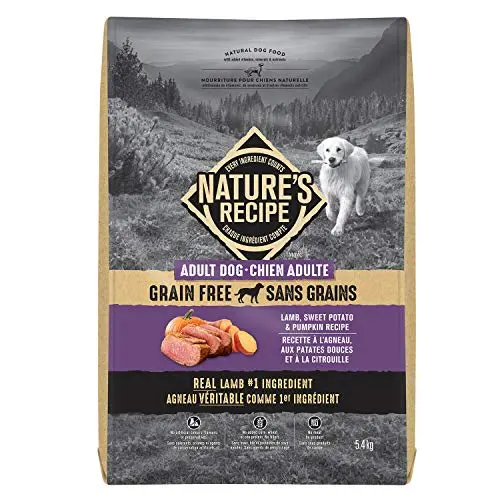
Grain Free Lamb, Sweet Potato & Pumpkin – Digestive Support
A grain-free formula built around real lamb as the #1 ingredient, with pumpkin and sweet potato for a fibre-rich, gentle recipe that addresses the root cause of grass eating. No artificial colours, flavours, or preservatives.
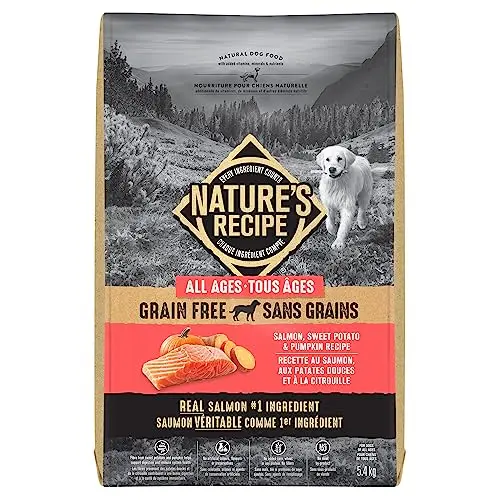
Grain Free Salmon, Sweet Potato & Pumpkin – Skin & Stomach Support
A salmon-forward grain-free recipe that mirrors the digestive support of the lamb variant, with the added benefit of omega-rich fish for skin and coat health, plus the same trusted pumpkin and sweet potato fibre blend.
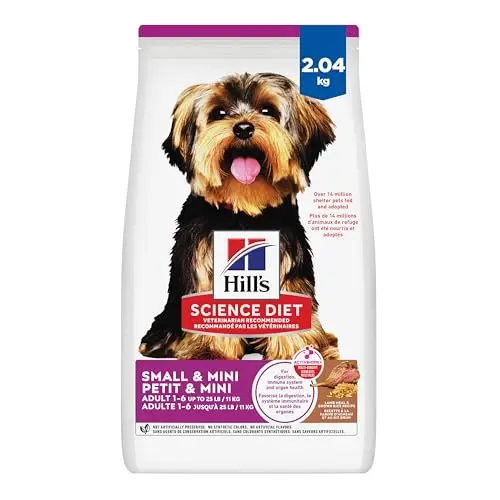
Adult Small & Mini Lamb & Brown Rice – Vet-Recommended Digestive Care
A vet-recommended option specifically formulated for small breeds, using easy-to-digest lamb meal and brown rice, plus pumpkin and probiotics for proven digestive sensitivity support.
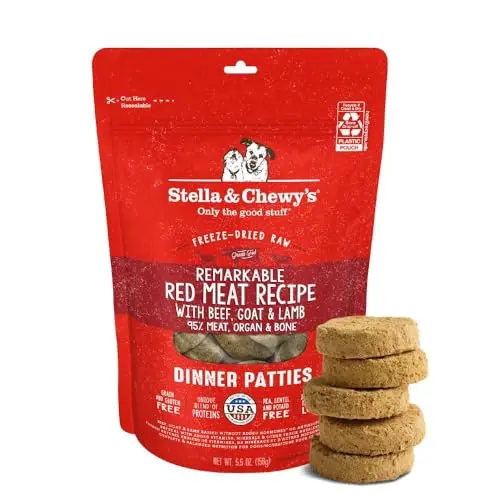
Freeze-Dried Raw Red Meat Patties – High-Protein Digestive Health
A protein-packed freeze-dried raw formula with 95% red meat, organs, and bone, enhanced with probiotics and fibre for dogs that need a ancestral-diet approach to curb grass eating.
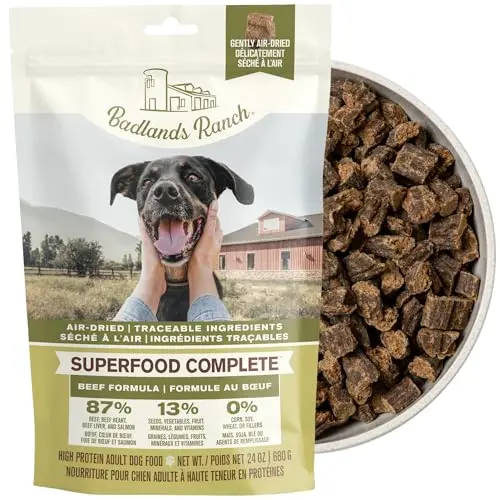
Superfood Complete Air-Dried Beef – Gentle Digestion & Vitality
A super-premium, air-dried beef formula with 87% animal ingredients, lion’s mane mushroom, and zero fillers – crafted for dogs that need a gentle, nutrient-dense diet to settle digestive irritation.
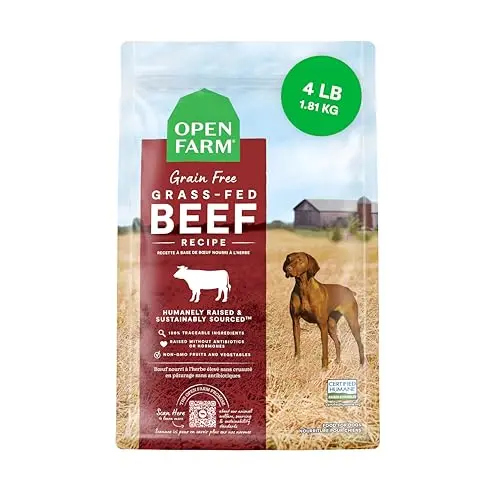
Grain-Free Grass-Fed Beef – Ethically Sourced Digestive Ease
An ethically sourced grain-free kibble with 100% grass-fed beef, non-GMO pumpkin and carrot, and coconut oil – designed for easy digestion and dogs with food sensitivities that trigger grass grazing.
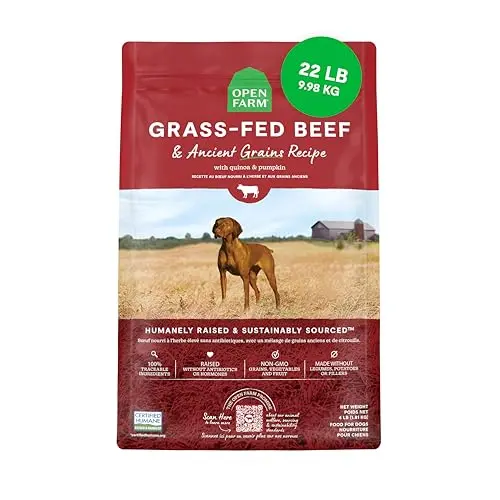
Ancient Grains Grass-Fed Beef – Whole-Grain Digestive Comfort
A grain-inclusive option for dogs that benefit from whole grains, combining ancient grains like oats and quinoa with grass-fed beef and pumpkin for proven stomach-soothing nutrition.
How We Evaluated These Dog Foods for Dogs That Eat Grass
We didn’t run long-term feeding trials under veterinary supervision. What we did: cross-referenced 7 dog food formulas from 5 distinct brands across 6 decision axes – digestive support features, primary protein type, fibre sources, inclusion of probiotics or prebiotics, ingredient transparency, and reported palatability. We triangulated published ingredient lists, manufacturer claims, aggregated owner feedback where available, and suitability for sensitive canine stomachs.
The scoring framework weighted real-world digestive performance (60%) – how reliably a formula calms stomach issues linked to grass eating – against feature differentiation (40%) – clean-label extras, protein quality, and brand accountability. We have no commercial relationship with any of the brands featured; recommendations track fit and digestive efficacy, not brand preference. If your dog is a daily grazer, the Nature’s Recipe Lamb is your starting point; if salmon is the only protein your dog tolerates, the Salmon variant earns the same trust.
How to Choose the Right Dog Food for Dogs That Eat Grass
Why Do Dogs Eat Grass? The Dietary Connection
It’s normal for dogs to occasionally nibble grass, but frequent grazing often points to digestive discomfort or a deficiency. Some dogs seek out roughage to induce vomiting, while others simply lack enough fibre in their diet. A food that mimics natural foraging with safe, digestible fibre sources – like pumpkin, sweet potato, or oats – can satisfy that urge without the lawn chemicals. If the grass eating is seasonal or tied to upset stomachs, look for formulas specifically labelled for sensitive digestion.
Key Nutrients for Digestive Health in Dog Food
The best dog foods for grass eaters pack a one-two punch of soluble and insoluble fibre plus gut-friendly microbes. Pumpkin is the star ingredient here – it firms up loose stools and soothes the digestive tract. Probiotics (like lactic acid or dried fermentation products) introduce beneficial bacteria, while prebiotics (chicory root, flaxseed) feed the good gut bugs. Pair these with a high-quality, named protein (lamb, salmon, beef) as the first ingredient, and you avoid the cheap fillers that irritate sensitive stomachs.
What to Look For on the Ingredient List
Ignore marketing claims and flip the bag. The first ingredient should be a specific meat or fish meal, not a vague by-product. Next, scan for a fibre-rich carb like sweet potatoes, pumpkin, or brown rice – not corn or wheat. Avoid artificial colours, flavours, and preservatives, which can trigger inflammation. If your dog already has a known sensitivity, a limited-ingredient diet (LID) with a novel protein reduces the chance of a flare-up. And don’t be fooled by ‘grain-free” – it’s only relevant if your dog has a grain allergy; otherwise, whole grains like oats can be gentle and nutritious.
Grain-Free vs. Grain-Inclusive: What's Best for Grass-Eaters?
There’s no one-size-fits-all answer. Some dogs with true grain sensitivities do better on grain-free formulas like Nature’s Recipe or Open Farm Grain-Free. But for dogs without allergies, ancient grains (quinoa, oats, millet) offer additional fibre and steady energy without the inflammatory potential of modern wheat. The Open Farm Ancient Grains is a prime example of a formula that gets this right. The key is to watch your dog’s stool and grass-eating behaviour – if it improves, you’re on the right track.
How to Transition Your Dog to a New Food Without Upsetting Their Stomach
A sudden switch can cause as much digestive upset as the problem you’re trying to solve. Always transition over 7-10 days by slowly increasing the new food while decreasing the old. Start with 25% new food for two days, then 50%, then 75%, before making the full switch. If your dog has a particularly sensitive stomach, consider adding a spoonful of pure pumpkin puree to ease the change. And don’t panic if you see some initial gas or softer stools – that’s the gut microbiome adjusting.
Frequently Asked Questions
Why does my dog eat grass and can changing their diet help?
Dogs eat grass for several reasons: to soothe an upset stomach, to add fibre, or simply out of habit. If it’s stomach-driven, a diet rich in easily digestible proteins, soluble fibre (pumpkin, sweet potato), and probiotics often reduces the urge. Owners who switch to a digestive-focused food frequently report less grazing. Our top pick, Nature’s Recipe Lamb, was chosen specifically for its gut-soothing ingredients, but any formula on this list can help if it targets the underlying cause.
What's the difference between Nature's Recipe Lamb and Salmon formulas?
Both use the same pumpkin and sweet potato fibre blend and share a grain-free, no-filler philosophy. The lamb version features real lamb as the first ingredient and is slightly higher in protein from animal sources. The salmon recipe swaps in wild-caught salmon and adds more omega-3 fatty acids for skin and coat. Choose based on your dog’s protein preference or allergy history – they’re equally effective for digestion, but the salmon offers an extra beauty bonus.
How does Hill's Science Diet compare to Open Farm Ancient Grains for dogs with sensitive stomachs?
Both are designed for digestive sensitivity, but they take different paths. Hill’s Science Diet Small & Mini uses lamb meal and brown rice with added probiotics, and its small kibble is ideal for tiny breeds. Open Farm Ancient Grains uses whole grass-fed beef and a blend of oats, quinoa, and millet, with pumpkin and turmeric for natural anti-inflammation. Hill’s leans on vet science; Open Farm leans on ingredient transparency and ethical sourcing. If your dog is a small breed, Hill’s is the practical pick; if you prioritize sustainability and whole-food ingredients, Open Farm wins.
Is raw food like Stella & Chewy's good for dogs that eat grass?
For some dogs, yes – especially if their grass eating stems from a lack of natural enzymes or probiotics that raw diets provide. Stella & Chewy’s freeze-dried raw patties are 95% animal ingredients with added fibre and probiotics, mimicking a canine ancestral diet. However, raw isn’t for every dog; those with compromised immune systems or certain health conditions may not be good candidates. If you’re curious, start with a small bag as a topper and watch for improvements in stool quality and reduced grazing.
Does grain-free dog food help with grass eating?
Not automatically. Grain-free can help if your dog has a genuine grain allergy or intolerance that causes digestive upset, but grass eating isn’t directly caused by grains per se. The fibre content and ingredient quality matter far more. A grain-inclusive option like Open Farm Ancient Grains can be just as effective for sensitive stomachs thanks to its gentle ancient grains and pumpkin. Focus on the overall digestibility, not the grain-free label.
Final Verdict
Most dogs that habitually eat grass respond beautifully to a diet centred on real meat, gentle fibre, and clean ingredients. For that, the Nature’s Recipe Grain Free Lamb is our top recommendation – it covers all the digestive bases without overcomplicating things. If your dog does better with fish or needs extra coat support, the Salmon version is a seamless swap. For small-breed households who trust veterinary science, Hill’s Science Diet remains a gold standard. And if you’re ready to invest in raw nutrition, Stella & Chewy’s offers a probiotic-rich alternative. Whichever you choose, give it a fair transition and watch the grazing habits fade.