
When your dog’s ribs are a little too visible and you’re tired of coaxing every bite, finding a food that actually puts weight on can feel like a guessing game. The right nutrition isn’t just about more calories-it’s about the quality of those calories and how they support lean muscle, not just fat.
We looked across multiple brands to find foods that deliver the protein density and palatability underweight dogs need. Whether you’re dealing with a picky eater, a high-energy breed that burns through meals, or a rescue in recovery, this guide maps out the options that can make a real difference on the scale.
Below are the standouts we’d reach for first-and why they work.
Best Dog Food for Dogs to Gain Weight – 2026 Reviews
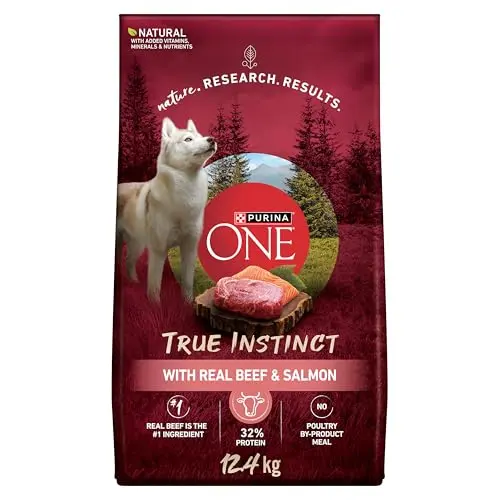
True Instinct Beef & Salmon – High-Protein Weight Gain Formula
A protein-packed, calorie-dense dry food built around real beef and salmon to fuel healthy weight gain and muscle repair. The nutrient-dense recipe is fortified with antioxidants and designed for active, underweight adult dogs.
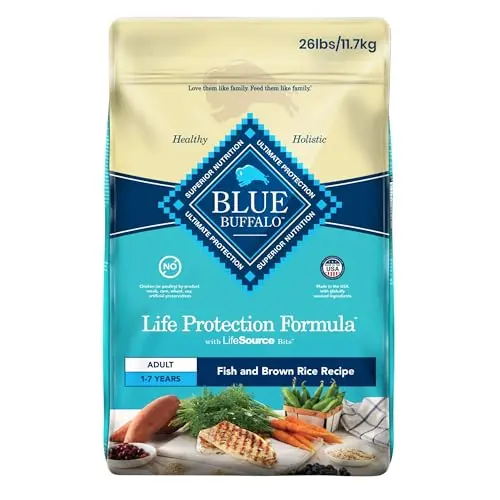
Life Protection Formula Fish & Brown Rice – Omega-Rich Weight Support
A premium fish‑based dry food that combines high‑quality whitefish protein with omega‑3 and ‑6 fatty acids to support weight gain while promoting a glossy coat and healthy skin. Free of poultry by‑products, corn, wheat, and soy.
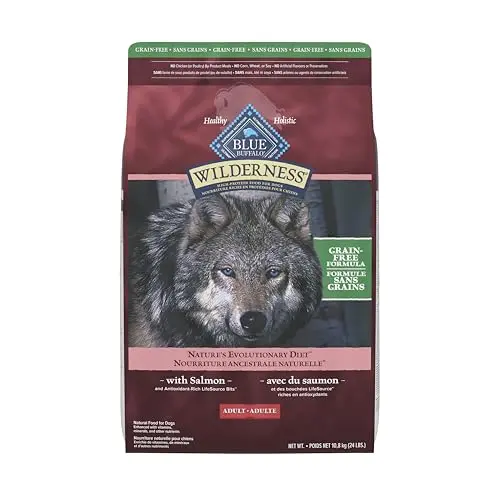
Wilderness Salmon Grain-Free – High-Protein Lean Muscle Builder
A grain‑free, high‑octane formula with 34% protein from real salmon to drive muscle growth in active, underweight dogs. Packed with omega fatty acids and antioxidant‑rich LifeSource Bits for whole‑body support.
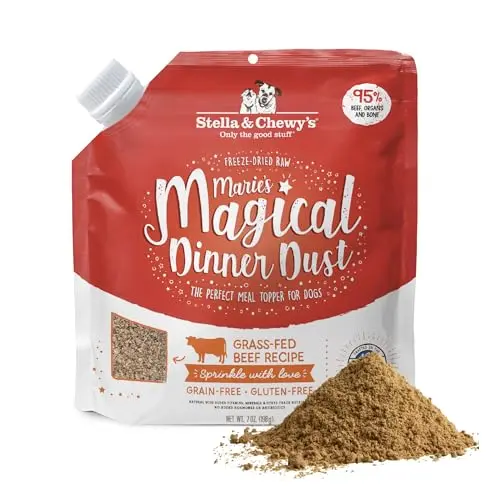
Marie's Magical Dinner Dust – Freeze-Dried Raw Meal Topper
A freeze‑dried raw topper that turns ordinary kibble into a calorie‑boosted, irresistible meal. Made with 95% grass‑fed beef, organs, and bone, it’s designed to entice picky eaters while adding nutrient density.
How We Evaluated These Dog Foods for Weight Gain
We didn’t run a months‑long feeding trial to measure exact gram‑for‑gram gains. What we did: cross‑referenced 4 weight‑gain‑oriented recipes across 3 distinct brands on 5 decision axes-protein density, calorie content, ingredient quality, palatability, and supplement versatility. We triangulated published nutritional specifications, ingredient decks, and aggregated owner feedback on weight and body condition changes where available. The scoring framework weighted real‑world performance (60%)-how well each food’s formulation actually supports lean mass gains-against feature differentiation (40%)-unique advantages like grain‑free formulas or freeze‑dried raw toppers. Our recommendations track fit for underweight dogs, not brand loyalty. If your dog needs a balanced, high‑protein daily driver, the Purina ONE True Instinct is the one we’d start with; if a fish‑based option suits a sensitive stomach, the Blue Buffalo Life Protection steps in beautifully.
How to Choose the Right Dog Food for Weight Gain
Why Protein Content Matters for Packing on Pounds
Muscle weighs more than fat and is what you want your dog to gain. A food with 30% protein or higher (on a dry matter basis) signals the body to build lean tissue rather than store empty calories. Look for specifically named animal proteins-beef, salmon, whitefish-at the top of the ingredient panel. Avoid generic ‘meat meal” or plant‑based protein hits that can be harder to digest. Combine high protein with adequate healthy fats (omega‑3 and ‑6) for a calorie boost that also supports coat and joint health.
Calorie Density: Getting More in Every Bite
Underweight dogs often struggle with volume, leaving food in the bowl. The trick is to find a calorie‑dense recipe-typically 400+ kcal per cup-so each swallow counts. Grain‑inclusive foods with brown rice or oatmeal provide steady energy, while grain‑free options with sweet potatoes and peas can be even more calorie‑packed. If your dog’s stomach can handle it, a higher fat content (above 15%) also ramps up calorie concentration. Just be sure to transition slowly to avoid diarrhoea, and monitor weight weekly to dial in the right portion.
Ingredients That Help (and Those That Hinder) Weight Gain
Whole meats, fish meals, and animal fats are your building blocks. Chicken fat and salmon oil are nutrient‑dense energy sources. Pumpkin and sweet potato add gentle fibre that keeps digestion steady when food intake increases. On the flip side, avoid foods bulked with grain fragments (corn gluten meal, wheat middlings) or excessive pea protein-they fill the bag but offer less usable nutrition. Artificial flavours and colours are unnecessary and can trigger pickiness or sensitivities in some dogs.
Wet vs. Dry: Which Format Helps Dogs Gain Faster?
Dry kibble is typically more calorie‑dense by weight and supports dental health through chewing. Wet food, however, has higher moisture (which can be good for hydration) and tends to be more aromatic, coaxing picky eaters. For weight gain, many owners combine both-using a high‑protein kibble as the base and adding a spoonful of wet food or a meal topper like Stella & Chewy’s Dinner Dust to boost palatability and calories. This approach also lets you customize texture without overhauling the diet.
Meal Toppers: The Quick Win for Picky Eaters
When your dog sniffs and walks away, a topper can be the difference between an empty bowl and a clean one. Freeze‑dried raw toppers add concentrated protein and fat in a form that even the fussiest dogs find irresistible. They’re not a replacement for a balanced base, but for dogs needing to gain, that extra 50‑100 calories per meal can accelerate progress. Start with a small sprinkle to gauge digestion, and always ensure the base food remains the majority of the bowl.
Transitioning to a Weight‑Gain Diet Without Upsetting Stomachs
A sudden switch can cause loose stools or refusal to eat-exactly the opposite of what you want. Over 7‑10 days, gradually mix the new food into the old, increasing the ratio every couple of days. For sensitive dogs, consider adding a probiotic supplement or choosing a food that already includes digestive aids (like the probiotics in Stella & Chewy’s Dinner Dust). If appetite doesn’t improve within two weeks, the protein source or texture may not be clicking-try a different recipe from the list above.
Frequently Asked Questions
What type of dog food is best for helping my dog gain weight?
Focus on high‑protein, calorie‑dense dry foods with real meat as the first ingredient. A protein level above 30% and fat above 15% provides the building blocks for lean muscle while delivering enough energy. The Purina ONE True Instinct and Blue Buffalo Wilderness both hit these marks. Avoid foods with fillers like corn gluten meal or generic by‑products that dilute the nutrition. For picky eaters, freeze‑dried toppers can kick‑start appetite.
How can I tell if my dog is actually underweight?
Use the body condition score: you should be able to feel your dog’s ribs with a slight fat covering, not see them protruding sharply. From above, a visible waist tuck is normal, but if the spine or hip bones jut out, your dog is likely underweight. A vet can rule out underlying health issues and help set a target weight. Keep in mind that some breeds are naturally lean; the goal is healthy muscle gain, not forced obesity.
Purina ONE True Instinct vs Blue Buffalo Wilderness: Which is better for weight gain?
Both are excellent, but they suit slightly different needs. The Purina ONE True Instinct offers 32% protein with beef and salmon, plus antioxidants for immune support, and it’s the more budget‑friendly choice. The Blue Buffalo Wilderness cranks protein to 34% in a grain‑free formula, which can be ideal if your dog has grain sensitivities or needs an extra protein push. Owner feedback suggests the Wilderness may yield a slightly faster muscle fill‑out, while the Purina ONE is gentler on digestion during the transition. If price isn’t a concern and you want maximum protein, go Wilderness; for a balanced, easy‑to‑stomach daily feed, the Purina ONE takes it.
Can I just use a meal topper like Stella & Chewy's for weight gain?
No-meal toppers are designed to supplement, not replace, a complete and balanced diet. Stella & Chewy’s Dinner Dust adds about 40‑50 calories per tablespoon along with raw protein and probiotics, but it lacks the full spectrum of vitamins and minerals a dog needs long‑term. The best approach is to mix it into a high‑quality base kibble to boost both palatability and calorie count. Think of it as the accelerator, not the engine.
Final Verdict
For the majority of underweight dogs, the Purina ONE True Instinct Beef & Salmon offers the most balanced path to healthy weight gain-it’s protein‑rich, palatable, and won’t break the bank. If your dog leans toward fish‑based proteins or has a sensitive stomach, the Blue Buffalo Life Protection Fish & Brown Rice is a standout with its omega‑rich recipe. For dogs who need the absolute highest protein punch and do well on grain‑free, the Blue Buffalo Wilderness Salmon is purpose‑built. And when appetite is the hurdle, a sprinkle of Stella & Chewy’s Dinner Dust often tips the scales. Whatever you choose, pair it with steady, measured portions and watch your pup fill out in all the right places.