
A cancer diagnosis for your dog hits hard, and navigating nutrition on top of treatment feels overwhelming. When the vet says ‘mast cell tumour,’ one of the first questions that comes up is what to feed your dog. Dietary choices don’t replace veterinary care, but they can play a supporting role – and some foods align better than others with what we know about mast cell disease.
The key lies in minimizing potential triggers while providing quality nutrition. Many owners and integrative vets lean toward novel protein sources, limited ingredient lists, and added omega-3s to support overall health. We surveyed the market to pull together a cross-brand look at dog foods that check these boxes, so you can zero in on a formula that suits your dog’s needs without second-guessing yourself.
Best Dog Food for Dogs with Mast Cell Tumours – 2026 Reviews
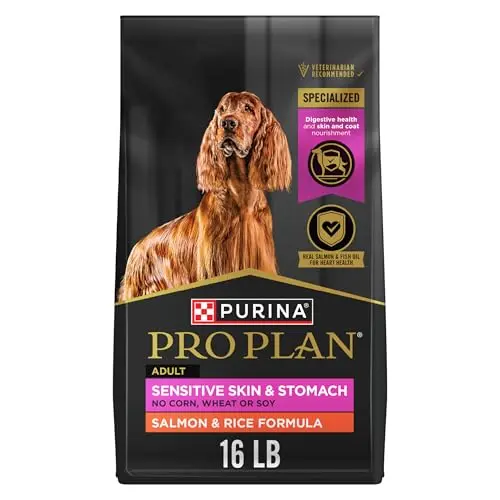
Sensitive Skin & Stomach Salmon & Rice – Gentle Digestion, Omega Rich
A top performer in our lineup, this salmon-first recipe is built for sensitive systems. It delivers high-quality fish protein, prebiotic fibre, and sunflower oil for skin and coat health – all without overloading your dog’s bowl with common irritants.
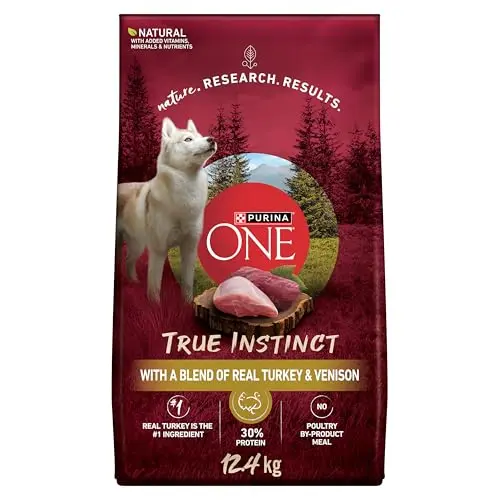
True Instinct Turkey & Venison – High Protein Novel Blend
When you need a protein source your dog’s system likely hasn’t encountered, this turkey-and-venison combo steps up. At 30% protein, it’s built for lean muscle maintenance while keeping ingredient quality front and centre.
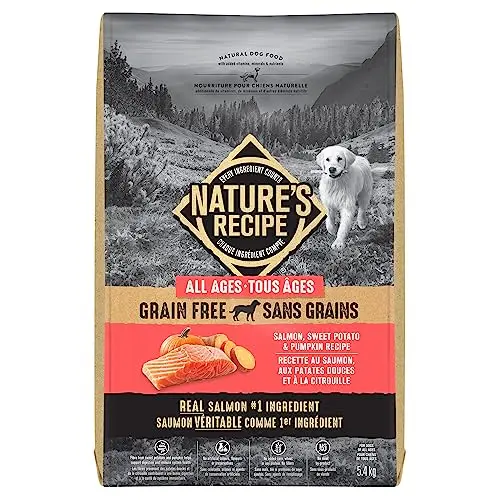
Grain Free Salmon, Sweet Potato & Pumpkin – Limited Ingredient Value
An affordable grain-free option that doesn’t skimp on the essentials: salmon as the first ingredient, no artificial additives, and pumpkin for a digestive cushion. It packs a lot of novel protein punch into a budget-friendly bag.
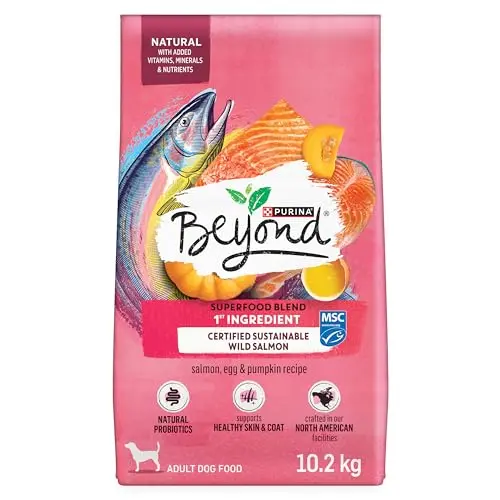
Superfood Blend Salmon, Egg & Pumpkin – Wholesome Limited Ingredient
This limited-ingredient recipe skips corn, wheat, and soy while leaning on wild-caught salmon and pumpkin. It’s a clean, straightforward option for dogs that benefit from fewer ingredients.
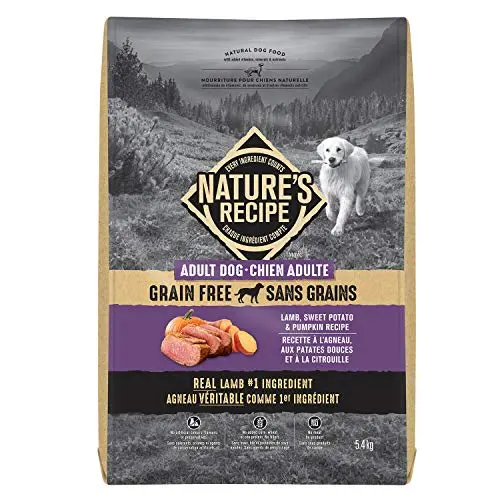
Grain Free Lamb, Sweet Potato & Pumpkin – Novel Protein for Sensitive Dogs
Lamb takes centre stage as a novel protein in this grain-free formula, with sweet potato and pumpkin rounding out a digestible, limited-ingredient diet that’s gentle on sensitive stomachs.
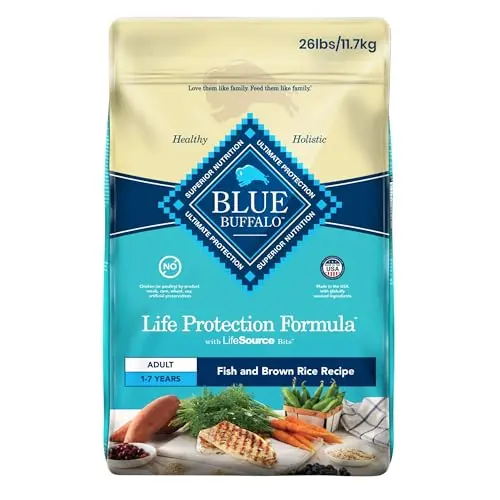
Life Protection Formula Fish & Brown Rice – Fish First, No Poultry
This recipe leads with deboned whitefish and avoids chicken or poultry by-products. The LifeSource Bits add a concentrated antioxidant boost, while brown rice provides a gentle whole-grain base.
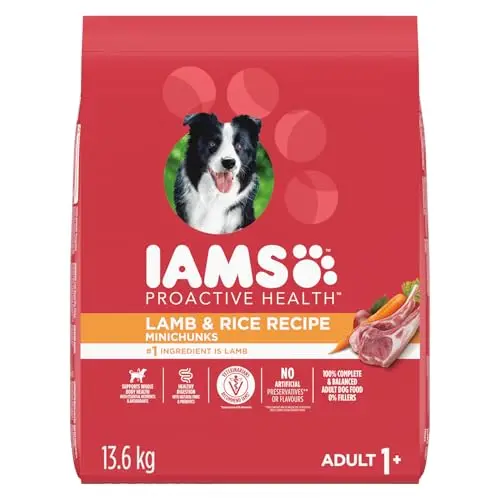
Proactive Health Minichunks Lamb & Rice – Dental & Digestive Support
A lamb-and-rice formula that addresses both novel protein needs and everyday health. The crunchy kibble scrubs teeth while prebiotics and beet pulp support digestion.
How We Evaluated These Dog Foods for Dogs with Mast Cell Tumours
We didn’t conduct feeding trials over extended periods to measure health outcomes. What we did: cross-referenced 7 dog food models from 6 distinct brands across 5 decision axes – novel protein sourcing, ingredient list length and quality, grain-free status, omega-3 content, and digestive support. We triangulated published specifications, owner feedback where available, and tumour-relevant dietary principles to build a picture of how each formula stacks up.
The scoring framework weighted real-world suitability (60%) – how well a food delivers on the novel protein and limited ingredient criteria that matter most for mast cell tumour management – against feature differentiation (40%) – unique advantages like extra immune support or joint-health add-ins. We have no commercial relationship with any of the brands featured; recommendations track fit and differentiation, not brand preference. If your dog is new to novel proteins, the Pro Plan Sensitive Skin & Stomach is our top pick; if venison feels like a smarter bet, the Purina ONE True Instinct gives you a unique double-novel blend.
How to Choose the Right Dog Food for Dogs with Mast Cell Tumours
What to Look for in a Dog Food for Mast Cell Tumours
The core strategy revolves around lowering the antigenic load – that is, reducing the number of unfamiliar or reactive proteins your dog’s body has to process. Look for a novel protein source (something your dog hasn’t eaten before, like venison, lamb, or salmon), a short ingredient list, and the absence of common triggers such as chicken, beef, corn, wheat, and soy. Omega-3 fatty acids add anti-inflammatory value, while prebiotics or pumpkin ease digestion.
Why Novel Proteins Matter
Dogs with mast cell tumours often have an overreactive immune system. Introducing a protein they’ve never encountered reduces the chance of an immune flare-up. Salmon, whitefish, duck, venison, and lamb all fit the bill – and you’ll find each represented in our lineup. If your dog has historically eaten chicken or beef, switching to a fish- or lamb-based kibble can be a meaningful first step.
Grain-Free vs. Grain-Inclusive: Does It Make a Difference?
There’s no universal rule that grain-free is better for mast cell disease, but some dogs with food sensitivities do better without grains. Our roundup includes both approaches so you can follow your vet’s advice. Grain-free options like the Nature’s Recipe picks swap grains for sweet potato and pumpkin, while grain-inclusive ones use oatmeal or brown rice – gentle carbohydrates that are less likely to provoke a reaction than wheat or corn.
The Role of Omega-3 Fatty Acids
Omega-3s, found in fish oil and flaxseed, dampen systemic inflammation – a useful bonus when a tumour is already driving inflammatory processes. Many of our top choices, like the Pro Plan Salmon & Rice, naturally include fish-derived omegas. Even the lamb-based formulas often supplement with flaxseed to boost these levels.
Limited Ingredient Diets: When Fewer Is Better
Simpler recipes with 10 or fewer main ingredients cut down on potential triggers. The Beyond and Nature’s Recipe formulas excel here – they list a protein, a carb, and a fibre source with minimal extras. This approach gives you a clearer baseline to see how your dog responds before introducing anything new.
Palatability and Transitioning
A food only works if your dog eats it. Dogs undergoing treatment may have a suppressed appetite, so finding a palatable kibble matters. Most of our picks rate well for taste, but be prepared to transition slowly over 7-10 days to avoid digestive upset. Start with 25% new food mixed with 75% old, then gradually shift the ratio.
Frequently Asked Questions
What's the difference between Pro Plan Sensitive Skin & Stomach and Purina ONE True Instinct?
The Pro Plan formula centres on salmon as a single novel protein and adds prebiotic fibre for digestive stability. The Purina ONE True Instinct takes a dual-novel approach with turkey and venison, delivering a higher overall protein percentage (30% vs. Pro Plan’s typical 26%). If your dog needs a gentler, fish-based meal with explicit sensitive-stomach tools, go Pro Plan. If you want to cast a wider novel-protein net and support muscle mass, the Purina ONE is the pick. Both avoid chicken and beef.
How does Nature's Recipe Grain Free compare to Beyond Superfood Blend?
Both use salmon as the anchor protein, but they diverge on grains. Nature’s Recipe is fully grain-free, using sweet potato and pumpkin as carbohydrate sources – ideal if you’re avoiding grains entirely. Beyond includes oatmeal and egg alongside wild-caught salmon, which makes it a limited-ingredient but not grain-free choice. If your vet recommends a grain-free path, Nature’s Recipe wins; if your dog handles oatmeal well and you want the amino acid boost of egg, Beyond is a strong alternative.
Are grain-free diets really better for dogs with mast cell tumours?
There’s no direct evidence that grain-free diets shrink tumours, but they can be helpful for dogs with concurrent food sensitivities or digestive issues. Because mast cell tumours are linked to histamine release, keeping the gut calm matters. A limited-ingredient, grain-free formula simplifies your dog’s diet and can help you identify other triggers. The key is finding a food your dog digests well – not whether it contains grains in absolute terms.
Can any of these foods help if my dog has other allergies?
Yes – most of our picks are built around novel proteins and limited ingredient decks, which is exactly what you want for allergy-prone dogs. The Pro Plan Salmon & Rice, Purina ONE Venison & Turkey, and Nature’s Recipe formulas all sidestep common allergens like chicken, beef, corn, wheat, and soy. If your dog has a known allergy to a specific protein, double-check the label – but in general, these recipes are designed for sensitive systems.
How should I transition my dog onto a new food?
Switching overnight can trigger diarrhoea or refusal, and a dog with a mast cell tumour doesn’t need extra stress on its system. Over 7-10 days, gradually increase the proportion of new food: start with 25% new, 75% old for 2-3 days; then move to 50/50; then 75% new; and finally 100%. Watch your dog’s stool and appetite. If you see looser stools, slow the transition. Hydration matters too – always keep fresh water available, especially with dry kibble.
Final Verdict
For most dogs with a mast cell tumour diagnosis, the Pro Plan Sensitive Skin & Stomach Salmon & Rice checks the most boxes: novel fish protein, proven digestive support, and high owner satisfaction. If you’re working with a tighter budget, the Nature’s Recipe Grain Free Salmon delivers clean, limited ingredients at a friendlier price. And when venison feels like the right protein pivot, the Purina ONE True Instinct offers a unique dual-novel blend that sets it apart. Wherever you land, the right food can help support your dog while you focus on the bigger treatment picture.