
There’s nothing quite like a crisp morning in the blind with your Labrador, tail wagging, eyes locked on the sky. But hours of swimming, retrieving, and shivering in cold water demand serious nutrition. The right dog food fuels that relentless drive, supports joints through years of hard work, and keeps your partner’s coat shedding water like it should.
We’ve looked across the market to find the best kibble for duck hunting Labs – food that delivers the high protein, joint-friendly ingredients, and healthy fats an active retriever needs. Whether you prioritize a large‑breed formula, grain‑free, or a budget‑friendly staple, this guide will help you pick the right bag.
Best Dog Food for Duck Hunting Labs – 2026 Reviews
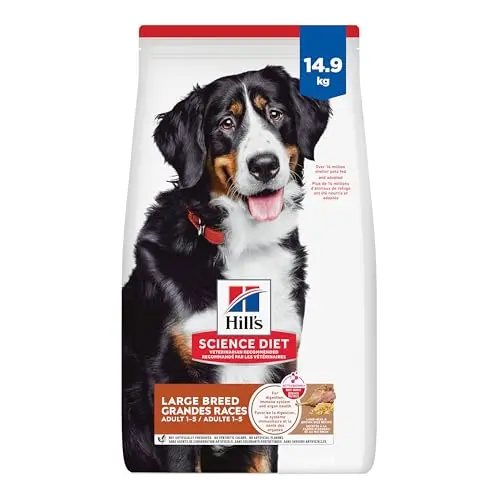
Adult Large Breed Lamb Meal & Brown Rice – Joint Support for Active Large Dogs
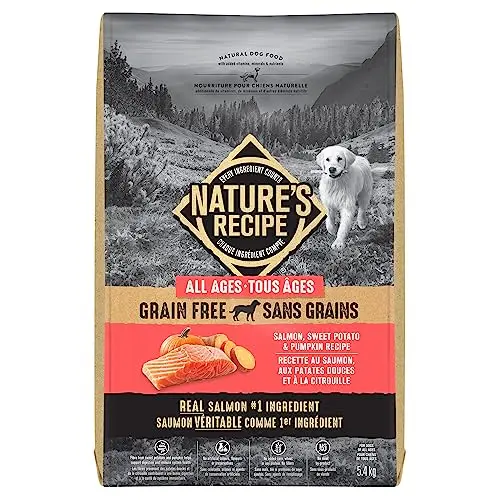
Grain Free Salmon, Sweet Potato & Pumpkin – Budget-Friendly Natural Nutrition
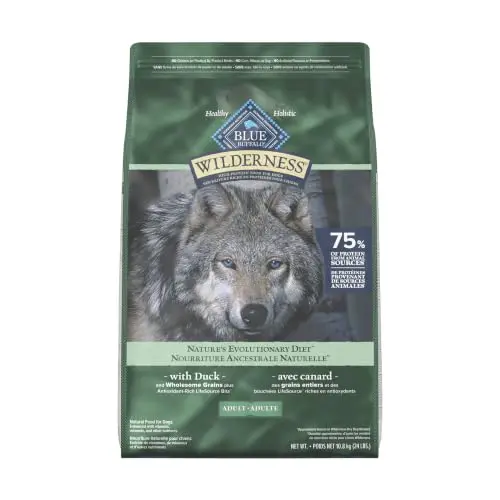
Wilderness with Duck – High-Protein Duck Recipe with Wholesome Grains
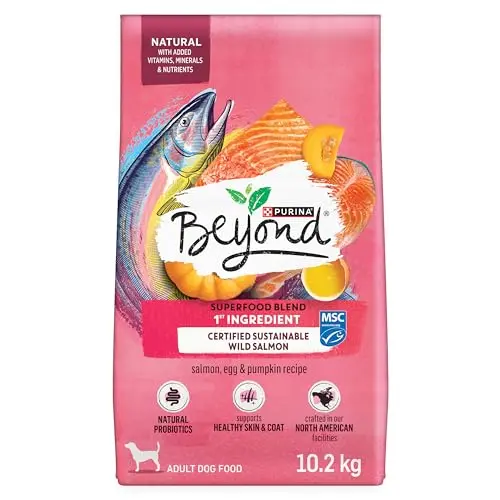
Superfood Blend Salmon, Egg & Pumpkin – Omega-Rich for Healthy Coat
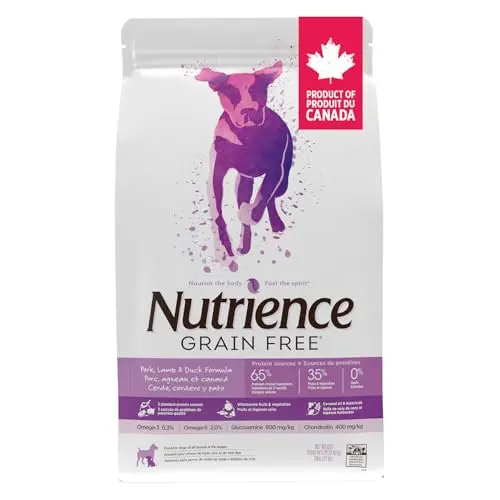
Grain Free Pork, Lamb & Duck – Multi-Protein with Joint Support
How We Evaluated These Dog Foods for Duck Hunting Labs
We didn’t run lab feeding trials or deploy decades of field work with hunting dogs. What we did: cross‑referenced 5 top‑selling dog foods from 5 distinct brands across 5 decision axes – protein quality, joint support, skin and coat health, ingredient transparency, and breed‑appropriate nutrition. We triangulated manufacturer specifications, aggregated owner feedback where available, and mapped each formula against the unique demands of a duck hunting Labrador (cold‑water retrieves, high energy output, and long‑term joint wear).
The scoring framework weighted real‑world performance for an active retriever (60%) – does the food deliver the muscle fuel, joint care, and coat protection a hunting Lab needs? – against feature differentiation (40%) – unique advantages like glucosamine content, multi‑protein blends, or grain‑inclusive energy sources. We have no commercial relationship with any of the brands featured; recommendations track fit and differentiation, not brand preference. If you’re feeding a duck dog that works hard every season, the Hill’s Science Diet Large Breed Lamb is the all‑around answer; if budget is top of mind, the Nature’s Recipe Salmon punches way above its price.
How to Choose the Right Dog Food for Duck Hunting Labs
Protein and Energy Needs for Working Labs
A duck hunting Lab burns through calories like a furnace. High‑quality animal protein (ideally 25‑30% or more of the formula) is non‑negotiable – it repairs muscle micro‑tears from swimming and lugging birds. Look for named meats (chicken, lamb, duck, salmon) as the first ingredient. In a blind, your dog may also need complex carbohydrates for sustained energy; grain‑inclusive recipes with oats or barley excel here, while grain‑free formulas rely on sweet potato or peas. The Blue Buffalo Wilderness duck formula, with its 34% protein, is purpose‑built for this demand.
Joint Support: Glucosamine and Chondroitin for the Long Haul
Years of pounding through marsh and jumping out of boats take a toll on hips and elbows. Glucosamine and chondroitin are the most studied joint‑support compounds, and several foods now include them directly. Hill’s Science Diet Large Breed and Nutrience Grain Free both have meaningful levels, helping maintain cartilage and reduce stiffness. If your food choice doesn’t include them, consider a daily joint supplement – but built‑in support is simpler and often more consistent.
Grain‑Free vs. Grain‑Inclusive: What's Right for Your Lab?
This debate rages in kennels. Grain‑free diets swap wheat, corn, and soy for legumes and potatoes, which can benefit dogs with specific allergies or sensitivities. However, many working Labs thrive on wholesome grains like oatmeal and brown rice, which provide steady energy without spiking blood sugar. For duck hunting, a grain‑inclusive food like Hill’s or Blue Buffalo may be preferable – it tends to offer a more sustained energy release during long, cold hunts. Pay attention to your individual dog’s stool quality and energy; there’s no one‑size‑fits‑all.
Essential Fats for Skin and Coat Protection
Cold water strips natural oils. Omega‑3 and omega‑6 fatty acids from fish oil, flaxseed, or chicken fat strengthen the skin barrier and keep the coat slick – essential for a dog that’s in and out of water all day. Beyond’s wild‑caught salmon recipe is a standout here, with naturally high omega‑3s. If your chosen food is lighter on these fats, a fish oil supplement can help, but it’s easier to start with a food that already prioritizes them.
Ingredient Quality and Allergen Considerations
Labs aren’t typically a fragile breed, but they can suffer from food allergies – usually to chicken, beef, or grain fillers. Check the ingredient list for whole, recognizable items and avoid anything with vague “meat meal” or artificial colours. Nutrience’s multi‑protein recipe spreads the risk by using pork, lamb, and duck, while Nature’s Recipe keeps things simple with a single salmon source. Transition slowly and watch for itching, ear infections, or digestive upset when switching formulas.
Portion Control and Feeding Schedule for Active Retrievers
Hunting Labs put on weight easily during the off‑season. Use the bag’s feeding guide as a starting point, then adjust based on body condition – you should feel ribs but not see them. Split meals into two feedings (morning and evening) to reduce bloat risk, and avoid heavy exercise right after eating. Consider a performance formula during hunting season with a slightly higher fat content to cover the extra calorie burn.
Frequently Asked Questions
What's the difference between Hill's Science Diet Large Breed and Blue Buffalo Wilderness for my Lab?
Both are excellent, but they take different approaches. Hill’s is a large‑breed‑specific formula with built‑in glucosamine and chondroitin, making joint health a priority right out of the bag. It uses lamb and brown rice, which is easy on digestion. Blue Buffalo Wilderness packs more protein (34% vs. 20‑25%) and leads with duck – a natural fit for a waterfowl retriever. Its wholesome grains (oatmeal, barley) give a sustained energy edge. For a dog already showing joint stiffness, Hill’s may be the safer bet; for an ultra‑active dog that needs maximum protein, Wilderness shines. Many owners rotate between the two based on the season.
Is grain‑free better for duck hunting Labs?
Not necessarily. Grain‑free diets have been under scrutiny for potential links to heart issues in some dogs, but the science isn’t settled. For a duck hunting Lab, the energy density and carbohydrate type matter more than the absence of grains. Whole grains like oatmeal provide a slow‑burn fuel that can keep your dog going through a long morning in the cold, whereas some grain‑free formulas rely on starchy pulses that may cause gas in large quantities. If your Lab has a confirmed grain allergy, go grain‑free – the Nutrience or Nature’s Recipe options are solid. Otherwise, a quality grain‑inclusive food likely provides more consistent energy.
How much should I feed my duck hunting Labrador?
Start with the feeding guide on the bag based on your dog’s ideal weight (usually 65‑80 lbs for a field Lab), then adjust by a half‑cup up or down every two weeks. During hunting season, you may need to increase portions by 20‑30% to cover the extra work – watch for weight loss or a constantly hungry dog. Divide the daily ration into two meals to prevent bloat. A good rule of paw: you should easily feel the ribs with a thin layer of fat over them. If the waist disappears, cut back.
Can I feed my Lab wet food instead of dry for duck hunting?
Wet food can be a great topper or mixer to boost palatability and hydration, but feeding it exclusively for a large, active dog gets expensive and messy. Dry kibble helps scrape plaque off teeth and is easier to store in a blind bag. If you go wet, choose a high‑protein, meat‑first option like Blue Buffalo’s duck and chicken cans, but use them as a supplement – about 20‑30% of the total diet – and rely on a quality dry food for the bulk of the calories.
What about raw or freeze‑dried foods for a hunting dog?
Raw and freeze‑dried diets (like Stella & Chewy’s patties) are protein‑dense and mimic a wild diet, but they come with challenges for a working Lab. Cost and storage become prohibitive when you’re feeding 80 lbs of dog – a small bag doesn’t last long. Freeze‑dried also requires rehydration, which is impractical at 5 a.m. in a duck boat. There’s also a higher risk of bacterial contamination if not handled properly. For most hunters, a high‑quality kibble with occasional raw toppers strikes the right balance of nutrition, convenience, and safety.
Final Verdict
For the majority of duck hunting Labs, the Hill’s Science Diet Large Breed Lamb is the clear front‑runner – it nails joint support, coat health, and large‑breed nutrition in one bag. If you’re watching your wallet, the Nature’s Recipe Salmon gives you real ingredients at a price that won’t sting. For the Lab that lives in fifth gear, the Blue Buffalo Wilderness Duck delivers the high‑protein punch and sustained grain‑inclusive energy you want. Whichever you choose, your partner will thank you when the ducks are flying.