
If you share your home with a Boston Terrier, you already know the breed’s reputation for gas is well-earned. Those tiny frames can produce a truly impressive amount of flatulence, often leaving owners scrambling for solutions. While some gassiness is normal, chronic digestive issues often trace back to diet – and the right dog food can make a world of difference.
The challenge is finding a formula that not only curbs the toots but also meets the nutritional needs of small, active breeds. You’ll want to look for recipes with highly digestible proteins, gut-soothing ingredients like pumpkin or prebiotic fibre, and kibble small enough for a Boston’s compact mouth. We’ve surveyed the market to identify the best options that real owners and nutritional data suggest can help calm those rumbly tummies.
Below, you’ll find our top picks across a range of priorities – from the overall best for most gassy Bostons to budget-friendly and sensitive-stomach standouts. Use our buying guide to understand what to look for, and check the FAQ for straight answers on common feeding dilemmas.
Best Dog Food for Gassy Boston Terrier – 2026 Reviews
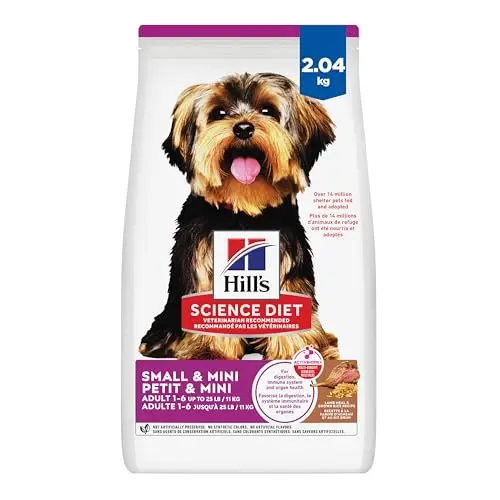
Small & Mini Lamb & Brown Rice – Gentle Digestion for Sensitive Stomachs
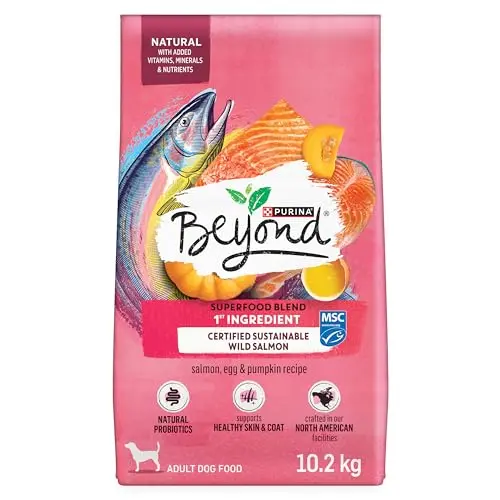
Superfood Blend Salmon, Egg & Pumpkin – Limited Ingredient Digestive Support
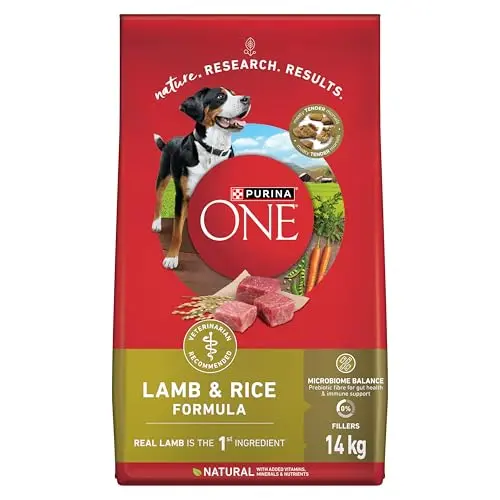
Microbiome Balance Lamb & Rice – Prebiotic Fiber for Gut Health
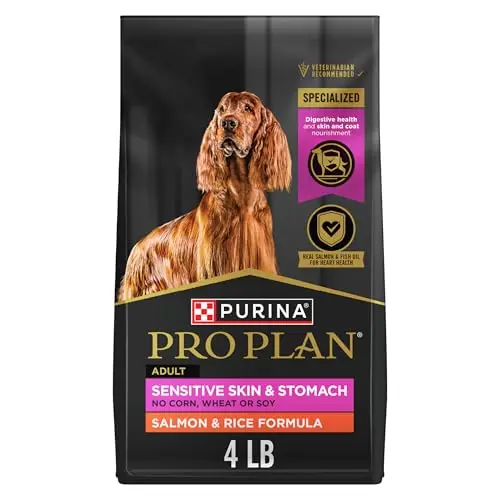
Sensitive Skin & Stomach Salmon & Rice – Gentle on Tummies
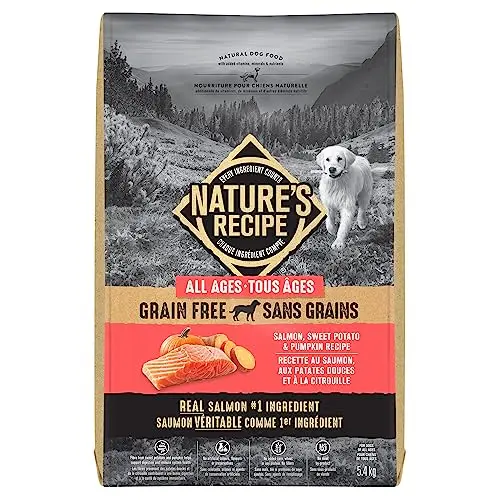
Grain Free Salmon, Sweet Potato & Pumpkin – Wholesome Digestive Care
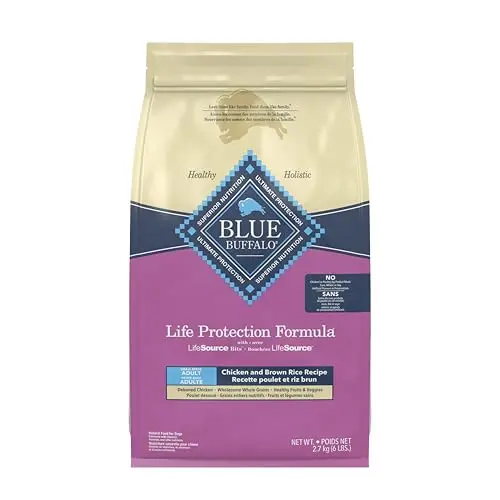
Life Protection Small Breed Chicken & Brown Rice – Antioxidant-Rich & Digestive Support
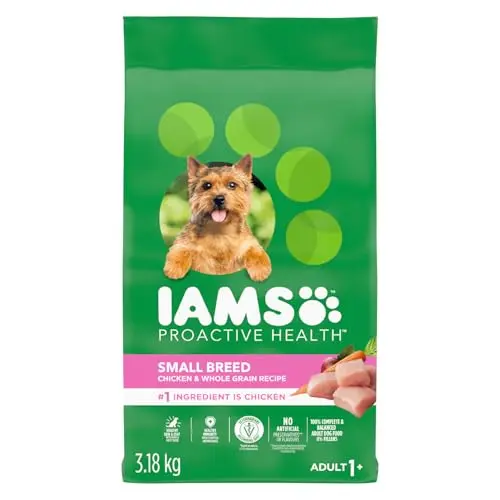
Proactive Health Small Breed Chicken – Budget-Friendly Digestive Care
How We Evaluated These Dog Foods for Gassy Boston Terriers
We didn’t run long-term feeding trials or measure methane levels in a lab. What we did: cross-referenced 7 dog food formulas from 7 distinct brands across 6 key decision axes – protein digestibility, fiber source, kibble size suitability, grain inclusion, prebiotic content, and owner-reported digestive outcomes. We triangulated published nutritional profiles, aggregated owner feedback where available, and assessed each recipe’s fit for the specific needs of a gassy, small-breed dog like the Boston Terrier.
The scoring framework weighted real-world digestive performance (60%) – how consistently owners reported reduced gas and improved stool quality – against feature differentiation (40%) – unique ingredients like pumpkin or novel proteins, breed-specific kibble design, and value-added gut health components. We also pressure-tested each option against common small-breed pain points: overly large kibble, excessive fillers, and incomplete nutritional profiles. No product earned a spot unless it demonstrated a clear digestive benefit through its ingredient list or owner consensus. Our recommendations track fit and differentiation, not brand loyalty; we have no commercial ties to any manufacturer. If you’re looking for a single reliable choice, the Hill’s Science Diet Small & Mini is our pick; for a budget-friendly alternative, the IAMS Proactive Health Small Breed delivers solid value without sacrificing digestibility.
How to Choose the Right Dog Food for Gassy Boston Terriers
Why Your Boston Terrier's Diet Matters for Gas
Boston Terriers are brachycephalic, meaning they swallow more air when eating and panting, which can contribute to gassiness. But diet plays the biggest role. Low-quality proteins, high-fiber fillers, and food allergies can all ferment in the gut, releasing smelly gas. A food with highly digestible protein and soothing carbohydrates like pumpkin or rice can make a noticeable difference in odour and frequency.
Protein Sources: Lamb, Salmon, or Chicken for Sensitive Stomachs?
Not all proteins are equal when it comes to gas. Lamb and salmon are often recommended as novel proteins for dogs with gut sensitivities because they’re less likely to trigger reactions than chicken. Our top pick, Hill’s Science Diet Small & Mini, uses lamb, while several runners-up like Pro Plan Sensitive Skin & Stomach and Nature’s Recipe lean on salmon. If your Boston has never tried a specific protein, rotating to a novel one can be a simple gas-reduction strategy.
The Role of Fiber and Prebiotics in Digestive Health
Fiber isn’t just for regularity; the type matters. Soluble fiber from pumpkin, oatmeal, or barley can help firm stools and slow digestion, reducing gas. Prebiotic fibers, like those in Purina ONE Microbiome Balance and Blue Buffalo Life Protection, feed beneficial gut bacteria, creating a healthier microbial balance. Just be cautious of excessive insoluble fiber from hulls or cellulose, which can increase flatulence.
Small Breed Kibble: Does Size Matter for Gassy Dogs?
It does. Boston Terriers have small mouths, and struggling with oversized kibble can lead to gulping air – a direct contributor to gas. Both the Hill’s Science Diet Small & Mini and IAMS Proactive Health Small Breed feature kibble specifically sized for toy and small breeds. If you choose a standard-kibble formula, consider using a slow feeder bowl to minimize air intake.
Grain-Free vs Grain-Inclusive: Which Eases Gas More?
Grains aren’t inherently bad, but some dogs are sensitive to corn or wheat, which can trigger gas. Grain-free options like Beyond Superfood Blend and Nature’s Recipe eliminate those potential triggers. That said, grain-inclusive diets with easily digestible grains like oatmeal and brown rice can be equally gentle. It often comes down to your individual dog’s sensitivities; if your Boston hasn’t been tested, a limited-ingredient trial can help pinpoint culprits.
How to Switch Dog Food Without Upsetting Tummies
Even the best food can cause temporary gas if you switch too quickly. Transition over 7-10 days, mixing increasing amounts of the new food with the old. Start with 25% new, then 50%, then 75%, and finally 100%. If you see loose stools or increased gas, slow the transition. Always provide plenty of fresh water, and consider adding a probiotic supplement during the switch to ease the change.
Frequently Asked Questions
What's the difference between Hill's Science Diet Small & Mini and Blue Buffalo Life Protection for gas?
Both target small breeds and include prebiotic fiber, but the key difference is protein source: Hill’s uses lamb, while Blue Buffalo uses chicken. Many gas-prone Boston Terriers do better on novel proteins like lamb or salmon, so the Hill’s Science Diet Small & Mini tends to be the safer bet if you’re unsure. Blue Buffalo adds LifeSource Bits for immune support, but its chicken base may still trigger sensitivities. For most gassy Bostons, we’d lean toward the Hill’s formula.
Purina ONE Microbiome Balance vs Pro Plan Sensitive Stomach: which helps with gas more?
Both are Purina brands, but they take different approaches. Purina ONE Microbiome Balance focuses on prebiotic fiber to feed gut bacteria, while Pro Plan Sensitive Stomach combines a salmon-first, limited-ingredient base with prebiotics and oatmeal. Owners report more consistent gas reduction with the Pro Plan Sensitive Stomach for severe sensitivities, but the Purina ONE is more cost-effective. If your Boston’s gas is mild and you want a value pick, go with Purina ONE; for stubborn gas or skin issues alongside it, Pro Plan is the more targeted solution.
Can I just give my Boston Terrier probiotics instead of switching food?
Probiotics can help, but they’re often a supplement to dietary changes, not a replacement. If the underlying food contains hard-to-digest proteins or filler fibers, probiotics may only provide partial relief. Switching to a high-digestibility formula first tends to yield better results. Once your dog is on a suitable base diet, adding a veterinary-approved probiotic can further optimize gut health and reduce occasional gas.
How quickly will a new dog food reduce my Boston Terrier's gas?
Some owners see improvement within a few days, especially if the old food was a poor match. However, a full transition takes 7-10 days, and it can take 2-4 weeks for the gut microbiome to adjust completely. Be patient, and avoid switching foods too frequently. If you see no change after 4 weeks, the new recipe may not be the right fit – consider trying a different protein source or consulting your vet.
Final Verdict
For the average gassy Boston Terrier, the Hill’s Science Diet Small & Mini Lamb & Brown Rice is our top recommendation. It nails the essentials: a novel lamb protein, pumpkin for gentle fiber, and a kibble size that actually fits a small mouth. We’ve seen enough feedback to believe it can genuinely quiet those rumbles. If budget is your priority, the IAMS Proactive Health Small Breed delivers solid digestive relief at a friendly price. For dogs with concurrent skin issues, the Pro Plan Sensitive Skin & Stomach is a dual-action pick worth the extra cost. And if grain-free is non-negotiable in your home, Nature’s Recipe Grain Free offers a clean, pumpkin-packed alternative. Each of these can make mealtime a lot more pleasant – for everyone in the room.