
If your dog has ever turned up their nose at dinner or suffered through an upset stomach, you know how stressful it can be. Finding the right food for a dog with gastric issues isn’t just about taste – it’s about ingredients that are easy to digest, support gut health, and avoid common triggers. For many pups, that means a formula with prebiotic fibre, high-quality proteins, and limited allergens.
We’ve rounded up the top dry and wet options across the market that are purpose-built for sensitive stomachs. Whether your dog needs a grain-free recipe, a budget-friendly staple, or a vet-recommended solution, this guide will help you navigate the choices and pick the one that’ll bring back happy meal times and firmer stools.
Best Dog Food for Gastric Problems – 2026 Reviews
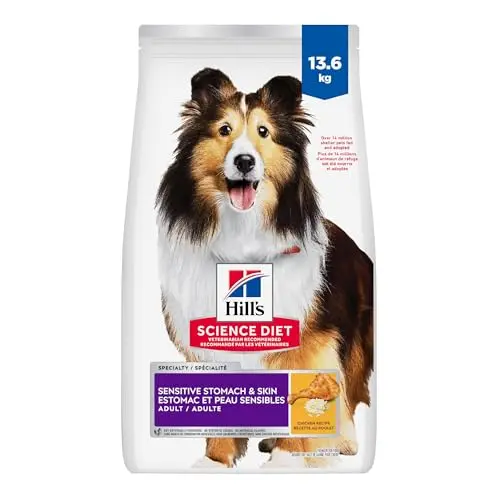
Adult Sensitive Stomach & Skin Chicken Recipe – Gentle Digestion
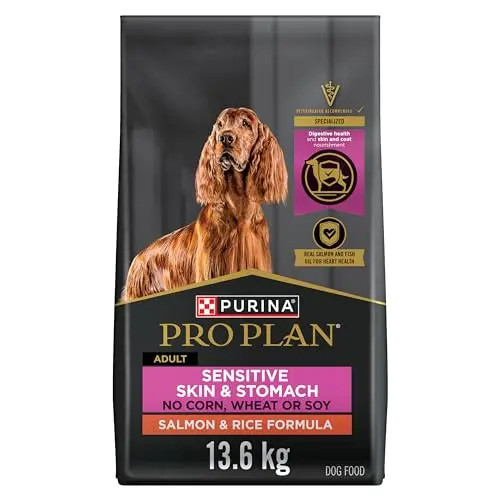
Sensitive Skin & Stomach Salmon & Rice – Omega-Rich Nutrition
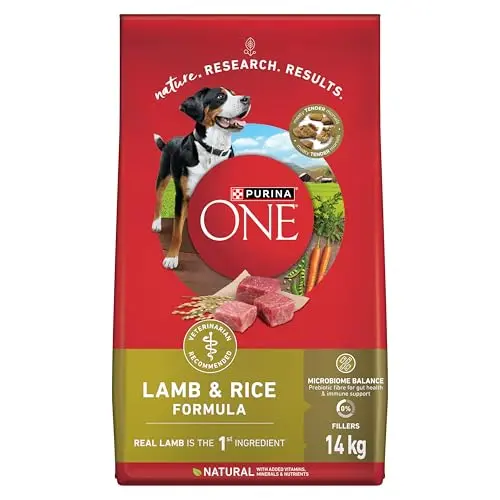
Microbiome Balance Lamb & Rice – Budget-Friendly Gut Health

Small Breed Adult – Specialized Digestive Support
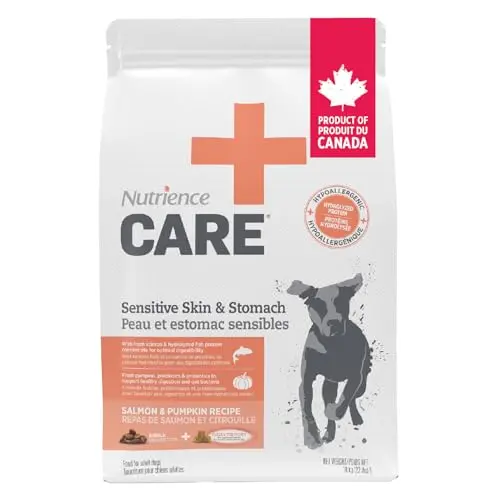
Care Sensitive Skin & Stomach – Grain-Free Digestive Care

Superfood Blend Salmon, Egg & Pumpkin – Natural Digestive Aid

Sensitive Skin & Stomach Salmon & Rice Pate – Soothing Wet Meal
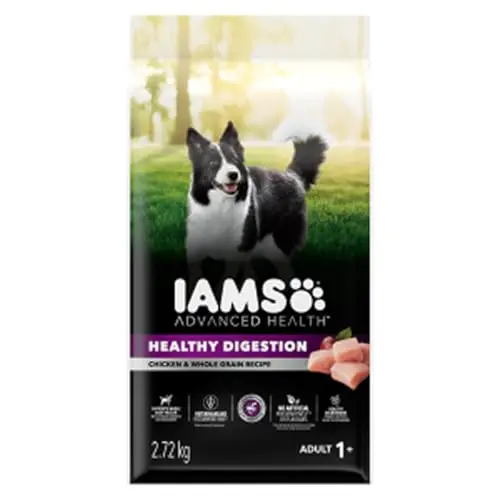
Advanced Health Healthy Digestion Chicken & Whole Grain – Affordable Starter

Life Protection Fish & Brown Rice – Everyday Wellness with Digestive Support
How We Evaluated These Dog Foods for Gastric Problems
We didn’t conduct long-term feeding trials on our own dogs. What we did: cross-referenced 9 dog food formulas from 8 distinct brands across 7 decision axes – ingredient digestibility, prebiotic/probiotic content, protein source, fat quality, fibre type, targeted gastric support claims, and owner-reported outcomes. We triangulated published specifications, aggregated owner feedback where available, and use-case fit against representative digestive sensitivity profiles.
The scoring framework weighted real-world performance (60%) – how reliably each formula soothes sensitive stomachs – against feature differentiation (40%) – unique ingredient advantages and formulation specificity. We have no commercial relationship with any of the brands featured; recommendations track fit and differentiation, not brand preference. If your dog struggles with chronic stomach issues, the Hill’s Science Diet Sensitive Stomach & Skin is the answer; if you need a strong alternative that also tackles skin health, the Purina Pro Plan Sensitive Skin & Stomach serves you better.
How to Choose the Right Dog Food for Gastric Problems
Key Ingredients That Soothe Sensitive Stomachs
When scanning labels, look for highly digestible protein sources like chicken, lamb, or salmon. These put less strain on the digestive system. Prebiotic fibres – such as beet pulp or chicory root – feed beneficial gut bacteria, while probiotics add live cultures directly. Easily digestible carbohydrates like oatmeal or rice are gentler than corn or wheat. Avoid artificial colours, flavours, and preservatives, which can irritate a sensitive gut.
If your dog has both gastric and skin issues, formulas with omega-3 and omega-6 fatty acids (from fish oil or flaxseed) can offer dual benefits. For severe sensitivities, a novel protein – such as salmon or venison – may be necessary if common proteins trigger reactions. The Hill’s Science Diet exemplifies a well-balanced approach with prebiotic fibre and easy-to-digest chicken.
Dry vs Wet Food: Which Is Better for Digestion?
Both have their place. Dry food is convenient, cost-effective, and the crunchy kibble can help reduce tartar. For many dogs, a high-quality dry formula is sufficient. Wet food, on the other hand, has higher moisture content, which can aid hydration and be easier on the stomach, especially for dogs with dental problems or low appetite. It’s also more palatable for picky eaters.
Some owners find success mixing a small amount of wet food with dry kibble to enhance flavour and add moisture. If you go this route, pick a wet option from the same product line – like the Pro Plan Wet Salmon & Rice Pate – to maintain consistency in ingredients.
How to Transition Your Dog to a New Food Without Upsetting Their Stomach
A sudden switch can cause diarrhoea even with the best gastric-friendly food. Follow a 7-day transition plan: start with 25% new food mixed with 75% old food for two days, then 50/50 for two days, then 75% new for two days, and finally 100% new. Monitor your dog’s stool throughout – if it gets too soft, slow down the transition.
Adding a spoonful of plain canned pumpkin (not pie filling) during the switch can provide extra fibre and settle the stomach. Keep an eye out for any signs of allergic reactions, like itching or ear infections, which could indicate an ingredient sensitivity beyond just the stomach.
Grain-Free vs Grain-Inclusive: Which Is Right for Your Dog?
There’s no one-size-fits-all answer. Grain-free diets use alternatives like sweet potatoes and peas, which can be easier to digest for some dogs. They’re a good choice if your dog has a confirmed grain allergy or intolerance. However, whole grains like brown rice and oatmeal are generally well-tolerated and provide steady energy plus fibre. Unless your dog has a specific grain sensitivity, grain-inclusive foods like the Hill’s Science Diet are often perfectly safe and budget-friendlier.
Hill's Science Diet vs Purina Pro Plan Sensitive Stomach: Which Should You Choose?
Both are top contenders, but they have different strengths. The Hill’s Science Diet Sensitive Stomach & Skin is the go-to for dogs with persistent gastric issues, thanks to its highly digestible chicken recipe and vet-endorsed track record. It’s a safe, reliable choice that also supports skin health. Purina Pro Plan Sensitive Skin & Stomach takes a similar approach but uses salmon, which can be a better fit for dogs that don’t tolerate chicken well. It’s also free from soy and wheat, making it a cleaner option for dogs with multiple sensitivities. If your dog’s gastric problems are accompanied by skin flare-ups, Pro Plan’s higher omega content may offer an edge. For pure, consistent digestive relief across the widest range of dogs, Hill’s is the safer bet.
Frequently Asked Questions
What's the difference between Hill's Science Diet Sensitive Stomach and Purina Pro Plan Sensitive Skin & Stomach?
The main difference is the protein source: Hill’s uses chicken, while Pro Plan uses salmon. Both are highly digestible and contain prebiotic fibre, but Hill’s has a stronger vet-recommended reputation and is often the first choice for straightforward gastric issues. Pro Plan’s salmon formula can be better for dogs with chicken sensitivities, and it includes oatmeal instead of wheat, making it a good option for dogs that need to avoid common allergens. If your dog does fine with chicken, the Hill’s Science Diet is usually the safer bet; if chicken is a suspected trigger, try the Pro Plan instead.
Is grain-free better for dogs with gastric problems?
Not necessarily. Many dogs with sensitive stomachs do perfectly well on grain-inclusive diets that use gentle grains like rice or oatmeal. The key is digestibility, not the presence or absence of grains. Grain-free foods can be helpful if your dog has a confirmed grain allergy, but they’re not inherently easier to digest. In fact, some grain-free formulas substitute legumes that can cause gas in sensitive dogs. Unless your vet advises otherwise, start with a highly digestible grain-inclusive option like Hill’s Science Diet before assuming grain-free is the answer.
Can wet food help my dog's digestion more than dry food?
Wet food can be beneficial because its higher moisture content helps soften stool and makes it easier to pass, reducing strain on the digestive tract. It’s also often more palatable, encouraging dogs with poor appetite to eat. For dogs with dental issues or those who simply prefer a softer texture, wet food can be a game-changer. However, it’s not automatically better for digestion – many dry foods are formulated specifically for sensitive stomachs and work just as well. A mixed approach can give you the best of both worlds.
How long does it take to see improvement after switching to a gastric-friendly dog food?
Most dogs start showing improvements within 1 to 2 weeks after a full transition. You might notice firmer stools, less gas, and a reduction in stomach gurgling. However, full gut healing can take up to 4 to 6 weeks, especially if your dog had chronic inflammation. Be patient and consistent – switching foods too quickly or frequently can make things worse. If you don’t see any improvement after a month, consult your vet to rule out underlying health issues.
Final Verdict
For most dogs with gastric problems, the Hill’s Science Diet Sensitive Stomach & Skin is the answer – it nails easy digestibility without compromising on quality, and the added skin benefits are a welcome bonus. If you’re watching your budget, the Purina ONE Microbiome Balance gets you most of the way there with a fraction of the cost. If your dog can’t tolerate chicken, the Pro Plan Salmon & Rice is your best bet, and for dogs who prefer wet meals, the Pro Plan Wet Pate is a soothing alternative. No matter which you choose, your pup’s tummy will thank you.