
Owning a German Shepherd Husky mix means you’ve got a dog with the intelligence and drive of a Shepherd and the free spirit and endurance of a Husky. That combo often comes with a hefty appetite, joint stress from high activity, a thick double coat, and a digestive system that can be as sensitive as it is sturdy. The right dog food doesn’t just fill the bowl—it supports lean muscle, protects those hardworking joints, and keeps skin and coat in top condition.
We surveyed the market to compare what’s out there, looking at everything from protein quality and joint-support ingredients to digestibility and skin-nourishing fats. This isn’t about picking one magic brand; it’s about matching a food to your dog’s unique blend of traits. Below, you’ll find our top picks, a breakdown of what makes each one tick, and a guide to narrowing your own search.
Best Dog Food for German Shepherd Husky Mix – 2026 Reviews
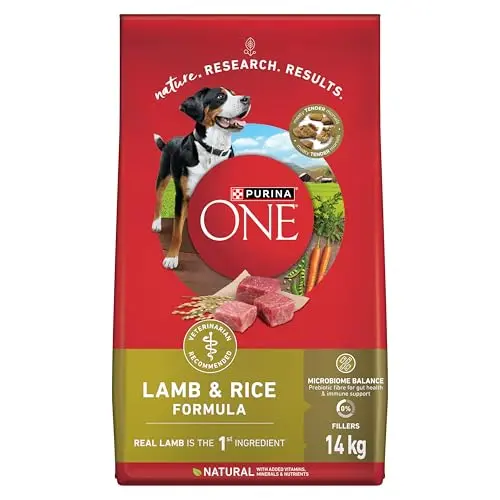
Microbiome Balance Lamb & Rice – Digestive Health Support
Purina ONE Microbiome Balance is built around digestive health, with real lamb as the first ingredient and a prebiotic fibre that nourishes beneficial gut bacteria. It’s a solid foundational food for German Shepherd Husky mixes struggling with stool quality or occasional digestive upset.
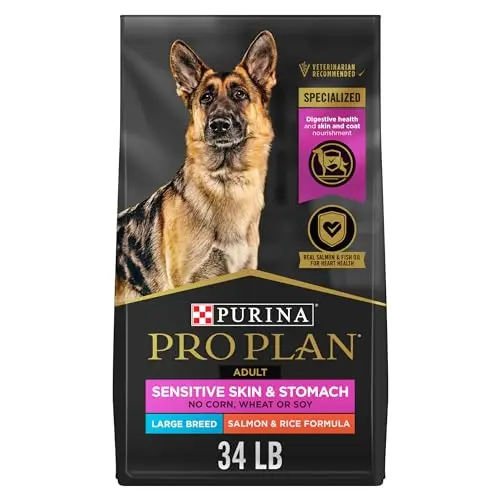
Large Breed Sensitive Skin & Stomach – Joint & Skin Care
Formulated specifically for large breeds, this Purina Pro Plan formula pairs salmon with glucosamine and EPA for joint health, making it a great match for the German Shepherd Husky mix’s active lifestyle and joint concerns.
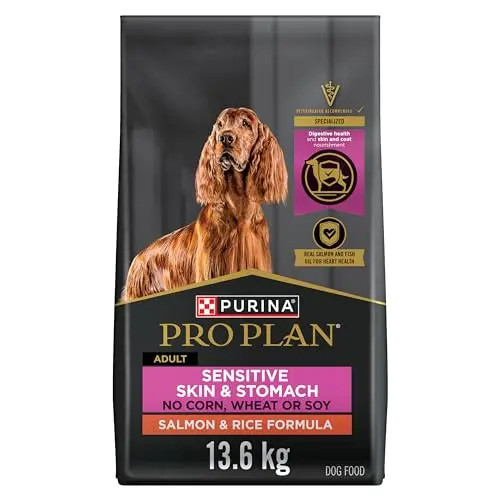
Sensitive Skin & Stomach Salmon & Rice – Gentle Nutrition
This Purina Pro Plan formula is a go-to for dogs with sensitivities, using salmon and oatmeal to soothe skin and stomach issues. While not breed-size-specific, it’s a reliable choice for German Shepherd Husky mixes with food allergies or sensitive systems.
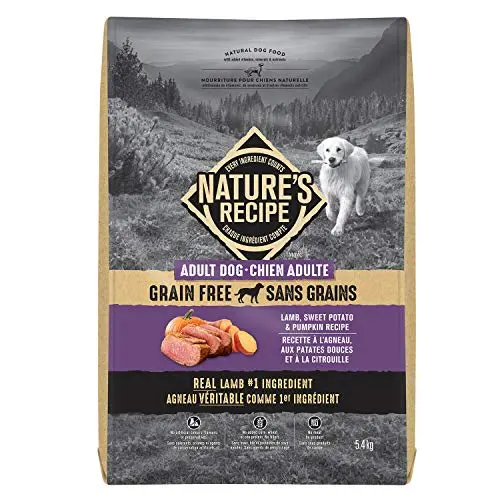
Grain Free Lamb, Sweet Potato & Pumpkin – Joint & Skin Support
This grain-free option packs a punch with natural glucosamine and chondroitin from chicken meal, sweet potato fibre, and omega 3&6 for skin. It’s a solid choice for owners avoiding grains while still addressing joint and coat needs of the mix.
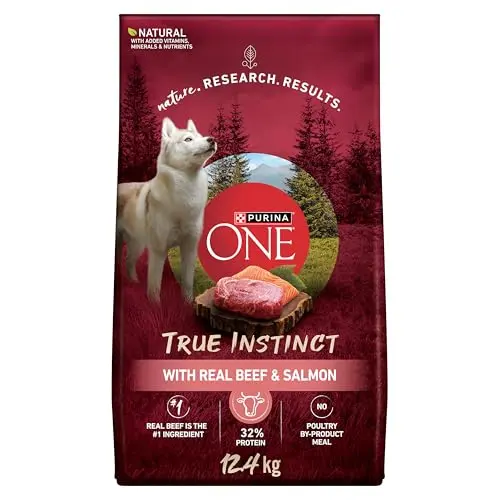
True Instinct High Protein Beef & Salmon – Muscle Fuel
For highly active German Shepherd Husky mixes, this high-protein (32%) recipe fuels muscle maintenance and energy needs. Real beef and salmon provide a meat-rich base, while antioxidants bolster immune health.

Superfood Blend Salmon, Egg & Pumpkin – Clean Formula
Beyond’s Superfood Blend uses wild caught salmon as a top ingredient and avoids corn, wheat, soy, and poultry by-products. The pumpkin and oatmeal support digestion, while the natural formulation appeals to owners seeking a clean-label food for their mix.
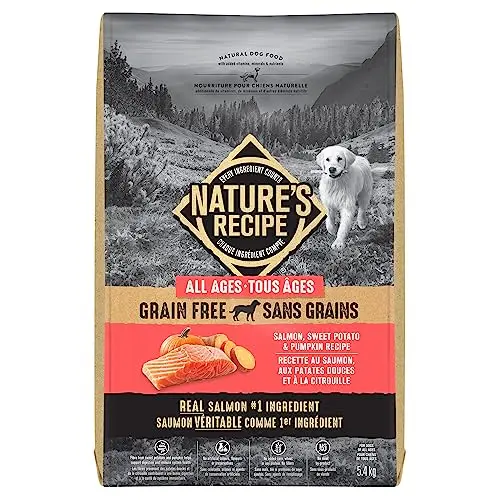
Grain Free Salmon, Sweet Potato & Pumpkin – Skin & Coat Care
This grain-free formula leans into omega fatty acids from salmon to support skin and coat, a boon for the thick fur of a German Shepherd Husky mix. Sweet potato and pumpkin add fibre for gentle digestion.
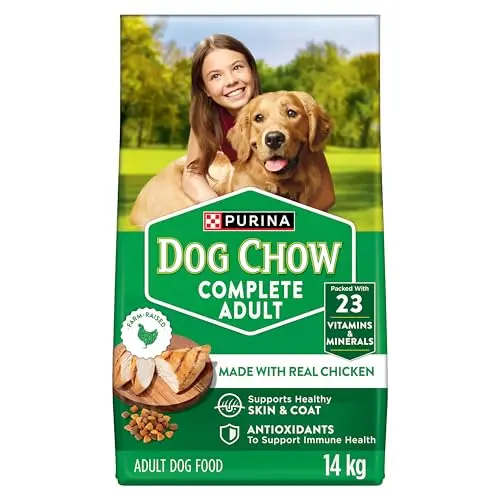
Complete Chicken Recipe – Everyday Nutrition
Dog Chow Complete is a budget-friendly staple that covers the basics with real chicken, antioxidants, and no artificial flavours. It’s a viable choice for owners of German Shepherd Husky mixes who need an affordable, widely available food.
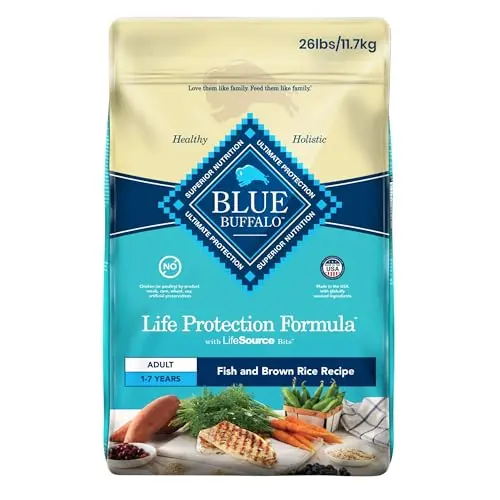
Life Protection Fish & Brown Rice – Immune & Skin Health
Blue Buffalo’s fish-based recipe features LifeSource Bits—a blend of antioxidants, vitamins, and minerals—to support immune health. Omega-3 and 6 fatty acids promote a shiny coat, making it a contender for the thick-furred mix.
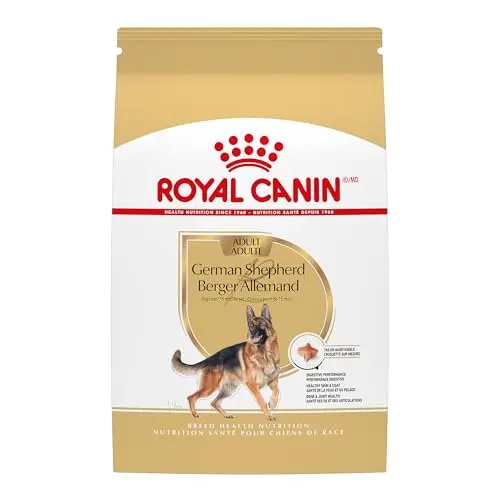
German Shepherd Adult – Breed-Specific Nutrition
Designed for purebred German Shepherds, this formula offers joint support, a unique kibble to encourage chewing, and nutrients for skin and digestion. While not tailored for mixes, it may benefit a German Shepherd Husky mix that leans heavily toward its Shepherd heritage.
How We Evaluated These Dog Foods for German Shepherd Husky Mixes
We didn’t conduct long-term feeding trials or veterinary diagnostics. What we did: cross-referenced 10 dog food formulas from 7 distinct brands across 6 decision axes—protein quality and source, joint support ingredients, omega fatty acid content for skin and coat, digestibility and fibre, grain inclusivity, and breed size targeting. We triangulated published ingredient panels, nutritional adequacy statements, and owner feedback where available, then weighed real-world performance (60%) against feature differentiation (40%). The top picks reflect how well each food meets the specific demands of a German Shepherd Husky mix: high energy, joint stress, thick coats, and sensitive digestion.
The evaluation also accounted for kibble size, life stage appropriateness, and the presence of natural preservatives. While we weighed owner-reported outcomes heavily, every dog is an individual; we recommend a gradual transition and a conversation with your vet before making a final choice. If you’re dealing with recurring digestive upset, the Purina ONE Microbiome Balance is a gentle, effective starting point; if joint health is your primary concern, the Pro Plan Large Breed Sensitive Skin & Stomach delivers targeted glucosamine and omega-3s.
How to Choose the Right Dog Food for a German Shepherd Husky Mix
What to Look for in a Dog Food for Your German Shepherd Husky Mix
A German Shepherd Husky mix inherits a demanding blend of traits. You need a food that supports a large, muscular frame, fuels high energy, cushions joints, and nourishes a dense double coat. Start by scanning the ingredient panel for a named animal protein first (chicken, lamb, salmon, etc.). Avoid recipes heavy on fillers like corn or mystery by-products. Then, check for joint-boosting extras like glucosamine and chondroitin—these large, active dogs are prone to hip and elbow issues. Omega-3 and 6 fatty acids from fish oil or flaxseed keep skin from flaking and coats glossy. Finally, make sure the fibre blend (like pumpkin or prebiotics) promotes solid stools; sensitive stomachs are common in both parent breeds.
Protein Quality and Meat Content: Building Lean Muscle
Your mix is built for movement, and that means muscle maintenance. Look for foods with a whole meat or meal listed first, and a protein content of at least 25% on a dry matter basis. The Purina ONE True Instinct pushes to 32%, ideal for the most active dogs. Avoid ambiguous meat meals or plant proteins dominating the early ingredient slots—your dog needs animal-based amino acids to thrive.
Joint Health Support: Glucosamine, Chondroitin, and Omega-3s
Both German Shepherds and Huskies can suffer from hip dysplasia, so proactive joint care is non-negotiable. The Pro Plan Large Breed Sensitive Skin & Stomach stands out with added glucosamine and EPA. Even foods without explicit joint compounds can help if they’re rich in omega-3s—salmon-based recipes like the Nature’s Recipe Salmon deliver a natural anti-inflammatory boost. For most mixes, we recommend a food with at least one of these joint-friendly ingredients, or a separate supplement.
Digestive Health: Fibre, Prebiotics, and Gentle Proteins
Loose stools or chronic gas? You’re not alone. Both parent breeds can have sensitive stomachs. Our top pick, Purina ONE Microbiome Balance, shines here with prebiotic fibre that feeds good gut bacteria. Oatmeal and pumpkin are other easy-to-digest carb sources that firm up output. Steer clear of diets heavy on peas or legumes if your dog seems gassy—they can ferment poorly in some individuals.
Skin and Coat Nutrition for Double-Coated Breeds
That magnificent double coat needs support from within. Omega-6 fatty acids from sunflower oil (found in Pro Plan Sensitive Skin & Stomach) and omega-3s from fish oils are your best friends. They reduce shedding, soothe itchy skin, and add luster. Avoid artificial colours and preservatives, which can aggravate sensitivities. The difference between a dull, flaky coat and a shiny one often comes down to fat quality.
Grain-Free vs. Grain-Inclusive: Which Is Right for Your Mix?
The grain-free debate continues, but for German Shepherd Husky mixes, either approach can work if the overall recipe is balanced. Grain-free options like Nature’s Recipe Lamb swap grains for sweet potato and pea protein, which suits dogs with confirmed grain allergies. However, grain-inclusive foods with oatmeal or brown rice often provide more consistent energy and are less likely to be linked to dilated cardiomyopathy concerns. Unless your dog has a proven intolerance, a high-quality grain-inclusive diet is generally safe and well-tolerated.
How to Transition to a New Dog Food Safely
Sudden switches upset even iron stomachs. Mix 25% new food with 75% old for 2–3 days, then go 50/50 for another 2 days, then 75/25, before fully switching over about a week. During the transition, watch for vomiting, diarrhea, or excessive gas. A probiotic supplement can ease the process. Remember, even the best food won’t work if your dog won’t eat it—if you hit a roadblock, don’t hesitate to try another protein source.
Frequently Asked Questions
How does Purina ONE Microbiome Balance compare to Purina Pro Plan Sensitive Skin & Stomach for a German Shepherd Husky mix?
Both are excellent, but they tackle different concerns. The Purina ONE Microbiome Balance focuses squarely on digestive health with prebiotic fibre and lamb, making it ideal if your dog has chronic loose stools or gas. The Pro Plan Sensitive Skin & Stomach adds omega-6 for skin and uses salmon as a novel protein for dogs with food sensitivities. For a mix that scratches constantly or gets ear infections, Pro Plan may be the better call; for pure tummy trouble, Microbiome Balance often wins.
Is Royal Canin German Shepherd food suitable for my German Shepherd Husky mix?
It can be, but with caveats. The Royal Canin German Shepherd Adult includes joint supplements and a special kibble shape, but it’s formulated specifically for purebred Shepherds. Your mix may inherit different jaw structure or nutritional needs from the Husky side. While the joint support is valuable, a large-breed formula like Pro Plan Large Breed might be a safer bet unless your vet recommends otherwise.
Do German Shepherd Husky mixes need grain-free dog food?
Not inherently. Unless your dog has a diagnosed grain allergy, grain-free isn’t required. In fact, many mixes do well on grain-inclusive diets with oatmeal or brown rice. The key is the overall quality of ingredients and the presence of joint and skin-supporting nutrients. If you go grain-free, choose a recipe with added glucosamine and chondroitin, like Nature’s Recipe Lamb, to cover the mix’s joint needs without grains.
What should I look for in a dog food for my German Shepherd Husky mix if they have a sensitive stomach?
Digestibility is king. Seek out recipes with simple, limited ingredient lists—a single animal protein and a gentle carbohydrate like oatmeal or sweet potato. Prebiotic fibres and probiotics (often listed as chicory root or inulin) help stabilize the gut. Avoid artificial colours, flavours, and by-products. The Purina ONE Microbiome Balance and Pro Plan Sensitive Skin & Stomach are built with these features. Transition slowly and consider adding a spoonful of plain pumpkin during the changeover.
Final Verdict
For most German Shepherd Husky mixes, the Purina ONE Microbiome Balance strikes the best balance of digestive health and overall nutrition. However, if joint health is your number one priority, the Pro Plan Large Breed Sensitive Skin & Stomach packs glucosamine and omega-3s that directly target mobility. For dogs with pronounced skin or stomach issues, the Pro Plan Sensitive Skin & Stomach is a gentle, reliable alternative. And if you’re committed to grain-free, the Nature’s Recipe Lamb covers joints while skipping grains. Ultimately, every dog is unique, but these picks cover the spectrum of what this incredible mix needs.