
Your German Shepherd Pitbull mix is a bundle of energy and smarts, but that powerful build comes with specific dietary needs. Both parent breeds are prone to joint issues and sensitive stomachs, so the food you choose plays a huge role in your dog’s long-term health.
The right formula should support strong joints, keep digestion on track, and provide enough high-quality protein to fuel all those zoomies-without triggering the allergies or skin flare-ups that Pitbulls famously deal with. It’s a tall order, but the best dog foods for this mix hit all those marks.
We’ve compared top options from major brands, zeroing in on formulas that actually deliver on joint care, digestibility, and overall nutrition. Whether your pup leans more Shepherd or Pit, these picks will help you make a confident choice.
Best Dog Food for German Shepherd Pitbull Mix – 2026 Reviews
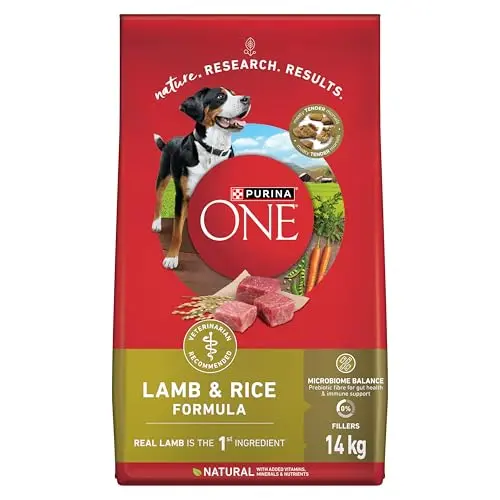
Microbiome Balance Lamb & Rice – Digestive Health for Active Dogs
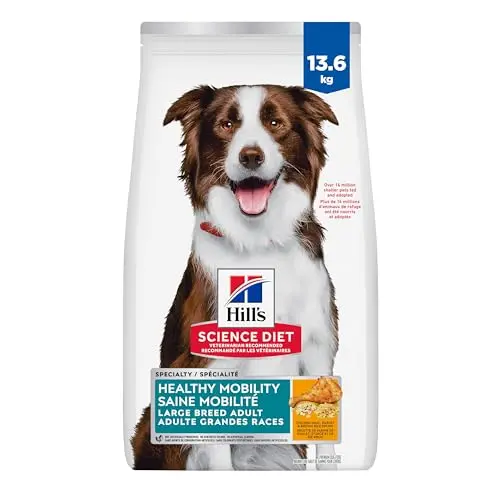
Healthy Mobility Large Breed – Joint Support for Active Dogs
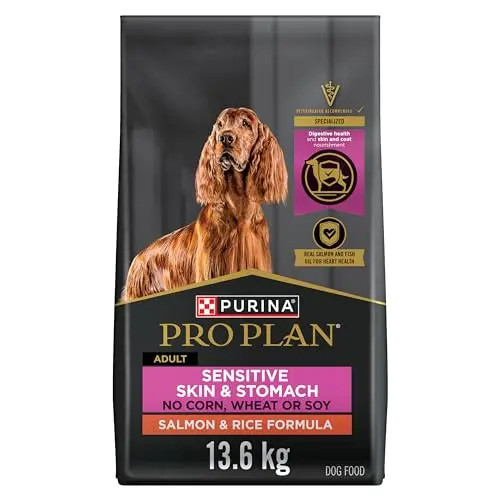
Sensitive Skin & Stomach Salmon & Rice – Allergy-Friendly Nutrition
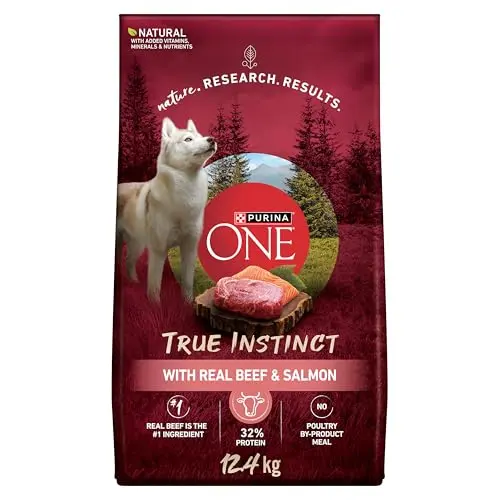
True Instinct High Protein Beef & Salmon – Fuel for Active Dogs
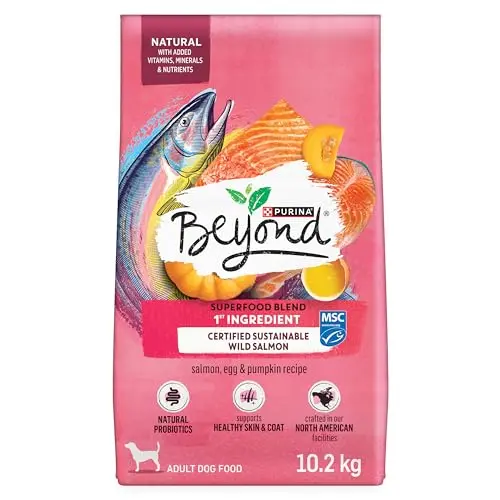
Superfood Blend Salmon, Egg & Pumpkin – Clean, Grain-Free Nutrition
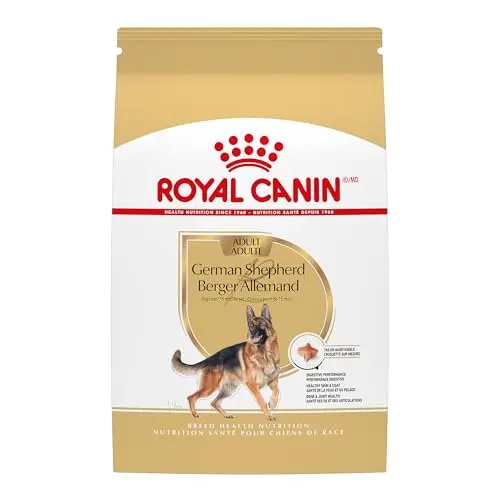
German Shepherd Adult – Breed-Targeted Kibble & Nutrients
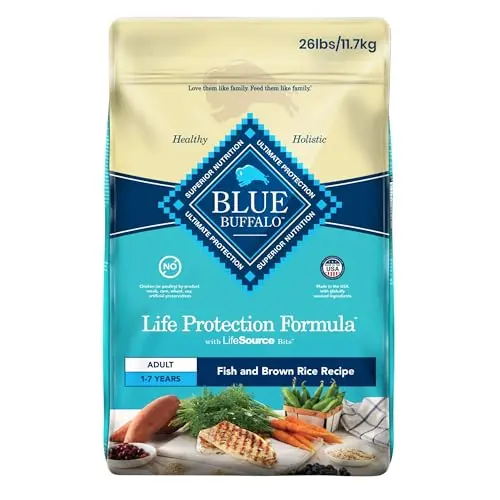
Life Protection Fish & Brown Rice – Wholesome Fish-Based Nutrition
How We Evaluated These Dog Foods for German Shepherd Pitbull Mixes
We didn’t run these foods through a veterinary nutrition lab or monitor dogs over six-month diet trials. What we did: cross-referenced 7 dog food formulas from 6 distinct brands across 5 critical decision axes for a GSD-Pitbull mix – joint support, digestive tolerance, protein quality, allergen-friendliness, and ingredient transparency. We triangulated published nutritional analyses, ingredient profiles, owner feedback where available, and how well each formula maps to the common health challenges of these two breeds.
The scoring framework weighed real-world functional fit (60%) – can this food actually soothe a sensitive stomach or support creaky joints? – against feature differentiation (40%) – unique advantages like breed-specific kibble shape or a novel protein source. Recommendations track these use-case strengths, not brand loyalty. If you’re managing allergy symptoms on a budget, the Purina ONE Microbiome Balance is a smart all-rounder; if joint care is the clear priority, Hill’s Science Diet Healthy Mobility earns its place. This review didn’t involve controlled feeding trials; instead, it’s built on a careful synthesis of available data and how these foods hold up under real-world pressure from a working, shedding, high-drive dog.
How to Choose the Right Dog Food for Your German Shepherd Pitbull Mix
Joint Health: A Top Priority for Large Breeds
Both German Shepherds and Pitbulls are prone to hip and elbow dysplasia, so joint support should be near the top of your checklist. Look for foods that list glucosamine and chondroitin on the label, along with omega-3 fatty acids from fish oil. These help maintain cartilage and reduce inflammation. Hill’s Science Diet Healthy Mobility and Royal Canin German Shepherd Adult both bake these supplements right into the kibble. If your dog isn’t showing signs yet, a food without dedicated joint support can still work, but consider adding a separate supplement as they age.
Managing Sensitive Stomachs and Food Allergies
The Pitbull side often brings food allergies and skin sensitivities, so ingredients matter. Common triggers include chicken, beef, and grains. A fish-based formula like Purina Pro Plan Sensitive Skin & Stomach or Beyond Superfood Blend swaps in salmon as a novel protein and adds easily digestible carbs like oatmeal or pumpkin. Prebiotic fibres also help balance gut flora. If your dog has chronic ear infections, hot spots, or loose stool, start with a limited-ingredient diet and monitor improvement over four to six weeks.
Protein and Muscle Support for Active Dogs
This mix is typically muscular and athletic, so a higher protein content (above 25%) supports lean mass and energy. Purina ONE True Instinct pushes 32% protein with beef and salmon, ideal for dogs that run hard. However, extremely high protein isn’t necessary for every pet-match the level to your dog’s actual activity. Overfeeding protein can strain kidneys if there’s an underlying condition, so if your dog is more couch potato than trail runner, a moderate-protein food like the Purina ONE Microbiome Balance is fine.
Royal Canin GSD vs. Hill's Healthy Mobility: Which Is Better for a Mix?
Both are excellent, but they approach the problem differently. Royal Canin’s formula is breed-specific, down to the kibble shape, and it excels at stool quality and coat condition for Shepherds. Hill’s, on the other hand, focuses purely on large-breed joint health with a broader ingredient list. If your dog looks and acts like a classic Shepherd, the Royal Canin may give you that extra polish; if joint stiffness is already a reality, the Hill’s is the more direct fix. Many owners of mixes actually rotate between the two.
Grain-Free vs. With Grains: What's the Current Thinking?
Grain-free diets gained popularity for allergy dogs, but recent concerns about canine dilated cardiomyopathy (DCM) linked to legumes in some grain-free recipes have made owners cautious. Unless your dog has a confirmed grain allergy, a formula with digestible grains like rice or oatmeal is usually safe and may be more balanced. Beyond Superfood Blend is grain-free but uses pumpkin and oatmeal, not peas or lentils, which many vets prefer. If your dog thrives on grain-free, stick with it, but watch for unusual lethargy as a precaution.
How to Spot a Formula That's Right for Your Dog's Age and Activity Level
Adult dogs do well on ‘adult maintenance” formulas, but if your mix is a high-energy working dog, a ‘performance” or ‘active” recipe with more calories may be needed. Conversely, if your dog is neutered and less active, a regular adult food with controlled fat prevents weight gain. Always check the feeding guide on the bag and adjust based on body condition-you should be able to feel but not see the ribs. For seniors, consider a food with even more joint support and fewer calories.
Frequently Asked Questions
What's the difference between the Purina ONE Microbiome Balance and Purina Pro Plan Sensitive Skin & Stomach?
Both tackle digestion, but the Microbiome Balance leans heavily on prebiotic fibre to nurture gut bacteria with lamb as the protein, making it a more general wellness pick. The Pro Plan Sensitive Skin & Stomach uses salmon as a novel protein and is formulated explicitly for dogs with food allergies and itchy skin. If your dog’s main symptom is loose stool, the Microbiome Balance is a great starting point; if they’re scratching and getting ear infections, the Pro Plan is the stronger candidate. Both avoid artificial additives and are budget-friendly for their tiers.
Is Royal Canin German Shepherd food actually good for a mixed breed?
Yes, if the Shepherd traits dominate your dog’s build and digestion. The kibble shape and digestibility are optimized for a long muzzle and deep chest, which many GSD mixes inherit. However, it’s not a magic bullet-it still contains chicken, which can be an issue for Pitbull mixes with poultry allergies. Many owners find it produces excellent stool quality and coat shine, but if your dog shows signs of food sensitivity, you’re better off with a limited-ingredient formula like the Beyond Superfood Blend.
My dog has itchy skin and ear infections-which of these foods is best?
Your top choice is the Purina Pro Plan Sensitive Skin & Stomach Salmon & Rice. Its single novel protein (salmon) and oatmeal base bypass the most common allergens while adding omega fatty acids that actively calm inflammation. Many owners see a noticeable improvement within a month. If you prefer a grain-free route, the Beyond Superfood Blend is a close second, but watch for any DCM concerns. Just be sure to eliminate all other treats and table scraps during the switch to isolate the effect of the food.
Do I need to feed a grain-free diet to a GSD-Pitbull mix?
Not necessarily. Unless your dog has a confirmed grain allergy, whole grains like brown rice and oatmeal are perfectly safe and provide valuable fibre. The recent DCM scare was linked more to the use of legumes like peas and lentils in grain-free foods, not the absence of grain itself. If your dog does well on a grain-free recipe like Beyond Superfood Blend, it’s fine to continue, but don’t choose grain-free just for the label-base it on your dog’s actual tolerance.
How do I switch my dog to a new food without stomach upset?
Transition gradually over 7 to 10 days. Start with 25% new food mixed with 75% old for two to three days, then move to 50/50, then 75% new, before going fully new. This slow shift allows your dog’s gut bacteria to adapt and reduces the risk of diarrhoea. If your dog has a particularly sensitive stomach, extend the transition to two weeks. Keep an eye on stool quality-if it becomes loose, hold at the current ratio for a few extra days until it firms up.
Final Verdict
For most GSD-Pitbull mixes, the Purina ONE Microbiome Balance hits the sweet spot – it’s well-priced, focuses on digestion, and works for a wide range of dogs. If joint stiffness is knocking, step up to the Hill’s Science Diet Healthy Mobility for built-in glucosamine. Allergies dragging your dog down? The Purina Pro Plan Sensitive Skin & Stomach is purpose-built for that battle. And if your pup takes strongly after the Shepherd side, the Royal Canin German Shepherd breed-specific kibble is worth the splurge. Whatever you pick, a happier, healthier dog is on the bowl.