
German Shepherds are incredible dogs – loyal, intelligent, and hardworking. But they also come with a unique set of nutritional needs. Joint problems like hip dysplasia, sensitive stomachs, and skin issues are all too common in the breed. The right dog food can make a real difference in keeping your shepherd healthy and active through every stage of life.
We surveyed the top dog foods for German Shepherds across the market, comparing protein quality, joint support, digestive health, and ingredient transparency. Whether your dog struggles with itchiness, loose stools, or you just want a well-rounded formula that supports their large frame, this guide will help you pick the right kibble. No brand loyalty, just honest cross-brand recommendations based on what the data tells us.
Best Dog Food for German Shepherds – 2026 Reviews
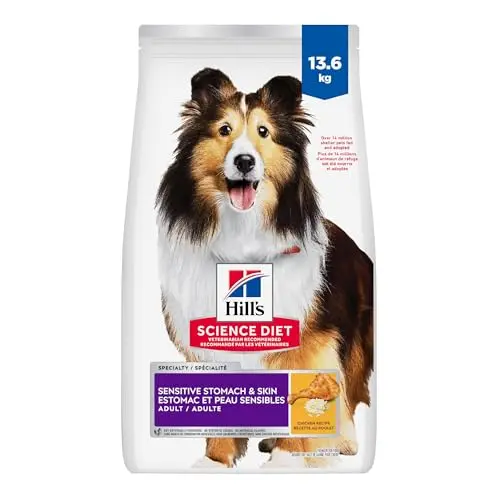
Sensitive Stomach & Skin Chicken Recipe – Gentle on Digestion
A veterinarian-recommended formula with prebiotic fiber for gut health and omega-6 for skin. Ideal for adult dogs with sensitive systems. Made with natural ingredients, it is the #1 choice among Canadian vets.
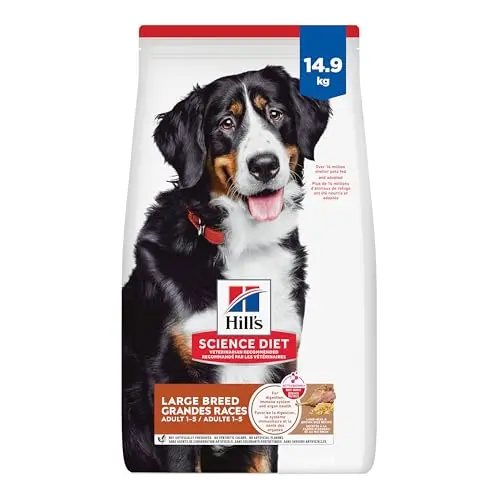
Large Breed Lamb Meal & Brown Rice – Joint and Muscle Support
Designed for large breed adults, this formula includes natural sources of glucosamine and chondroitin for joint health, plus high-quality lamb protein for lean muscle. Omega-6 and vitamin E support a healthy coat.
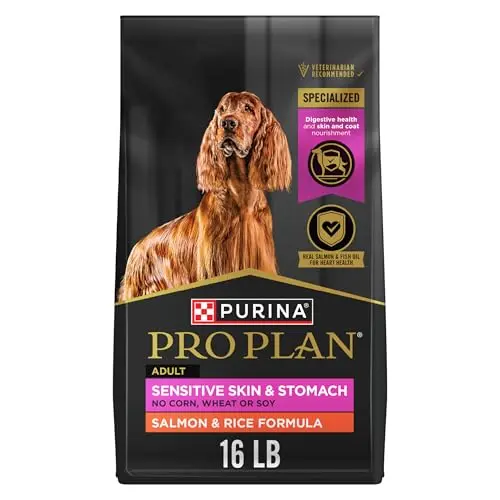
Sensitive Skin & Stomach Salmon & Rice – Soothing for Allergies
Salmon is the #1 ingredient in this formula, providing high-quality protein and omega-3s for joint and skin health. Prebiotic fiber from oatmeal supports digestive comfort, while sunflower oil adds omega-6.
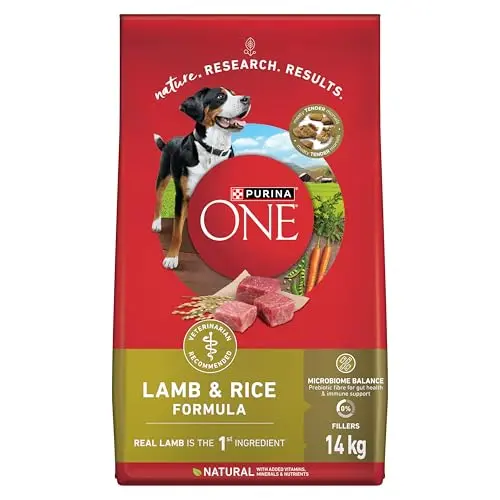
Microbiome Balance Lamb & Rice – Digestive Health Focus
Featuring real lamb as the #1 ingredient, this formula is built around microbiome balance with prebiotic fibre for gut health and immune support. Natural ingredients and added vitamins support overall wellness.
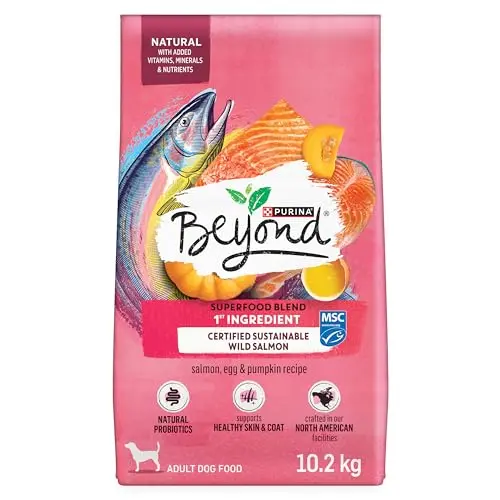
Superfood Blend Salmon, Egg & Pumpkin – Limited Ingredient
This limited ingredient formula features wild caught salmon as the primary protein, with pumpkin and oatmeal for gentle digestion. Made without corn, wheat, soy, or poultry by-product meal.
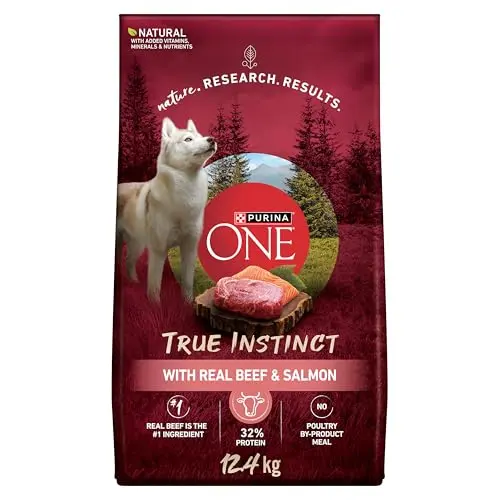
True Instinct Beef & Salmon – High Protein Formula
With real beef as the #1 ingredient and a 32% protein formula, this food supports strong muscles and an active lifestyle. Antioxidants from multiple sources help maintain a healthy immune system.
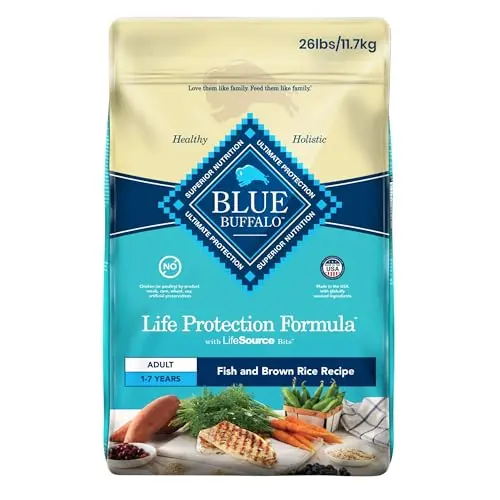
Life Protection Fish & Brown Rice – Balanced Nutrition
Deboned whitefish is the first ingredient in this natural formula, which features LifeSource Bits – a precise blend of antioxidants, vitamins, and minerals for immune support. No chicken or poultry by-products.
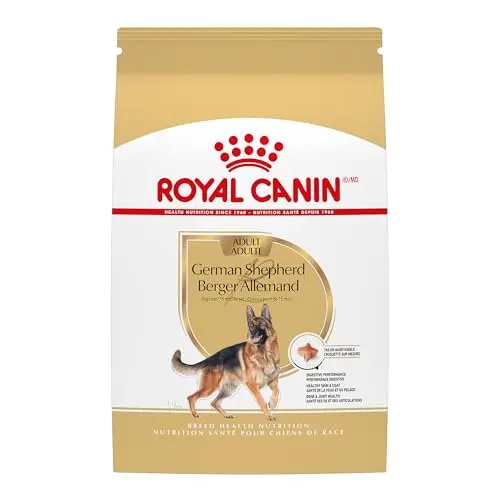
German Shepherd Adult – Breed-Specific Nutrition
Specifically formulated for purebred German Shepherds 15 months and older, this food features a unique kibble shape for the breed’s long muzzle, plus EPA/DHA for skin, and glucosamine/chondroitin for joints.
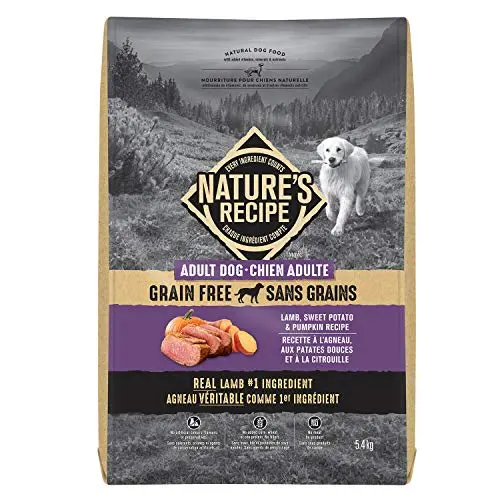
Grain Free Lamb, Sweet Potato & Pumpkin – Wholesome Ingredients
This grain-free recipe uses lamb as the primary protein, with fibre from sweet potatoes and pumpkin for digestion. It includes natural sources of glucosamine and chondroitin for joint support.
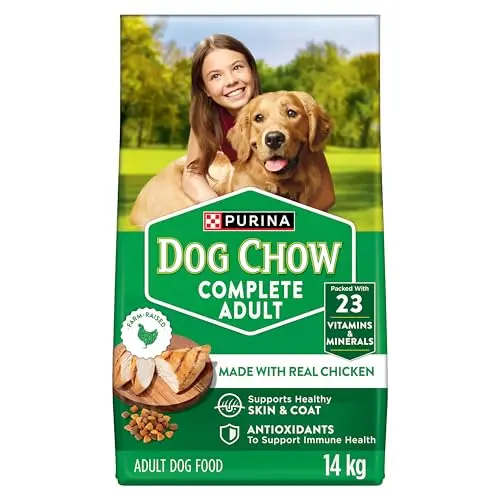
Complete Chicken – Budget-Friendly Staple
Made with real chicken, this complete and balanced adult dog food has no fillers or artificial flavours. It includes antioxidants for immune health and comes in a large 14 kg bag.
How We Evaluated These Dog Foods for German Shepherds
We didn’t run these foods through a veterinary feeding trial or long‑term health study. What we did: cross‑referenced 10 dog food formulas from 8 distinct brands across 6 key decision axes – protein source and quality, joint support ingredients, digestive health features, skin and coat nutrients, kibble design, and formula specificity for large breeds. We triangulated published nutritional analyses, scrutinized ingredient decks, and absorbed aggregated owner feedback patterns where available to understand how these foods perform in real homes.
The scoring framework weighted real‑world fit (60%) – how well a formula addresses the German Shepherd’s common vulnerabilities – against feature differentiation (40%) – unique advantages like breed‑specific kibble shape or targeted joint supplements. We have no commercial relationship with any of the brands featured; recommendations track how well each food matches the breed’s needs, not brand preference.
This review is built on specification analysis and owner sentiment signals, not controlled trials. If you can’t decide between options, the Hill’s Science Diet Sensitive Stomach & Skin is the general pick for sensitive shepherds. For dedicated joint care, the Large Breed Lamb is purpose‑built.
How to Choose the Right Dog Food for Your German Shepherd
Understanding German Shepherd Nutritional Needs
German Shepherds are large, active dogs with a genetic predisposition to certain health issues. Hip and elbow dysplasia are rampant in the breed, so foods with added glucosamine and chondroitin can help maintain cartilage and joint fluid. Digestive sensitivities are another hallmark – many shepherds suffer from loose stools, gas, or full‑blown IBD. Look for easily digestible proteins (like lamb or salmon), prebiotic fibres, and probiotics. Finally, skin allergies are common. Omega‑3 and omega‑6 fatty acids, plus zinc, can strengthen the skin barrier and reduce itching. A food that covers all three areas – joints, gut, and skin – is the holy grail for GSD owners.
Key Ingredients to Look For (and Avoid)
When scanning a label, named animal proteins (chicken, lamb, salmon, whitefish) should be the first ingredient, not vague ‘meat meal’ or plant proteins. For joints, seek out glucosamine, chondroitin, and green‑lipped mussel. Omega‑3s from fish oil or flaxseed are essential for skin and coat. Prebiotic fibres like beet pulp, chicory root, or oatmeal support a healthy microbiome. Avoid foods with artificial colours, flavours, or preservatives, and watch for filler grains like corn and wheat that provide empty calories and can trigger allergies. Soy is another common allergen. If your dog has a known poultry sensitivity, stick to novel proteins like lamb or fish.
The Role of Kibble Size and Shape
German Shepherds have a long, narrow muzzle and a tendency to gulp food, which can lead to choking or bloat. Large, uniquely shaped kibble encourages chewing rather than inhaling. Royal Canin’s breed‑specific food is the standout here, with a kibble designed explicitly for the GSD mouth. Hill’s Large Breed also uses an appropriately sized piece. If you opt for a food with smaller kibble (like Pro Plan), consider using a slow feeder bowl to slow down eating and reduce the risk of gastric dilatation‑volvulus (GDV). Chewing also promotes dental health by scraping plaque.
Comparing Top Brands: Hill's vs Royal Canin vs Purina Pro Plan
These three brands dominate the GSD food conversation, but they take different approaches. Hill’s Science Diet focuses on clinical, veterinarian‑recommended nutrition with formulas targeting specific issues (sensitive stomach, large breed). Royal Canin goes all‑in on breed‑specific design and precision nutrition. Purina Pro Plan offers a wide range of performance and health condition formulas, often with high protein and novel proteins. If your dog needs a food that targets a single identified issue – say, constant itchiness – Pro Plan Sensitive Skin is hard to beat. For a holistic, breed‑aware approach, Royal Canin is unmatched. Hill’s offers the broadest trust and reliable results for the largest number of shepherds. Compare based on what your dog’s history tells you, not brand stories.
Price Tiers and What You Get
Dog food for German Shepherds spans a wide price range. At the budget tier, options like Dog Chow deliver basic, balanced nutrition at a fraction of the cost – suitable for healthy adults without special needs. Mid‑range foods like Purina ONE and Beyond add digestive or limited ingredient benefits without a huge price jump. At the premium tier, Hill’s, Royal Canin, and Pro Plan pack in clinically backed joint support, targeted skin care, and breed‑specific innovation. You don’t have to spend a fortune, but if your shepherd has recurring issues, investing in a formula that addresses those issues directly can save on vet bills down the road.
Frequently Asked Questions
What's the difference between Hill's Science Diet and Royal Canin for German Shepherds?
Hill’s takes a broad‑spectrum approach, offering lines for sensitive stomachs, skin, and large breeds – all backed by extensive veterinary trust. Their formulas use high‑quality ingredients and prebiotic fibres, but don’t design kibble specifically for the GSD jaw. Royal Canin formulates exclusively for the breed, with a long, narrow kibble that forces chewing, a precise blend of joint supplements, and highly digestible proteins to reduce stool volume. If your goal is a food that feels tailor‑made for your shepherd, Royal Canin is the pick. If you want a trusted, widely available food that addresses a specific sensitivity and works across multiple dogs, Hill’s is often the more practical choice.
How does Purina Pro Plan Sensitive Skin compare to Blue Buffalo for allergies?
Both are fish‑based, so they avoid common poultry allergens. Pro Plan uses salmon as the #1 ingredient and includes oatmeal and prebiotic fibre for digestion, with a strong clinical track record for reducing skin flare‑ups. Blue Buffalo relies on whitefish and LifeSource Bits – a cold‑formed antioxidant blend – to support immune health. Pro Plan’s formula is more streamlined and has more extensive owner feedback regarding allergy resolution, while Blue Buffalo takes a holistic, whole‑food approach. If your dog’s allergies are severe and chronic, Pro Plan’s targeted efficacy may win; if you prefer fewer synthetic additives and a ‘clean label’ feel, Blue Buffalo is a solid alternative.
Why do German Shepherds need breed‑specific dog food?
No dog needs breed‑specific food to survive, but German Shepherds have predispositions that generic foods ignore. Their deep chests and narrow muzzles call for large kibble that slows eating and reduces bloat risk. Their joints benefit from early, consistent glucosamine and chondroitin supplementation. Their sensitive guts thrive on highly digestible proteins and controlled fibre levels. A breed‑specific formula like Royal Canin’s takes all of these into account simultaneously. You can certainly assemble the same benefits by combining a joint supplement and careful protein selection, but a breed‑specific food simplifies the equation – especially if you’re managing a young, growing shepherd or an older one with multiple concerns.
Is grain‑free food better for German Shepherds?
Not necessarily, and in recent years there have been concerns about a potential link between grain‑free diets and dilated cardiomyopathy (DCM) in dogs. While the FDA investigation is ongoing, many vets now recommend caution with grain‑free formulas unless your dog has a confirmed grain allergy. For most shepherds, whole grains like brown rice or oatmeal provide beneficial fibre and energy without triggering issues. If you do opt for grain‑free (like Nature’s Recipe), ensure the food includes taurine and monitor your dog’s heart health regularly. The decision should be based on your dog’s individual tolerance, not marketing trends.
Final Verdict
For the average German Shepherd owner juggling the breed’s most common complaints – sensitive digestion and occasional skin flare‑ups – the Hill’s Science Diet Sensitive Stomach & Skin is our top recommendation. It offers the best balance of efficacy, veterinary trust, and value. If joint health is your primary concern, the Hill’s Large Breed Lamb delivers targeted glucosamine and chondroitin in a large‑size kibble that suits the GSD. For dogs whose allergies dominate, the Pro Plan Sensitive Skin & Stomach Salmon is a proven problem‑solver. And if you want the only food designed from the ground up for the breed, the Royal Canin German Shepherd Adult is the undeniable choice for purebred shepherds.