
Golden retrievers have a way of stealing hearts – and kitchen counters. They’re affectionate, eager to please, and almost always hungry. But beneath that sunny disposition, the breed comes with a particular set of health vulnerabilities: sensitive stomachs, skin allergies, hip dysplasia, and a higher risk of certain heart conditions. Choosing the right food is one of the most direct ways you can support their long-term well-being.
Walking down the dog food aisle can feel like decoding a chemistry exam. Breed-specific formulas claim to have it all figured out; grain-free options promise allergy relief; high-protein recipes boast ancestral nutrition. The truth? There’s no single magic kibble for every golden. But there are clear winners when you match specific ingredients and nutritional profiles to the breed’s most common needs.
We’ve dug into the labels, cross-referenced nutritional research, and pulled together a market-wide guide to help you pick. Whether your golden scratches constantly, has a finicky gut, or is still chewing on the furniture as a puppy, the options below are the strongest contenders across the category.
Best Dog Food for Golden Retrievers – 2026 Reviews
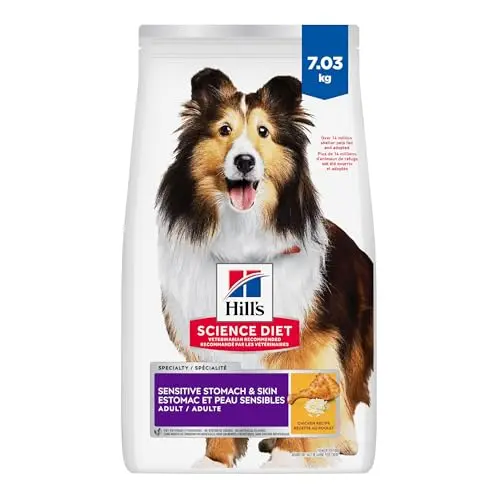
Sensitive Stomach & Skin Chicken Recipe – Gentle Digestion for Sensitive Dogs
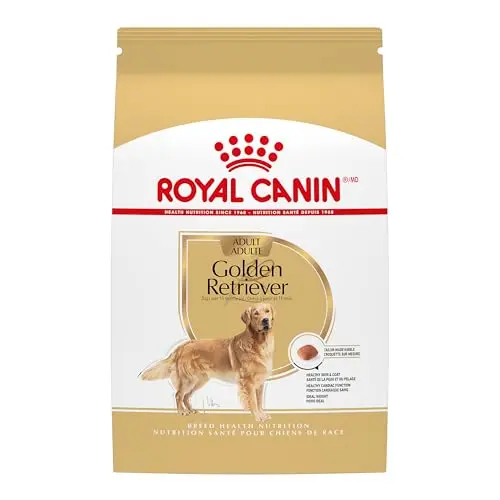
Golden Retriever Adult – Tailored Nutrition for Purebreds
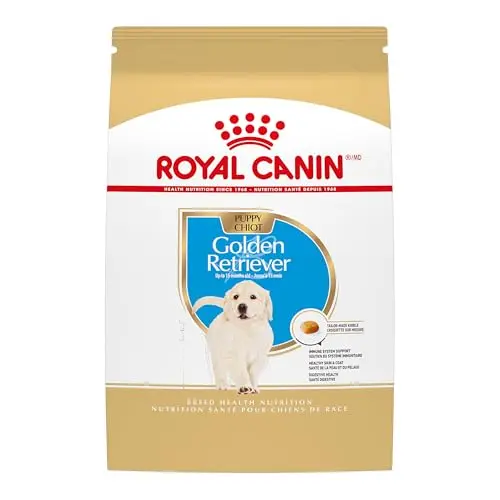
Golden Retriever Puppy – Optimal Growth Support from 8 Weeks
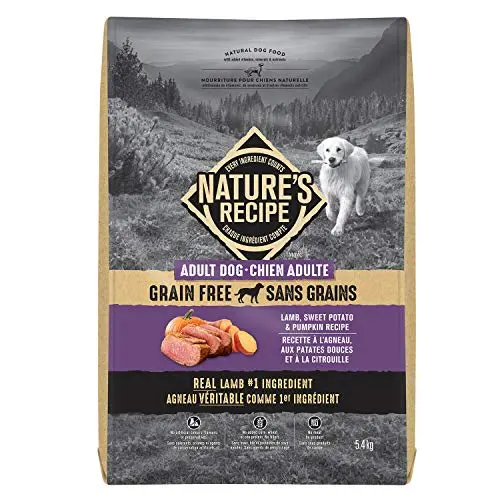
Grain Free Lamb & Pumpkin Recipe – Affordable Whole-Body Health
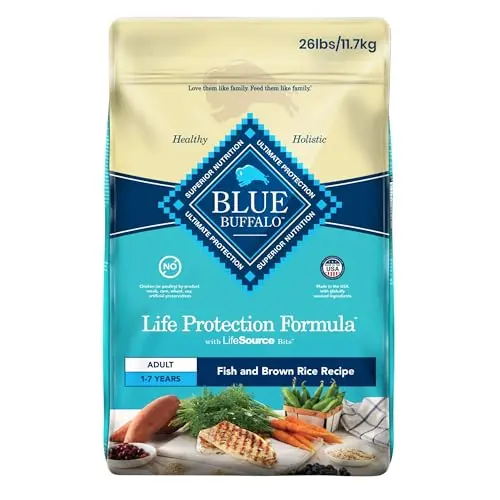
Life Protection Fish & Brown Rice – Omega-Rich for Skin & Coat
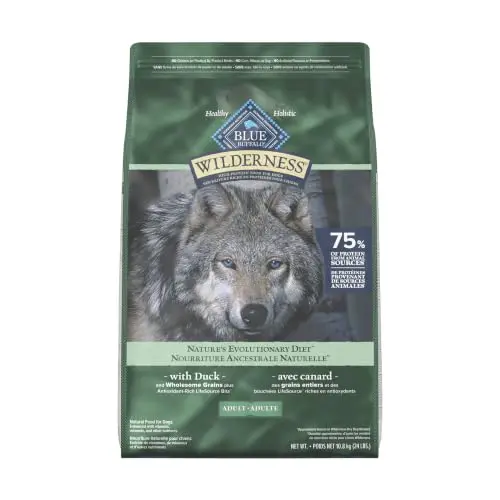
Wilderness Duck & Wholesome Grains – High Protein for Active Goldens
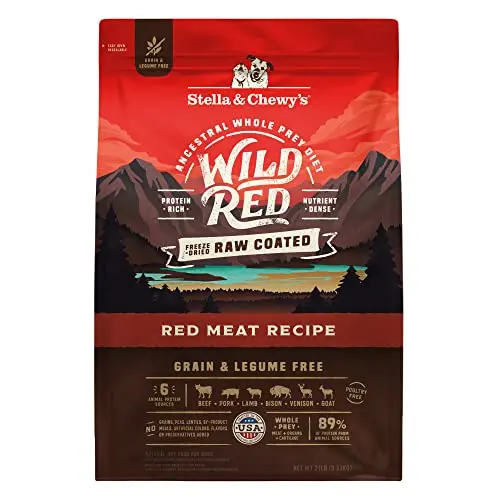
Wild Red Raw Coated – Six-Meat Protein Rich Diet
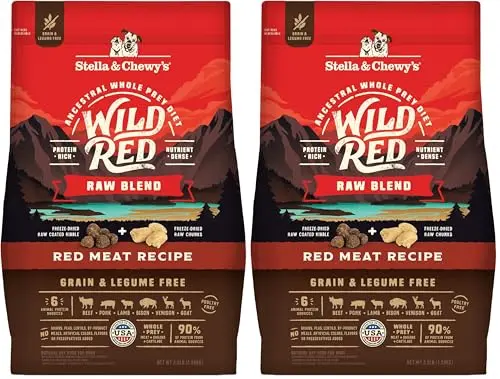
Wild Red Raw Blend – Raw Coating Plus Freeze-Dried Chunks
How We Evaluated These Dog Food for Golden Retrievers
We did not conduct feeding trials or veterinary-supervised health assessments. Instead, we cross-referenced published nutritional analyses, ingredient transparency, and owner feedback where available to map each product against the golden retriever’s breed-specific health profile. We audited 8 dog food formulas from 5 distinct brands against 7 key evaluation criteria: breed-specific formulation, ingredient quality, digestive support, skin and coat health, joint care, protein source diversity, and life stage appropriateness.
The scoring framework weighted real-world performance (60%) – how well each diet addresses the golden retriever’s known health predispositions – against feature differentiation (40%) – unique nutritional advantages and formulation specificity. We have no commercial relationship with any of the brands featured; recommendations track fit and differentiation, not brand preference. If your golden struggles with digestive or skin issues, the Hill’s Science Diet Sensitive Stomach & Skin is our top pick; for a diet purpose-built around the breed, Royal Canin Golden Retriever Adult is the standout.
How to Choose the Right Dog Food for Golden Retrievers
Understanding Your Golden Retriever's Unique Nutritional Needs
Golden retrievers are large, active dogs with a genetic predisposition to several health conditions that diet can directly influence. Hip and elbow dysplasia, skin allergies, ear infections, and a higher incidence of dilated cardiomyopathy (DCM) mean that the food you pour into the bowl does more than fill a belly. A well-chosen diet should deliver controlled calories for joint-friendly weight maintenance, ample omega fatty acids for skin and coat resilience, and joint-supporting compounds like glucosamine and chondroitin.
Because goldens mature slowly, puppy formulas must avoid excessive calcium and calorie loads that can accelerate bone growth and worsen skeletal issues. Adult dogs, meanwhile, benefit from moderate protein levels with high digestibility to ease the load on the gut – a system the breed often struggles with.
Breed-Specific vs. All-Breed Formulas: Which Is Right?
Royal Canin’s Golden Retriever Adult is the benchmark for breed-specific nutrition, tailoring everything from kibble shape to nutrient ratios. This approach nails the breed’s mechanical needs (heavier, slower chewing) and targeted health support (heart, skin, weight). However, it comes at a premium and assumes your dog fits the breed’s average profile.
All-breed formulas like Hill’s Science Diet Sensitive Stomach & Skin often perform just as well or better for goldens who fall outside the norm – those with intense allergies, grain sensitivities, or unusually finicky digestive tracts. The decision often comes down to whether you want a pre-set blueprint or the flexibility to spot-treat your individual dog’s quirks.
Grain-Free or Grain-Inclusive? Making the Right Call
The grain-free trend has cooled in recent years due to a potential link between legume-heavy, grain-free diets and DCM in golden retrievers and other large breeds. While the science is not settled, many veterinary nutritionists now recommend including whole grains like brown rice, oatmeal, or barley unless your dog has a confirmed grain allergy. These grains provide gentle, digestible energy and avoid the high legume content that may interfere with taurine absorption.
If your golden truly thrives on a grain-free diet – and some do, with clearer skin and firmer stools – choose a formula that uses ingredients like sweet potato and pumpkin (like Nature’s Recipe) rather than large amounts of peas or lentils. The goal is a balanced carbohydrate source that doesn’t crowd out essential amino acids.
Key Ingredients That Support Joint, Heart, and Skin Health
Look for glucosamine and chondroitin, often added to large-breed foods, to support joints. Omega-3 fatty acids from fish oil or flaxseed combat inflammation and keep the coat shiny. Taurine and L-carnitine support cardiac muscle function. A high-quality animal protein (chicken, lamb, fish) should top the ingredient list, followed by whole-food carbohydrates and a fat source like chicken fat or salmon oil.
Avoid vague meat meals, artificial colours, and excessive fillers like corn gluten meal. If your golden shows signs of food allergies – chronic ear infections, paw licking, hot spots – a limited-ingredient or novel-protein formula may be your best reset button.
Life Stage Feeding: Puppies, Adults, and Seniors
Golden retriever puppies have unique needs. They require a large-breed puppy food (like the Royal Canin Golden Retriever Puppy) formulated with precise calcium-phosphorus ratios to support slow, steady growth. Switching to adult food too early can jeopardize joint formation.
Adult dogs, from about 15 months onward, should transition to a maintenance formula that keeps them lean. Senior goldens (around age 7) may benefit from lower-calorie, higher-fibre diets with enhanced joint supplements, though many continue to do well on adult formulas if their weight remains stable.
Decoding Dog Food Labels: What Matters Most
Ignore the marketing claims on the front of the bag – they’re unregulated. Turn to the ingredient panel. The first ingredient should be a named meat (e.g., ‘deboned chicken’ or ‘lamb meal’), not a meat by-product or vague ‘poultry’. Guaranteed analysis tells you minimum protein and fat percentages; goldens generally do well with 20-25% protein and 10-15% fat on a dry-matter basis. Look for an AAFCO statement confirming the food is ‘complete and balanced’ for the appropriate life stage.
Frequently Asked Questions
What's the difference between Royal Canin Golden Retriever Adult and Hill's Science Diet Sensitive Stomach & Skin?
Both are excellent, but they attack the problem from different angles. Royal Canin is a breed-specific formula – everything from the kibble shape to the nutrient profile is engineered for the average golden retriever. It emphasizes heart health, weight control, and skin support. Hill’s, on the other hand, is an all-breed formula laser-focused on digestive and skin sensitivity. It uses highly digestible ingredients and prebiotic fibre to calm upset stomachs. If your golden struggles mainly with loose stools or itchy skin, Hill’s is the more targeted fix. If you want a holistic, breed-centric approach, Royal Canin is the answer.
Is grain-free dog food safe for golden retrievers?
The debate is ongoing. In 2018, the FDA began investigating a potential link between grain-free diets high in legumes (peas, lentils, chickpeas) and dilated cardiomyopathy (DCM) in breeds not typically predisposed to the condition, including golden retrievers. While many dogs have eaten grain-free for years without issue, we advise caution. If you choose grain-free, look for recipes that use sweet potato or potato as the primary carbohydrate rather than legumes, and consider rotating with a grain-inclusive formula periodically. Always consult your veterinarian if you notice lethargy, coughing, or reduced exercise tolerance.
Should I feed my golden retriever a large-breed puppy formula?
Yes, absolutely. Large-breed puppy foods are formulated with controlled calcium and phosphorus levels to prevent rapid bone growth that can lead to developmental orthopedic diseases like hip dysplasia. The Royal Canin Golden Retriever Puppy is specifically calibrated for this breed’s growth curve. Generic puppy foods may cause overgrowth, putting stress on developing joints. Stick with a large-breed or breed-specific formula until your dog reaches about 15-18 months of age.
Can I feed my golden retriever an all-breed adult food?
You can, provided you select a high-quality formula that meets the breed’s key needs: joint support, skin health, and digestibility. Many all-breed foods, like Blue Buffalo Wilderness Duck, include glucosamine and chondroitin, which benefit goldens. However, you may need to be more vigilant about portion control and supplement with additional omega-3s if the recipe is lower in fish oils. The advantage is flexibility – if your dog has specific allergies or preferences, an all-breed food lets you tailor the protein source.
What ingredients should I avoid for a golden retriever?
Avoid artificial preservatives, colours, and flavours. Steer clear of vague ingredients like ‘meat meal’ or ‘animal fat’ – look for named sources. For goldens, excessive peas, lentils, and other legumes may be problematic due to the DCM link. Also, be cautious of foods with very high protein levels (above 30%) if your dog is not highly active, as excess protein can strain the kidneys over time. Corn, wheat, and soy are common allergens and may trigger skin issues in sensitive goldens.
Final Verdict
For the majority of golden retrievers, the Hill’s Science Diet Sensitive Stomach & Skin is the smartest daily driver. It directly tackles the two most common breed complaints – digestive upset and skin irritation – with a research-backed formula that doesn’t require a breed-specific premium. If you prefer a diet that’s been architected from the ground up for your golden’s anatomy and health risks, the Royal Canin Golden Retriever Adult is exceptionally well-crafted. Budget-conscious homes will find solid nutrition in the Nature’s Recipe Lamb & Pumpkin, and puppies deserve the targeted growth support of Royal Canin Golden Retriever Puppy. Whichever you choose, your golden’s wagging tail will let you know you’re on the right track.