
You notice your dog scratching relentlessly, or maybe the stool quality just isn’t right. Those little signs can signal an unhappy gut or an allergic reaction that’s more than just a surface-level annoyance. Finding the right food becomes a research project because what goes into your dog’s bowl directly impacts everything from skin comfort to daily energy.
The best dog food for gut health and allergies isn’t about one magic ingredient – it’s a carefully chosen blend of digestible proteins, prebiotics or probiotics, and omega fatty acids that work together. We’ve cross-shopped the market to highlight formulas that target these issues, comparing protein sources, digestive support, and allergy-friendly ingredient panels so you can make a confident choice without sifting through a sea of marketing claims.
Best Dog Food for Gut Health and Allergies – 2026 Reviews
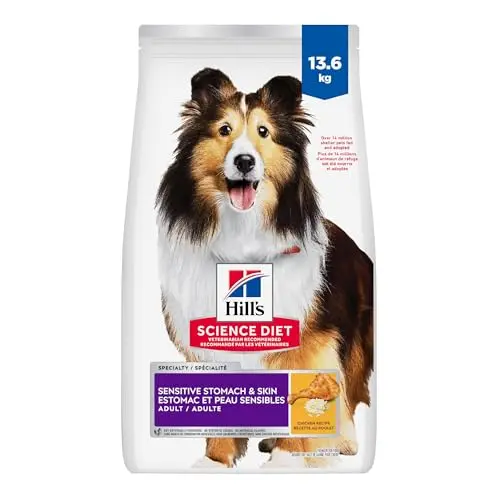
Sensitive Stomach & Skin Chicken Recipe – Gentle Prebiotic Support
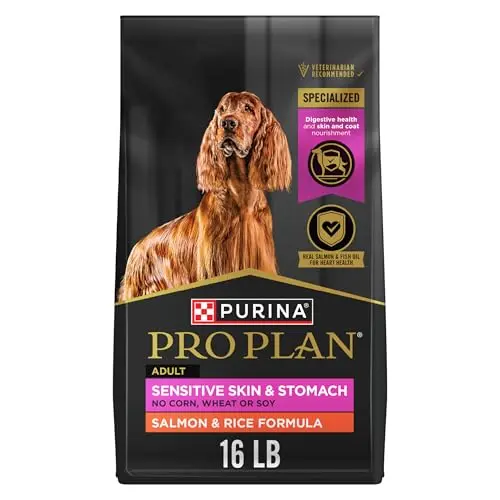
Sensitive Skin & Stomach Salmon & Rice – Omega-Rich Fish Formula

Superfood Blend Salmon & Pumpkin – Simple, Clean Ingredients
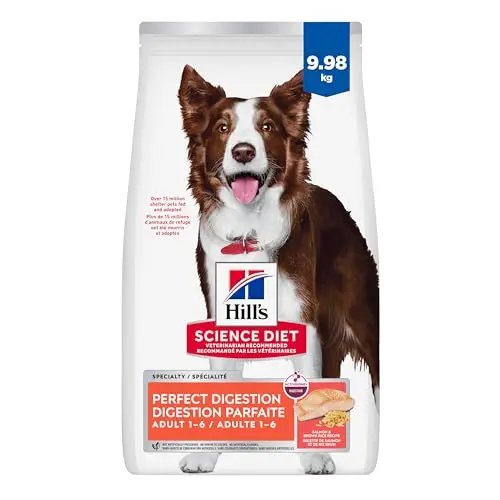
Perfect Digestion Salmon & Whole Oats – ActivBiome+ Technology
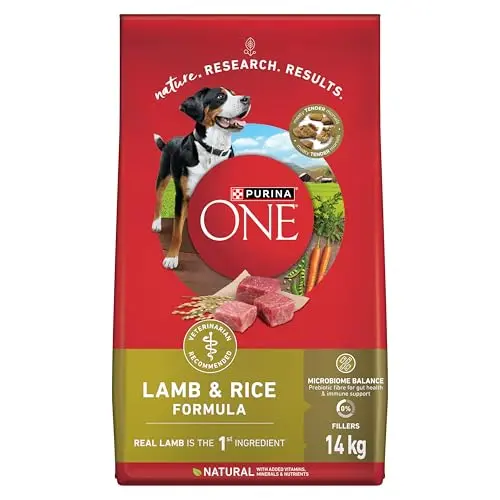
Microbiome Balance Lamb & Rice – Prebiotic Fiber for Gut Support
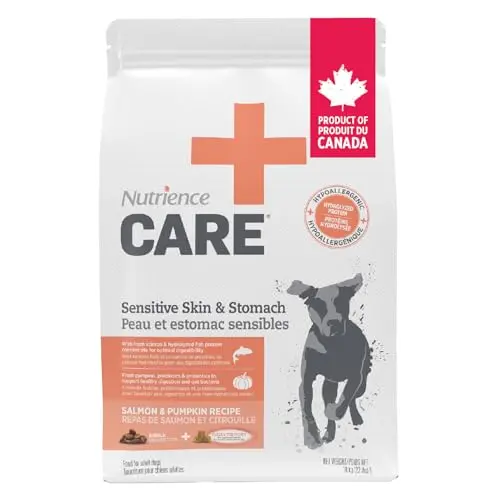
Care Sensitive Skin & Stomach Salmon – Grain-Free & Probiotic-Rich
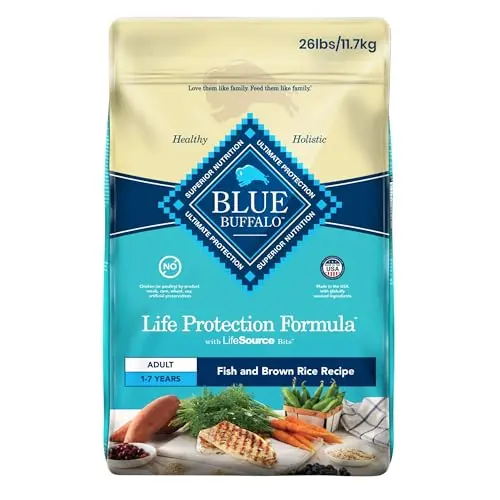
Life Protection Fish & Brown Rice – With LifeSource Bits

Ancient Grains Small Breed – Humanely Raised Meat
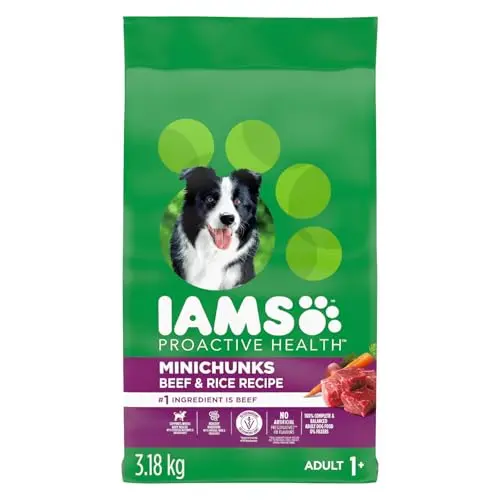
Proactive Health Minichunks Beef & Rice – Digestive Support
How We Evaluated These Dog Foods for Gut Health and Allergies
We didn’t run food allergy trials or stool-quality lab tests. Instead, we cross-referenced 9 dog food formulas from 8 distinct brands across 5 decision axes – protein source novelty, prebiotic/probiotic inclusion, omega fatty acid profile, common allergen avoidance, and owner-reported digestive and skin outcomes. We triangulated published ingredient lists, nutritional analyses, and aggregated owner feedback where available to pressure-test each formula’s real-world ability to support gut health and manage allergies.
The scoring framework weighted real-world performance (60%) – how well each option delivers on its dual promise of digestive comfort and allergy relief – against feature differentiation (40%) – unique technical advantages like novel proteins, grain-free status, or functional ingredient blends. We have no commercial relationship with any of the brands featured; recommendations track fit and differentiation, not brand preference. If your dog’s symptoms lean heavily toward skin issues, the Hill’s Science Diet Sensitive Stomach & Skin is our top pick; if a fish-based protein is a priority, the Purina Pro Plan Sensitive Skin & Stomach is an equally strong alternative.
How to Choose the Right Dog Food for Gut Health and Allergies
What to Look for in a Dog Food for Gut Health and Allergies
Start with the ingredient panel. A high-quality, named protein source – like salmon, lamb, or chicken – should appear first, ideally a novel protein if your dog has known sensitivities. Next, seek out digestive aids: prebiotic fibres (beet pulp, chicory root) feed good gut bacteria, while probiotics directly replenish them. For skin allergies, omega-3 and omega-6 fatty acids from fish oils, flaxseed, or sunflower oil are non-negotiable for reducing inflammation and supporting coat health. Avoid fillers and common allergens: corn, wheat, soy, and artificial additives often exacerbate issues. A short, transparent ingredient list often signals a formula that’s easier on sensitive systems.
The Role of Protein Source in Managing Allergies
Food allergies in dogs are most often triggered by proteins – chicken, beef, and dairy top the list. Switching to a novel protein like salmon, whitefish, or lamb can drastically reduce allergic reactions. For example, the Pro Plan Sensitive Skin & Stomach uses salmon as its sole animal protein, a smart move for dogs with poultry or beef sensitivities. The Nutrience Care takes it further with a grain-free, limited-ingredient approach that minimizes the chance of cross-reactivity. If your dog hasn’t tried a fish-based diet, it’s often the best starting point for an elimination trial.
Prebiotics, Probiotics, and the Gut-Health Connection
A balanced gut microbiome is about more than firm stools – it influences immune function, nutrient absorption, and even behaviour. Prebiotic fibres act as fuel for beneficial bacteria, while probiotics introduce live strains that can crowd out harmful microbes. Look for ingredients like beet pulp, chicory root, pumpkin, and specific bacterial strains (often listed as Lactobacillus or Bifidobacterium). The Hill’s Science Diet Sensitive Stomach leans heavily on beet pulp prebiotics, while Nutrience Care combines both pre- and probiotics for a dual-action approach. Transitioning slowly to a new food is essential to let the gut adjust; otherwise, even the best formula can cause temporary upset.
Grain-Free vs. Whole Grains: What's Best for Sensitive Dogs?
The grain-free debate is nuanced. Grain-free formulas replace grains with legumes, potatoes, or tapioca, which can be beneficial for dogs with confirmed grain allergies – though true grain allergies are rare. More commonly, it’s the protein source causing issues. Whole grains like oatmeal, brown rice, and quinoa are easily digestible for most dogs and provide soluble fibre that supports gut health. Products like the Hill’s Perfect Digestion harness whole grains effectively within a prebiotic-rich formula. If you choose grain-free, ensure the recipe still includes quality protein and digestive boosts – the Nutrience Care is a strong example. Unless your vet advises otherwise, there’s no need to eliminate grains preemptively.
How to Transition to a New Dog Food Without Upsetting the Gut
Even the most gut-friendly formula can cause diarrhoea if introduced too quickly. The golden rule: gradual transition over 7-10 days. Start with 25% new food mixed with 75% old food for a few days, then shift to 50/50, then 75/25 before going fully to the new diet. Watch for loose stools, gas, or changes in appetite – these are signs to slow down. If your dog has known allergies, keep a journal of skin and ear condition during the switch. Some foods, like the Hill’s Sensitive Stomach, are expressly designed for easy transition, but patience is still your best tool. For dogs with severe gut issues, consider adding a probiotic supplement during the shift for extra support.
Frequently Asked Questions
What's the difference between Hill's Science Diet Sensitive Stomach & Skin and Purina Pro Plan Sensitive Skin & Stomach?
Both are standout options, but they differ in protein source and fat profile. The Hill’s uses chicken and beet pulp prebiotic fibre to support gentle digestion and add skin-nourishing omega-6s. It’s a great all-rounder if your dog tolerates poultry. The Pro Plan is salmon-based with sunflower oil and omega-3s, making it a stronger choice if you suspect a chicken allergy. It also includes oatmeal for digestible carbs. In practice, many owners find the Pro Plan more effective for skin-specific allergy relief due to the richer omega-3 content, while the Hill’s often produces quicker digestive improvements. If your dog has a known poultry sensitivity, go with Pro Plan; otherwise, either is an excellent bet.
How long does it take to see improvements in gut health after switching foods?
Digestive improvements often appear within a week, especially with formulas like Hill’s Perfect Digestion that claim results in 7 days. You can expect firmer stools, less gas, and better appetite. For skin and coat changes from omega fatty acids, it may take 4-8 weeks to see reduced itching, redness, and a shinier coat. The full benefits of an allergy-focused diet often require 8-12 weeks of consistent feeding without slip-ups, as it takes time for the body to clear existing inflammation. Always transition slowly and track symptoms with a simple journal to measure progress.
Is grain-free dog food better for dogs with allergies?
Not necessarily. While some dogs have genuine grain sensitivities, most food allergies are triggered by proteins like chicken or beef. Grain-free formulas can be beneficial if they replace grains with easily digestible alternatives like sweet potato or lentils, but the primary benefit often comes from the simplified ingredient list rather than the absence of grains themselves. If your dog has confirmed grain allergies, a limited-ingredient grain-free option like Nutrience Care makes sense. However, for most dogs, a high-quality grain-inclusive food with whole grains can be equally effective, as whole grains provide soluble fibre that supports gut health.
Can I mix a gut-health formula with a skin-allergy formula?
We don’t recommend mixing formulas from different product lines long-term, as it complicates identification of trigger ingredients and can upset the achieved nutritional balance. Instead, look for a dual-action food that targets both gut health and allergies, like our top pick, the Hill’s Science Diet Sensitive Stomach & Skin. If you need to address a specific short-term digestive flare-up, you can temporarily add a probiotic supplement or a bit of plain canned pumpkin to their regular allergy-friendly food, but always consult your vet before mixing commercial diets.
What ingredients should I avoid if my dog has allergies?
Start by avoiding common protein allergens: chicken, beef, dairy, and eggs are frequent culprits. If you’re unsure, an elimination diet with a novel protein (like salmon, venison, or duck) is the gold standard. Beyond proteins, steer clear of artificial colours, flavours, and preservatives, which can exacerbate skin inflammation. Fillers like corn, wheat, and soy offer little nutritional value and can trigger reactions in sensitive dogs. The Beyond Superfood Blend is a clean, limited-ingredient example that avoids all of these. If in doubt, opt for a formula with a short, recognizable ingredient list and consult your veterinarian for allergy testing.
Final Verdict
For most dogs struggling with the double whammy of gut sensitivity and skin allergies, the Hill’s Science Diet Sensitive Stomach & Skin Chicken Recipe is our top recommendation. It delivers on both fronts with a time-tested prebiotic fibre blend and omega-6s, and it’s backed by strong owner-reported outcomes. If a fish-based protein is your preference, the Purina Pro Plan Sensitive Skin & Stomach Salmon & Rice is an exceptional alternative that often outperforms for skin-specific relief. For pet parents watching their budget without sacrificing quality, the Beyond Superfood Blend offers a clean, limited-ingredient formula at a very accessible price. And if you’re committed to a grain-free approach, the Nutrience Care Sensitive Skin & Stomach packs probiotics, prebiotics, and anti-inflammatory ingredients into a hypoallergenic recipe. Whatever you choose, start slow and stay consistent – your dog’s tail wags will thank you.