
Australian Cattle Dogs are energetic, hard-working companions with unique nutritional needs. Their high activity level and muscular build demand a diet rich in quality protein to fuel long days of herding, agility, or simply keeping up with an active family. But beyond protein, heelers often face breed-specific challenges-sensitive stomachs, skin issues, and joint concerns-that make choosing the right dog food feel like a puzzle. The wrong formula can lead to dull coats, digestive upset, or even weight problems, all while your heeler’s energy tanks.
In this guide, we’ve surveyed the current market, comparing options across major brands to highlight formulas that align with what heelers actually need. We’ll walk you through what separates a solid heeler diet from the rest, with a focus on real-world performance and ingredient quality-not marketing hype. By the end, you’ll have a clear picture of which dry and wet food options cut through the noise and deliver for a breed that gives 110 percent every day.
Best Dog Food for Heelers – 2026 Reviews
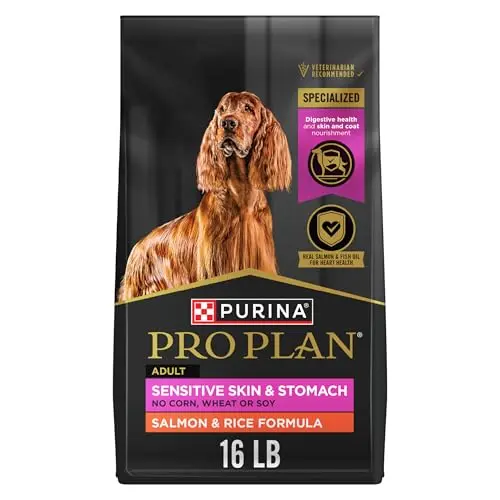
Sensitive Skin & Stomach Salmon & Rice – Gentle Nutrition for Active Heelers
A premium formula built around salmon as the first ingredient, this dry food is designed for dogs with sensitive systems-a common issue in the heeler breed. It packs omega fatty acids for skin and coat health, prebiotic fiber for digestion, and oatmeal for gentle carbohydrate energy. Owners consistently report shinier coats, firmer stools, and enthusiastic mealtimes, even from picky eaters. If your heeler struggles with recurring ear infections, itchy skin, or loose stools, this food targets those exact pain points without relying on exotic proteins or fillers.
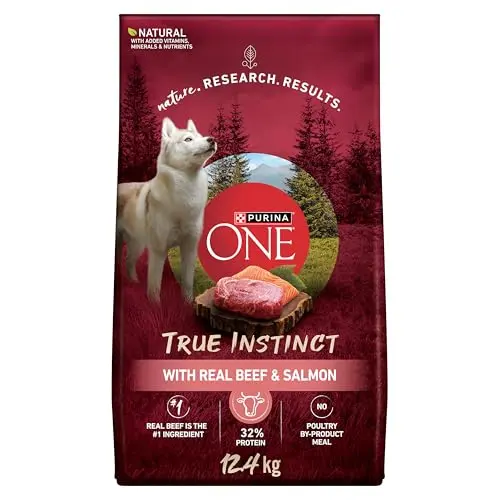
True Instinct Beef & Salmon – High-Protein Fuel for Active Heelers
This nutrient-dense formula punches above its price point with 32% protein, anchored by real beef as the first ingredient. The addition of salmon brings omega fatty acids into the mix, while four antioxidant sources support immune health-all without artificial additives. It’s a straightforward, no-nonsense option for owners who want to keep their high-energy heeler well-fueled without overspending. The kibble is hearty and satisfying, and the beef flavor is a hit with most dogs.
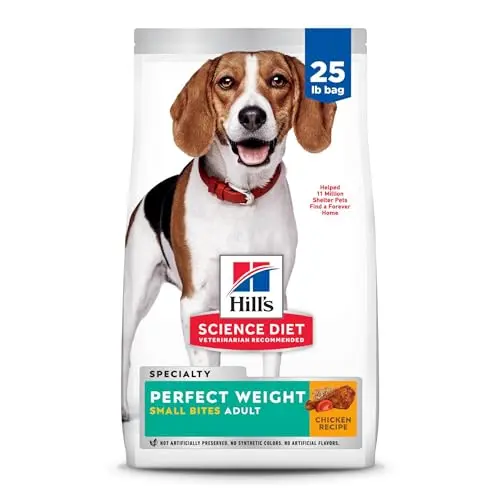
Perfect Weight Small Bites Chicken – Clinically Proven Slim-Down Diet
If your heeler has packed on a few extra pounds, this clinically proven formula is purpose-built to get them back to a healthy weight. Over 70% of dogs lost weight within 10 weeks in feeding trials, thanks to a low-calorie, high-fiber recipe that still maintains muscle mass. Small bite kibble is ideal for heelers with smaller mouths or those who tend to gulp. It’s a vet-recommended approach to weight loss that doesn’t rely on gimmicks.
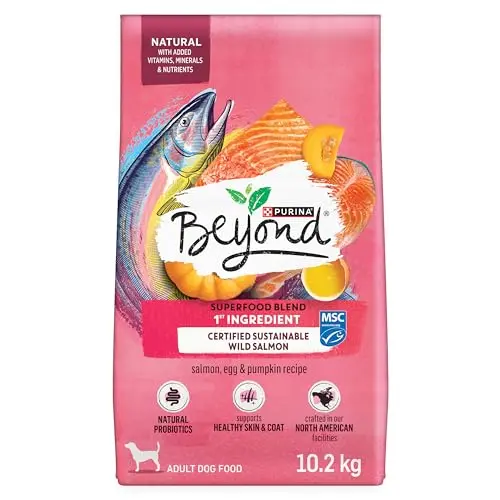
Superfood Blend Salmon, Egg & Pumpkin – Nutrient-Dense Limited Recipe
For owners who prioritize clean, traceable ingredients, this recipe checks all the boxes. It’s built without corn, wheat, or soy, and wild-caught salmon leads the ingredient list, supported by wholesome additions like pumpkin and egg. The limited-ingredient approach reduces the chance of food-triggered allergies while still delivering a complete and balanced meal. It’s a simple, transparent option that doesn’t sacrifice nutrition.
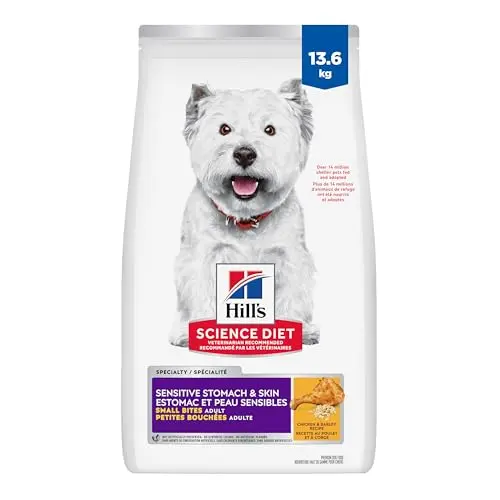
Sensitive Stomach & Skin Small Bites Chicken – Gentle Digestion Support
Designed from the ground up for dogs with delicate digestive systems, this chicken and barley recipe includes prebiotic beet pulp fiber to promote healthy gut flora. The small bite kibble is a thoughtful touch for heelers with smaller mouths, and vitamin E plus omega-6 fatty acids work on skin health from the inside out. It’s a gentle, veterinary-formulated option that sidesteps harsh ingredients.
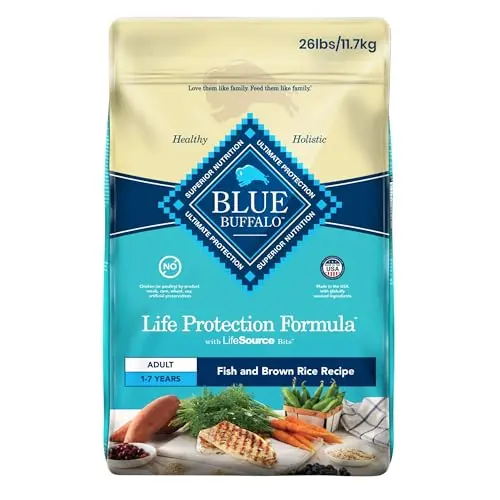
Life Protection Formula Fish & Brown Rice – Balanced Omega-Rich Diet
This fish-based formula starts with deboned whitefish and avoids chicken by-products, corn, wheat, and soy. Its signature LifeSource Bits-cold-formed pellets rich in antioxidants-add a nutritional boost that’s visible in the bowl. For heelers needing a break from common poultry proteins, it’s a tasty, omega-packed alternative that also supports immune and coat health.
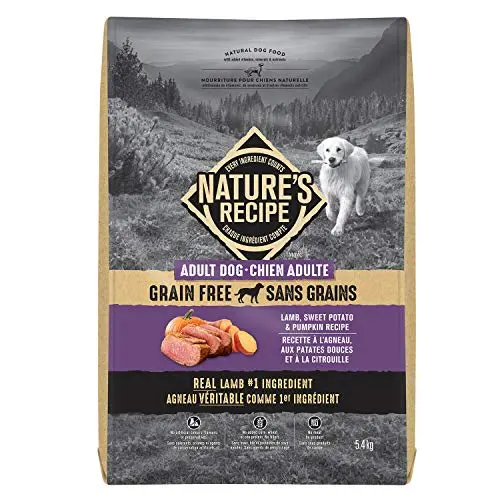
Grain-Free Lamb, Sweet Potato & Pumpkin – Joint-Supportive Meal
This grain-free recipe centers on lamb as a novel protein, making it a candidate for heelers with suspected food allergies. Natural sources of glucosamine and chondroitin from chicken meal (note: chicken meal is included) support joint health, while omega fatty acids and taurine round out the heart and skin benefits. It’s a well-rounded limited-ingredient diet that avoids grains entirely.
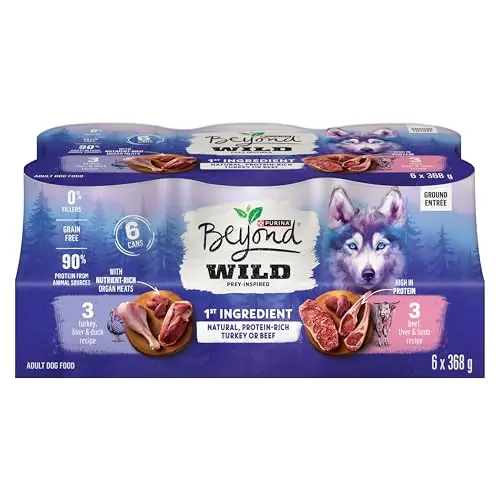
Wild Wet Turkey & Beef Variety Pack – Protein-Rich Meal Topper
This grain-free wet food variety pack is a high-protein treat, with 90% of protein from animal sources like turkey, beef, and organ meats. Use it as a standalone meal for smaller heelers or as a topper to entice picky eaters and boost hydration. The pâté texture is easy to mound on kibble, and the single-protein recipes help with ingredient tracking.
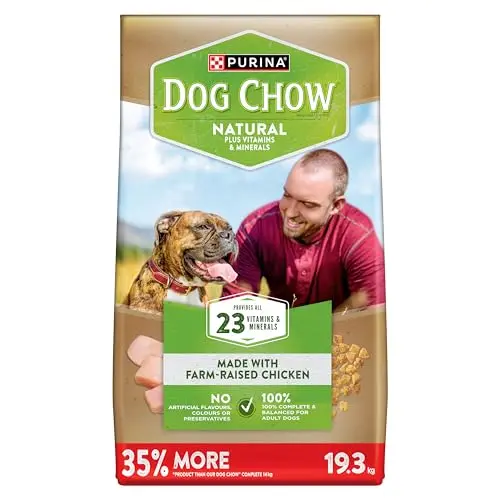
Natural Farm-Raised Chicken – Everyday Balanced Basics
If you’re seeking an affordable, no-frills diet that covers all the nutritional bases, this chicken-based formula does the job. It’s made with farm-raised chicken without artificial colours, flavours, or preservatives. While it won’t win any awards for protein density, it’s a complete and balanced option for heelers with cast-iron stomachs who don’t need specialized nutrition.
How We Evaluated These Dog Foods for Heelers
We didn’t run these through a controlled feeding trial or lab nutrient analysis. What we did: cross-referenced 9 dry and wet dog food models from 7 distinct brands across 6 key decision axes-protein level and source, ingredient quality, digestive support, omega fatty acid content, kibble size, and formulation philosophy for active breeds. We triangulated published specifications, ingredient lists, and aggregated owner feedback where available, weighing use‑case fit for the Australian Cattle Dog’s unique energy and health profile.
The scoring framework weighted real‑world performance for heelers (60%)-how well each food delivers sustained energy, digestive comfort, and coat health-against feature differentiation (40%)-unique technical advantages like prebiotic fiber, limited ingredients, or weight‑management trials. We have no commercial relationship with any of the brands featured; recommendations track fit and differentiation, not brand preference. If your heeler struggles with sensitive skin or stomach, the Pro Plan Sensitive Skin & Stomach is our top pick; for a protein‑packed value option, the Purina ONE True Instinct is a strong runner‑up.
How to Choose the Right Dog Food for Your Heeler
Why Protein Matters for an Active Heeler
Australian Cattle Dogs burn through calories like kindling. Their lean, muscular frames demand a steady supply of high‑quality animal protein to repair tissue, support a healthy heart, and sustain energy levels throughout the day. When you’re scanning ingredients, look for a whole meat-chicken, beef, salmon, or lamb-as the first ingredient. That signals the protein is coming from a recognizable source, not an ambiguous meal. A protein content in the 25‑32% range (on a dry matter basis) is a good target; lower than that and your heeler may lack the building blocks for muscle maintenance, especially if they’re working or competing.
Ingredients to Look for (and Avoid)
Beyond protein, certain ingredients can make or break a heeler’s daily health. Omega‑3 and omega‑6 fatty acids-often from fish oil, flaxseed, or chicken fat-combat the dry, flaky skin and dull coat that plague many cattle dogs. Prebiotic fibers like beet pulp or chicory root support a resilient gut, which is crucial because a stressed digestive system can trigger everything from loose stools to ear infections. On the flip side, avoid artificial colours, flavours, and preservatives-they add nothing and can exacerbate sensitivities. Many heelers do well without corn, wheat, or soy, especially if they show signs of food allergies, but grains like brown rice or oatmeal are fine for most dogs unless a vet advises otherwise.
Grain‑Free vs. Grain‑Inclusive: What's Best for Your Heeler?
The grain‑free conversation is less about demonizing grains and more about how your individual heeler responds. Some dogs thrive on grain‑inclusive formulas that include easy‑to‑digest carbohydrates like oatmeal or barley; others develop itchy skin or ear gunk on any grain at all and do better on sweet potato or pumpkin‑based, grain‑free recipes. There’s no one‑size‑fits‑all answer. If you’re considering grain‑free, start with a limited‑ingredient product-like the Nature’s Recipe Grain‑Free Lamb-and watch for improvement over 4‑6 weeks.
Kibble Size and Digestibility
Heelers aren’t huge dogs, but they’re not toy breeds either. Kibble size can influence how well they chew-and therefore how well they digest. A smaller bite size is often easier for heelers with narrower jaws, and it can slow down fast eaters who otherwise gulp and risk bloat. Look for foods described as ‘small bite” or ‘small kibble” if your dog tends to inhale their meals. Digestibility also ties back to ingredient quality; real meats and named fats are easier to break down than by‑product meals or generic animal fats.
Sensitive Stomachs and Skin Issues in Heelers
This breed is notorious for both tummy troubles and skin woes, which often go hand in hand. A food that includes prebiotic fiber and easily digestible protein can settle a heeler’s stomach, while omega fatty acids and vitamin E soothe inflamed skin. If your heeler is constantly licking paws or suffering from recurrent ear infections, try a limited‑ingredient or sensitive‑system formula-the Hill’s Science Diet Sensitive Stomach & Skin was designed for exactly this scenario. Transition slowly over a week to avoid upsetting the apple cart further.
How to Transition Your Heeler to a New Food
A sudden switch can trigger diarrhea even in the healthiest dog. Over 7‑10 days, gradually mix the new food with the old, increasing the proportion each day: start with 25% new and 75% old, then 50/50, then 75/25, and finally 100% new. Watch for changes in stool consistency, energy, and coat condition. If soft stools persist beyond the transition, the food may not be the right fit. Remember that pumpkin puree (not pie filling) can help settle an upset stomach during the changeover.
Hill's Science Diet vs. Purina Pro Plan: Which Heeler Food Wins?
Both brands have science‑backed formulations, but they cater to slightly different needs. Purina Pro Plan’s Sensitive Skin & Stomach line, like our top pick, uses salmon as the first ingredient and includes prebiotic fiber-ideal for heelers with digestive and coat complaints. Hill’s Science Diet offers a wider range of targeted solutions: weight management with clinical proof and the Sensitive Stomach & Skin formula with small bites. If your heeler is at a healthy weight but has skin/digestive trouble, Pro Plan often wins on value and palatability. If weight control is the priority, Hill’s Perfect Weight is the stronger tool. Choose based on the most pressing health need.
Frequently Asked Questions
Do Australian Cattle Dogs need high‑protein dog food?
Yes, high‑quality protein is critical for this active breed. Heelers were bred to work all day, and that genetic drive means they burn energy quickly. Protein supports muscle repair and maintenance, and a lack of it can lead to a dull coat, low stamina, and even weight gain if the food is mostly carbs. Aim for a formula with at least 25% protein from named meat sources-the higher the better, up to about 32% for very active dogs. The Purina ONE True Instinct hits 32% protein with beef and salmon, making it a great choice for working heelers.
What's the difference between Purina ONE and Purina Pro Plan for heelers?
Both lines come from the same parent company but target different tiers. Purina ONE is positioned as a high‑quality, natural everyday food with strong protein levels and antioxidant support-it’s a dependable workhorse. Pro Plan is the premium, research‑driven line with more specialized formulas, like the Sensitive Skin & Stomach recipe. For heelers, Pro Plan often includes unique additions like live probiotics or specific fatty acid profiles that aren’t in ONE. If your heeler has no specific health issues, ONE gives you excellent value. If you’re battling skin or stomach problems, Pro Plan’s targeted formulas are worth the upgrade.
Is grain‑free better for heelers with allergies?
Not necessarily. While some heelers do have grain sensitivities, true food allergies are more commonly triggered by proteins like chicken or beef. If your heeler is scratching or has chronic ear issues, a limited‑ingredient diet with a novel protein (like lamb or salmon) is a smarter first step than going grain‑free. Grain‑free foods, such as Nature’s Recipe Grain‑Free Lamb, can help if your dog specifically reacts to grains, but they’re not a universal allergy cure. Always work with your vet to identify the culprit.
How much should I feed my heeler each day?
There’s no single answer because it depends on your dog’s age, weight, activity level, and the food’s caloric density. As a ballpark, an active 40‑50 lb heeler typically needs 1,200 to 1,600 calories per day. Check the feeding guide on your chosen food-it’s a starting point. Adjust based on body condition: you should be able to feel ribs without seeing them. If your heeler is putting on weight, cut back; if they’re losing or seem low‑energy, increase. Puppies and pregnant dogs need more frequent meals and higher protein.
Can I just feed my heeler a raw diet instead?
Raw diets can work for some dogs, but they require meticulous balancing of meat, bone, organ, and supplements to avoid nutritional deficiencies. For heelers, which are prone to certain joint issues, a raw diet done wrong can do more harm than good. If you’re interested, consider a commercial raw‑based kibble or wet food like Beyond’s prey‑inspired recipes as a safer middle ground. Always consult a veterinary nutritionist before switching to fully raw, and be aware of the risk of bacterial contamination for both your dog and your household.
Final Verdict
For the typical heeler-active, a bit sensitive, and reliant on you to keep them in top form-the Pro Plan Sensitive Skin & Stomach Salmon & Rice is our clearest recommendation. It tackles the two biggest heeler bugbears (digestive upset and skin irritation) with real‑world results, and dogs genuinely love the taste. If your budget is a bigger factor, the Purina ONE True Instinct Beef & Salmon gives you that muscle‑fueling 32% protein at a price that makes sense for everyday feeding. And if your heeler needs to drop a few pounds, the Hill’s Science Diet Perfect Weight is the safe, proven path back to a healthy waistline. No matter which you choose, a heeler fed well is a heeler ready for anything.