
If you share your home with a Husky Lab mix, you know the drill: endless energy, a coat that sheds like a snowstorm, and the occasional digestive hiccup that leaves you cleaning up more than you’d like. These dogs inherit the best of both breeds-the Husky’s endurance and the Lab’s loyal, food-loving nature-but they also bring a unique set of nutritional needs that a one-size-fits-all kibble just can’t meet.
Getting the right food into their bowl can mean the difference between a shiny, healthy coat and constant itching, or between solid stools and a sensitive stomach that keeps you on edge. In this guide, we've surveyed top formulas across the market to help you cut through the noise. We'll walk you through what matters most for your mix's diet-joint support, skin health, digestive care-and match you with our top picks.
Best Dog Food for Husky Lab Mix – 2026 Reviews
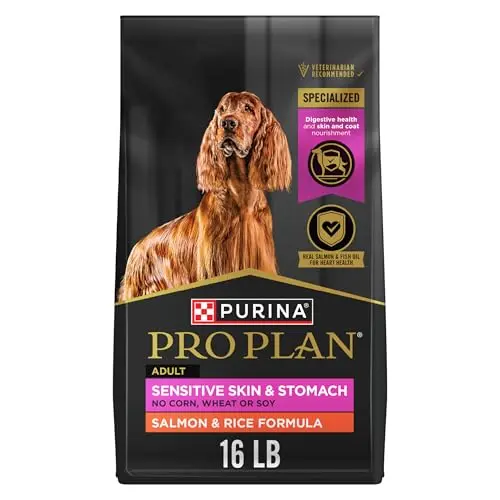
Sensitive Skin & Stomach Salmon & Rice – Gentle Digestion & Coat Care
A top choice for husky lab mixes prone to skin irritation and digestive upset, this salmon-based formula uses easily digestible oatmeal and prebiotic fibre to soothe sensitive systems while sunflower oil and omega fatty acids promote a lustrous coat.
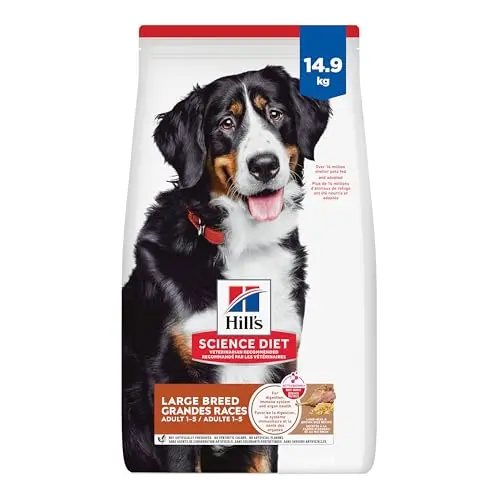
Large Breed Lamb & Brown Rice – Joint & Coat Support
Specifically designed for large breed adults, this formula combines lamb protein with natural sources of glucosamine and chondroitin to keep joints healthy, plus omega-6 and vitamin E to maintain that double coat.
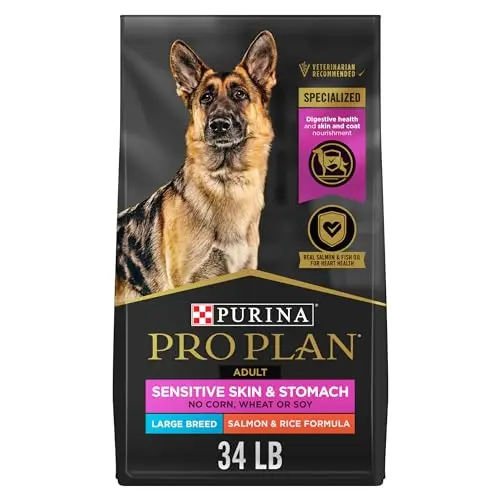
Large Breed Sensitive Skin & Stomach Salmon & Rice – Joint Care & Gentle Digestion
Tailored for large breeds with touchy stomachs, this recipe combines salmon, oatmeal, and prebiotic fibre with glucosamine and EPA for comprehensive joint and digestive support.

Superfood Blend Salmon, Egg & Pumpkin – Natural, Corn-Free Nutrition
A natural recipe free from corn, wheat, soy, and poultry by-product meal, featuring wild-caught salmon and pumpkin for a nutrient-dense, easily digestible meal.
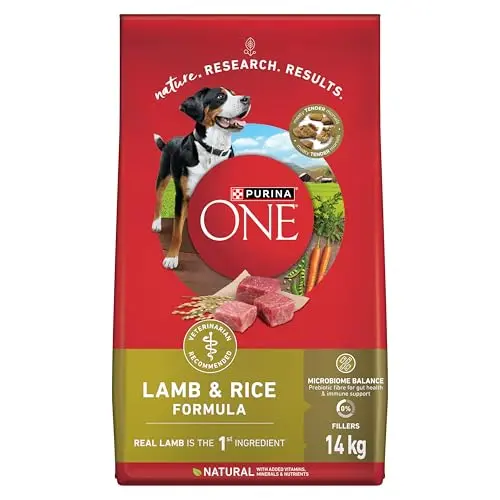
Microbiome Balance Lamb & Rice – Gut Health & Immune Support
Centred on gut health, this lamb-based formula uses prebiotic fibre to support a balanced microbiome, which can translate to better overall immunity and digestion for your active mix.
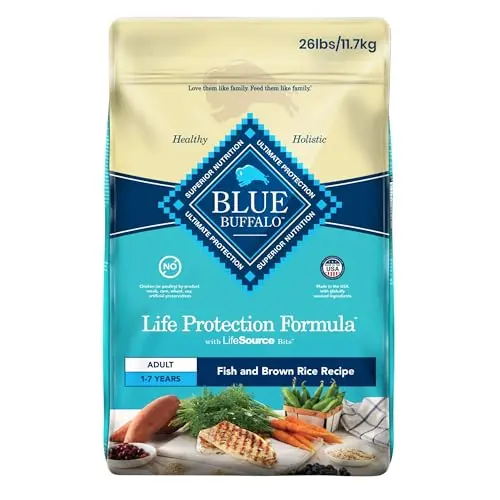
Life Protection Fish & Brown Rice – Omega-Rich for Healthy Coat
Featuring deboned whitefish as the top ingredient, this recipe is packed with omega-3 and omega-6 fatty acids to combat dry, flaky skin and maintain the lush coat your mix is known for.
How We Evaluated These Dog Foods for Husky Lab Mixes
We cross-referenced 6 dog food models from 5 distinct brands-Pro Plan, Hill's Science Diet, Beyond, Purina ONE, and Blue Buffalo-across 5 key decision axes: protein quality, joint support, skin and coat nutrients, digestive health, and breed-size suitability. We triangulated published nutritional profiles, ingredient lists, and aggregated owner feedback where available. The scoring framework weighted real-world performance (60%)-how well each food addresses the actual needs of a husky lab mix, like sensitive digestion and heavy shedding-against feature differentiation (40%), such as added glucosamine or novel proteins. We didn't conduct controlled feeding trials or lab analysis. Instead, these picks are built on a thorough evaluation of publicly available data and owner experiences. If your mix tends toward skin and stomach sensitivities, the Pro Plan Sensitive Skin & Stomach Salmon & Rice is our top recommendation; if joint health is a bigger worry, the Pro Plan Large Breed Sensitive Skin & Stomach offers extra support.
How to Choose the Right Dog Food for Your Husky Lab Mix
What to Look for in a Dog Food for Husky Lab Mixes
When you're scanning ingredient panels, keep your mix's double-whammy needs in mind: a high-quality animal protein should be first, because these dogs are muscular and active. Look for named sources like salmon, lamb, or whitefish. Avoid vague terms like 'poultry meal' if your dog has allergies. Next, fat sources like sunflower oil or fish oil are key for that thick coat; you want to see omega-6 and omega-3 mentioned. Finally, since many husky lab mixes inherit sensitive digestion, prebiotic fibres (like beet pulp or chicory root) and easily digestible carbs (like oatmeal or rice) are worth their weight in gold. If your dog is over 50 pounds, a large breed formula with added joint nutrients is a smart long-term investment.
Why Coat and Skin Support Matters So Much
A husky lab mix without a healthy coat is a miserable sight. The Husky side brings a dense double coat that sheds in clumps, and skin dryness can exacerbate it. Omega-6 fatty acids, found in ingredients like sunflower oil and chicken fat, help maintain skin barrier function, while omega-3s from fish oil reduce inflammation. If your dog is constantly scratching or has bald patches, a food with high levels of omega-6 and vitamin E can make a visible difference within weeks. Our top pick, Pro Plan Sensitive Skin & Stomach, explicitly targets this issue, and owner feedback confirms fewer hot spots and softer fur. Even if your dog isn't currently flaky, a coat-supportive diet is preventative insurance.
Joint Health: A Priority for Large, Active Dogs
Husky lab mixes love to run, jump, and play-which means their joints take a pounding. Both parent breeds are prone to hip dysplasia, and extra weight (a Lab trait) adds stress. That's why glucosamine and chondroitin are almost essential in their food. These compounds occur naturally in cartilage and can slow joint degeneration. Look for them on the ingredient list; both Pro Plan Large Breed Sensitive Skin & Stomach and Hill's Science Diet Large Breed include them. If your dog is still young, you might not see the need, but starting joint support early can pay off in the long run. Combine it with a controlled calorie intake to avoid obesity, which is the number-one joint stressor.
Digestive Health: Keeping That Sensitive Stomach Happy
Loose stools, gas, and vomiting after meals are common complaints among husky lab mix owners. These dogs often inherit a sensitive gut from their Husky lineage. A formula with prebiotics-fibres that fuel good gut bacteria-can stabilize digestion. Oatmeal and rice are gentle carb sources that are less likely to upset. If your dog has a particularly reactive stomach, consider a limited ingredient diet or one with a novel protein like salmon. The Purina ONE Microbiome Balance is built around gut health, while the Pro Plan Sensitive Skin & Stomach line is tried-and-tested. Avoid sudden food switches-transition slowly over a week to minimize upset.
Pro Plan Sensitive Skin & Stomach vs Hill's Large Breed: Which Dog Food Wins?
These two are often compared, and they serve slightly different purposes. The Pro Plan Sensitive Skin & Stomach leans heavily on digestive and skin support with its salmon and prebiotic fibre, but lacks glucosamine. It's ideal if your main concerns are itchiness and loose stools, and your dog is under 50 pounds or joints are fine. Hill's Science Diet Large Breed, on the other hand, prioritizes joint health with natural glucosamine and uses lamb-a good option if chicken is a trigger. The kibble is larger, which can slow down fast eaters. If your mix is over 50 pounds, Hill's gets the edge; if skin and stomach issues dominate, Pro Plan is the winner.
Grain-Free vs. Grain-Inclusive: What's Best?
Grain-free diets exploded in popularity, but for husky lab mixes, it's not a must. Whole grains like brown rice and oatmeal are excellent sources of energy and fibre and rarely cause allergies-animal proteins are the usual culprits. Unless your vet has diagnosed a grain sensitivity, there's no need to avoid grains. In fact, the FDA has investigated a potential link between grain-free diets and dilated cardiomyopathy (DCM) in dogs, though the research is inconclusive. Most of the foods we recommend here include grains, and they work well. If you do go grain-free for a genuine reason, ensure the food is balanced and from a brand with a good nutritionist on staff.
Frequently Asked Questions
What's the difference between Pro Plan Sensitive Skin & Stomach and Hill's Science Diet Large Breed?
Both are high-quality options, but their strengths differ. The Pro Plan Sensitive Skin & Stomach is built around salmon and oatmeal to soothe skin and digestion, with prebiotics for gut health. It's a great choice if your dog has allergies or a sensitive stomach. Hill's Science Diet Large Breed, by contrast, uses lamb protein and includes natural glucosamine and chondroitin for joint support-a critical factor for larger or older mixes. The kibble is also larger, which can help fast eaters. For a young, itchy dog under 50 pounds, Pro Plan is likely the better fit; for a heavier dog with potential joint issues, Hill's is our top large breed pick.
Is salmon-based food better for husky lab mixes than chicken?
It can be, especially for dogs with skin problems. Chicken is a common allergen in dogs, and many husky lab mixes react to it with itching, ear infections, or digestive upset. Salmon, on the other hand, is a novel protein for most dogs and provides natural omega-3 fatty acids that directly support skin and coat health. If your dog hasn't shown a chicken sensitivity, a chicken-based food may be fine-just monitor for signs like excessive licking or loose stools. Many owners find that switching to a salmon formula like our overall pick clears up persistent issues within a few weeks.
How do I know if my husky lab mix needs a joint supplement in their food?
Watch for early signs of joint discomfort: stiffness after lying down, reluctance to jump into the car, limping after exercise, or a slowed gait. Large breed dogs like husky lab mixes are predisposed to hip dysplasia and arthritis. If you notice these, a food with added glucosamine and chondroitin-like Hill's Science Diet Large Breed or Pro Plan Large Breed-can help. Even without symptoms, starting joint-supportive nutrition around age 2-3 is a proactive move. If your dog is already on a good-quality food that lacks glucosamine, you can always add a separate supplement, but many owners find it simpler to get everything in one bag.
My mix has a very sensitive stomach-should I pick a limited ingredient diet or a sensitive stomach formula?
Start with a sensitive stomach formula that includes prebiotic fibres and easily digestible carbs. These are designed to stabilize digestion without being overly restrictive. Our Pro Plan Large Breed Sensitive Skin & Stomach is a great example. If that doesn't help after a few weeks, your dog might have a single protein intolerance, and a limited ingredient diet (LID) with one protein source and one carb can help you isolate the trigger. However, LIDs can be less nutritionally complete, so only switch if truly needed and under veterinary guidance.
Can I feed my husky lab mix a grain-free diet?
Yes, but it may not be necessary. Grains like rice and oatmeal are highly digestible for most dogs and provide energy. The push for grain-free originally stemmed from marketing, not from widespread grain allergies-protein is the more common allergen. Moreover, some grain-free diets have been linked to heart issues in dogs. If your dog has no proven grain sensitivity, a grain-inclusive food is perfectly healthy. All of our recommended picks include grains, and they're formulated by veterinary nutritionists. Unless your vet advises otherwise, sticking with a balanced grain-inclusive formula is the safer bet.
Final Verdict
For most husky lab mixes, the Pro Plan Sensitive Skin & Stomach Salmon & Rice is the one to beat-it addresses the two biggest complaints (itchy skin and loose stools) without costing a fortune. If your dog is larger and you're worried about joint wear, the Pro Plan Large Breed Sensitive Skin & Stomach adds glucosamine and EPA for extra support. And for a more budget-conscious pick that still prioritizes digestion, the Beyond Superfood Blend or Purina ONE Microbiome Balance are strong alternatives. Whichever you choose, you'll have a happier, healthier, and less-scratchy companion.