
Your Lhasa Apso deserves a dinner that’s as majestic as that flowing coat. But behind those regal looks lies a breed with a few dietary quirks: a tiny jaw, a tendency toward dental woes, and a digestive system that can be as sensitive as their personality. Choosing the right dog food isn’t just about filling a bowl – it’s about supporting their long, healthy life from the inside out.
We dug into the market to compare recipes across brands, weighing everything from kibble size to protein source and targeted health benefits. Whether your Lhasa Apso needs help with stinky breath, scratchy skin, or unpredictable stools, the right kibble exists – and this guide will help you find it without defaulting to one brand’s entire lineup.
Best Dog Food for Lhasa Apsos – 2026 Reviews
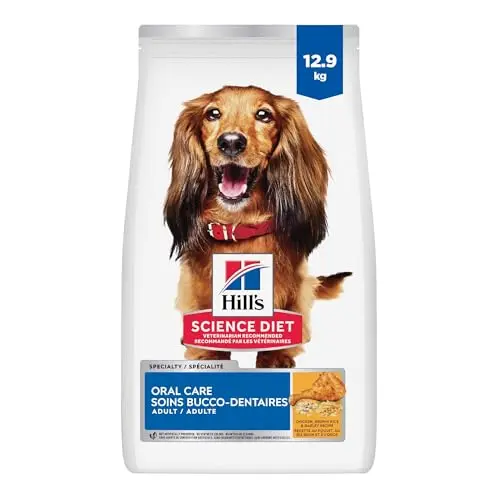
Oral Care – Fresh Breath & Clean Teeth
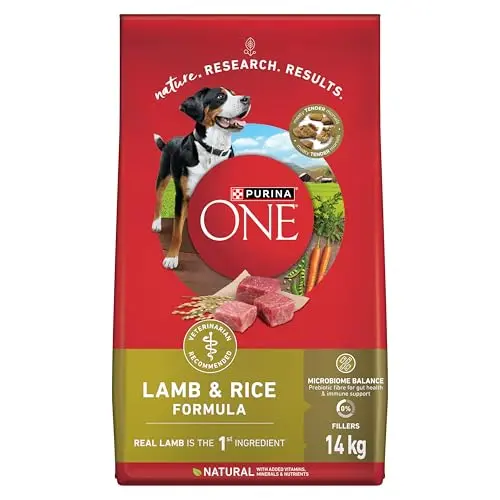
Microbiome Balance Lamb & Rice – Digestive Health Support
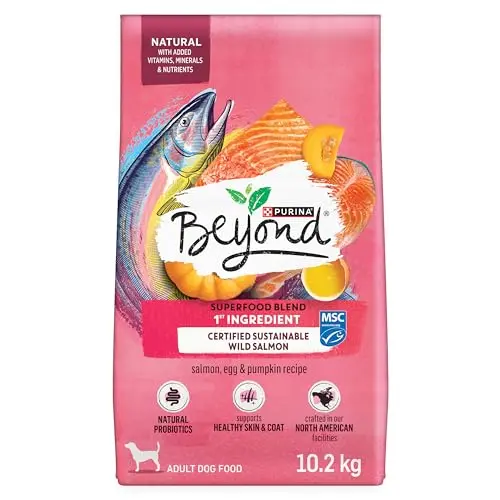
Superfood Blend Salmon, Egg & Pumpkin – Grain-Free Goodness
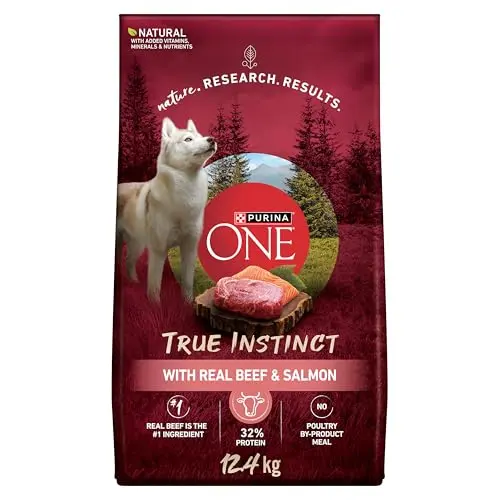
True Instinct High Protein Beef & Salmon – Muscle Support
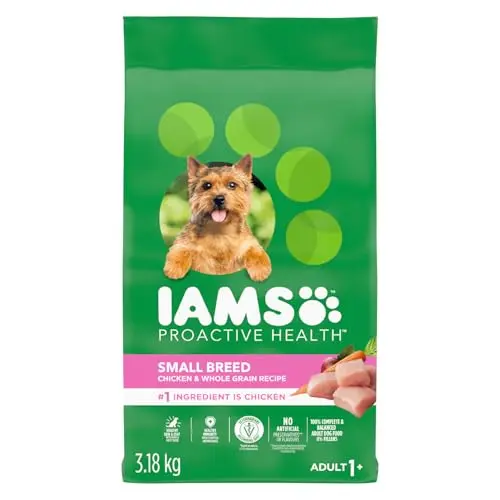
Small Breed Chicken – Tailored for Tiny Jaws
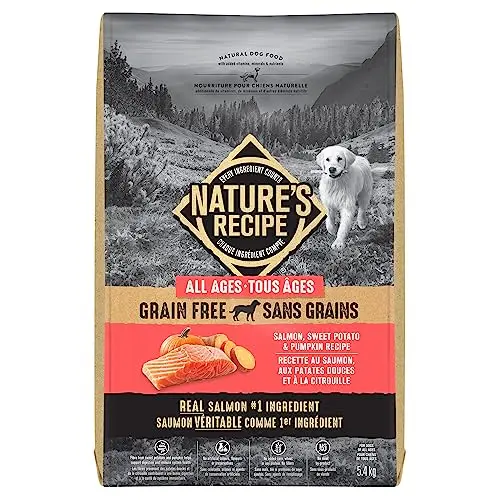
Grain Free Salmon, Sweet Potato & Pumpkin – Limited Ingredient Diet
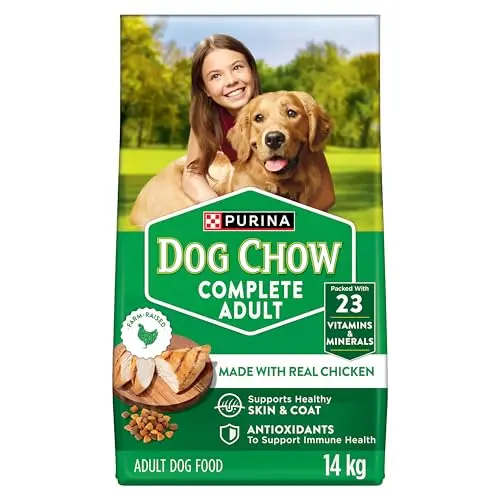
Complete Chicken – Affordable Everyday Nutrition
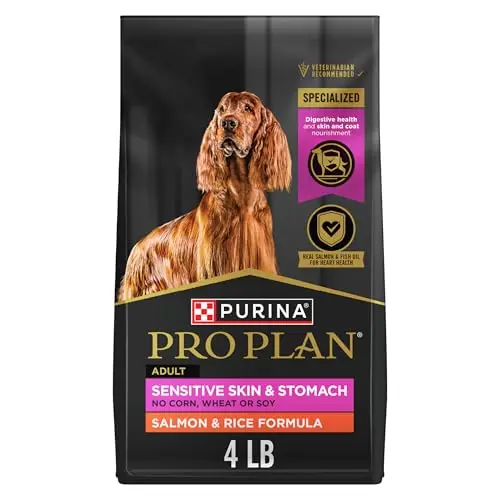
Sensitive Skin & Stomach Salmon & Rice – Gentle Digestion
How We Evaluated These Dog Food for Lhasa Apsos
We didn’t run controlled feeding trials or stool analysis in a lab. What we did: cross-referenced 8 dog food models from 7 distinct brands across 5 decision axes – protein source, grain inclusivity, kibble size, digestive support, and targeted health benefits. We triangulated published ingredient lists, feeding recommendations, and aggregated owner feedback where available, mapping each formula against the common needs of Lhasa Apsos: small mouths, prone to dental drama, and often dealing with sensitive stomachs or skin allergies.
The scoring framework weighted real-world performance (60%) – how well each recipe delivers on its health promises – against feature differentiation (40%) – unique nutritional advantages like oral care technology or limited-ingredient recipes. We have no commercial relationship with any of the brands featured; recommendations track fit and differentiation, not brand preference. For most Lhasa Apsos, the Hill’s Oral Care earns top marks as a smart, preventative all-rounder. If your pup struggles with recurring tummy troubles or itchiness, the Purina Pro Plan Sensitive Skin & Stomach is the targeted solution.
How to Choose the Right Dog Food for Lhasa Apsos
What to Look for in Dog Food for Lhasa Apsos
Lhasa Apsos bring a unique set of needs to the dinner bowl. Small kibble size is a must because those tiny jaws and teeth can’t handle large, hard chunks. High-quality protein should always lead the ingredient list, with animal sources like chicken, lamb, or salmon providing the building blocks for healthy muscles and a shiny coat. Beyond that, look for omega fatty acids for skin and coat health, and fibre sources like pumpkin or oatmeal to keep digestion smooth. Avoid recipes loaded with ambiguous meat meals, artificial colours, and preservatives – Lhasa Apsos often do best on simpler, more transparent formulas.
Understanding Lhasa Apso Dietary Needs
This breed is prone to allergies and food sensitivities, so a limited-ingredient or novel protein food can be a game-changer. Chicken is a common allergen for many Lhasa Apsos, so if your dog shows signs of itching or digestive upset, consider switching to lamb, salmon, or beef-based recipes. Dental health is another biggie – Lhasa Apsos are notorious for plaque buildup, so a food with proven dental benefits (like Hill’s Oral Care) can reduce vet visits. Finally, weight management matters; this breed can pack on pounds easily, so a food with lean protein and controlled calories helps keep them spry.
Grain-Free vs. Grain-Inclusive: Which is Better?
The grain-free trend isn’t a one-size-fits-all solution. For Lhasa Apsos with confirmed grain allergies or sensitivities, Beyond Superfood Blend or Nature’s Recipe offer wholesome, grain-free alternatives. However, many dogs thrive on high-quality grains like oatmeal or brown rice, which provide fibre and energy. Unless your dog has a diagnosed intolerance, grain-inclusive diets are often more affordable and just as nutritious. The key is quality over whether grains are present – whole grains beat processed fillers any day.
Small Kibble Size Matters for Small Mouths
A Lhasa Apso’s mouth is deceptively small, and large kibble can lead to choking hazards, difficulty chewing, and even disinterest in meals. Foods designed specifically for small breeds, like IAMS Small Breed Chicken, have been through sizing torture tests – their kibble is uniformly petite and easy to crunch. Even among all-breed formulas, check owner feedback for complaints about kibble size appropriateness before buying.
Common Food Sensitivities in Lhasa Apsos
Itching, ear infections, and loose stools are often signs of a food sensitivity. Lhasa Apsos can react to common proteins like chicken, or to fillers like corn and soy. If your dog shows symptoms, switching to a formula with novel proteins (salmon, lamb) and no artificial additives can make a world of difference. Purina Pro Plan Sensitive and Nature’s Recipe are both built to soothe these issues with gentle, single-source proteins and added omega fatty acids for skin repair.
Dental Health and Diet: How Food Can Help
Forget the toothbrush struggle – your dog’s kibble can do some of the work. Hill’s Oral Care uses clinically proven fiber technology that physically scrubs teeth as dogs chew, reducing plaque and tartar. Lhasa Apsos are predisposed to periodontal disease, so a dental-focused diet is a smart preventative step. Even without a special dental formula, dry kibble in general helps scrape teeth better than wet food, and some formulas include sodium tripolyphosphate to bind calcium and slow tartar formation.
Budget Options That Don't Sacrifice Quality
You don’t need to spend a fortune to feed your Lhasa Apso well. Dog Chow Complete Chicken checks the boxes for real chicken, no fillers, and added antioxidants at a wallet-friendly price. For a grain-free option that’s still affordable, Nature’s Recipe delivers limited ingredients with salmon and pumpkin. The key is to prioritize named protein sources and avoid foods where corn or by-products top the list – even a budget food should meet those standards.
Frequently Asked Questions
What dog food ingredients should I avoid for a Lhasa Apso with allergies?
Lhasa Apsos with allergies often react to common proteins like chicken, as well as grains such as corn, wheat, and soy. Artificial colours, flavours, and preservatives can also trigger itching or digestive upset. If your dog shows signs of an allergy, start by eliminating poultry-based recipes and opt for a food with a single novel protein like salmon or lamb. Purina Pro Plan Sensitive and Nature’s Recipe are both excellent starting points, with their limited-ingredient lists and omission of common allergens.
How does Hill's Oral Care compare to Purina ONE Lamb for Lhasa Apsos?
Hill’s Oral Care puts dental health front and centre, using fibre technology to mechanically scrub teeth and reduce plaque. It’s a great all-around food if your Lhasa Apso has no specific dietary sensitivities but you want to stay ahead of dental issues. Purina ONE Lamb, on the other hand, prioritizes digestive support with prebiotic fibre and a lamb-first recipe, making it ideal for dogs with mild tummy troubles or chicken allergies. If bad breath and tartar are your main concern, go with Hill’s; if you’re managing a delicate stomach, Purina ONE Lamb is the better pick.
Is grain-free food better for Lhasa Apsos?
Not necessarily. Grain-free diets can be beneficial if your Lhasa Apso has a confirmed grain allergy or sensitivity, but they’re not inherently healthier. Many high-quality grain-inclusive foods use whole grains like oatmeal or brown rice that provide fibre and energy without triggering issues. Unless your vet recommends a grain-free diet due to a specific health condition, you can safely choose either path. The Purina ONE Lamb with its grain-inclusive prebiotic formula is a testament to how well grains can work for sensitive stomachs.
How does IAMS Small Breed differ from Purina Pro Plan Sensitive?
IAMS Small Breed is tailored to the mechanics of tiny mouths – the kibble size is notably smaller, and the recipe focuses on digestive predictability with its 10-day stool improvement claim. It uses chicken as the protein, which is great for dogs without poultry allergies. Purina Pro Plan Sensitive takes a therapeutic approach, with salmon and oatmeal to tackle both skin and stomach sensitivities. It’s a better fit if your Lhasa Apso shows signs of allergic reactions or chronic loose stools, while IAMS is ideal for general small-breed nutrition with a focus on firm output.
Why does kibble size matter for Lhasa Apsos?
Lhasa Apsos have small, crowded teeth and a jaw structure that makes large kibble difficult and potentially dangerous to chew. Too-large pieces can lead to choking, discomfort, or even dental fractures. They may also simply refuse to eat if the kibble is a struggle. Small-breed-specific formulas like IAMS use kibble sized to reduce these risks while encouraging proper chewing – which, in turn, helps control plaque through natural abrasion. Even if you choose an all-breed formula, pay attention to owner feedback about kibble size.
Final Verdict
For the typical Lhasa Apso without a specific health concern, the Hill’s Oral Care is our top recommendation – it proactively tackles dental issues that plague small breeds while providing balanced nutrition. If your pup turns up their nose at chicken or has an uneven digestive history, the Purina ONE Lamb offers a gentler protein source with gut-friendly prebiotics. For Lhasa Apsos whose skin and stomach are in a constant state of upset, the Purina Pro Plan Sensitive is the clear winner. And if you’re after the most tailored small-breed experience, the IAMS Small Breed delivers on kibble size and digestive predictability. No matter which you choose, your Lhasa Apso’s coat will thank you.