
Watching your dog lose muscle mass is gut-wrenching. Whether it’s due to aging, injury, or illness, muscle atrophy can sap their strength, mobility, and overall quality of life. The right diet, though, can make a meaningful difference. A high-quality dog food packed with bioavailable protein, essential amino acids, and joint-supporting nutrients helps rebuild and maintain lean muscle, giving your dog back some of that lost vigor.
But not all dog foods are created equal when it comes to combating muscle loss. You need a formula that prioritizes real animal protein as the first ingredient, delivers a balanced amino acid profile, and includes extras like glucosamine and chondroitin to support the connective tissues that work alongside those muscles. We’ve dug into the ingredient lists, nutritional profiles, and owner feedback across the market to shortlist the best options for dogs dealing with muscle atrophy. This isn’t about one brand – it’s about finding the diet that gives your dog the best shot at staying strong and active.
Best Dog Food for Muscle Atrophy – 2026 Reviews
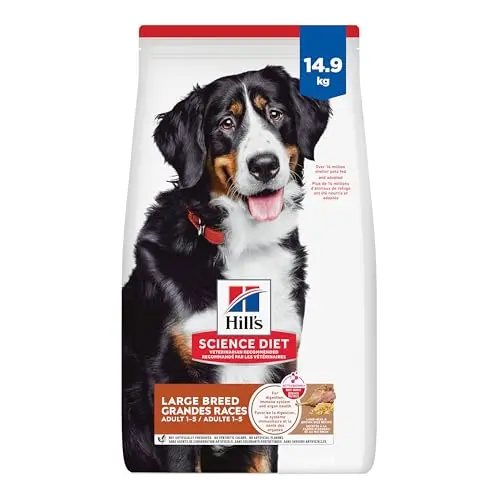
Adult Large Breed Lamb Meal & Brown Rice – Lean Muscle & Joint Support
A large-breed formula that pairs high-quality lamb protein with glucosamine and chondroitin for dogs needing muscle maintenance and joint care. The thoughtful ingredient list supports lean muscle without unnecessary fillers, making it a solid pick for dogs prone to atrophy.
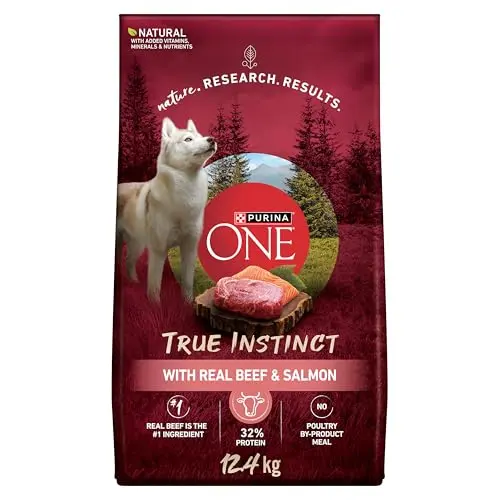
True Instinct Beef & Salmon – 32% Protein Powerhouse
With 32% protein content and real beef as the primary ingredient, this nutrient-dense formula is built to fuel muscle repair. The addition of salmon brings omega-3s, making it a strong candidate for dogs needing serious protein support.
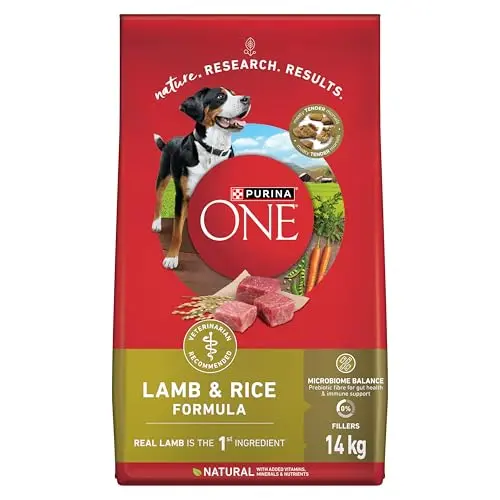
Microbiome Balance Lamb & Rice – Digestive & Muscle Support
This formula pairs easily digestible lamb protein with prebiotic fibre to support gut health, which is key for nutrient absorption in dogs with muscle loss. A well-rounded pick that targets both muscle and digestive wellness.
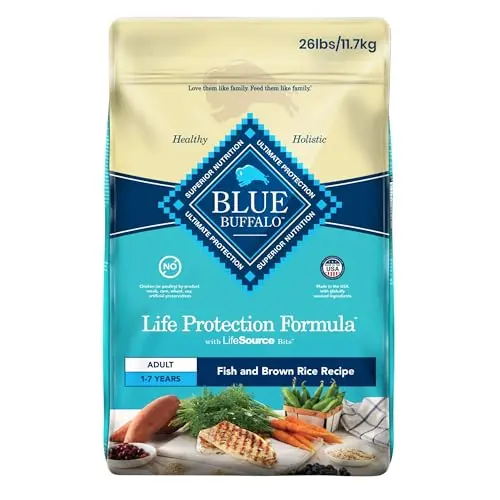
Life Protection Fish & Brown Rice – Omegas & Lean Muscle
Built around deboned whitefish as the primary protein, this formula combines omega-3 & -6 fatty acids with antioxidant-rich LifeSource Bits. It’s designed to maintain strong muscles while supporting skin, coat, and immune health.
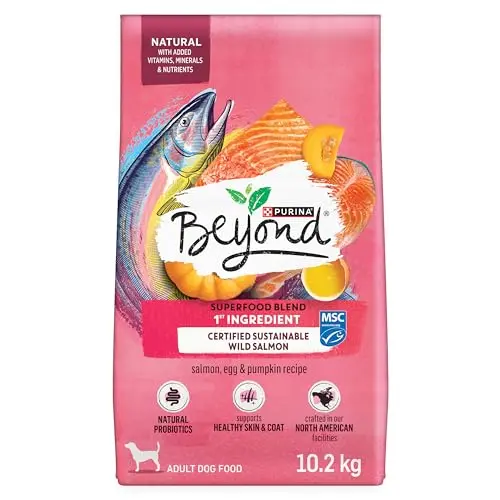
Superfood Blend Salmon, Egg & Pumpkin – Natural Muscle Support
Wild-caught salmon paired with egg and pumpkin creates a nutrient-dense, limited-ingredient formula. It’s a clean, natural option for dogs needing high-quality protein without artificial additives.
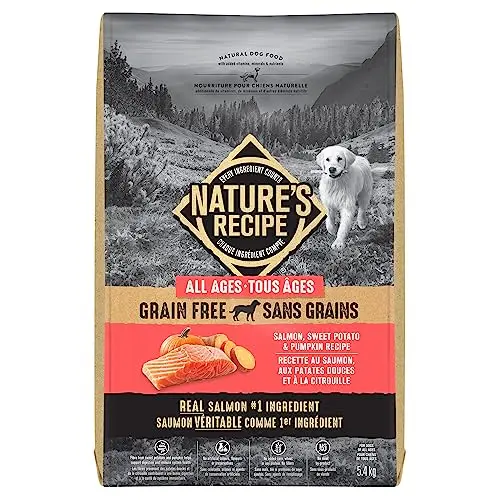
Grain Free Salmon, Sweet Potato & Pumpkin – Lean Protein & Joint Aid
Salmon takes the lead in this grain-free recipe, complemented by sweet potato and pumpkin for digestible carbs. Natural glucosamine from chicken meal supports joints, making it a thoughtful pick for dogs with mobility concerns.
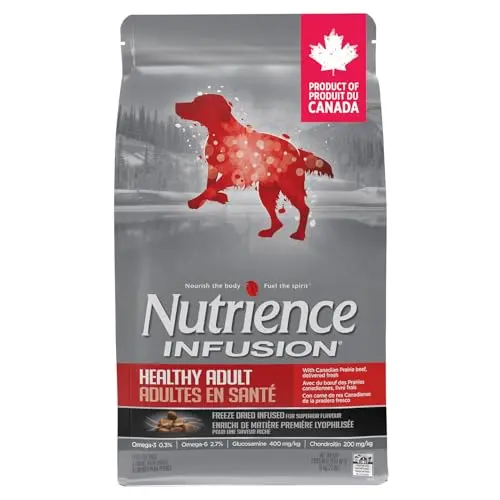
Infusion Beef with Freeze-Dried Liver – Canadian Protein Richness
Proudly Canadian-made, this beef-based formula is infused with freeze-dried beef liver for flavour and bioavailability. It also supports weight management and joint care, rounded out by salmon and coconut oils for skin and coat.
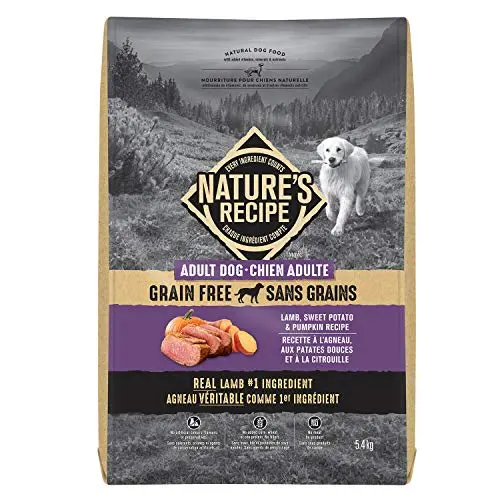
Grain Free Lamb, Sweet Potato & Pumpkin – Gentle Joint & Bone Care
Real lamb anchors this grain-free, limited-ingredient formula, with sweet potato and pumpkin contributing fibre and key vitamins. Added taurine supports heart health, making it a thoughtful pick for overall vitality.
How We Evaluated These Dog Food for Muscle Atrophy
We didn’t conduct long-term feeding trials or measure muscle mass in a lab. What we did: cross-referenced 8 dog foods from 6 distinct brands across five decision axes – protein quality and quantity, amino acid profile (especially leucine content), digestibility and bioavailability, joint-supporting nutrients, and ingredient transparency. We triangulated published nutritional information, ingredient lists, and aggregated owner feedback where available against the specific demands of dogs with muscle atrophy.
The scoring framework weighted real-world muscle-support potential (60%) – does this food deliver enough high-quality, digestible protein and the right co-factors to actually help rebuild lean mass? – against feature differentiation (40%) – unique advantages like novel protein sources, gut health support, or freeze-dried infusions that boost absorption. We have no commercial relationship with any of the brands featured; recommendations track fit and differentiation, not brand preference. If your dog needs maximum protein per bite, the Purina ONE True Instinct is your match; for a balanced joint-muscle approach, the Hill’s Science Diet Large Breed leads the pack.
How to Choose the Right Dog Food for Muscle Atrophy
Understanding Muscle Atrophy in Dogs
Muscle atrophy is the loss of muscle tissue, often caused by disuse, aging, malnutrition, or underlying disease. It leads to weakness, reduced mobility, and a lower quality of life. While veterinary care is essential, nutrition plays a pivotal role in slowing progression and sometimes rebuilding lost mass. A diet rich in high-quality, easily digestible protein provides the amino acids needed for muscle protein synthesis, especially leucine, which triggers repair pathways. Beyond protein, calories matter: an atrophied dog may need more energy-dense food to prevent further wasting. Always consult your vet to rule out medical causes before relying on diet alone.
Key Ingredients That Support Muscle Recovery
Real animal protein should be the first ingredient – think chicken, beef, lamb, or fish meal. Look for named meat meals, which are concentrated protein sources (300% more protein than fresh meat). Taurine and carnitine support heart and skeletal muscle function, while omega-3 fatty acids from fish oil reduce inflammation that can exacerbate muscle loss. Glucosamine and chondroitin, though known for joints, also aid the connective tissue that works with muscles. Avoid foods where the protein comes mainly from plants, as canine bodies utilize animal protein far more efficiently. If the label lists corn, wheat, or soy high up, keep looking.
Protein Quality: Not All Protein Is Equal
A bag label says ‘25% protein’, but the source determines how much your dog actually absorbs. Animal proteins have complete amino acid profiles high in essential amino acids like methionine and lysine. Plant proteins often lack one or more essentials. Also, digestibility scores (though not always listed) matter: egg, muscle meat, and organ meats rate highest. In contrast, feather meal or soy protein isolate may boost the percentage on paper but offer little usable nutrition. Foods with multiple animal protein sources (e.g., beef + salmon) tend to provide a broader amino acid spread, which can be advantageous for dogs with muscle atrophy recovering from different types of tissue loss.
The Connection Between Joint Health and Muscle Maintenance
When muscles weaken, joints bear the brunt. Glucosamine and chondroitin help maintain cartilage, but they can’t replace the stabilizing force of muscle. For a dog with muscle atrophy, joint pain can discourage movement, creating a downward spiral. That’s why formulas like Hill’s Science Diet Large Breed include both high protein and joint support. Look for natural sources of glucosamine (from chicken meal or shellfish) rather than just supplements tacked on. Omega-3s also quiet the inflammatory response that damages joints. If your dog has concurrent arthritis, a combined muscle-joint formula is the most efficient route.
Grain-Free vs. Whole Grains: Which Is Better?
The grain-free trend isn’t inherently better for muscle atrophy unless your dog has a verified grain allergy. In fact, whole grains like brown rice and oatmeal provide steady energy and fibre, which can be beneficial for dogs that need to put on weight without digestive upset. Grain-free formulas often substitute legumes (peas, lentils), which are plant protein sources that may lower overall protein quality if used in excess. The Beyond Superfood Blend uses pumpkin and sweet potato as gentle, low-glycemic carb sources – a reasonable middle ground. Focus on protein first, and let the carb source be a secondary concern unless sensitivities are present.
Transitioning Your Dog to a New Food Safely
An abrupt change can cause gastrointestinal distress and further set back an already weakened dog. Gradually mix the new food with the old over 7-10 days, starting with 25% new and increasing every two days. If your dog refuses, warm the kibble slightly or add a spoonful of low-sodium broth. Watch for loose stools or vomiting – signs you’re moving too fast or the food isn’t agreeing. For dogs with atrophy-induced weakness, consider moistening the kibble to make it easier to eat. Patience here pays off, as a failed switch can disrupt nutrient absorption for weeks.
Frequently Asked Questions
Hill's Science Diet vs Purina ONE: Which is better for muscle atrophy?
Hill’s Science Diet Large Breed excels for dogs who need joint-muscle synergy – the glucosamine and chondroitin from natural sources are a standout. Purina ONE True Instinct wins on sheer protein density (32%) and palatability, making it ideal for aggressive muscle rebuilding. If your dog has confirmed joint issues alongside atrophy, the Hill’s is a better combo. For pure protein punch, go with Purina ONE True Instinct. Both are backed by decades of research, but they suit slightly different profiles. The Hill’s is our top overall for its balanced approach.
Blue Buffalo vs Nutrience: Which has better protein quality?
Blue Buffalo’s deboned whitefish offers a lean, novel protein with high omega-3 content, making it great for inflammation-prone dogs. Nutrience uses fresh beef and a freeze-dried liver infusion that dramatically boosts palatability and amino acid variety. Both are high-quality, but Nutrience may have a slight edge in bioavailability due to the organ meat inclusion. However, Blue Buffalo’s fish recipe is better for dogs with poultry or beef sensitivities. If your dog can handle beef, Nutrience’s flavour and Canadian craftsmanship make it a compelling choice, though cost per serving is higher. For most atrophy cases, either will support muscle maintenance effectively.
How can I tell if my dog has muscle atrophy?
Look for visible muscle loss along the spine, hips, shoulders, or hind legs – the bone structure becomes more pronounced. Your dog may struggle to stand, climb stairs, or jump, and you might notice a swaying gait or trembling. Weight loss without a decrease in appetite is another red flag. Gentle palpation may reveal thinner, less firm muscles compared to a healthy dog. Always have a vet confirm, as atrophy can stem from serious conditions like degenerative myelopathy or arthritis. Blood tests can assess nutritional deficiencies, while physical exams and sometimes X-rays or ultrasounds pinpoint the cause. Early detection greatly improves dietary intervention outcomes.
Can diet alone reverse muscle atrophy in dogs?
Diet alone rarely fully reverses severe atrophy, but it’s a cornerstone of management and can significantly improve muscle mass and function when combined with appropriate exercise and veterinary treatment. High-quality, digestible protein provides the building blocks; caloric adequacy prevents further wasting; and supplements like omega-3s control inflammation. In cases of malnutrition or mild disuse atrophy, a protein-rich diet may yield noticeable gains. However, if atrophy is caused by a neurological condition or advanced age, diet can slow decline but won’t restore all lost mass. Think of food as supportive therapy, not a cure. Always work with your vet to design a multifaceted plan.
How much protein does a dog with muscle atrophy need?
There’s no one-size-fits-all number, but dogs with atrophy often benefit from 30-40% of calories from protein for aggressive support, though many maintenance diets fall around 25%. The key is high biological value protein – animal sources like chicken meal, beef, and fish. A food with 32% protein like Purina ONE True Instinct is a solid target. Puppies and highly active breeds may need even more. Overdoing protein can strain kidneys in dogs with pre-existing renal issues, so confirm with your vet. Focus on quality per serving rather than just the percentage; a lower-protein food with superior digestibility may outperform a high-percentage formula based on plant fillers.
What role do joint supplements play in muscle atrophy?
Joint supplements like glucosamine and chondroitin don’t directly build muscle, but they help maintain mobility, allowing dogs to stay active – which preserves muscle mass. When joints hurt, dogs move less, accelerating atrophy. Many of our top picks, like the Hill’s Science Diet Large Breed, include natural sources of these compounds, often from chicken meal. Omega-3 fatty acids also reduce joint inflammation. If your dog’s atrophy is secondary to arthritis, a joint-supplemented food is wise. However, if the primary issue is nutritional deficiency, focus on protein and calorie density first, and consider separate joint supplements if needed.
Final Verdict
For most dogs facing muscle atrophy, the Hill’s Science Diet Adult Large Breed Lamb Meal & Brown Rice is the strongest all-around choice – it balances high-quality protein with vital joint support, making it ideal for a dog that needs to rebuild strength while staying mobile. If your priority is sheer protein content per kibble, the Purina ONE True Instinct Beef & Salmon delivers a 32% protein punch that’s hard to beat. For dogs with sensitive stomachs or poultry allergies, the Beyond Superfood Blend Salmon, Egg & Pumpkin offers a clean, limited-ingredient alternative that still supports muscle health. And if you want a Canadian-made, flavour-forward option, Nutrience Infusion Beef with Freeze-Dried Liver ticks the boxes for palatability and ingredient quality. The right diet can’t turn back the clock, but it can give your dog the nutritional foundation to stay stronger, longer.