
Bringing your dog home after their spay or neuter surgery feels like a fresh start. But within months, many owners notice subtle changes – a little extra padding around the ribs, a bit less enthusiasm for long walks, maybe some digestive grumbles that weren’t there before. Those shifts aren’t your imagination. Neutering alters hormone levels in ways that can slow metabolism, increase appetite, and even affect joint health long term. The right food can make all the difference.
Not every kibble bag is built the same. The best formulas for neutered dogs put weight management front and centre, often with lower calorie density and ingredients that support lean muscle maintenance. They also pay attention to joints – glucosamine, omega-3s, and balanced minerals aren’t just for seniors – and many lean into easily digestible recipes because a settled stomach means a happier, more active dog. We’ve sifted through the market to find the options that actually align with those post‑surgery needs, not just the ones with the loudest marketing.
Below you’ll find our picks across six stand‑out formulas from five trusted brands. Some are purpose‑built for sensitive systems, others tackle weight control head‑on, and a couple do it all. The guide isn’t about pushing one brand – it’s about matching the right nutritional profile to your dog’s new normal.
Best Dog Food for Neutered Dogs – 2026 Reviews
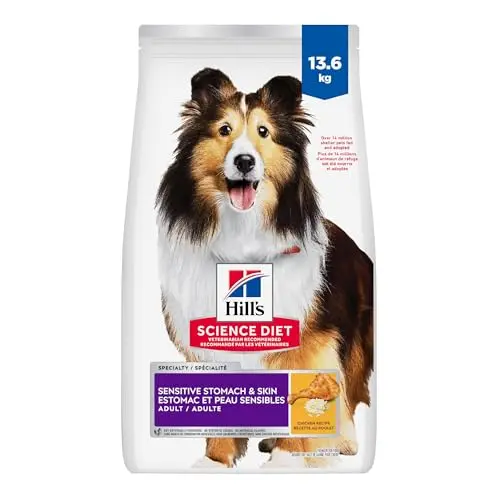
Sensitive Stomach & Skin Chicken Recipe – Gentle Digestion with Skin Nourishment
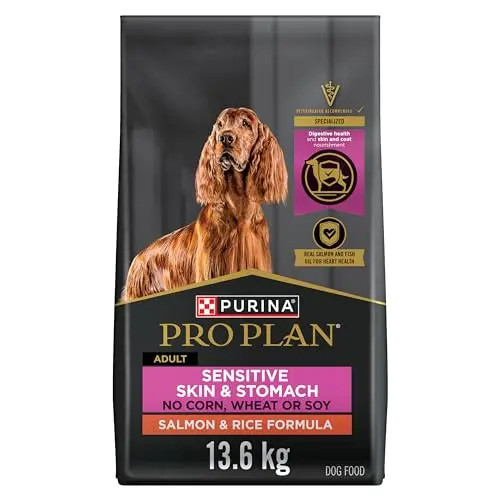
Sensitive Skin & Stomach Salmon & Rice – Omega‑Rich Relief for Itchy Dogs
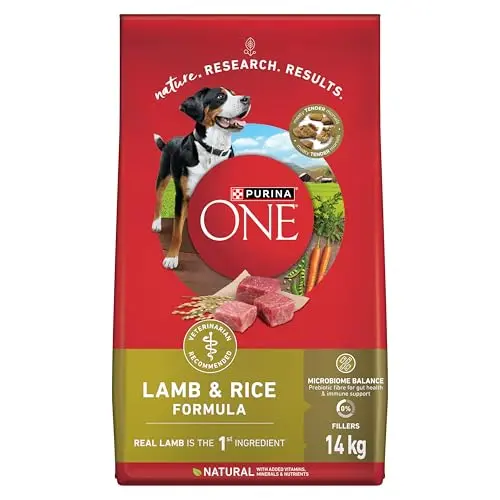
Microbiome Balance Lamb & Rice – Gut‑First Support for Balanced Digestion
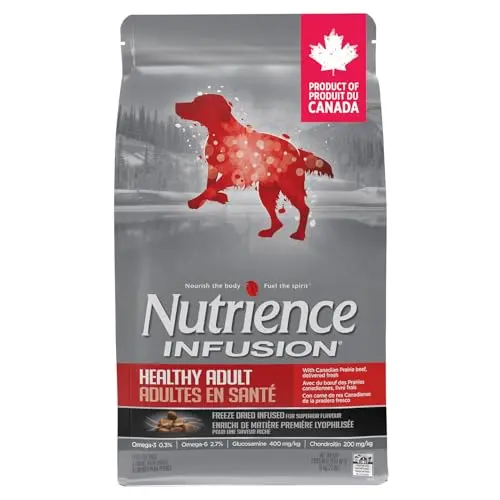
Infusion Healthy Adult Beef – Weight‑Conscious Recipe with Freeze‑Dried Liver

Superfood Blend Salmon, Egg & Pumpkin – Natural Simplicity Without Corn, Wheat or Soy

True Instinct High Protein Beef & Salmon – Muscle‑Maintaining Fuel for Active Dogs
How We Evaluated These Dog Foods for Neutered Dogs
We didn’t run long-term weight monitoring trials on neutered dogs. What we did: cross‑referenced 6 dog food formulas from 5 distinct brands across six decision axes – weight management approach, protein quality, digestive health support, joint care, skin & coat nutrients, and ingredient transparency. We triangulated published nutritional profiles, feature sets, and owner feedback where available against the known metabolic changes that follow spay and neuter procedures.
The scoring framework weighted real‑world fit (60%) – how well each formula addresses the weight, joint, and digestive challenges common after neutering – against feature differentiation (40%) – unique ingredient approaches, targeted health claims, and formula specificity. We have no commercial relationship with any of the brands featured; our recommendations track nutritional alignment, not brand preference. If your dog came out of surgery with a sensitive stomach and itchy skin, the Hill’s Science Diet Sensitive Stomach & Skin is the most balanced one‑bag answer. If the scale is already creeping up, the Nutrience Infusion is purpose‑built for weight management.
How to Choose the Right Dog Food for Neutered Dogs
Why Weight Management Matters After Neutering
The hormonal shift after spaying or neutering often slows your dog’s metabolism by 20-30%, meaning they need fewer calories to maintain the same weight – even if their appetite ticks up. Without adjustment, that math leads straight to a heavier, less energetic dog. Look for formulas that explicitly mention weight management or have a lower calorie density per cup. Low‑glycemic carbohydrates like oats or barley can help keep blood sugar steady, while L‑carnitine is a common add‑in shown to support fat metabolism. The key isn’t starvation – it’s nutrient‑dense, moderate‑calorie food that fills them up without the extra fuel.
That said, not all neutered dogs put on weight. If yours stayed lean and active, a standard adult formula with controlled portions is perfectly fine. The rule of thumb: monitor body condition monthly, and adjust sooner rather than later.
Digestive Health: Prebiotics, Probiotics, and Sensitive Stomachs
Neutering can coincide with a more reactive GI tract, whether from slowed motility, diet changes, or just individual sensitivity. Formulas with prebiotic fibres (beet pulp, chicory root) feed beneficial gut bacteria, while probiotics (live microorganisms) can directly repopulate a stressed digestive system. Oatmeal is another gentle‑on‑the‑gut carbohydrate that appears in several of our top picks.
A note on protein sources: if your dog starts showing signs of food sensitivity – loose stools, gassiness, itchy skin – a novel protein like lamb or salmon may be easier to tolerate than chicken. The Purina Pro Plan Sensitive Skin & Stomach leans hard into this with a salmon‑led recipe that many dogs with poultry sensitivities do well on.
Joint Support: Glucosamine, Omega‑3s, and Healthy Mobility
Extra weight puts stress on joints, and neutered dogs are at higher risk for cruciate injuries and arthritis later in life. The best defensive move is keeping them lean, but you can also choose a food that proactively supports joint health. Glucosamine and chondroitin are the big two – they help maintain cartilage – and omega‑3 fatty acids from fish oil or flaxseed fight inflammation. Look for these on the ingredient panel, not just in the marketing. The Nutrience Infusion includes both glucosamine and chondroitin right alongside salmon oil, making it a comprehensive pick for joint‑conscious owners.
Hill's Science Diet vs Purina Pro Plan: Which Sensitive Formula Is Right for Your Dog?
Both Hill’s and Pro Plan offer standout sensitive‑stomach lines, and they’re often the two owners compare. Hill’s relies on a highly digestible chicken recipe with prebiotic beet pulp and a dose of vitamin E for skin barrier support. It’s the more broadly recommended option by Canadian vets and tends to work well for dogs with mild to moderate digestive reactivity. Pro Plan swaps in salmon as the first ingredient, making it a natural fit if your dog also has skin issues – the omega‑3 content is notably higher. Both are excellent. The tiebreaker often comes down to protein preferences: if your dog thrives on chicken, Hill’s is hard to beat; if you suspect poultry sensitivity or need skin‑specific help, Pro Plan’s salmon recipe takes the edge.
Ingredient Quality: What to Look For in a Dog Food for Neutered Dogs
‘Natural’ and ‘real meat first’ are table stakes these days, but the details matter. Avoid artificial colours, flavours, and preservatives. Look for named protein sources (salmon, beef, lamb) rather than vague ‘meat meal.’ For neutered dogs, complex carbs like oats, barley, and sweet potatoes are preferable to simple starches that spike blood sugar. Pumpkin, as found in the Beyond Superfood Blend, is an excellent fibre source that aids digestion without adding unnecessary calories. Don’t be swayed by boutique marketing – focus on the nutritional panel and whether the brand invests in feeding trials or veterinary nutritionists on staff.
Frequently Asked Questions
Do I need to change my dog's food after neutering?
Not immediately, and not in every case. The most important change is portion control: feed according to your dog’s ideal body weight, not their current weight, and monitor. If you notice steady weight gain, a switch to a weight‑management or lower‑calorie formula is smart. If digestive issues or skin sensitivities pop up, a sensitive stomach recipe may help. The hormonal shift is real, but many dogs do fine on their regular food with adjusted portions.
What's the difference between Hill's Science Diet Sensitive Stomach and Purina Pro Plan Sensitive Skin & Stomach?
Hill’s uses chicken and prebiotic beet pulp to target digestion with a side of vitamin E for skin, while Purina Pro Plan leads with salmon and fish oil, offering higher omega‑3s for both joint and skin health. Hill’s tends to be the go‑to for dogs with purely digestive upset; Pro Plan shines when skin issues (itchiness, hot spots) are also present. Both are highly regarded, so the choice often comes down to protein source and whether you need that extra omega‑3 punch.
How does Nutrience Infusion compare to Purina ONE for weight control?
Nutrience Infusion is more purpose‑built for weight management, with low‑glycemic grains and explicit glucosamine/chondroitin for joints. Purina ONE formulas like Microbiome Balance focus more on gut health and offer moderate calorie density that can work for weight maintenance with careful portioning. If your dog is already overweight and joint‑conscious, Nutrience is the more targeted pick. If digestion is the bigger concern and weight is stable, Purina ONE hits a sweet spot of quality and value.
Should I choose a grain‑free formula for my neutered dog?
Not unless your dog has a diagnosed grain allergy. Grain‑free diets have been linked to dilated cardiomyopathy (DCM) in some dogs, and most neutered dogs don’t require them. Complex grains like oatmeal, barley, and brown rice provide steady energy and fibre. Unless a vet specifically recommends grain‑free, stick with high‑quality grain‑inclusive formulas that support digestive health without the potential risks.
Final Verdict
For the widest range of neutered dogs, the Hill’s Science Diet Sensitive Stomach & Skin is our top recommendation – it balances digestive ease, skin support, and overall nutrient quality in a formula trusted by Canadian vets. If your dog’s primary battle is the bathroom scale, the Nutrience Infusion tackles weight management head‑on with low‑glycemic grains and joint‑saving extras. For dogs that came out of surgery with itchy, inflamed skin, the Purina Pro Plan Sensitive Skin & Stomach is the most targeted tool in the arsenal. No matter which you pick, remember: your dog’s metabolism has changed, but with the right fuel, they can stay active, comfortable, and at a healthy weight for years.