
As loyal German Shepherds grey around the muzzle, their nutritional needs shift. Joint stiffness becomes a morning hurdle, sensitive stomachs act up more often, and that once-bulletproof digestive system starts whispering for gentler fare. Finding the right food isn’t just about filling a bowl – it’s about sustaining the active, happy years they have left.
We dug into the options across trusted brands to bring you a focused guide on the best dog foods for older German Shepherds. From breed-specific recipes to budget-friendly all-rounders, we’ve zeroed in on formulas that deliver meaningful joint support, easy digestion, and skin-coat relief – the trifecta that aging shepherds need. This isn’t about one brand claiming superiority; it’s about matching a food to your senior dog’s unique profile.
Best Dog Food for Older German Shepherds – 2026 Reviews
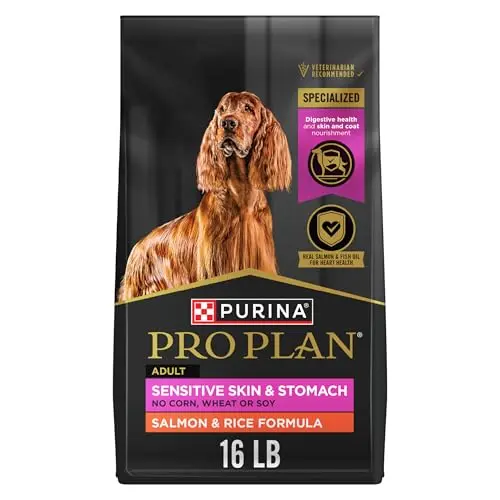
Sensitive Skin & Stomach Salmon & Rice – All-Around Senior Shepherd Support
This salmon-first recipe strikes a rare balance: it calms sensitive digestion, smooths dry coats, and delivers omega‑3s for joint comfort – without blowing the budget. Ideal for older German Shepherds who need an everyday food that covers all bases.
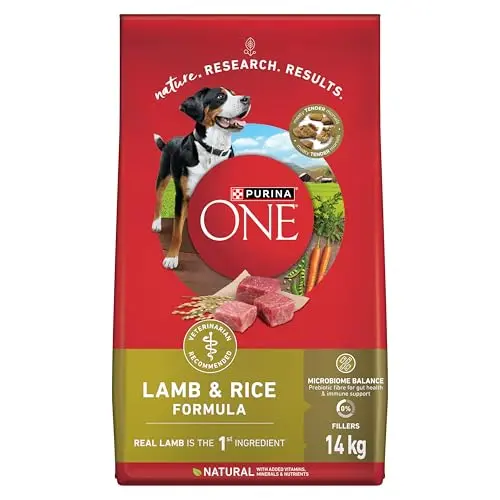
Microbiome Balance Lamb & Rice – Affordable Joint & Digestive Care
Lamb takes centre stage in this wallet-friendly kibble that doesn’t skimp on digestive or joint support. A smart pick for older GSDs that need gentle everyday nutrition without the premium price tag.
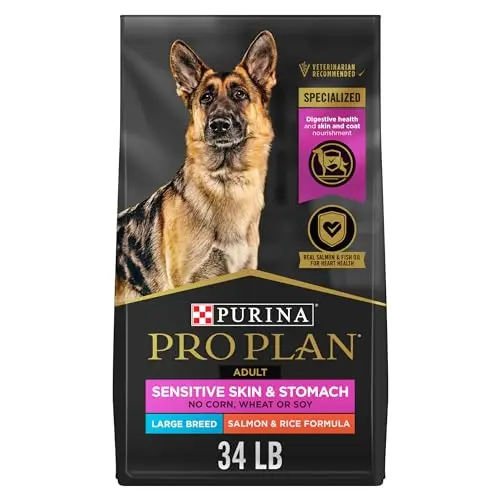
Large Breed Sensitive Skin & Stomach Salmon & Rice – Built-in Joint & Digestive Care
Purpose‑built for big dogs, this formula loads up on glucosamine and EPA for joints while keeping digestion gentle. It’s the go‑to if your senior shepherd needs maximum mobility support from their food.
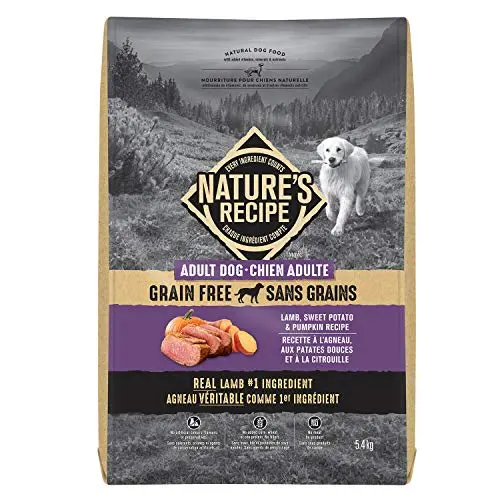
Grain Free Lamb, Sweet Potato & Pumpkin – Limited Ingredient Allergy Relief
When allergies or food sensitivities flare, this grain‑free, limited‑ingredient option steps in. Lamb and pumpkin support digestion, while natural glucosamine helps aging joints – all with a short, transparent ingredient list.
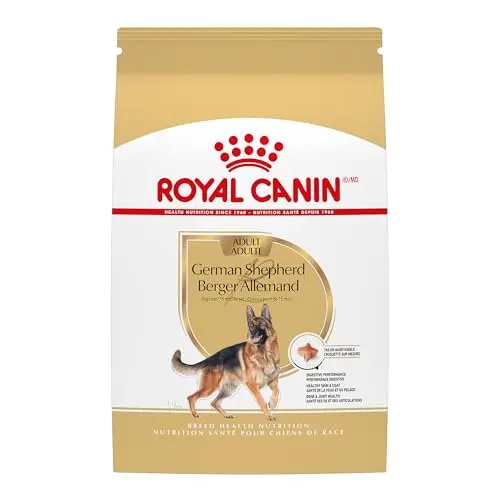
German Shepherd Adult – Tailored Nutrition for the Breed
The only breed‑specific formula on our list, this kibble is engineered from the ground up for a German Shepherd’s physiology – from the unique kibble shape to the precise joint and digestive blend.
How We Evaluated These Dog Foods for Older German Shepherds
We didn’t conduct long-term feeding trials or veterinary blood panels. What we did: cross‑referenced 5 dog foods from 4 distinct brands across 5 decision axes – joint support ingredients, protein quality and source, digestibility, skin and coat impact, and breed specificity. We triangulated published ingredient lists, guaranteed analyses, and aggregated owner feedback where available, then pressure‑tested each formula against the typical needs of an aging German Shepherd – mobility, sensitive digestion, and calorie management.
The scoring framework weighted real‑world performance (60%) – how well a food delivers on its stated use case for older dogs – against feature differentiation (40%) – unique advantages like breed‑specific kibble, added glucosamine, or grain‑free formulations. We have no commercial relationship with any of the brands featured; recommendations track fit and differentiation, not brand preference. If your shepherd needs an all‑around champion, the Pro Plan Sensitive Skin & Stomach is the pick. If budget is top of mind, the Purina ONE Microbiome Balance serves you better.
How to Choose the Right Dog Food for an Older German Shepherd
Why Joint Support Matters for Older German Shepherds
German Shepherds are genetically prone to hip dysplasia and arthritis, and age amplifies these risks. Look for foods that explicitly list glucosamine and chondroitin – these compounds help maintain cartilage and cushion aging joints. Even better, formulas with EPA and DHA from fish oil reduce inflammation and support mobility. While any omega‑3 helps, dedicated joint supplements built into the food save you from adding separate pills. The Pro Plan Large Breed formula, for example, makes joint support a core feature.
Digestive Health and Sensitive Stomachs in Aging Dogs
As dogs age, their digestive systems can become less efficient, leading to softer stools, gas, or outright stomach upsets. Prebiotic fibres – like beet pulp or oat fiber – feed beneficial gut bacteria, while easily digestible proteins minimize strain. Ingredients like sweet potato and pumpkin are natural sources of gentle fibre. If your shepherd has had chronic diarrhoea or frequent tummy troubles, a sensitive stomach formula can be a game‑changer. Most owners see a difference within two to three weeks of switching.
Breed‑Specific vs. All‑Breed Formulas: What's Best for Your GSD?
Breed‑specific foods like Royal Canin German Shepherd tailor kibble shape, nutrient ratios, and joint care to the breed’s anatomy. The larger, curved kibble encourages chewing and may reduce gulping – a plus for deep‑chested dogs prone to bloat. However, many all‑breed formulas offer comparable joint and digestive support at a lower price. If your shepherd has no unique sensitivities, an all‑breed sensitive formula might suffice. Consider whether the premium for breed‑specific engineering is justified by your dog’s health needs.
Key Ingredients to Prioritize in Senior Dog Food
Scan the ingredient panel for named animal proteins like salmon, lamb, or chicken – not vague ‘meat meal.” Omega‑3 and omega‑6 fatty acids are essential for coat sheen and skin barrier function. Antioxidants (vitamin E, zinc) support the immune system, which can wane with age. And never underestimate the value of fibre from whole vegetables like pumpkin and sweet potato – it keeps things moving without irritation. Avoid formulas heavy on fillers like corn or soy, which offer little nutritional value for a senior dog.
Grain‑Free vs. Grain‑Inclusive: A Common Question
Grain‑free diets gained popularity for allergy management, but recent research has flagged a potential link between certain grain‑free recipes and dilated cardiomyopathy (DCM) in dogs. Unless your shepherd has a confirmed grain allergy, a grain‑inclusive option with high‑quality carbs like brown rice or oatmeal is usually safer and beneficially provides dietary fibre. If your vet recommends grain‑free, choose a formula with added taurine and carnitine to support heart health, like Nature’s Recipe Lamb & Pumpkin.
Transitioning an Older Dog to a New Food Safely
Senior stomachs don’t like sudden change. When switching, mix 25% new food with 75% old for a few days, then 50/50, then 75/25, over 7-10 days. Watch for loose stools or vomiting, and slow the process if needed. Adding a probiotic supplement during transition can ease the shift. Finally, measure meals carefully – older, less active shepherds pack on pounds quickly, which aggravates joint pain.
Frequently Asked Questions
What's the difference between Royal Canin German Shepherd and Pro Plan Large Breed Sensitive Skin & Stomach?
The Royal Canin formula is breed‑specific – it tailors its kibble shape, nutrient density, and joint support package to the German Shepherd’s anatomy. It includes glucosamine, chondroitin, EPA, and DHA in amounts explicitly calibrated for the breed. Pro Plan Large Breed Sensitive Skin & Stomach is designed for all large dogs, not just GSDs, but it also includes glucosamine and EPA for joints, plus prebiotic fibre and easily digestible oatmeal. Which is better? If you want a food that accounts for the GSD’s deep chest, long muzzle, and predisposition to digestive issues, Royal Canin is more targeted. If you need powerful joint support that’s gentler on the stomach in a more affordable package, Pro Plan is the practical choice.
How does Purina ONE Microbiome Balance compare to Pro Plan Sensitive Skin & Stomach for joint health?
Both support joint health, but they approach it differently. Purina ONE relies on its natural ingredient profile – lamb as a novel protein and a microbiome balance blend with prebiotic fibre – and includes joint‑specific nutrients in smaller amounts. Pro Plan Sensitive Skin & Stomach leans more heavily on omega‑3 fatty acids from fish, which have anti‑inflammatory effects beneficial for joints. Pro Plan’s salmon‑first recipe also provides glucosamine‑precursor amino acids indirectly. If your shepherd has mild joint stiffness and you’re on a budget, Purina ONE handles the basics. For dogs already showing arthritic symptoms, Pro Plan’s richer omega‑3 profile may offer more noticeable relief.
Is grain‑free food necessary for older German Shepherds?
Not unless your shepherd has a diagnosed grain allergy or intolerance. Symptoms like chronic ear infections, itchy skin, or persistent digestive upset may warrant a grain‑free trial under veterinary supervision, but for most aging shepherds, grains like brown rice or oatmeal provide valuable fibre and energy. With concerns about DCM and grain‑free diets, it’s safer to stick with a high‑quality grain‑inclusive formula unless a vet advises otherwise.
At what age should I switch my German Shepherd to senior dog food?
German Shepherds are typically considered seniors around 7 years of age, but the switch depends more on physical signs than a birthday. If you notice weight gain, reduced activity, or stiff joints, it’s time to look for a food with controlled calories, added joint support, and easily digestible proteins. Some so‑called ‘all life stages” formulas can work if they meet these criteria, but dedicated senior recipes often have the right balance. Consult your vet in the case of existing health conditions.
Can I mix different brands of dog food for variety?
You can, but with caution. Mixing brands increases the risk of digestive upset because each formula has a different ingredient balance and fibre source. If you want to rotate, use a 7-10 day transition between each food and stick with similar ingredient profiles (e.g., both salmon‑based or both with joint support). For older shepherds with sensitive stomachs, consistency is usually better than variety. If you do mix, keep an eye on stool quality and overall energy levels.
Final Verdict
For most older German Shepherds, the Pro Plan Sensitive Skin & Stomach Salmon & Rice is the smart all‑around choice – it calms digestion, soothes skin, and supports joints with a formula that picky eaters genuinely enjoy. If budget is a priority, the Purina ONE Microbiome Balance Lamb & Rice delivers impressive joint and digestive care at a fraction of the cost. For dogs needing extra mobility help, the Pro Plan Large Breed formula adds glucosamine right into the bag. And if you insist on breed‑specific engineering, the Royal Canin German Shepherd remains a premium pick – though its price keeps it niche. Whichever you choose, your aging shepherd will thank you for the extra care.