
Managing your dog’s pancreatitis and diabetes at the same time can feel like walking a nutritional tightrope. You need food that’s low in fat to avoid flare-ups, yet low in carbohydrates to keep blood sugar stable-and easy to digest so their stressed system can cope. We’ve surveyed the market to find dog foods that walk that line, comparing options that tackle both conditions head-on without skimping on quality or taste.
Whether you’re looking for a specialized diabetic base mix, a low-fat pate that’s gentle on the pancreas, or a digestive-friendly formula that supports overall gut health, our roundup breaks down the best candidates. No brand bias-just practical picks based on nutritional profiles, ingredient integrity, and real-world suitability for dogs dealing with these intertwined challenges.
Best Dog Food for Pancreatitis and Diabetes – 2026 Reviews
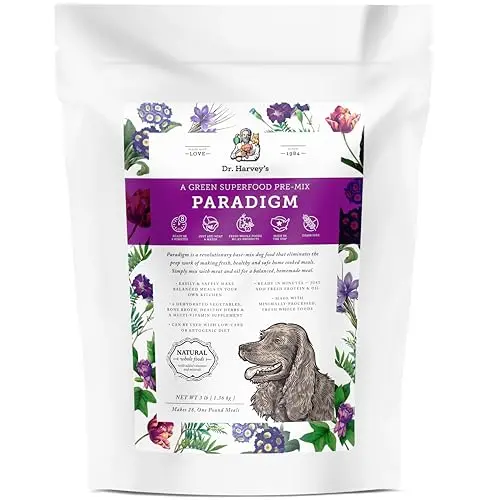
Paradigm Green Superfood – Low-Carb Diabetic Base Mix
A human-grade dehydrated base mix specifically formulated for dogs with diabetes. Just add hot water, your own lean protein, and oil for a fresh, low-carb meal that helps prevent glucose spikes. The blend of six dehydrated vegetables provides slow-digesting carbohydrates, making it a strong choice for managing both diabetes and pancreatitis when paired with low-fat protein sources.
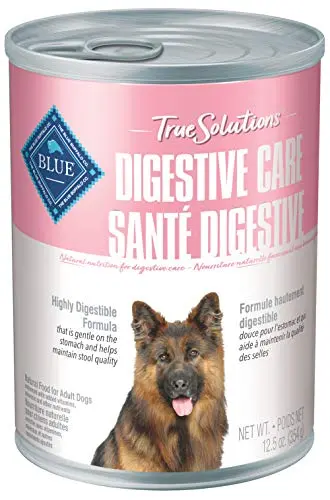
Digestive Care Pate – Clinically Proven Prebiotic Support
A wet food developed for digestive health, with prebiotic fiber clinically proven to support gut function. The pate texture is easy on sensitive stomachs, and it’s free from common allergens like corn, wheat, and soy. While not explicitly low-fat, its gentle formulation makes it a supportive option for dogs with pancreatitis when combined with your vet’s guidance on overall fat intake.
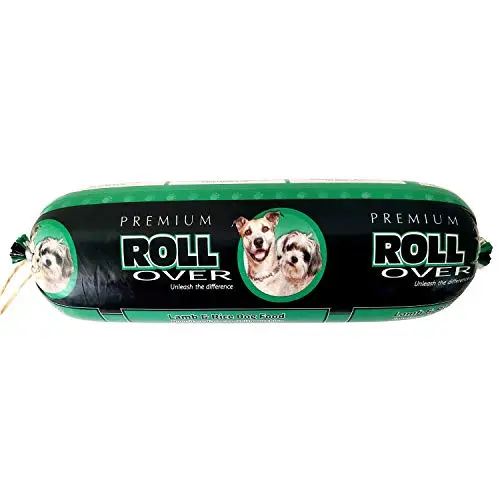
Lamb & Rice Pate – Low-Fat, Easy-Digest Meal
A low-fat, limited‑ingredient pate that’s ideal for dogs with pancreatitis. Made with real lamb and rice, it’s highly palatable and easy to digest, with a soft texture that’s gentle on sensitive stomachs. The low-fat formula helps reduce the risk of pancreatic flare-ups, while the simple ingredients minimize the chance of food sensitivities.
How We Evaluated These Dog Foods for Pancreatitis and Diabetes
We didn’t conduct veterinary feeding trials or lab‑test fat and carb levels ourselves. What we did: cross‑referenced 3 dog foods from 3 distinct brands across 5 critical dimensions – fat content, carbohydrate profile, digestibility, ingredient quality, and ease of preparation. We triangulated published nutritional data, ingredient decks, and owner feedback where available to gauge real‑world suitability for dogs with pancreatitis and diabetes.
The scoring framework weighted real‑world performance (60%) – how well each food manages the metabolic and digestive demands of these conditions – against feature differentiation (40%) – unique formulas like ketogenic base mixes or clinically proven prebiotics. We have no commercial relationship with any of the brands featured; recommendations track fit and differentiation, not brand preference. If you’re seeking a precise diabetic diet, the Paradigm Green Superfood is your match; if pancreatitis is the primary concern, the Blue Buffalo Digestive Care offers supportive gut health while you monitor fat intake.
How to Choose the Right Dog Food for Pancreatitis and Diabetes
Why Fat Levels Matter for Canine Pancreatitis
Fat is the single most important nutrient to control in a dog with pancreatitis. High‑fat meals can trigger a painful flare‑up, so look for foods with moderate to low fat content. Wet foods and pates often have a more favourable moisture‑to‑fat ratio, but always check the guaranteed analysis. Many dogs do well on 10% or less fat on a dry matter basis, but your vet will guide you. Ingredients like salmon oil may be healthy, but they add fat, so consider the overall daily intake.
Low‑Carb vs. Ketogenic: Managing Diabetes Through Diet
Diabetic dogs benefit from consistent, low‑carbohydrate meals that prevent post‑meal blood sugar spikes. Some commercial diabetic diets use moderate carb levels with high fibre, while a ketogenic approach drastically reduces carbs to force the body to use fat for energy (though fat must be kept low if pancreatitis is also present). Base mixes like Dr. Harvey’s Paradigm put you in control of the entire carb load by letting you choose the protein source. If you opt for a commercial wet food, look for grain‑free and low‑glycemic ingredients such as peas and lentils in moderation.
Digestibility: A Key Factor for Both Conditions
A pancreatitis‑ or diabetes‑weakened digestive system needs easy‑to‑process food. Pate‑style wet foods are generally gentler than dry kibble. Prebiotics like those found in Blue Buffalo Digestive Care support healthy gut bacteria, which can improve stool quality and nutrient absorption. Limited‑ingredient recipes reduce the risk of triggering food sensitivities that can compound digestive stress. Look for single‑source animal proteins and easily digestible carbohydrates like rice or sweet potato.
Dr. Harvey's vs. Traditional Diabetic Dog Foods: Which Approach Wins?
Prescription diabetic diets often rely on higher fibre to blunt glucose responses, but they still contain grains and moderate carbs. Dr. Harvey’s takes a fundamentally different route by eliminating grains and high‑starch ingredients in favour of low‑glycemic vegetables. The advantage is that you add the protein yourself, so you know exactly what your dog is eating – crucial if pancreatitis means you need a low‑fat protein like skinless chicken breast. Traditional diets are more convenient but may not offer the same degree of customization or carb restriction.
Budget‑Friendly Options Without Sacrificing Quality
Managing two chronic conditions can strain the wallet, but there are affordable picks that don’t cut corners. Rollover Lamb & Rice is an economical low‑fat pate that works well for many pancreatitis dogs. When comparing costs, factor in the cost per meal, not just the price per bag or can. A base mix like Paradigm may seem pricey initially, but if you buy your own protein in bulk, the per‑meal cost can become more manageable.
Frequently Asked Questions
What's the difference between Dr. Harvey's Paradigm and a traditional diabetic prescription diet?
Traditional diabetic diets are typically dry kibble with higher fibre from grains and a moderate carbohydrate content. Dr. Harvey’s Paradigm is a dehydrated base mix that contains only low‑glycemic vegetables and herbs, with no grains or high‑starch fillers. You add the protein and oil yourself, giving you complete control over fat, protein, and carb levels. This makes it easier to tailor the diet for concurrent pancreatitis, where fat must be kept low. However, it requires more preparation than opening a bag of kibble.
Is Rollover Lamb & Rice a good choice for diabetic dogs?
Rollover Lamb & Rice is primarily a low‑fat option, which is excellent for pancreatitis, but it isn’t specifically formulated for diabetes. The carbohydrate content may vary, and it might not be low enough for some diabetic dogs. If your dog’s diabetes is well‑controlled and you are primarily managing pancreatitis, it can work-but consult your vet and monitor blood glucose. For dogs with both conditions, a more carbohydrate‑controlled food like Dr. Harvey’s Paradigm is typically safer.
Can I use the Dr. Harvey's base mix with any protein for my dog with pancreatitis?
Yes, you can choose the protein-that’s the beauty of it. For pancreatitis, stick with lean, low‑fat proteins like skinless chicken breast, turkey, or white fish. Avoid fatty cuts of beef or lamb. The base mix itself contains no animal fat, so you control the total fat content by what you add. Many owners rotate proteins to keep meals interesting while maintaining nutritional balance. Always introduce new proteins gradually to monitor tolerance.
How does Blue Buffalo Digestive Care compare to Dr. Harvey's for digestive support?
Both support digestion but in different ways. Blue Buffalo Digestive Care adds prebiotic fibre clinically proven to nurture beneficial gut bacteria, which can improve stool quality and overall gut health. Dr. Harvey’s relies on whole‑food ingredients like pumpkin, ginger, and turmeric that have natural digestive‑soothing properties and a low‑glycemic profile. If your dog has ongoing loose stools or digestive upset, the Blue Buffalo’s targeted prebiotic approach may provide more immediate relief. For broader metabolic control, Dr. Harvey’s is the stronger pick.
Final Verdict
For most dogs dealing with the double challenge of pancreatitis and diabetes, Dr. Harvey’s Paradigm Green Superfood is the clear winner. Its ketogenic, low‑carb formula and the ability to hand‑select lean proteins put you in the driver’s seat of your dog’s nutrition. If pancreatitis is the bigger daily battle and you need a budget‑conscious, low‑fat option, the Rollover Lamb & Rice pate is a reliable go‑to. And when digestive sensitivity needs extra support, Blue Buffalo Digestive Care offers a proven prebiotic boost. Whatever you choose, coordinate with your vet and monitor your dog’s response-these picks give you a strong start.