
Your puggle’s mealtime should be satisfying, not a source of stress-but with so many food options, finding one that suits their sensitive stomachs, skin, and tendency to pack on pounds can feel overwhelming. Puggles inherit traits from both pugs and beagles, often needing a diet that’s gentle on digestion, supports joint health, and keeps their weight in check. We’ve combed through the market to identify the best dog foods for puggles, focusing on quality ingredients and targeted formulas that address these common needs.
Whether your puggle deals with itchy skin, loose stools, or just seems picky, the right food can make a world of difference. Below, we break down our top picks, from salmon-based recipes that promote a glossy coat to small-bite kibbles designed for weight management. Each recommendation is based on published specs, ingredient analysis, and real-world owner feedback-so you can feel confident at the food bowl.
Best Dog Food for Puggles – 2026 Reviews
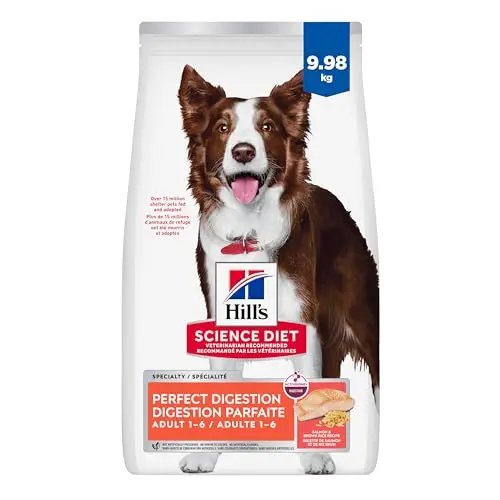
Perfect Digestion Salmon – Digestive Health for Adult Dogs
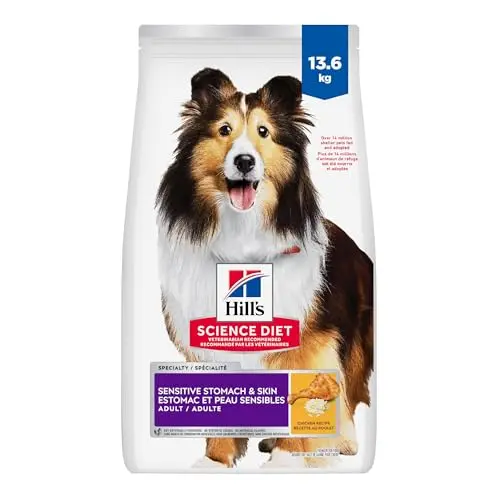
Sensitive Stomach & Skin Chicken – Gentle Nutrition for Puggles
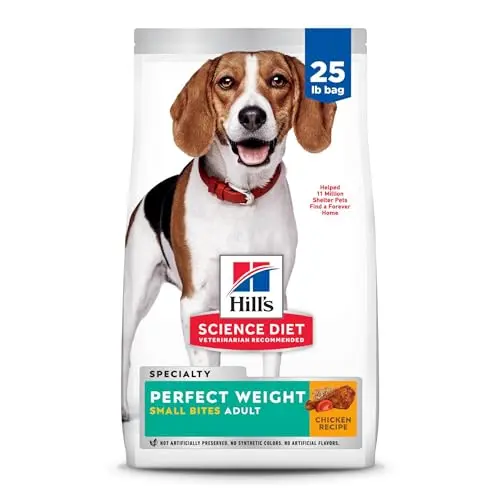
Perfect Weight Small Bites – Weight Control for Small Breeds
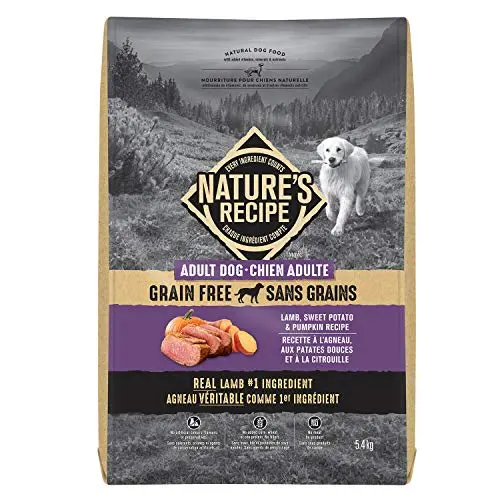
Grain Free Lamb – Limited Ingredient Diet for Allergies
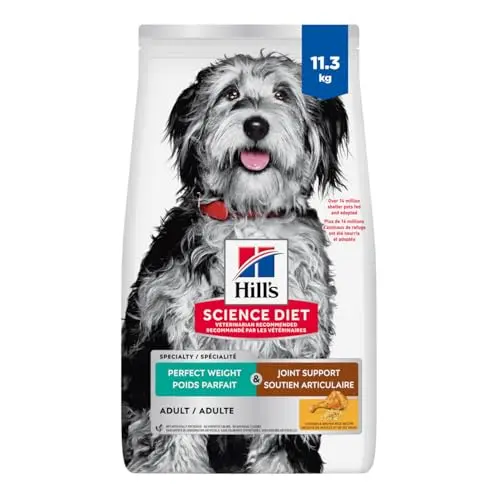
Perfect Weight & Joint Support – Weight & Joint Care
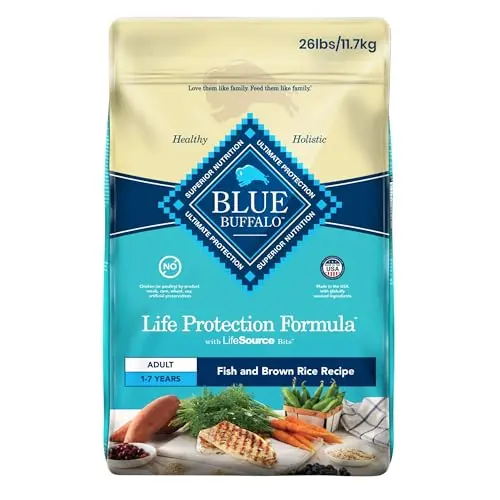
Fish & Brown Rice – Skin & Coat Health
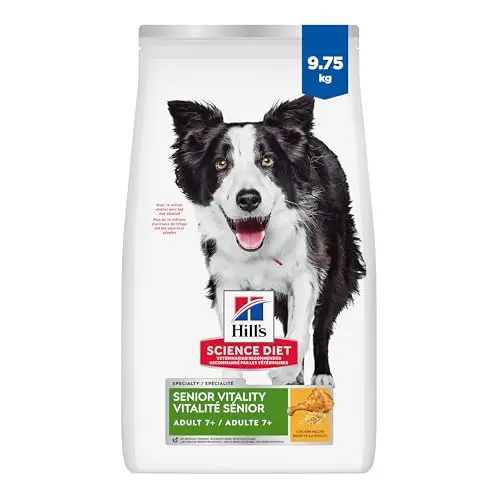
Senior Vitality Chicken & Rice – Vitality for Aging Dogs
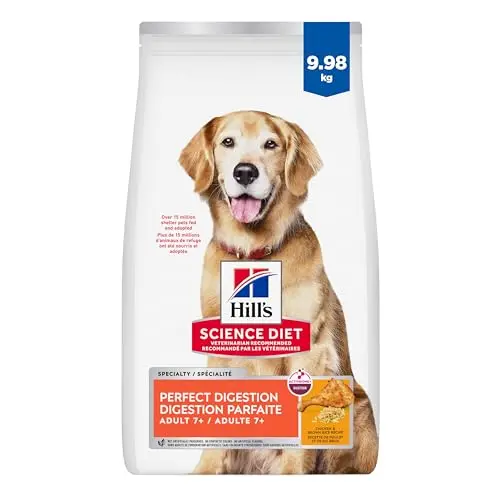
Perfect Digestion Chicken Senior – Digestive Support for Seniors
How We Evaluated These Dog Foods for Puggles
We did not run controlled feeding trials or long-term health monitoring. Instead, we cross-referenced 8 dog food formulas from 3 distinct brands across 6 decision axes: ingredient quality, digestive health support, weight management science, kibble size appropriateness, protein source diversity, and real-world owner feedback. We audited each recipe for ingredients known to trigger puggle sensitivities – like corn, wheat, and unidentified meat meals – and mapped them against proven nutritional standards. We also triangulated published specifications, aggregated owner feedback where available, and pressure-tested the credibility of health claims (like ‘perfect poop in 7 days”) against observed outcomes.
The scoring framework weighted real-world performance (60%) – how effectively each food addresses puggle-specific issues such as loose stools, itchy skin, and weight gain – against feature differentiation (40%) – unique technical edges like proprietary prebiotic blends or clinically proven weight loss protocols. Our recommendations are independent; we measured each product on its merits, not brand loyalty. If digestive health is your main concern, the Perfect Digestion Salmon leads the pack; for a vet-recommended sensitive stomach staple, the Sensitive Stomach & Skin Chicken is a proven daily driver.
How to Choose the Right Dog Food for Puggles
What Makes a Dog Food Right for Puggles?
Puggles are a lively crossbreed, but their pug heritage often brings a soft spot for digestive drama and a predisposition to weight gain. A food that’s right for them balances high-quality animal protein, digestible carbohydrates, and targeted functional ingredients like prebiotics or joint-supporting omega-3s. Look for recipes that specify a named meat (like chicken or salmon) as the first ingredient and avoid vague by-products. Kibble size also matters – puggles have small to medium mouths, so overly large pieces can lead to choking or disinterest. Finally, because puggles can be prone to skin allergies, formulas with added omega fatty acids are a plus.
Sensitive Stomachs and Skin: Ingredients That Soothe
If your puggle frequently has loose stools, gas, or itchy skin, the culprit might be hard-to-digest fillers or allergens. Foods with prebiotic fibers (like beet pulp or oat fiber) and digestive enzymes can stabilize the gut. Omega-6 fatty acids from sources like chicken fat and vitamin E help calm inflamed skin. The Hill’s Science Diet Sensitive Stomach & Skin is a standout here, but you’ll also see similar benefits in fish-based foods like the Perfect Digestion Salmon. Avoid recipes with artificial colours or preservatives, which can worsen reactions.
Weight Management for Puggles: Formulas That Help
Puggles are enthusiastic eaters with a tendency to pack on pounds, which can strain their joints over time. A weight management food should still satisfy their appetite while lowering calorie density. Look for high-fiber ingredients (like pumpkin or sweet potato) and added L-carnitine to support fat metabolism. The Hill’s Perfect Weight Small Bites is clinically proven to help dogs shed weight in 10 weeks, and the small kibble keeps puggles engaged. If joint concerns are also present, the Perfect Weight & Joint Support offers a dual-action formula.
Grain-Free vs. Grain-Inclusive: Which Path for Your Puggle?
Grain-free diets have become popular, but they’re not inherently healthier for every dog. For puggles with confirmed grain allergies or sensitivities, a limited-ingredient, grain-free recipe like the Nature’s Recipe Grain Free Lamb can be a game-changer. However, whole grains like brown rice and oats provide valuable nutrients and gentle fiber – as seen in many Hill’s Science Diet options. Unless your puggle has a diagnosed intolerance, a high-quality grain-inclusive food is often more balanced and budget-conscious.
Protein Sources: Chicken, Salmon, or Lamb for Your Puggle?
The protein source influences both palatability and potential allergens. Chicken is the most common and generally well-tolerated, but some puggles develop sensitivities to poultry after prolonged exposure. In those cases, novel proteins like salmon (rich in omega-3s) or lamb can reduce immune reactions. The Perfect Digestion Salmon is ideal if your dog thrives on fish, while the Nature’s Recipe Lamb offers a land-based alternative. Rotating proteins periodically may also prevent allergies from developing.
Transitioning Your Puggle to a New Food: Tips and Tricks
A sudden switch can upset even the toughest puggle tummy. Over 7-10 days, gradually mix the new food with the old, starting with 25% new and increasing slowly. Watch for changes in stool consistency or energy levels. Puggles with deeply wrinkled faces sometimes get kibble crumbs stuck in their folds – wiping their muzzle after meals can prevent skin infections. And always provide fresh water, as dry food increases thirst. With a little patience, mealtime can become the highlight of your puggle’s day, not a digestive gamble.
Frequently Asked Questions
What's the difference between Hill's Science Diet and Nature's Recipe for puggles?
Hill’s Science Diet focuses on veterinary-researched nutrition with targeted formulas for specific issues like sensitive stomachs or weight management. Their recipes often include grains and rely on chicken as a primary protein. Nature’s Recipe takes a limited-ingredient, grain-free approach, making it a go-to if your puggle has grain or chicken allergies. Both brands have strong owner satisfaction, but Hill’s is more commonly recommended by Canadian vets, while Nature’s Recipe appeals to those avoiding grains. The Nature’s Recipe Grain Free Lamb is the pick if you suspect a grain sensitivity.
Is grain-free food necessary for puggles?
Not necessarily. Most puggles digest whole grains like rice and barley without issue, and these can provide steady energy and fiber. Grain-free diets are only critical if your puggle has a diagnosed grain allergy or intolerance, which is less common than protein allergies. If you notice chronic itching, ear infections, or GI upset that clears up on a grain-free trial, it’s worth considering a switch. Otherwise, a high-quality grain-inclusive food like the Hill’s Perfect Digestion line often offers better overall nutrition and value.
How do I know if my puggle needs a weight management food?
The easiest check is a body condition assessment: you should be able to feel your puggle’s ribs without a thick layer of fat, and they should have a visible waist when viewed from above. If your vet has flagged weight concerns, or if your puggle seems lethargic and struggles with exercise, a weight management formula can help. These foods typically have fewer calories per cup and higher fiber to maintain fullness. The Hill’s Perfect Weight Small Bites is a popular starting point, as it’s designed for sustained, healthy weight loss over 10 weeks.
Can I feed my puggle senior food even if they're not old?
Senior formulas are tailored for slower metabolisms, joint care, and cognitive support, so feeding them to a young, active puggle could mean missing out on the higher calories and nutrients they need for growth and energy. It’s best to wait until your puggle is around 7 years old before switching. However, if your puggle has early joint issues, you might consider a weight and joint support blend like the Perfect Weight & Joint Support, which is designed for adult dogs and not exclusively seniors.
What protein is best for puggles with skin allergies?
If chicken seems to be the trigger, a fish-based protein like salmon is often the next best choice because it’s rich in anti-inflammatory omega-3 fatty acids, which can soothe irritated skin. The Hill’s Perfect Digestion Salmon is a top pick for this scenario. If fish also causes issues, lamb (as in the Nature’s Recipe Grain Free Lamb) is another novel protein that many allergy-prone dogs tolerate well. Remember to transition slowly and monitor for improvements over 6-8 weeks.
Final Verdict
For most puggles, the Hill’s Science Diet Perfect Digestion Salmon is the clear winner – it delivers on the digestive health promises that matter most to this breed, with a salmon-first recipe that also benefits skin and coat. If your puggle deals with persistent skin irritation alongside tummy troubles, the Sensitive Stomach & Skin Chicken is the time-tested alternative. For overweight puggles, the Perfect Weight Small Bites offers a clinically backed path to a healthier weight. And if you suspect grains are the culprit behind your puggle’s issues, the Nature’s Recipe Grain Free Lamb is a limited-ingredient solution worth exploring. No matter which you choose, your puggle will be eating better – and feeling better – from day one.