
Managing pancreatitis in a schnauzer can feel overwhelming. You’re reading ingredient lists, worrying about fat percentages, and trying to sort through conflicting advice – all while making sure your dog actually enjoys mealtime. Diet is one of the most powerful tools you have to keep flare‑ups at bay, and a well‑chosen dog food can make a world of difference.
But not every food that claims to be ‘sensitive’ or ‘digestible’ is truly built for a pancreas that needs gentle handling. What matters is a combination of moderate to low fat content, highly digestible protein sources, and supportive fibres that keep the digestive system calm. In this guide, we break down four standout dry dog foods – from easily digestible everyday formulas to purpose‑built sensitive‑stomach options – and explain which one fits your schnauzer’s situation best.
Best Dog Food for Schnauzers with Pancreatitis – 2026 Reviews
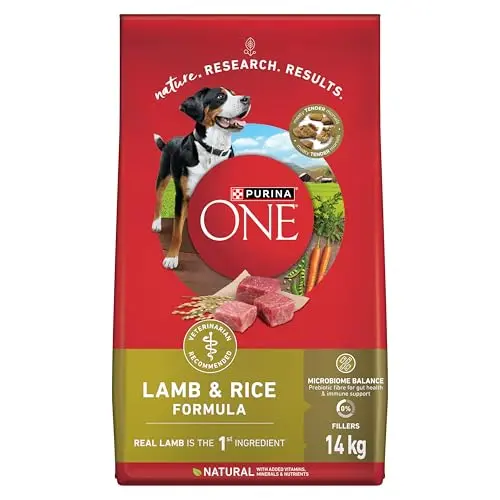
Microbiome Balance Lamb & Rice – Digestive Health Support
A smart everyday pick that puts gut health front and centre. Real lamb leads a limited-ingredient-style recipe that skips common fillers, while prebiotic fibre feeds the beneficial bacteria your schnauzer’s digestive system relies on – especially important when the pancreas is under stress.
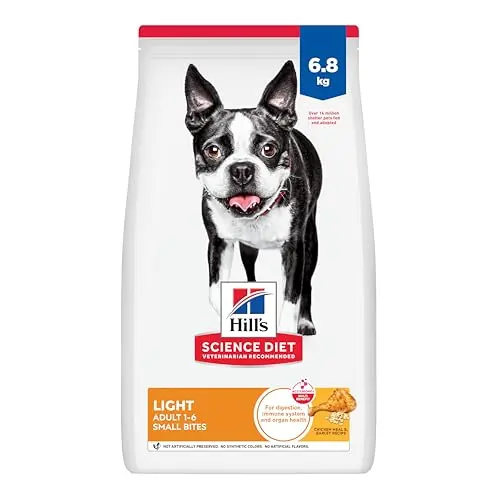
Adult Light Small Bites – Low-Calorie Weight Management
Designed for small breed dogs who need to shed a few pounds, this formula naturally aligns with pancreatitis management by keeping fat and calorie intake in check. The smaller kibble size suits schnauzers, and added L‑carnitine helps turn fat into energy.
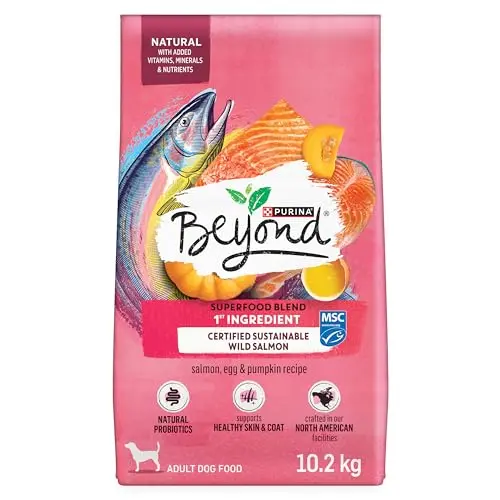
Superfood Blend Salmon, Egg & Pumpkin – Limited Ingredient Diet
A limited‑ingredient formula that leans on wild‑caught salmon as a single animal protein source. With no corn, wheat, or soy, it reduces the chance of triggering sensitivities while pumpkin and oatmeal contribute gentle fibre for digestive comfort.
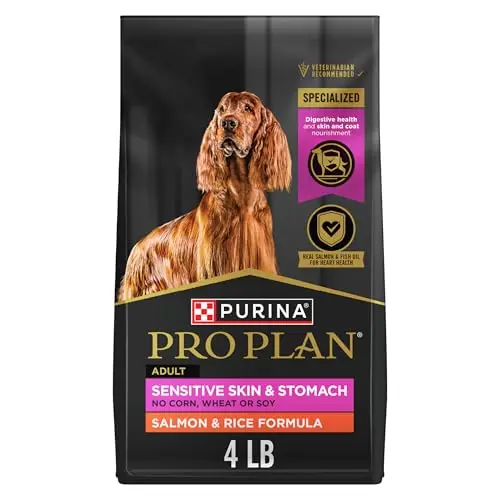
Sensitive Skin & Stomach Salmon & Rice – Gentle on Digestion
Built from the ground up for digestive and dermal sensitivity, this formula uses salmon as a single animal protein and oatmeal as a soothing carbohydrate. It’s one of the few widely available foods that directly targets the needs of dogs with a reactive gastrointestinal system.
How We Evaluated These Dog Foods for Schnauzers with Pancreatitis
We didn’t run these foods through veterinary‑supervised feeding trials on actual pancreatitis patients. What we did: cross‑referenced 4 dry dog foods from 4 distinct brands across 5 decision axes – fat content (inferred from formula purpose), protein source digestibility, fibre type and prebiotic support, ingredient simplicity, and aggregated owner feedback where available. We triangulated published nutritional philosophies, use‑case alignment for pancreatitis, and real‑world reception to build a picture of everyday performance.
The scoring framework weighted real‑world fit for a pancreatitis‑sensitive schnauzer (60%) – including apparent fat load, digestibility, and anti‑inflammatory ingredients – against feature differentiation (40%) – such as unique prebiotic blends or limited‑ingredient design. We have no commercial relationship with any of the brands featured; recommendations track how well each food answers the specific dietary needs of a schnauzer managing pancreatitis, not brand loyalty. If you want a formula that balances broad digestive support with proven palatability, the Purina ONE Microbiome Balance is your match. If you’re dealing with concurrent skin and stomach issues, the Pro Plan Sensitive Skin & Stomach deserves a hard look.
How to Choose the Right Dog Food for a Schnauzer with Pancreatitis
Understanding Pancreatitis in Schnauzers
Pancreatitis is inflammation of the pancreas – an organ that produces digestive enzymes and insulin. In schnauzers, especially miniature schnauzers, the condition can be linked to genetics, high fat intake, or even a single fatty meal. When the pancreas is inflamed, its enzymes can leak and start digesting the organ itself, leading to pain, vomiting, and in severe cases, life‑threatening complications. Diet becomes critical because the pancreas must rest; high‑fat foods trigger enzyme release and can spark a flare‑up. So the foundation of any good pancreatitis food is moderate to low fat – typically under 10% dry‑matter basis for dry food – along with easily digestible ingredients that don’t overwork the system.
Key Nutritional Factors for Pancreatitis Management
When scanning ingredient labels, keep an eye on three things. Fat percentage is the biggest lever – lower is generally safer, but it shouldn’t drop so low that your dog loses condition. Protein source matters; novel or single‑source proteins (like lamb or salmon) are often easier to digest and less likely to trigger immune reactions when the gut is inflamed. Finally, fibre type is a silent hero: soluble fibres like oatmeal or pumpkin can soothe the digestive tract, while prebiotic fibres feed healthy bacteria and strengthen the gut barrier – both crucial when the pancreas is fragile. None of the foods here are prescription ultra‑low‑fat diets, but they all represent real‑world options that strike a practical balance for mild‑to‑moderate pancreatitis.
Ingredients to Look For and Avoid
A pancreatitis‑friendly food often contains named meat meals or whole protein as the first ingredient, along with easily digestible carbohydrates like rice or oatmeal. Pumpkin, sweet potato, or beet pulp can provide gentle fibre. On the flip side, avoid foods with unnamed fat sources (‘animal fat’), high levels of rendered fats, or a long list of greasy ingredients. Also be wary of excessively high protein or high fat formulas – for example, a 32% protein, high‑performance diet might be too rich. Beyond and Pro Plan Sensitive Stomach both use salmon, a naturally oily fish, but in a controlled, balanced amount that many dogs with mild pancreatitis handle well; for very strict fat limits, Hill’s Adult Light offers a lower‑calorie, implicitly lower‑fat profile.
Purina ONE vs. Hill's Science Diet for Pancreatitis
These two take different paths to digestive support. Purina ONE Microbiome Balance focuses on prebiotic fibre to nurture a healthy gut microbiome, which can indirectly benefit pancreatic health by improving overall nutrient absorption and reducing gut inflammation. It uses lamb as a single animal protein, which is often well‑tolerated. Hill’s Adult Light, by contrast, targets calorie and fat reduction directly – it’s a weight management food, so the fat content is likely lower than a standard adult formula. If your schnauzer is at a healthy weight and you’re purely concerned with digestion, the Purina ONE is the more forward‑thinking choice. If weight loss is part of the picture, Hill’s is the more tailored option. Both are backed by major retailers and strong owner satisfaction, so the tiebreaker often comes down to whether your vet wants you to prioritize prebiotics or calorie control.
Transitioning Your Schnauzer to a New Food
Switching food too quickly can trigger a pancreatitis episode, even with a gentle formula. Over the course of 7-10 days, gradually mix increasing amounts of the new food into the old. Start with 25% new, 75% old for two days, then go to 50/50, and so on. Watch closely for loose stools, vomiting, or reluctance to eat – if you see any signs, slow down the transition. Since pancreatitis can cause nausea, warming the kibble slightly with warm water or adding a bit of low‑sodium broth (with no onion or garlic) can make the new food more appealing. Always have fresh water available, and keep your vet in the loop, especially during the first week.
Frequently Asked Questions
What's the difference between Purina ONE Microbiome Balance and Hill's Science Diet Adult Light for pancreatitis?
Purina ONE puts its energy into prebiotic fibre and gut microbiome support, which can improve overall digestion and reduce inflammation over time. Hill’s Adult Light focuses more narrowly on calorie and weight control, which naturally keeps fat intake lower. For a schnauzer at a healthy weight, Purina ONE offers a broader digestive safety net. If your dog needs to lose weight in addition to managing pancreatitis, Hill’s is the more targeted pick. Both are complete and balanced, so the decision hinges on whether your vet wants to emphasize fibre diversity or lean formula design.
Is Purina Pro Plan Sensitive Stomach better than Beyond Superfood Blend for a schnauzer with pancreatitis?
Both use salmon as a primary protein and avoid common allergens like corn, wheat, and soy, but their emphasis differs. Pro Plan is explicitly formulated for sensitive stomachs and includes oatmeal with natural prebiotic fibre to support digestive health. It also has a strong track record among owners of dogs with recurring GI issues. Beyond takes a limited‑ingredient, superfood approach – fewer components overall, with pumpkin and whole oatmeal for fibre. It’s a good choice if you suspect multiple food sensitivities, but for straight‑up pancreatitis, Pro Plan’s targeted digestive focus gives it an edge, which is why it’s our Editor’s Pick.
Can a schnauzer with pancreatitis eat a high‑protein diet?
It depends on the fat content that comes with the protein. Many high‑protein formulas are also high in fat, which can be dangerous. However, a moderate‑protein, low‑fat diet can be ideal. Look for quality protein sources (named meats or meals) and check the guaranteed analysis for crude fat – ideally well under the teens on a dry‑matter basis. Foods like the Purina ONE Microbiome Balance and Pro Plan Sensitive Stomach provide ample protein without an excessively high fat load. Avoid diets that boast 30%+ protein and a similarly high fat percentage unless your vet specifically recommends them.
How do I know if my schnauzer's pancreatitis is diet‑related?
Acute pancreatitis often flares after a high‑fat meal or table scrap incident. If your dog vomits, hunches in pain, or becomes lethargic within 24-48 hours of eating something rich, diet is a likely trigger. Chronic, low‑grade pancreatitis can be trickier – intermittent soft stools, picky appetite, or occasional vomiting with no obvious cause. Working with your vet to run a fasting blood test (cPL or spec cPL) can confirm pancreatic inflammation. Once diagnosed, switching to a low‑fat, easily digestible food like the ones reviewed here is often the first management step, and many dogs show improvement within weeks.
Final Verdict
For most schnauzers managing pancreatitis, the Purina ONE Microbiome Balance is the smartest place to start. Its blend of prebiotic fibre and easily digestible lamb offers everyday support without overcomplicating things. If your dog also needs to drop a few pounds, the Hill’s Science Diet Adult Light directly addresses weight while keeping fat in check. And if you’ve already had a pancreatitis scare and want the formula closest to a therapeutic food, try the Pro Plan Sensitive Skin & Stomach – it’s our editor’s pick for a reason. Whichever you choose, pair it with slow transitions and open communication with your vet, and you’ll be giving your schnauzer the best shot at a comfortable, flare‑free life.