
If your dog suffers from severe allergies, you know the struggle: constant scratching, ear infections, and digestive turmoil that leave both of you frustrated. The right food can be a game-changer, but with countless options lining the shelves, pinpointing one that truly calms your dog’s immune system feels overwhelming.
Allergy-focused dog foods zero in on novel protein sources, limited ingredients, and gut-health boosters to minimize reactions. But not every “sensitive” formula is created equal-some merely soften the blow, while others go all-in on hypoallergenic nutrition.
We surveyed the market to identify the best dog foods for severe allergies, comparing ingredient panels, owner feedback, and nutritional strategies across major brands. Whether you’re dealing with itchy skin, chronic ear issues, or daily stomach upsets, our roundup will help you choose a diet that gives your pup real relief.
Best Dog Food for Severe Allergies – 2026 Reviews
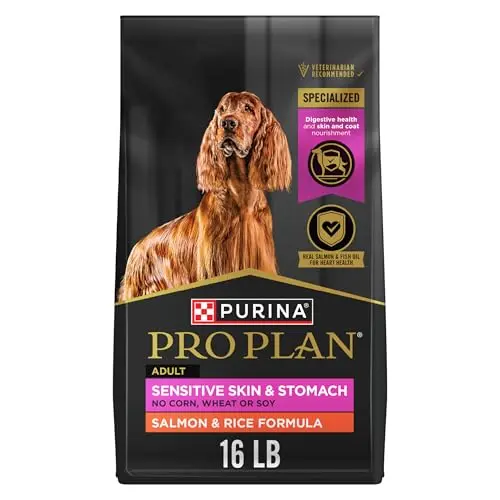
Sensitive Skin & Stomach Salmon & Rice – Allergy-Friendly Nutrition
A top-selling sensitive formula with salmon as the first ingredient, designed for dogs with food sensitivities. It avoids common allergens like wheat and soy, supporting both skin and digestive health.
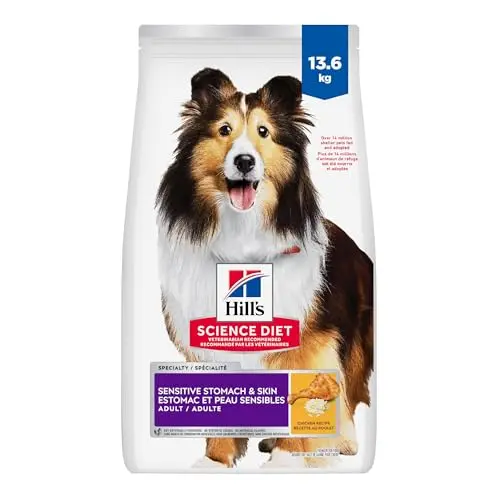
Adult Sensitive Stomach & Skin Chicken Recipe – Vet-Recommended Digestive Care
A veterinarian-recommended dry food that supports sensitive stomachs and skin. Made with natural ingredients and prebiotic fibre, it’s tailored for adult dogs needing a gentle, nourishing diet.
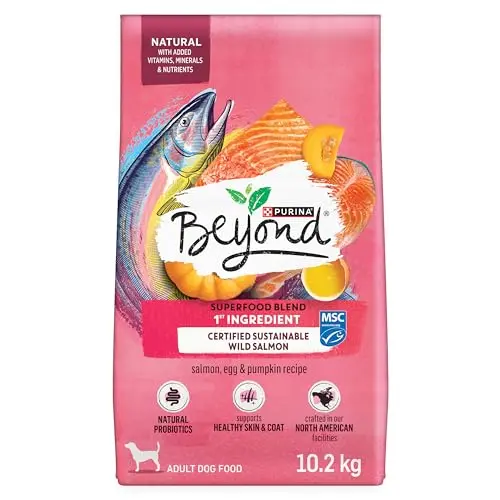
Superfood Blend Salmon, Egg & Pumpkin – Natural Limited Ingredient
A natural dry food featuring wild-caught salmon and no poultry by-product meal, perfect for dogs with food intolerances. The superfood blend includes pumpkin and oatmeal for gentle digestion.
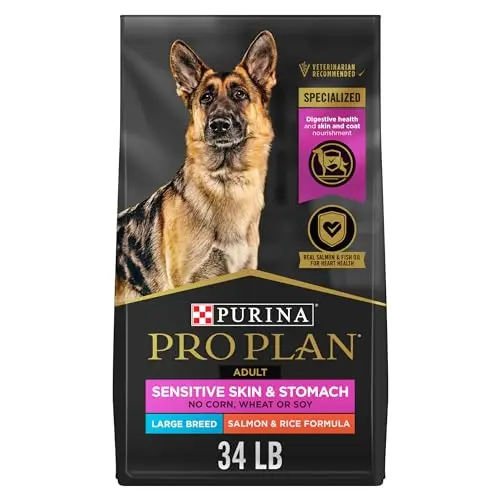
Large Breed Sensitive Skin & Stomach Salmon & Rice – Joint & Skin Support
Specifically formulated for large breed dogs with allergies, this salmon-first recipe includes glucosamine and EPA for joint health, alongside skin-nourishing omega fatty acids.
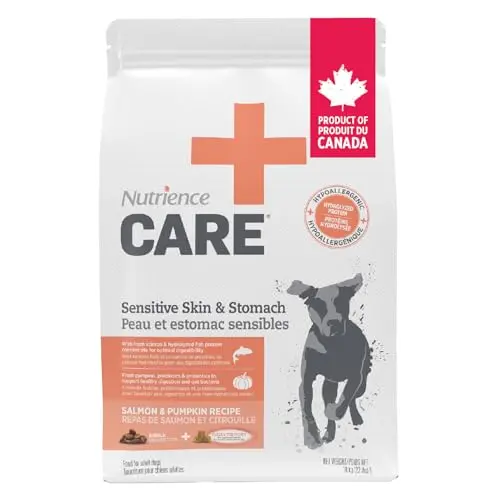
Care Sensitive Skin & Stomach Salmon – Hypoallergenic & Grain-Free
A premium grain-free diet crafted for dogs with severe allergies. It uses fresh salmon as a novel protein and includes a proprietary Digestiboost blend of pumpkin, chicory root, turmeric, and ginger.
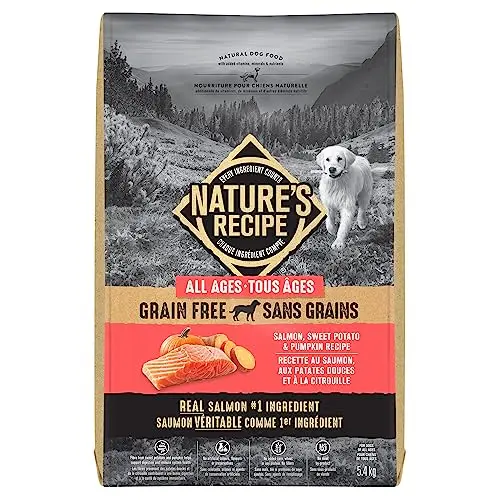
Grain-Free Salmon, Sweet Potato & Pumpkin – Affordable Allergy Relief
An affordable grain-free formula that puts salmon front and centre, with sweet potato and pumpkin for healthy digestion. It skips fillers and artificial ingredients, making it a budget-friendly pick for allergy-prone dogs.
How We Evaluated These Dog Foods for Severe Allergies
We didn’t conduct veterinary-supervised feeding trials or allergy testing. What we did: cross-referenced 6 dog food models from 5 distinct brands across 5 decision axes – novel protein source, limited ingredient vs. common allergens, grain-free status, prebiotic and probiotic support, and omega fatty acid profile. We triangulated published specifications, ingredient panels, and aggregated owner feedback where available to assess real-world relief for allergic dogs.
The scoring framework weighted real-world suitability for severe allergies (60%) – including protein novelty and gut health support – against feature differentiation (40%), like specialised breed formulas and added joint support. We have no commercial relationship with any of the brands featured; recommendations track allergy relief and nutritional fit, not brand preference. If your dog’s allergies demand a proven, widely endorsed formula, the Pro Plan Sensitive Skin & Stomach is our top pick. For severe, stubborn cases, the Nutrience Care is purpose-built for that fight.
How to Choose the Right Dog Food for Severe Allergies
Understanding Food Allergies in Dogs
Dogs with severe allergies often react to proteins like beef, chicken, or dairy. Symptoms go beyond occasional itching-chronic ear infections, hot spots, and gastrointestinal distress are common. A food trial with a novel protein or hydrolyzed diet is the gold standard for diagnosis, but many owners find relief with limited ingredient foods that strip away common triggers.
Look for foods that clearly state no artificial colours, flavours, or preservatives, and consider if grain truly is the culprit-true grain allergies are rare; often it’s the protein source that’s problematic.
Decoding Ingredient Labels: What to Look For
When shopping for allergy-friendly dog food, the ingredient list is your roadmap. Prioritize single, identifiable protein sources as the first ingredient. Avoid vague terms like ‘meat meal’ or ‘animal by-product.’ Prebiotic fibre like beet pulp or chicory root, and probiotics, support a healthy gut microbiome, which is critical for immune modulation.
Check for added omega-3 and omega-6 fatty acids from fish oil or flaxseed-they calm inflamed skin. And don’t be swayed by ‘natural’ marketing; focus on the absence of your dog’s known triggers.
Protein Choices: Novel vs. Common Sources
If your dog hasn’t been exposed to certain proteins, they’re less likely to trigger an allergic response. Salmon, lamb, venison, or duck are often novel for dogs accustomed to chicken or beef. Our top-rated picks all highlight salmon as the primary protein, earning positive feedback for reducing symptoms. However, if your dog has a known fish allergy, you’ll need an alternative like a lamb-based limited ingredient diet.
Hydrolyzed protein diets, available through veterinarians, break down proteins to avoid immune detection entirely, but are typically prescription-based. Over-the-counter options like those in our roundup offer a first line of defence.
Grain-Free vs. Limited Ingredient Diets: Which Is Better?
Grain-free diets remove wheat, corn, and soy-common but not always causative allergens. Many dogs with severe allergies do improve on grain-free formulas, but it’s the overall limited ingredient approach that often provides the most relief. Foods with fewer components reduce the chance of encountering a trigger. The Nutrience Care and Nature’s Recipe Grain-Free both excel here by keeping ingredient lists short and purposeful.
Remember, grain-free doesn’t equal hypoallergenic; it’s just one tool in the allergy-management toolkit.
Our Top Picks for Severe Allergies Compared
When we pit the Pro Plan Sensitive Skin & Stomach against the Nutrience Care, it’s a battle of proven track record versus targeted hypoallergenic design. Pro Plan offers a reliable entry with strong owner loyalty, while Nutrience goes the extra mile with Digestiboost and a truly novel protein. For large breeds, the Pro Plan Large Breed adds joint support, and Nature’s Recipe delivers grain-free nutrition at an accessible price point.
Frequently Asked Questions
What's the difference between the Pro Plan Sensitive Skin & Stomach and the Nutrience Care formulas?
The Pro Plan uses salmon as the first ingredient, avoids wheat and soy, and includes prebiotic fibre, making it a solid, widely available choice with a strong track record. The Nutrience Care takes a more aggressive approach with its hypoallergenic and grain-free formula, featuring fresh Canadian salmon as a novel protein and a proprietary Digestiboost blend. If your dog hasn’t found relief with standard sensitive formulas, Nutrience is the more targeted option.
Pro Plan is more budget-friendly and has broader acceptance among picky eaters; Nutrience is a premium pick for stubborn cases. Both offer quality nutrition, but your choice depends on the severity of your dog’s allergies.
Are grain-free diets always better for dogs with severe allergies?
Not necessarily. While grains can be allergens, protein sources like chicken or beef are far more common triggers. A grain-free diet helps if your dog specifically reacts to wheat or corn, but it’s not a universal solution. Many dogs with severe allergies benefit more from a limited ingredient diet that reduces the number of potential allergens overall, regardless of grain content. Our picks like Nature’s Recipe and Nutrience are grain-free and limited, offering a good starting point. Always consult your vet to pinpoint triggers before committing to grain-free, as recent studies note a possible link to canine heart issues in some cases.
How do I know if my dog's itching is from food or environment?
Seasonal patterns often point to environmental allergies, while year-round symptoms may indicate a food allergy. Ear infections, paw licking, and digestive issues are common food-allergy red flags. The only definitive method is an elimination diet trial supervised by your vet, where you feed a novel or hydrolyzed protein exclusively for 8-12 weeks. Many owners start with a high-quality limited ingredient food like the ones in our roundup to see if symptoms improve before moving to prescription diets.
Which of these foods is best for a large breed dog?
For large dogs, the Pro Plan Large Breed Sensitive Skin & Stomach is purpose-built. It not only addresses allergies with salmon, oatmeal, and prebiotic fibre but also includes glucosamine and EPA for joint health-a bonus for heavy breeds. The kibble size is tailored for bigger mouths, and the formula supports mobility alongside skin and stomach care. If your large dog is otherwise healthy and only needs allergy management, the regular Pro Plan Sensitive Skin & Stomach can work too, but the large breed version offers added peace of mind.
Final Verdict
For most dogs with severe allergies, the Pro Plan Sensitive Skin & Stomach is the answer-it combines a proven salmon formula with real-world owner success at a reasonable price. If your pup’s allergies are more stubborn, the Nutrience Care is purpose-built with a novel protein and gut-soothing botanicals. Budget-conscious owners will find the Nature’s Recipe Grain-Free Salmon a capable entry-level option, while large breeds get extra joint support from the Pro Plan Large Breed. Every dog is different, but one of these stands ready to break the cycle of itching and discomfort.