
Bringing home a Shih Tzu puppy means preparing for a tiny whirlwind of fluff with specific nutritional needs. Those petite jaws and developing bodies demand more than just any bag off the shelf; the right food needs to fit their mouths, fuel their rapid growth, and support their sensitive digestive systems. A poorly sized kibble or imbalanced formula can lead to picky eating, tummy trouble, or uneven development – exactly what no new puppy parent wants.
After surveying the market, we found that the best options for Shih Tzu pups share a few non-negotiables: small, easy-to-chew kibble, DHA for brain development, high-quality protein for lean muscle, and digestive support that matches their sometimes finicky guts. Brands like Royal Canin, Purina Pro Plan, and Hill’s all tune their small-breed recipes to these demands, but the right pick for your pup will come down to the nuance – protein source, probiotic inclusion, and how closely the formula mirrors a Shih Tzu’s growth curve.
Below, we break down our top five picks across a range of budgets and ingredient philosophies. Whether you’re after breed-specific precision or a wallet-friendly complete diet, this guide will help you choose the food that keeps your Shih Tzu puppy thriving, not just eating.
Best Dog Food for Shih Tzu Puppies – 2026 Reviews
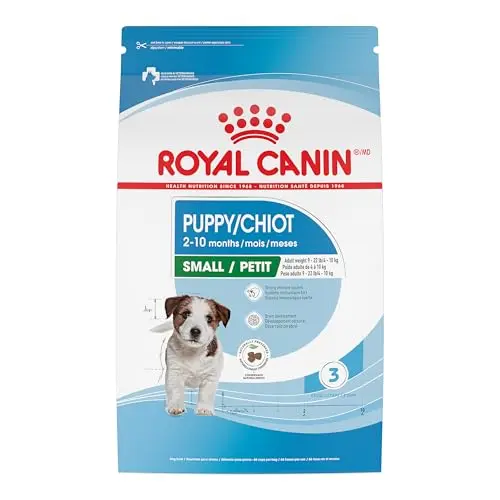
Small Puppy – Tailored for Small Breed Growth
Royal Canin’s Small Puppy formula is engineered for puppies expected to reach 9-22 lbs as adults – a perfect fit for Shih Tzus. The recipe is anchored by chicken as a high-quality protein source, and the kibble is deliberately sized for small mouths, encouraging proper chewing and digestion. A combination of DHA, omega-3 fatty acids, prebiotics, and antioxidants covers brain development, immune support, and gut health in one bag.
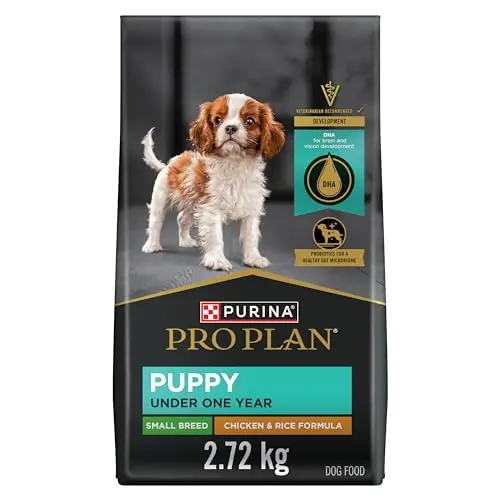
Small Breed Chicken & Rice – High-Protein, Probiotic Support
Purina Pro Plan’s small breed recipe starts with real chicken and loads up on protein to match the energy levels of a tiny, growing dog. The inclusion of live probiotics sets this apart – it actively supports digestive and immune health, which can be a game-changer for Shih Tzu pups with sensitive stomachs. The kibble is deliberately small and easy to handle, and the DHA from fish oil gives brain development a solid boost.
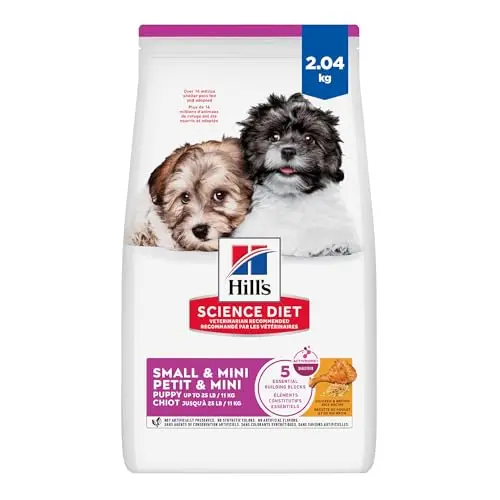
Small & Mini Chicken & Brown Rice – Antioxidant-Rich for Bone & Brain Development
Hill’s brings a vet-backed approach with this small & mini recipe, balancing minerals for bone growth and DHA for brain development. The antioxidant blend is a standout – vitamins C and E join forces to support a fledgling immune system. The kibble is specifically designed for tiny mouths, making mealtime easier for even the smallest Shih Tzu puppies.
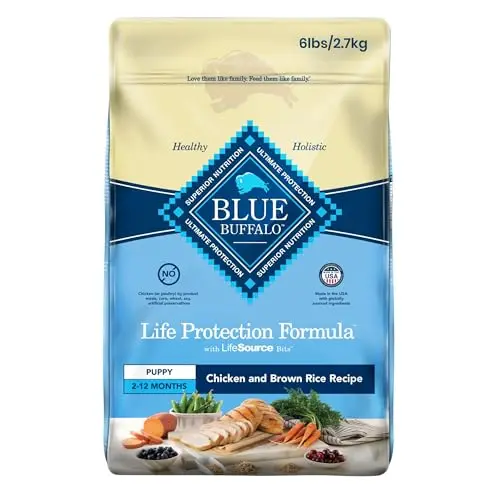
Life Protection Chicken & Brown Rice – DHA & ARA with LifeSource Bits
Blue Buffalo’s puppy formula leans on real chicken and wholesome grains, then adds a proprietary LifeSource Bits blend of antioxidants, vitamins, and minerals. The inclusion of both DHA and ARA – fatty acids found in mother’s milk – directly targets cognitive and eye development. Owners note that the kibble pieces are smaller than average, making them manageable for Shih Tzu-sized mouths.
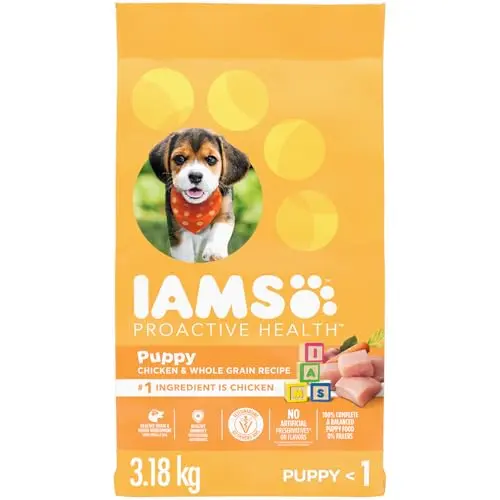
Proactive Health Chicken & Whole Grain – DHA and 22 Key Nutrients
IAMS Proactive Health keeps things straightforward: chicken and whole grains as the foundation, with omega-3 DHA and a targeted 22-nutrient profile modelled after mother’s milk. The formula explicitly leaves out fillers and artificial additives, which helps keep the ingredient list clean while keeping the price accessible. It’s a no-fuss option that covers the nutritional bases for a growing Shih Tzu puppy without breaking the bank.
How We Evaluated These Dog Foods for Shih Tzu Puppies
We didn’t run controlled feeding trials or lab analysis. What we did: cross-referenced 5 dry puppy foods from 5 distinct brands across 4 decision axes – kibble size and texture, ingredient quality and protein source, DHA and developmental support, and digestive health features – then triangulated published specifications, aggregated owner feedback where available, and use-case fit for Shih Tzu puppies specifically.
The scoring framework weighted real-world performance (60%) – how well each formula matches the physical and digestive needs of a small-breed, growing puppy – against feature differentiation (40%) – unique technical advantages like live probiotics, ARA inclusion, or breed-specific kibble engineering. We have no commercial relationship with any of the brands featured; our recommendations track fit and differentiation, not brand preference. If you want a formula that removes guesswork for Shih Tzu development, the Royal Canin Small Puppy is the most targeted pick; if you’re budget-conscious and still want core nutritional bases covered, the IAMS Proactive Health delivers.
How to Choose the Right Dog Food for Shih Tzu Puppies
What Makes a Good Puppy Food for Shih Tzus?
Shih Tzu puppies are not just small dogs; they have a specific growth trajectory, a predisposition to dental crowding, and digestive systems that can be reactive. A good puppy food for this breed starts with high-quality animal protein (chicken, lamb, or fish are common) to support muscle development without excess fillers. DHA, an omega-3 fatty acid, is non-negotiable for brain and vision development during the first year. Look for it explicitly listed on the label, ideally from fish oil or marine algae.
Beyond macros, the calcium and phosphorus balance matters for controlled bone growth – too much or too little can cause skeletal issues in small breeds. Antioxidants like vitamins C and E bolster a still-maturing immune system, and ingredients like prebiotics or probiotics help maintain the gut harmony that Shih Tzus are famous for disrupting. If the front of the bag says “small breed” and the ingredient panel backs it up, you’re on the right track.
Kibble Size: Why Tiny Matters for Shih Tzu Puppies
It sounds obvious, but kibble that’s too large or dense becomes a choking hazard or, at minimum, a meal-skipping annoyance for a Shih Tzu puppy. Their small jaws and potential for underbite mean that pellet diameter and hardness can make or break mealtime. Breed-specific formulas like the Royal Canin Small Puppy and Hill’s Small & Mini engineer their kibble to match the mouth size and chewing force of small breeds. When in doubt, look for phrases like “small bite,” “mini kibble,” or owner reviews mentioning that the pieces are easy for toy breeds to handle.
If a formula doesn’t specifically mention kibble size but still checks every other box, you can soften it with warm water or a bit of wet food for the first few weeks. But long-term, a properly sized dry kibble also helps with dental health by providing gentle abrasion, so it’s worth prioritizing.
Key Nutrients: DHA, Protein, and Probiotics Explained
Puppy food labels can feel like alphabet soup, but three terms are especially relevant for Shih Tzus. DHA (docosahexaenoic acid) is an omega-3 fatty acid that concentrates in the brain and retina; it supports cognitive development and vision during the rapid growth phase. You’ll find it in fish oil, algae oil, or as a standalone supplement in many puppy formulas. High-quality protein from real meat, poultry, or fish provides the amino acids for lean muscle, organ development, and a healthy coat. Chicken-based recipes are popular for their palatability and amino acid profile.
Probiotics and prebiotics round out the gut-health equation. Live probiotics (like those in Purina Pro Plan) introduce beneficial bacteria directly, while prebiotic fibres (like those in Hill’s and Royal Canin) feed existing good bacteria. For a breed known for occasional digestive sensitivity, having either – or both – in the ingredient list can mean fewer tummy troubles and firmer stools.
Royal Canin vs. Purina Pro Plan: Which is Right for Your Shih Tzu?
These two often sit at the top of shortlists for small-breed puppies, and the choice comes down to philosophy. Royal Canin’s Small Puppy formula is breed-size specific, with a narrow adult-weight target that captures Shih Tzus precisely. It leans on a precise balance of nutrients and a kibble engineered for small jaws. Purina Pro Plan’s Small Breed brings a protein-forward, probiotic-rich approach that actively supports digestion with live cultures.
If you value breed-specific research and the convenience of a formula that’s practically custom-fit, Royal Canin is the pick. If your Shih Tzu has ever struggled with loose stools or you want that extra digestive reassurance, Pro Plan’s live probiotics make it a compelling alternative. Both provide DHA, small kibble, and antioxidant support, so you can’t go wrong either way.
Grain-Free or With Grains? Debunking Myths for Puppies
The grain-free trend has cooled as research linked some grain-free diets to dilated cardiomyopathy (DCM) in dogs, but the concern is primarily around exotic ingredients and legume-heavy recipes – not a reason to fear whole grains. For Shih Tzu puppies, digestible whole grains like brown rice, oatmeal, and barley offer steady energy and fibre that supports gut motility. Blue Buffalo and Hill’s both use whole grains effectively. Unless your puppy has a diagnosed grain allergy (extremely rare), there’s no proven benefit to avoiding grains, and doing so can sometimes limit the fibre diversity that a sensitive digestive system appreciates.
When to Transition to Adult Food
Shih Tzus typically reach their adult size around 9-12 months, though some may fill out a bit later. Around this time, their calorie and nutrient needs shift from growth to maintenance. Transitioning too early can short-change bone development; waiting too long can lead to excess weight. Most small-breed puppy foods, including our top picks, support feeding until about 10-12 months. Start mixing in a high-quality small-breed adult formula gradually over a week at that one-year mark, and watch for any digestive upset.
Budget-Friendly Options: Getting Quality Without Overspending
Puppy food can be pricey, but you don’t need the most expensive bag to raise a healthy Shih Tzu. The IAMS Proactive Health proves that a sub-$20 price point can still include DHA, 22 key nutrients, and zero artificial additives. The trade-off is usually less breed-specific engineering – the kibble may be a touch larger, and you won’t find that laser-focused small-breed nutrient balance. But if budget is the priority, IAMS covers the critical developmental bases without filler or fluff.
Frequently Asked Questions
What's the difference between Royal Canin Small Puppy and Hill's Science Diet Small & Mini?
Both are excellent small-breed options, but they take slightly different paths. Royal Canin’s formula is breed-size calibrated – its nutrient density and kibble design target the 9-22 lb adult range that includes Shih Tzus. It features prebiotics and highly digestible proteins for gut health. Hill’s Small & Mini emphasizes balanced minerals for bone growth and an antioxidant blend for immunity, with a slightly different fibre profile that some dogs may tolerate better. If you value breed-specific precision, Royal Canin is the tighter fit; if you prefer a vet-backed, mineral-focused approach, Hill’s is a strong alternative. Both offer small kibble and DHA.
Is Blue Buffalo better than IAMS for Shih Tzu puppies?
‘Better” depends on what you’re weighing. Blue Buffalo includes both DHA and ARA, cold-formed LifeSource Bits for antioxidants, and its kibble is reported to be small enough for toy breeds. IAMS skips the ARA and proprietary bits but still delivers DHA, 22 key nutrients, and a no-filler ingredient list at a significantly lower cost. For owners who want the additional fatty acid and a more boutique ingredient story, Blue Buffalo takes the edge. For those who want a straightforward, budget-conscious formula that still checks the developmental boxes, IAMS holds its own. Neither is a wrong choice; it’s a matter of ingredient philosophy and budget.
My Shih Tzu puppy is a picky eater – which food is most palatable?
Picky eating is common in Shih Tzus, and palatability often comes down to protein source and aroma. Chicken-based recipes tend to be the most universally accepted, and all the top picks here use chicken as a primary ingredient. The Purina Pro Plan Small Breed consistently gets praise for its taste, and its slightly higher fat and protein content may make it more appealing to reluctant eaters. If your puppy still turns up their nose, mixing a spoonful of a complementary wet food or slightly moistening the kibble can bridge the gap.
Can I switch my Shih Tzu puppy to adult food early?
It’s best to wait until at least 10-12 months. Shih Tzus may look fully grown by 9 months, but their bone density and muscle development continue to mature. Puppy foods are calorically denser and higher in key nutrients like DHA and calcium – things adult formulas trim. Switching too early risks under-supplying a still-developing body. When you do transition, do it over 7-10 days by gradually mixing increasing amounts of adult food into the puppy food, and monitor stool consistency throughout.
Final Verdict
For most Shih Tzu puppies, the Royal Canin Small Puppy is the answer – it nails breed-specific nutrition with a kibble size and nutrient balance that feel almost custom-made. If you want high-protein oomph and the digestive safety net of live probiotics, the Purina Pro Plan Small Breed is our editor’s pick and a superb alternative. And when budget is the top concern, the IAMS Proactive Health proves you can cover the developmental essentials without overspending. Any of these three will keep your Shih Tzu puppy on a healthy growth curve; the right one simply depends on your priorities.