
Your Shih Tzu’s happy dance at dinner time shouldn’t end in tummy troubles. If your little lion dog is dealing with loose stools, gurgling, or occasional vomiting, you’re not alone-this breed is famously prone to sensitive digestion. Finding the right food is one of the most effective ways to settle their stomach and keep that luxurious coat shiny.
The challenge isn’t just picking a ‘sensitive stomach” label. For Shih Tzus, kibble size, ingredient quality, and targeted nutrients like omega fatty acids and prebiotic fibre matter as much as the protein source. We’ve cross-shopped the market to identify the dry foods that consistently earn tail wags and solid poops from this picky, tiny-jawed breed.
Below you’ll find our top recommendations, built around real-world digestibility, breed‑appropriate formulas, and owner experiences. Whether your Shih Tzu needs a gently cooked chicken blend or a salmon‑based recipe for skin support, there’s a match here.
Best Dog Food for Shih Tzu with Sensitive Stomach – 2026 Reviews
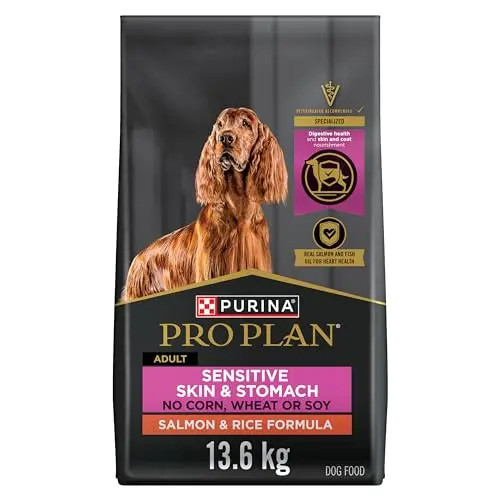
Sensitive Skin & Stomach Salmon & Rice – Gentle Nutrition for Tiny Tummies
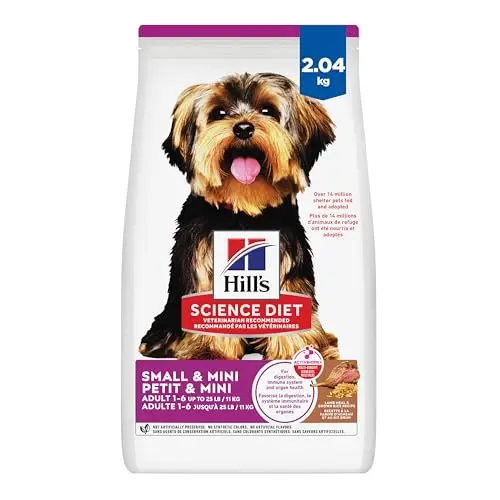
Small & Mini Lamb Meal & Brown Rice – Digestive Health with Pumpkin
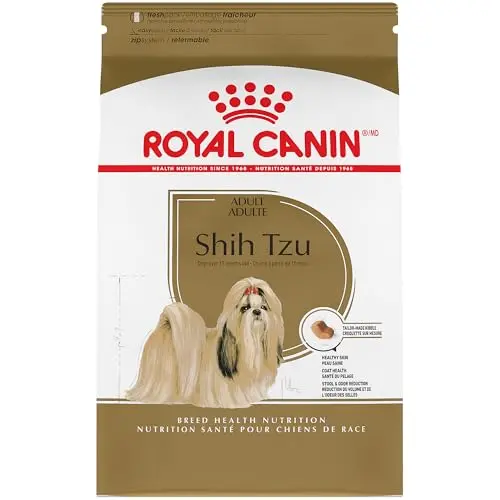
Shih Tzu Adult Breed Specific – Tailored Nutrition for Your Purebred
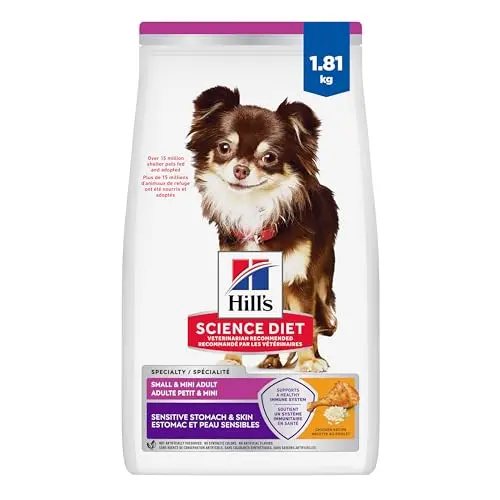
Sensitive Stomach & Skin Small & Mini Chicken – Triple Support for Delicate Digestion
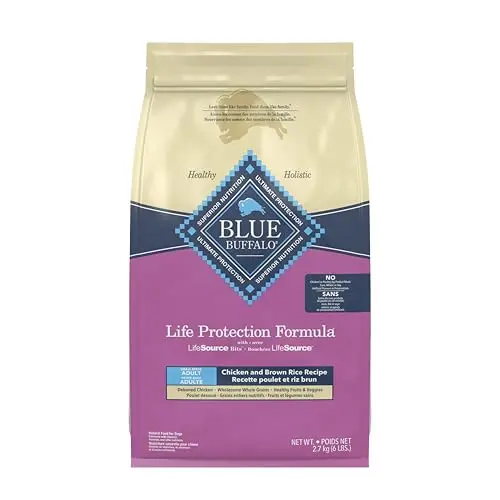
Life Protection Small Breed Chicken & Brown Rice – Everyday Nutrition with Antioxidants
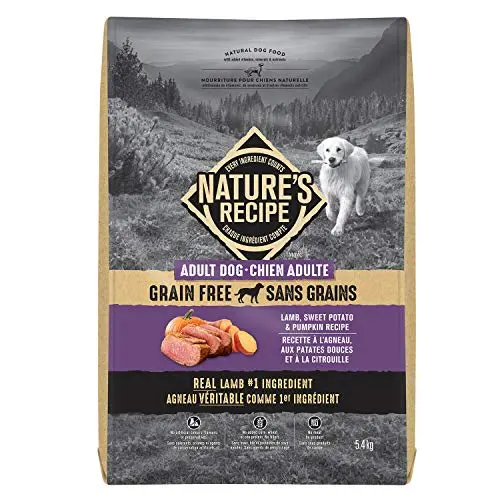
Grain Free Lamb, Sweet Potato & Pumpkin – Simple Ingredients for Sensitive Systems
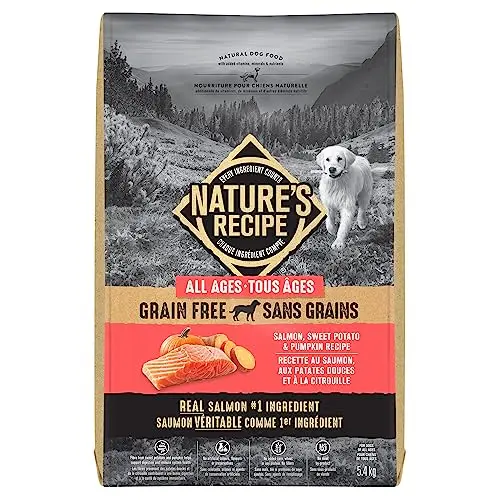
Grain Free Salmon, Sweet Potato & Pumpkin – Omega‑Rich Skin & Coat Support
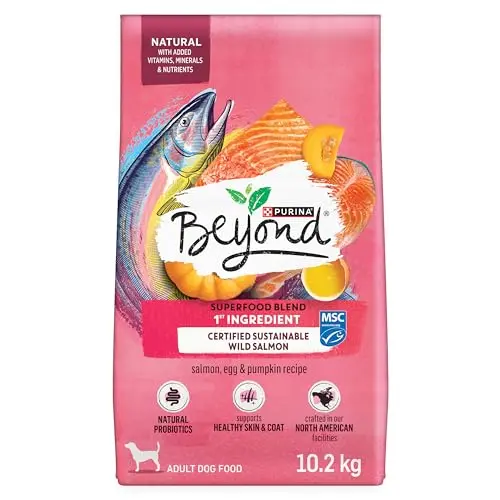
Superfood Blend Salmon, Egg & Pumpkin – Nutrient‑Dense Limited Ingredients
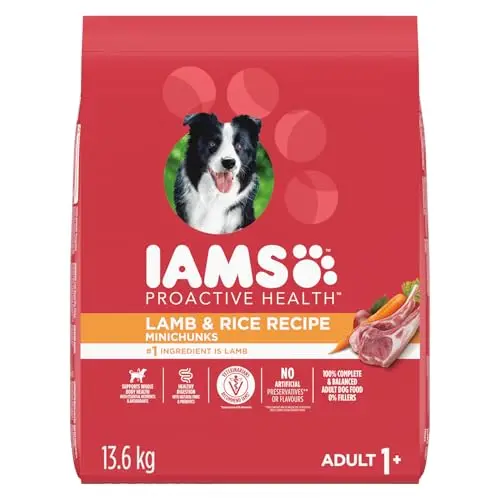
Proactive Health Minichunks Lamb & Rice – Dental Care Meets Digestive Support
How We Evaluated These Dog Foods for Shih Tzu with Sensitive Stomach
We didn’t run veterinary‑supervised feeding trials or lab digestion tests. What we did: cross‑referenced 9 dog food models from 7 distinct brands across 7 decision axes – ingredient quality, protein source, digestibility (prebiotics and fibre), breed‑specific design, kibble size and shape, skin & coat nutrients (omega fatty acids), and value‑conscious formulation. We triangulated published nutritional information, ingredient lists, and aggregated owner experiences where available, focusing on outcomes like stool quality, skin irritation, and overall tolerance in small, sensitive dogs.
The scoring framework weighted real‑world digestive and skin performance (60%) – how well each formula actually settles a Shih Tzu’s stomach and soothes its skin – against breed‑specific feature differentiation (40%), such as kibble shape, targeted nutrient complexes, and limited‑ingredient appeal. We have no commercial relationship with any of the brands featured; recommendations track fit and differentiation, not brand preference. If your Shih Tzu battles chronic loose stools, the Purina Pro Plan Sensitive Skin & Stomach is your match; if you value breed‑specific jaw and skin engineering, Royal Canin Shih Tzu serves you better.
How to Choose the Right Dog Food for Shih Tzu with Sensitive Stomach
Why Shih Tzus Need Special Digestive Consideration
Shih Tzus weren’t built for bowls of mystery kibble. Their short muzzle and underbite make chewing and pre‑digestion less efficient, so they rely heavily on the stomach and intestines to break down food. This means large, hard kibble or poorly digestible ingredients can spell gas, bloating, or worse. Additionally, the breed is genetically predisposed to food sensitivities and skin allergies-often two sides of the same coin.
Look for foods with moderate protein from high‑quality sources (real meat, meal, or fish) and gentle carbohydrates like oatmeal, brown rice, or sweet potato. Avoid vague ‘meat meals” and fillers that can trigger inflammation. A kibble size no larger than a pencil eraser is ideal; anything bigger may be ignored or swallowed whole.
Decoding the Sensitive Stomach Label
‘Sensitive stomach” formulas aren’t all created equal. The best ones include a limited number of protein sources to reduce immune reactions, prebiotic fibre (like beet pulp or inulin) to feed good gut bacteria, and omega fatty acids to calm skin inflammation. If your Shih Tzu reacts to poultry, a salmon or lamb recipe might be a lifesaver.
Don’t assume grain‑free equals gentle. Some grain‑free diets replace grains with legumes that can be hard to digest or linked to heart issues in some dogs. A whole‑grain inclusive diet with brown rice or oatmeal is often better tolerated by Shih Tzus unless a specific grain allergy is diagnosed.
Feeding a Shih Tzu with Sensitive Stomach: Transition and Routine
Switching foods too fast is the #1 cause of ‘new food diarrhea” in small dogs. For a Shih Tzu, plan a 7‑ to 10‑day transition: start with 25% new food mixed with 75% old, and gradually shift ratios. Adding a probiotic supplement or a spoonful of pure pumpkin puree can ease the shift.
Feed twice daily on a consistent schedule to regulate digestion. Avoid free‑feeding, which can lead to overeating and intermittent bloating. If you’re trying a limited‑ingredient diet, stick to it for at least 8 weeks before deciding it doesn’t work-some skin and coat benefits take time to appear.
Purina Pro Plan Sensitive Skin & Stomach vs Hill's Science Diet Sensitive Stomach & Skin: Which Is Better for Shih Tzus?
Both brands are vet‑recommended and have stellar track records, but they differ in protein focus. The Purina Pro Plan uses salmon as its sole animal protein, making it a strong pick for Shih Tzus with chicken intolerance; its sunflower oil delivers a direct hit of omega‑6s for skin. The Hill’s Sensitive Stomach & Skin starts with chicken, but its triple‑action support (stomach, skin, immune) and clinically proven antioxidants may benefit dogs with broader allergy patterns.
For a Shih Tzu whose primary issue is intermittent loose stool, the Purina’s prebiotic fibre and simple salmon base often yield faster results. If skin redness or yeast issues are the bigger problem, the Hill’s formula’s extra vitamin E and omega‑3 & 6 combo can be more helpful. Both offer tiny kibble sizes, so your decision may come down to protein sensitivity.
Breed‑Specific vs General Small Breed Food: When Royal Canin Makes Sense
The Royal Canin Shih Tzu formula is in a league of its own: every aspect, from the curved kibble shape to the EPA/DHA skin complex, is engineered for this one breed. If your Shih Tzu has a pronounced underbite or regularly turns down food because it’s hard to pick up, this is likely your answer. The digestibility focus also means less stool volume and odor-a real plus for apartment dwellers.
General small‑breed foods like Hill’s Small & Mini Lamb are more versatile and often less expensive, but they won’t address jaw mechanics or breed‑specific skin issues. Use the Royal Canin if your Shih Tzu is a picky eater with confirmed skin sensitivity; choose a general small‑breed formula if budget and everyday digestion are your top priorities.
Fibre, Prebiotics, and the Pumpkin Factor
Fibre is the unsung hero of sensitive stomach management. Soluble fibre (like that in pumpkin and oatmeal) absorbs excess water in the gut, firming up loose stools, while insoluble fibre (beet pulp, cellulose) adds bulk for regular bowel movements. Prebiotics are specialized fibres that feed beneficial bacteria; they’re included in several of our top picks.
Shih Tzus seem to respond particularly well to pumpkin-it’s mild, palatable, and you’ll find it in the Hill’s Lamb, Nature’s Recipe, and Beyond formulas. If your dog’s stools are consistently soft but not watery, a food with added pumpkin can often solve the problem without needing a prescription diet.
Frequently Asked Questions
What's the difference between Purina Pro Plan Sensitive Skin & Stomach and Hill's Science Diet Sensitive Stomach & Skin for small dogs?
The two formulas share a similar goal but differ in execution. Purina Pro Plan uses salmon as the primary ingredient and relies on oatmeal and sunflower oil for fibre and omega‑6s. It’s completely fish‑based and avoids poultry, which can be a deciding factor for Shih Tzus with chicken allergies. Hill’s Science Diet Sensitive Stomach & Skin uses chicken, but augments it with prebiotic fibre from beet pulp and a triple‑action support for stomach, skin, and immune health. Both have tiny kibble and are vet‑recommended; your choice often comes down to whether your Shih Tzu tolerates chicken better than fish, or needs the extra immune boost Hill’s offers.
Royal Canin Shih Tzu vs Hill's Science Diet Small & Mini Lamb: Which is gentler on digestion?
Both are gentle, but in different ways. The Royal Canin Shih Tzu formula is built around highly digestible proteins and a precise fibre blend that not only reduces stool volume but also tends to produce firmer, less odorous waste. The specialized kibble shape encourages slower, more thorough chewing, which can reduce the risk of gulping and stomach upset. Hill’s Small & Mini Lamb includes pumpkin for a natural fibre boost and uses lamb meal, which may be a novel protein for some Shih Tzus. If your dog has a history of chicken‑related loose stools, the lamb‑based Hill’s recipe could be the gentler starting point; if the challenge is more about mechanical eating and skin issues, Royal Canin pulls ahead.
How do I transition my Shih Tzu to a new food without causing stomach upset?
A slow switch is non‑negotiable. Over 7 to 10 days, gradually replace a portion of the old food with the new: days 1‑3 at 25% new/75% old, days 4‑6 at 50/50, days 7‑9 at 75/25, and full switch by day 10. If stools loosen, pause at the current ratio for an extra day or two. Adding a teaspoon of plain canned pumpkin (not pie filling) can add soluble fibre and ease the transition. For extremely sensitive dogs, consider a probiotic powder sprinkled on meals for the first two weeks. Always ensure fresh water is available, and avoid giving high‑value treats during the switch to isolate any reactions to the new food.
Can grain‑free food really help my Shih Tzu's sensitive stomach?
Grain‑free diets can help, but they aren’t a guaranteed fix. Some Shih Tzus do well on grain‑free formulas like Nature’s Recipe because they replace potential triggers like wheat or corn with sweet potato or legumes. However, many dogs with sensitive stomachs actually benefit from soluble fibres found in whole grains like oatmeal and brown rice. If your Shih Tzu has a confirmed grain allergy (rare), a grain‑free diet is worth trying. For most, a limited‑ingredient or sensitive‑stomach formula that includes gentle grains may be safer and more effective. Consult your vet before making a long‑term grain‑free commitment, especially given the ongoing discussion about its link to canine heart disease.
Final Verdict
For most Shih Tzus suffering through tummy troubles and dull coats, the Purina Pro Plan Sensitive Skin & Stomach Salmon & Rice is the answer-it simplifies the ingredient list, centres on a novel protein, and delivers the digestive and skin support this breed craves. If you’re budget‑conscious, the Blue Buffalo Small Breed Chicken & Brown Rice gets you high‑quality, small‑breed nutrition at a friendly price. Prefer a food that feels custom‑made for your Shih Tzu’s unique jaw? The Royal Canin Shih Tzu breed‑specific recipe is purpose‑built and often resolves picky eating along with digestion. And if skin flares are your main battle, the Hill’s Sensitive Stomach & Skin Small & Mini layers on extra immunity support. Whichever you pick, a slow transition and a watchful eye on that tiny tail will tell you if you’ve found the right bowl.