
Bringing home a fluffy Siberian husky puppy is equal parts joy and chaos. Those blue eyes and that endless energy mean you need a food that can keep up. The right puppy diet builds a foundation for strong bones, a healthy coat, and a sharp brain-and picking the wrong one can set you back during this critical growth window.
Not all puppy foods are created equal, especially for a breed that can tip the scales at 35-60 pounds. We zeroed in on formulas that deliver high-quality protein, DHA for cognitive development, and joint support for those active limbs. Below, you’ll find a cross-brand survey that helps you choose the best match for your husky pup, whether you prioritize budget, breed-specific nutrition, or all-around value.
Best Dog Food for Siberian Husky Puppies – 2026 Reviews
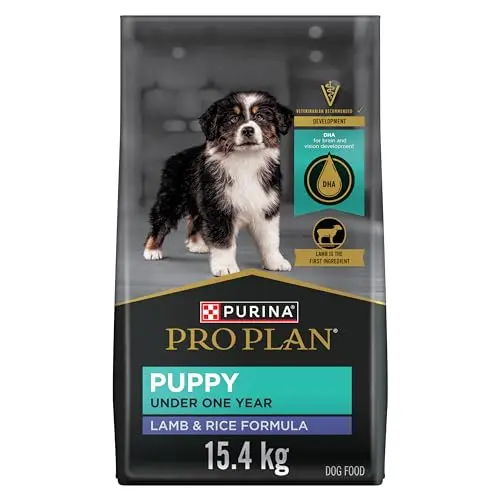
Pro Plan Development Lamb & Rice – DHA-Rich Puppy Nutrition
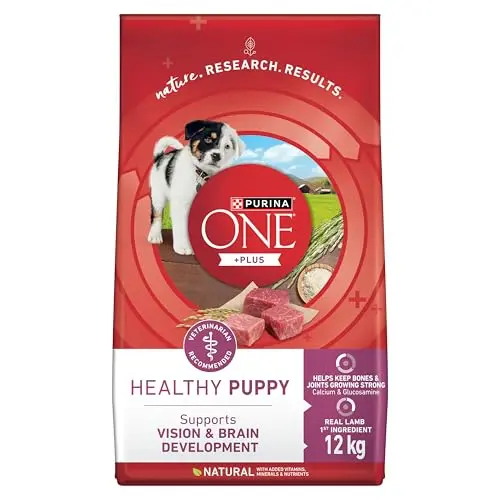
ONE+Plus Healthy Puppy Lamb – Digestible & Brain-Boosting
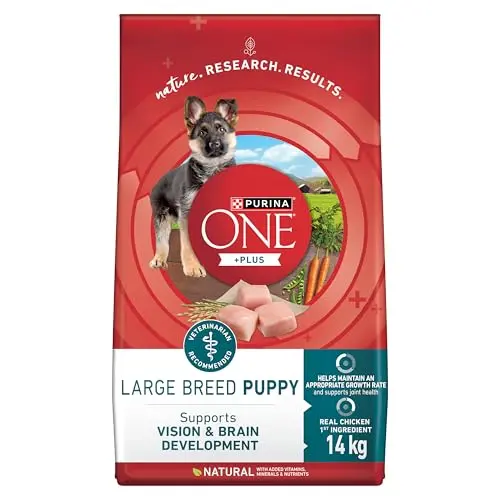
ONE Large Breed Puppy Chicken – Joint & Brain Support
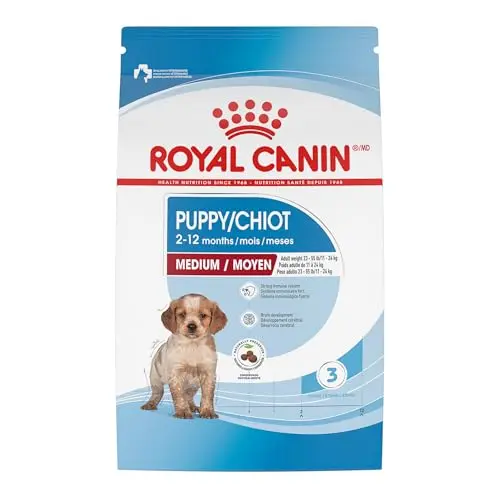
Size Health Nutrition Medium Puppy – Tailored Growth Support
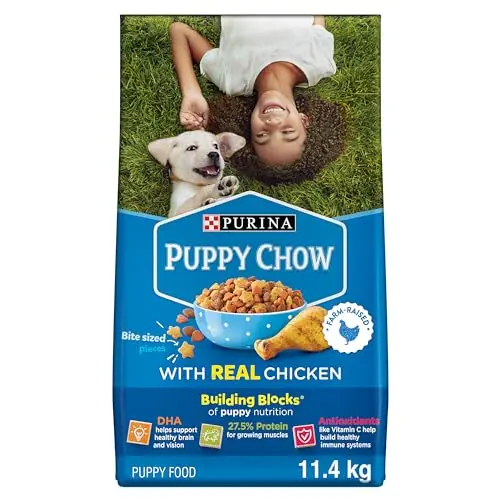
Puppy Chow Complete with Chicken – Budget-Friendly Puppy Nutrition
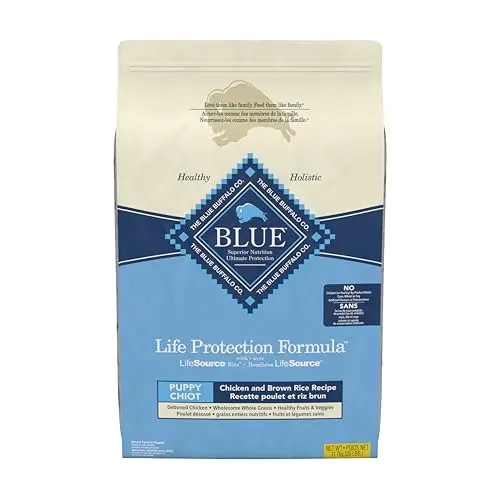
Life Protection Formula Puppy Chicken & Brown Rice – DHA & ARA for Cognitive Health
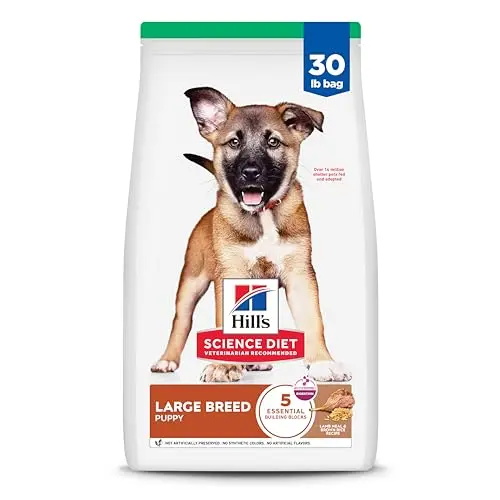
Science Diet Large Breed Puppy Lamb – Bone & Joint Development
How We Evaluated These Dog Foods for Siberian Husky Puppies
We didn’t conduct long-term feeding trials or veterinary testing. What we did: cross-referenced 7 puppy food models from 4 distinct brands across 5 decision axes – protein quality and source, DHA and fatty acid levels for brain health, joint support ingredients (like glucosamine and chondroitin), breed-size specificity, and digestive health features. We triangulated published nutritional profiles, ingredient decks, and owner feedback (where available) to gauge real-world performance for the high-energy, medium-to-large Siberian husky. The scoring framework weighted brownie points for real-world fit (60%) against ingredient differentiation (40%), with bonus credit for features that directly address husky puppy needs like joint care and coat health. We have no commercial relationship with any of these brands; recommendations track what works for husky puppies, not brand loyalty. If you want the best all-around nutrition, the Pro Plan Development Lamb & Rice is our top pick; if joint health is your primary concern, the Purina ONE Large Breed Chicken is a smarter choice.
How to Choose the Right Dog Food for Your Siberian Husky Puppy
Understanding a Siberian Husky Puppy's Nutritional Needs
Siberian husky puppies are medium-to-large breed dogs with seemingly endless energy reserves. They need a diet that fuels rapid growth without packing on excess weight that could strain developing joints. Look for a formula with at least 22-28% protein from named animal sources (chicken, lamb, or fish) to build lean muscle, and DHA-an omega-3 fatty acid crucial for cognitive and visual development. Since huskies can have sensitive stomachs, easily digestible carbohydrates like rice or oatmeal and the inclusion of probiotics are big wins.
Key Ingredients to Look For: Protein, DHA, and More
The first ingredient should always be a named meat protein-not a by-product or meal derivative, though lamb meal and chicken meal can still be high-quality. DHA is non-negotiable for puppy brain development; many foods source it from fish oil or marine algae. Additionally, keep an eye out for antioxidants (vitamins C and E) to support the immune system during a vulnerable life stage. If the food includes glucosamine and chondroitin, even better-these are like a head start on lifelong joint health.
The Importance of Breed-Size Specific Formulas for Large Breed Puppies
Joint Support: Why Glucosamine Matters for Active Breeds
Digestive Health: Probiotics, Prebiotics, and Gentle Fibre
Purina Pro Plan vs. Royal Canin: Which Is the Right Fit for Your Husky Pup?
How to Transition Your Husky Puppy to a New Food
Frequently Asked Questions
What's the difference between the Purina Pro Plan Lamb & Rice and the Purina ONE Large Breed Chicken formulas?
The Pro Plan Lamb & Rice is an all-breed puppy formula with guaranteed live probiotics and a focus on digestive health, using lamb as its protein source. It’s a great all-rounder. The Purina ONE Large Breed Chicken is specifically formulated for dogs that will weigh over 50 lbs as adults, with glucosamine for joint support and a dual-defense antioxidant blend. If your husky pup is expected to be on the larger side (55+ lbs) or you’re especially concerned about hip health, the large breed option makes more sense. For smaller huskies or those with sensitive stomachs, the Pro Plan may be the safer first choice.
Is the Royal Canin Medium Puppy food suitable for a Siberian husky?
Yes, for most huskies. Royal Canin’s medium formula is designed for puppies whose adult weight will be between 23-55 lbs, which covers the typical female husky (35-50 lbs) and many males (45-60 lbs). It includes DHA, prebiotics, and taurine, and its kibble size is appropriate. However, if your puppy’s parents are on the very large end of the breed standard, you might want to step up to a large breed formula instead. Check with your breeder or vet for a projected adult weight.
Should I choose a grain-free food for my husky puppy?
Not unless there’s a specific allergy diagnosed by your vet. Grains like rice, barley, and oatmeal provide digestible energy and fibre that support healthy growth. The recent concern about grain-free diets and canine dilated cardiomyopathy (DCM) makes many vets cautious. The only grain-free option we reviewed-the Nature’s Recipe-was omitted from our final picks because it’s an all-life-stages formula, not specifically puppy-oriented. Stick with recipes that include wholesome grains unless your puppy has a proven intolerance.
How does the Blue Buffalo Life Protection compare to Hill's Science Diet for puppies?
Both are natural-leaning, but Blue Buffalo’s Life Protection Formula emphasizes whole ingredients and avoids chicken by-products, while Hill’s Science Diet takes a more clinical, vet-recommended approach with precise mineral balancing. Blue Buffalo includes LifeSource Bits (a cold-formed vitamin pack), whereas Hill’s builds everything into the kibble. For joint support, Hill’s large breed formula has a clear edge with added glucosamine; Blue Buffalo doesn’t spotlight joint health. If you’re ingredient-label conscious, go Blue Buffalo; if you want science-backed growth control, Hill’s is stronger.
Do I need to supplement my husky puppy's diet with glucosamine?
If you’re feeding a large breed-specific puppy food that includes natural glucosamine and chondroitin, supplementation is typically unnecessary. Foods like the Purina ONE Large Breed and Hill’s Science Diet Large Breed already account for joint health. If you’re using an all-breed formula, talk to your vet about adding a supplement; it’s not an immediate must for puppies but can be beneficial once they hit a growth spurt around 6-9 months. Never add supplements without professional guidance-overdoing calcium or vitamin D can be harmful.
At what age should I switch my husky puppy to adult food?
Most Siberian huskies can transition to adult food between 12-14 months, once their growth plates have closed. Large-breed formulas are sometimes recommended until 18 months. Watch for signs that your dog has stopped gaining height and is filling out; your vet can confirm maturity. Switch gradually using the 7-10 day method to avoid digestive upset. If you’ve been on a large breed puppy formula, you might switch to a large breed adult maintenance food to keep joint support going.
Final Verdict
For the typical Siberian husky puppy, the Pro Plan Development Lamb & Rice is our top recommendation-it combines high-quality ingredients, digestive probiotics, and brain-boosting DHA in a formula that works for most. If you’re on a tighter budget, the Purina Puppy Chow Complete covers the essentials without compromise. For those who want breed-specific joint support from day one, the Purina ONE Large Breed Chicken is the smarter play. No matter which you pick, pair it with plenty of exercise and those famed husky cuddles.