
It starts with a gurgle-your dog’s stomach making noises that signal discomfort. An upset stomach can turn mealtime into a guessing game, and the right food makes all the difference. We surveyed the market to find the best dog foods for sensitive digestion, comparing formulas across seven models from six brands to identify what actually soothes tummies.
What separates a stomach-soothing kibble from a standard one? Digestibility is key-highly digestible proteins and gentle fibres help nutrients absorb without taxing the gut. Prebiotics and probiotics support a healthy microbiome, while appropriate fibre sources like pumpkin or oat meal firm up stools. This guide breaks down the ingredients, formulas, and formats that target upset stomachs, helping you choose the right match for your dog.
Best Dog Food for Upset Stomach – 2026 Reviews
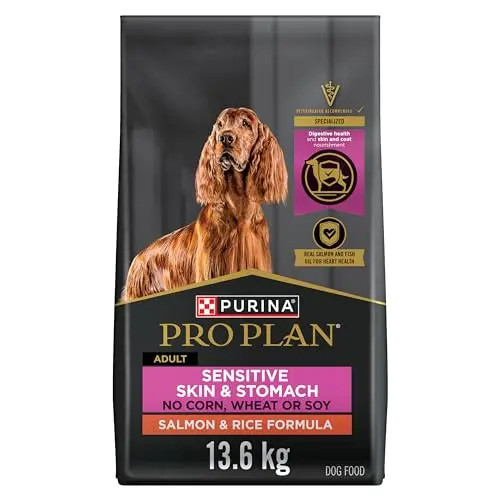
Salmon & Rice Formula – Digestive Health Support
Purina Pro Plan’s salmon-based formula leads with real fish and oat meal, two ingredients widely considered gentle on the stomach. It packs prebiotic fibre to nourish gut bacteria, plus omega-3 and -6 fatty acids for skin and joint health. Owners of sensitive dogs consistently report improved stool quality and happy mealtimes.
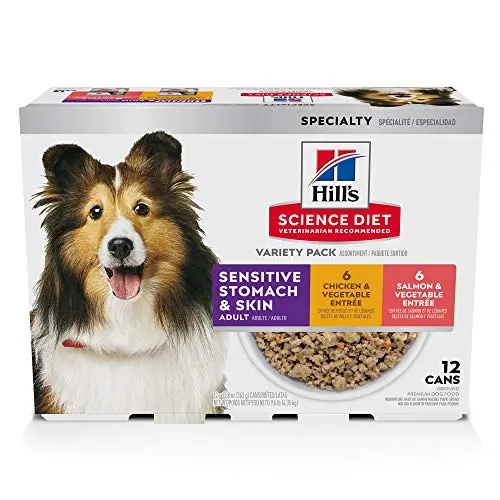
Sensitive Stomach & Skin Variety Pack – Gentle Wet Nutrition
For dogs who need extra moisture or have trouble chewing, this wet food variety pack delivers easy-to-digest nutrition in two flavours. Prebiotic fibre and omega-6s work together to calm stomachs and nourish skin, with many owners reporting that their dog’s digestion stabilizes quickly on this formula.
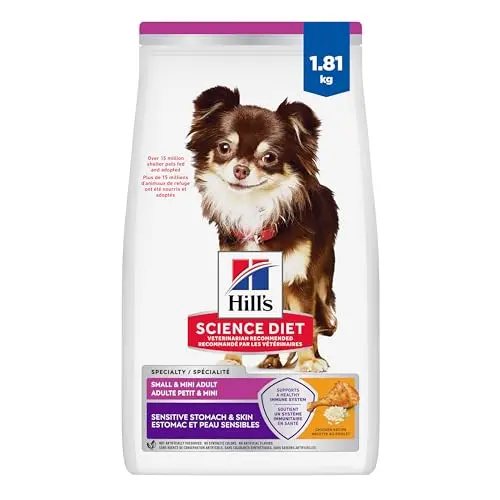
Small & Mini Chicken Recipe – Prebiotic Stomach Care
Tailored for small and mini breeds, this formula uses highly digestible chicken and prebiotic fibre to support gut health. It’s clinically proven to improve stool quality in as little as seven days, making it a targeted solution for petite dogs with sensitive stomachs.
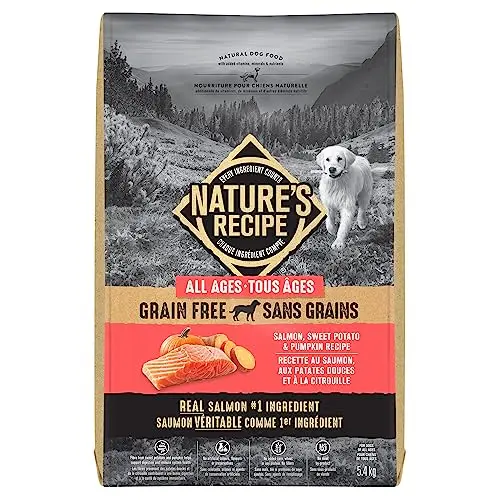
Salmon, Sweet Potato & Pumpkin Recipe – Budget-Friendly Digestion
A grain-free option that won’t break the bank, this recipe uses salmon, sweet potato, and pumpkin to support digestion. It’s free from artificial additives, making it a clean, affordable choice for dogs with occasional stomach sensitivity.

Wild Caught Salmon, Egg & Pumpkin – Natural Digestive Support
Beyond’s superfood blend focuses on natural ingredients with salmon, egg, and pumpkin. It avoids corn, wheat, and soy, and contains no poultry by-product meal, appealing to owners who prioritize recognizable, high-quality ingredients for digestive comfort.
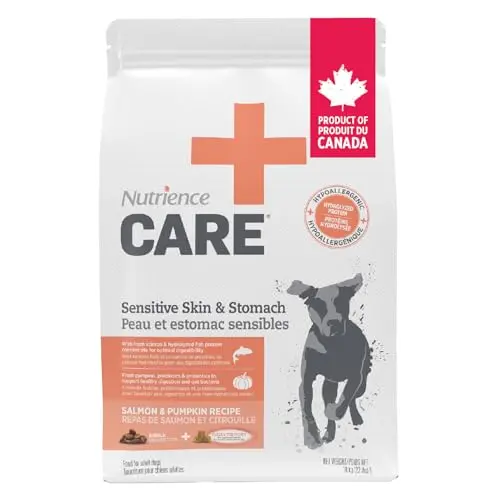
Care Sensitive Skin & Stomach Salmon – Targeted Gut Health
Nutrience Care is built around functional ingredients: fresh Canadian salmon, pumpkin, probiotics, and Digestiboost-a blend of chicory root, turmeric, and ginger. It’s designed as a therapeutic-level option for dogs with persistent stomach or skin issues.
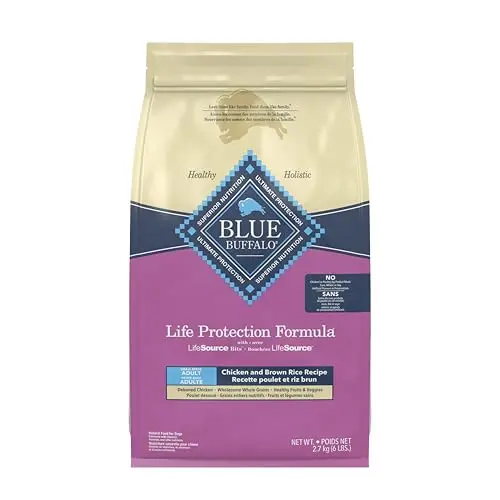
Life Protection Chicken & Brown Rice – Small Breed Stomach Support
Blue Buffalo’s small breed formula includes LifeSource Bits for immune support and prebiotic fibre for digestion. It’s a well-rounded option for tiny dogs, though it’s not exclusively stomach-focused.
How We Evaluated These Dog Foods for Upset Stomach
We did not conduct controlled feeding trials or veterinary-supervised stomach sensitivity tests. What we did: cross-referenced 7 models from 6 distinct brands across 6 decision axes-protein digestibility, prebiotic and probiotic content, fibre source and type, formula format (wet vs dry), targeted stomach-support claims, and owner-reported digestive outcomes. We triangulated published ingredient lists, nutritional adequacy statements, and aggregated owner feedback where available to assess real-world effectiveness.
The scoring framework weighted real-world stomach-soothing performance (60%)-how quickly and reliably each formula improved digestion based on reported outcomes-against formula differentiation (40%)-unique stomach-specific ingredients, novel protein sources, and targeted gut-health blends. We have no commercial relationship with any brand featured; recommendations track fit and digestive performance, not manufacturer preference. If your dog needs an all-purpose sensitive-stomach dry food, the Purina Pro Plan Salmon & Rice is the pick; if a wet food suits better, the Hill’s Science Diet Wet Variety Pack delivers gentle, moisture-rich nutrition.
How to Choose the Right Dog Food for Upset Stomach
Key Ingredients That Soothe an Upset Stomach
When your dog’s stomach is off, the ingredient panel matters more than the brand name. Look for highly digestible proteins like salmon, lamb, or chicken as the first ingredient-these break down easily without taxing the gut. Prebiotic fibres (such as beet pulp, chicory root, or inulin) feed beneficial bacteria, while probiotics add live cultures directly. Pumpkin is a standout for its soluble fibre that regulates stool consistency, and oat meal provides gentle, low-glycemic carbohydrates. Avoid generic fillers like corn or soy, which some dogs struggle to digest, and steer clear of artificial colours, flavours, or preservatives that may irritate a sensitive system.
Wet vs Dry: Which Is Easier on the Stomach?
Both formats can work, but they offer different advantages. Wet food has higher moisture content, which can soothe the digestive tract and aid hydration-especially helpful if your dog has been vomiting or has diarrhoea. It’s also softer, reducing the mechanical work of chewing and digestion. On the flip side, dry kibble tends to be more calorie-dense and convenient to store, and some formulas use kibble texture to aid dental health. For acute upset, many vets recommend a bland wet food transition; for ongoing maintenance, a high-quality dry food like the Purina Pro Plan Salmon & Rice works well. If your dog is picky or needs extra moisture, a wet option such as the Hill’s Science Diet Variety Pack can be a game-changer.
Protein Sources: Novel vs Common Proteins for Sensitive Dogs
Dogs with sensitive stomachs sometimes react to proteins they’ve been fed long-term. Novel proteins like salmon, duck, or venison are less likely to trigger an immune response in dogs who have been eating chicken or beef their whole lives. This is why many sensitive-stomach formulas use salmon-it provides high-quality protein without the antigenic load of more common meats. If your dog has recurring stomach issues despite eating a well-rated chicken formula, try switching to a salmon-based food like the Purina Pro Plan Salmon & Rice or the Nature’s Recipe Salmon & Pumpkin. Always transition slowly to allow the gut to adjust.
The Role of Prebiotics, Probiotics, and Pumpkin
A healthy gut microbiome is key to preventing upset stomachs. Prebiotics (like chicory root or beet pulp) are non-digestible fibres that feed good bacteria, while probiotics are the live bacteria themselves. Some foods, like Nutrience Care, add both, along with pumpkin for its fibre-regulating properties. Pumpkin is particularly useful: it contains soluble fibre that can firm up loose stools or help with mild constipation, making it a versatile tool. If the food doesn’t list specific probiotic strains, you can always add a separate supplement, but built-in support is convenient.
Grain-Free vs Grain-Inclusive: What's Best for Tummy Troubles?
Grain-free diets have grown popular, but whole grains like brown rice and oatmeal are actually gentle on the stomach and provide steady energy. The issue is more about poor-quality grains like corn or wheat gluten than about grains per se. Some dogs thrive on grain-free limited-ingredient diets simply because they eliminate common irritants. If your dog has confirmed grain allergy, a grain-free option like Nature’s Recipe or Nutrience Care makes sense. But for most dogs with nonspecific stomach sensitivity, a high-quality grain-inclusive formula with oatmeal and prebiotics, like the Purina Pro Plan Salmon & Rice, is just as effective-and often more affordable per serving.
How to Transition to a New Food Without Upset Stomach
Even the best stomach-soothing food can cause trouble if switched too quickly. Blend the new food with the old gradually over 7-10 days, starting with 25% new and increasing the ratio every couple of days. Monitor your dog’s stool closely-if it becomes loose, slow the transition. Adding a tablespoon of plain pumpkin purée (not pie filling) can ease the shift. Be patient; some dogs take two weeks to fully adjust, especially when moving from a low-quality brand to a nutrient-dense one. Once fully transitioned, you should see firmer stools and a happier tummy within a week on a well-matched formula.
Frequently Asked Questions
What's the difference between Purina Pro Plan Sensitive Stomach and Hill's Science Diet Sensitive Stomach?
Both are vet-recommended lines, but the key differences lie in protein and format. Purina Pro Plan uses salmon or lamb with oat meal, emphasizing prebiotic fibre and omega fatty acids, and comes in large bags suitable for any breed size. Hill’s Science Diet offers both dry and wet options, with a chicken-based dry formula tailored for small and mini breeds and a wet variety pack for dogs needing extra moisture. Hill’s formula includes clinically proven antioxidants for immune support alongside digestive health. For large dogs, Pro Plan is often more practical; for small dogs or those who prefer wet food, Hill’s has an edge. Both deliver real results, but Pro Plan’s salmon recipe edges ahead for overall stomach-soothing power and cost per serving.
Is Nutrience Care better than Nature's Recipe for stomach issues?
Nutrience Care is more therapeutically targeted, with its Digestiboost herbal blend, probiotics, and multiple fibre sources like pumpkin and chicory root. It’s designed for dogs with chronic or severe sensitivities. Nature’s Recipe, on the other hand, is a simpler grain-free formula with salmon and pumpkin-effective for mild to moderate issues but without the added probiotic support. If your dog has ongoing diarrhoea, skin problems linked to digestion, or frequent flare-ups, Nutrience Care’s extra investment makes sense. For occasional tummy troubles on a budget, Nature’s Recipe is a solid, no-frills option.
Can wet food help more with an upset stomach than dry food?
Yes, wet food can be easier on an upset stomach for several reasons. Its high moisture content hydrates the digestive tract and softens stool, which is especially helpful if your dog has been vomiting or has diarrhoea. The soft texture also requires less chewing and gastric acid to break down, placing less strain on the gut. For acute episodes, vets often recommend a bland wet diet. However, for long-term maintenance, a high-quality dry food with added prebiotics and proper fibre can work just as well. Many owners mix wet and dry to get the best of both: the digestive ease of wet with the dental and cost benefits of dry.
How quickly can a sensitive-stomach dog food improve my dog's digestion?
Most dogs show improvement within 5-10 days of being on a fully transitioned sensitive-stomach formula. Some owners report firmer stools in as little as three days. However, the transition period itself can cause temporary loose stools as the gut microbiome adapts. Be patient and stick to a gradual switch. If you don’t see improvement after two weeks, the protein source or specific fibre blend may not be the right fit-consult your vet about trying a novel protein or an elimination diet.
Final Verdict
For most dogs with recurrent stomach upset, the Purina Pro Plan Sensitive Skin & Stomach Salmon & Rice is the clear winner-it combines a novel protein, soothing oat meal, and prebiotic fibre in a formula that resonates across breeds. If your dog prefers wet food or needs extra hydration, the Hill’s Science Diet Wet Variety Pack is a superb, gentle alternative. For those on a budget, the Nature’s Recipe Salmon & Pumpkin delivers digestive support without breaking the bank. And if your dog faces chronic, severe issues, Nutrience Care targets gut health from multiple angles. No matter which you choose, give your dog time to adjust-the right food can turn mealtime misery into a happy, healthy routine.