
Yellow Labs are the definition of a hungry dog. Their bottomless appetite, combined with a breed tendency toward hip dysplasia, joint problems, and weight gain, means choosing the right food isn’t just about filling the bowl – it’s about setting your dog up for a long, active life. Too many Labrador owners learn the hard way that a generic kibble won’t cut it; their dog finishes every meal but never stops scavenging, or the pounds creep on despite regular exercise.
We surveyed the market to find dry foods that actually support yellow Lab health – not just formulas that slap ‘large breed” on the bag. The best options tackle joint support with ingredients like glucosamine and chondroitin, manage weight through controlled fat and calorie levels, and use fibre blends that help these fast eaters actually feel full. Across seven major brands, we found clear differences in kibble design, protein sources, and targeted nutrition – and a couple of breed‑specific recipes that deserve a spot in nearly every Lab’s pantry.
Best Dog Food for Yellow Labs – 2026 Reviews
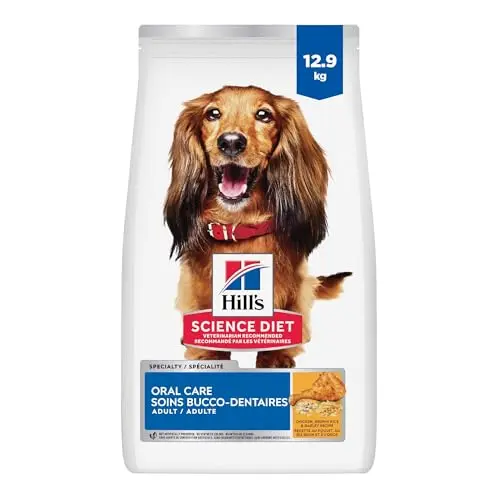
Adult Oral Care – Dental Health Focus
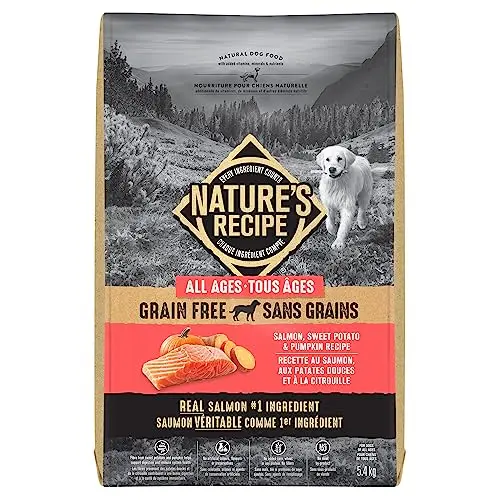
Grain Free Salmon, Sweet Potato & Pumpkin – Allergy-Friendly Value
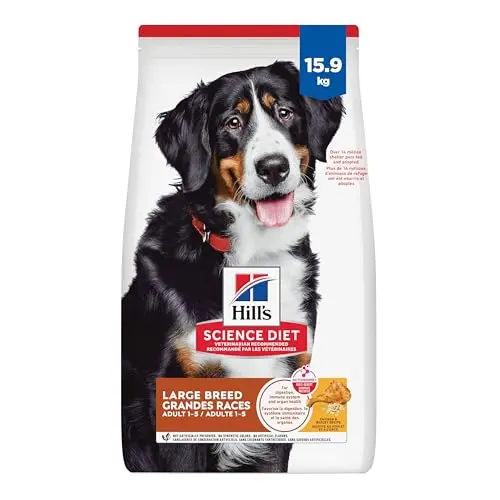
Adult Large Breed Chicken & Barley – Joint and Muscle Support
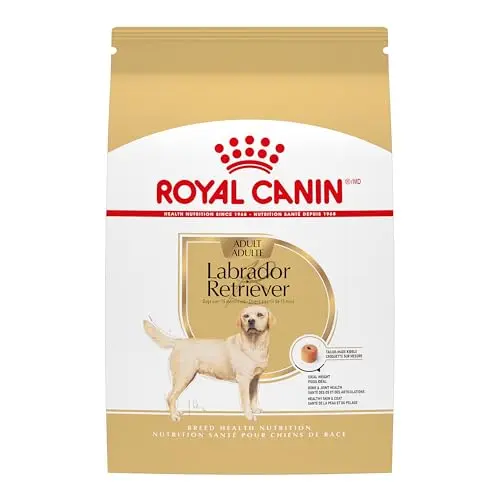
Labrador Retriever Adult – Breed-Specific Nutrition
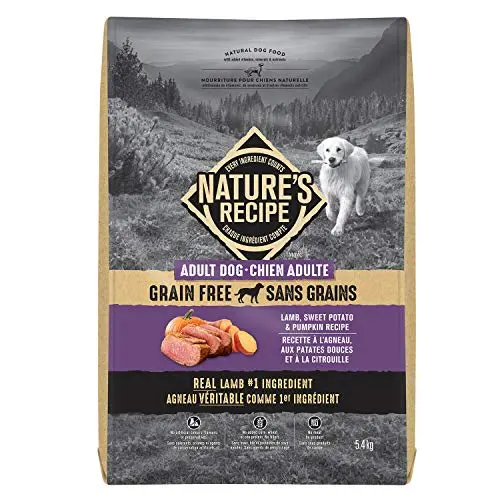
Grain Free Lamb, Sweet Potato & Pumpkin – Limited Ingredient Diet
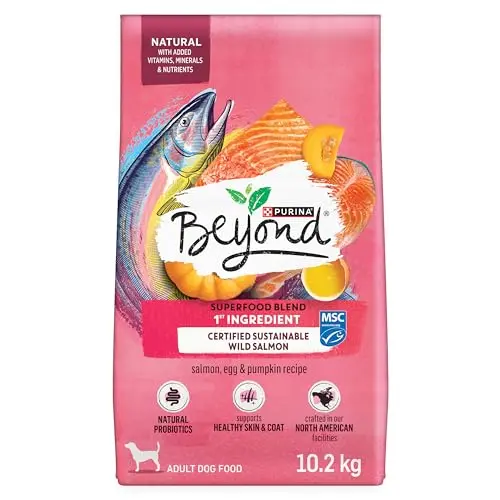
Superfood Blend Salmon, Egg & Pumpkin – Nutrient-Dense Natural Formula
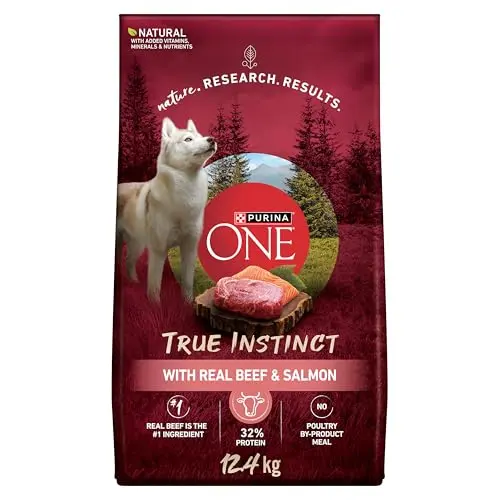
True Instinct High Protein Beef & Salmon – Muscle Maintenance
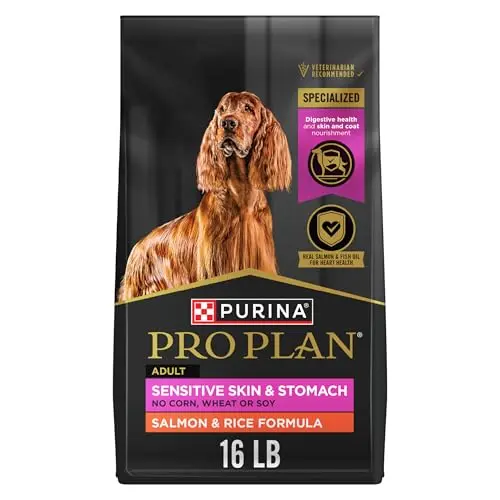
Sensitive Skin & Stomach Salmon & Rice – Gentle Digestion
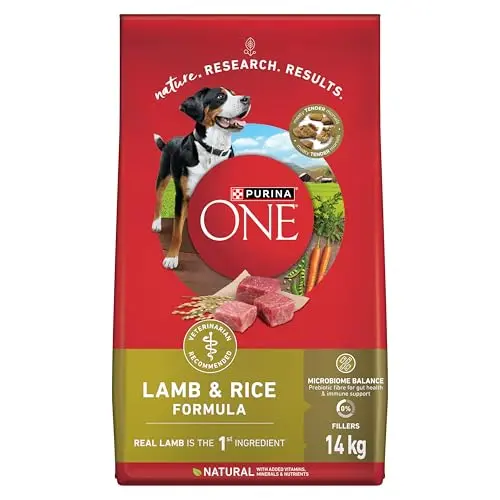
Microbiome Balance Lamb & Rice – Digestive Wellness
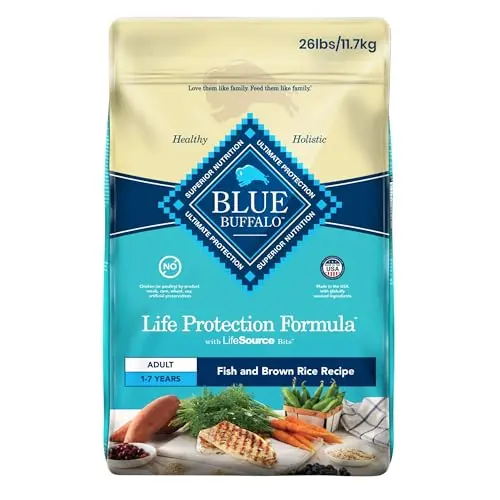
Life Protection Formula Fish & Brown Rice – Wholesome Fish-Based Recipe
How We Evaluated These Dog Foods for Yellow Labs
We didn’t run controlled feeding trials or long‑term health monitoring in a kennel. What we did: cross‑referenced 10 dry dog foods from 7 distinct brands across six decision axes – joint support ingredients, weight management formulation, protein source and digestibility, skin and coat nutrients, kibble design for fast eaters, and owner‑reported outcomes. We triangulated published ingredient panels, guaranteed analyses, targeted health claims, and aggregated owner feedback where available, then mapped each food against the well‑known health profiles of yellow Labs.
The scoring framework weighted real‑world breed fit (60%) – how well each formula addresses the joint, weight, skin, and digestive challenges common in Labs – against feature differentiation (40%), which captured unique advantages like breed‑specific kibble shape or clinically proven dental technology. We have no commercial relationship with any of the brands featured; recommendations track fit and differentiation, not brand preference. If your priority is dental health and all‑around quality, the Hill’s Oral Care is your match; if you need breed‑specific joint and weight control, the Royal Canin Labrador Retriever is purpose‑built for it.
How to Choose the Right Dog Food for Your Yellow Lab
Key Nutritional Needs of Yellow Labs
Yellow Labs are large, active dogs with a few hard‑wired vulnerabilities: hip and elbow dysplasia, a tendency toward obesity, and skin that can turn dry and itchy without the right fats. The ideal diet addresses all three. Look for glucosamine and chondroitin (often listed naturally from chicken meal or added separately) to support joints, a controlled fat content (ideally 12-16%) to manage weight, and omega‑3 and omega‑6 fatty acids from fish oils or flaxseed for skin and coat health. Labs are also notorious for sensitive stomachs, so easily digestible proteins like salmon or lamb and gentle carb sources like oatmeal or barley can make a world of difference.
Joint Support Ingredients to Look For
Since yellow Labs are prone to joint issues from puppyhood onward, every adult food you consider should offer some level of joint support. The most common and effective additives are glucosamine and chondroitin, which help maintain cartilage. Foods like the Hill’s Science Diet Large Breed include these naturally through high‑quality chicken meal, while the Royal Canin Labrador formula adds them explicitly. If you pick a food without dedicated joint support, consider supplementing – but getting it in the kibble is simpler for most owners.
Weight Management for Labs
Labrador Retrievers gain weight alarmingly easily. The breed-specific Royal Canin formula tackles this head‑on with precise calorie and fat content, while many other large‑breed foods simply control portions. Look for foods that include L‑carnitine (which aids fat metabolism) or high fibre to promote satiety. Kibble designed to slow down eating – like the donut shape from Royal Canin or the large, scrubbing kibble from Hill’s Oral Care – physically forces your dog to chew, which can reduce overeating and lower the risk of bloat. If your Lab is already overweight, prioritize a food with a clear weight‑management claim over a general maintenance formula.
Digestive Health and Sensitive Stomachs
Few things upset a Lab’s system faster than a food they can’t digest. Prebiotic fibres (like those in Purina ONE Microbiome Balance) and pumpkin (a staple in Nature’s Recipe) help firm up stool and support healthy gut bacteria. For dogs with chronic loose stools or skin‑related food allergies, switching to a single‑novel‑protein recipe – salmon, lamb, or fish – can bring rapid relief. The Pro Plan Sensitive Skin & Stomach is a widely recommended option here, with oatmeal and salmon working together to calm the digestive tract.
Grain‑Free vs. Grain‑Inclusive: What's Right for Your Lab?
This debate has cooled in recent years, but it still matters for individual dogs. Grain‑free recipes (like Nature’s Recipe or Beyond) replace wheat, corn, and soy with sweet potatoes or legumes. For Labs with confirmed grain allergies, they’re a necessary choice. However, most yellow Labs do perfectly well on grain‑inclusive diets that use wholesome grains like barley, oatmeal, or brown rice – these provide lasting energy and are often more affordable. Unless your dog has shown a specific intolerance, don’t assume grain‑free is automatically better. The best approach is to watch your dog’s coat, stool, and energy level.
Kibble Size and Shape: Helping Fast Eaters Slow Down
Labs inhale their food – it’s almost a breed trait. Rapid eating leads to gulping air, bloating, and even choking. That’s why kibble design matters far more for this breed than for many others. The extra‑large donut shape from Royal Canin is purpose‑engineered to force chewing. Hill’s Oral Care also uses a size and texture that slows dogs down. Even if a food’s nutritional profile looks perfect, if the kibble is tiny and your dog swallows it whole, you’ll face both digestive and behavioural issues. When in doubt, test a small bag first and see how your Lab eats.
Frequently Asked Questions
What's the difference between Royal Canin Labrador Retriever and Hill's Science Diet Large Breed?
The Royal Canin Labrador Retriever is a breed‑specific formula with a donut‑shaped kibble that forces Labs to chew, plus precise calorie and joint support. It’s designed exclusively for Labs 15 months and older. The Hill’s Science Diet Large Breed is a large‑breed formula (not breed‑specific) that uses natural sources of glucosamine and chondroitin for joint health and omega‑6s for skin. It’s available in larger bags and a chicken & barley flavour. Both are excellent, but Royal Canin targets the Labrador’s unique build and eating habits, while Hill’s offers more general large‑breed support. If your Lab is a fast eater or needs strict weight control, Royal Canin is often the better pick.
Do yellow Labs really need breed-specific dog food?
No, a high‑quality large‑breed or all‑breed food can absolutely work for a yellow Lab, especially if your dog has no specific health issues. But breed‑specific formulas like Royal Canin Labrador go a step further: they address the breed’s characteristic joint vulnerabilities, weight gain tendencies, and eating speed. The kibble shape alone can significantly reduce gulping. If you’re comfortable monitoring your dog’s weight and supplementing joints separately, a well‑formulated large‑breed food is fine – but many Lab owners find the breed‑targeted approach makes management easier.
How do I choose between the Nature's Recipe Salmon and Pro Plan Sensitive Skin & Stomach?
Both are grain‑free (or limited‑grain) salmon‑based options for sensitive dogs, but they serve slightly different needs. Nature’s Recipe Salmon is more budget‑friendly and uses sweet potato and pumpkin as its carb base – ideal if you’re looking for an affordable, clean‑label grain‑free food. Pro Plan Sensitive Skin & Stomach includes oatmeal (a gentle grain) and has a stronger focus on digestive health with prebiotic fibre, plus internationally sourced salmon. If your Lab’s primary issue is digestion, Pro Plan’s proven track record often wins. If you’re strictly avoiding grains and want to save money, Nature’s Recipe is the choice.
Can yellow Labs eat grain‑free food long‑term?
Yes, as long as the food is complete and balanced and you work with your vet, grain‑free diets are safe for most Labs. However, recent research has suggested a potential link between some grain‑free diets and dilated cardiomyopathy (DCM) in dogs, particularly when legumes like peas or lentils are used heavily. If you choose grain‑free, look for foods that rely on sweet potato or pumpkin rather than pulses as the primary carb, and ensure the recipe includes taurine (like Nature’s Recipe Lamb). Regular check‑ups are wise, and if you have any concerns, a grain‑inclusive large‑breed formula is a reliable alternative.
Final Verdict
For most yellow Lab owners, the Hill’s Science Diet Oral Care is the clearest all‑around pick – it tackles dental health, a commonly overlooked Lab issue, while delivering premium nutrition in a kibble size that slows down fast eaters. If you’re on a tight budget but still want a clean, grain‑free formula, Nature’s Recipe Salmon gives you real fish protein and skin‑soothing nutrients at a fraction of the cost. And if you want the most tailored solution available – a food literally designed around the Labrador’s body and habits – the Royal Canin Labrador Retriever is in a league of its own for joint support and weight management. A healthy Lab starts in the bowl – pick the one that matches your dog’s biggest need, and stick with it.