
Bringing home a fluffy Yorkie Poo puppy is pure joy-right up until you’re standing in the pet food aisle, staring at a wall of bags. Tiny breed puppies like Yorkie Poos have outsized nutritional needs: their fast metabolisms, delicate digestive systems, and miniature jaws demand a food that’s as specialised as they are cute. The wrong kibble can lead to tummy upsets, picky eating, or poor growth, so picking the right one from the start matters more than for many larger breeds.
We compared leading puppy foods across the market, zeroing in on formulas that deliver breed-appropriate kibble size, gentle digestion support, and the DHA plus protein little bodies need to build brains and muscles. Whether your Yorkie Poo turns up their nose at big chunks or needs a recipe that won’t upset their tummy, this guide sorts the claims from the kibble.
Best Dog Food for Yorkie Poo Puppies – 2026 Reviews
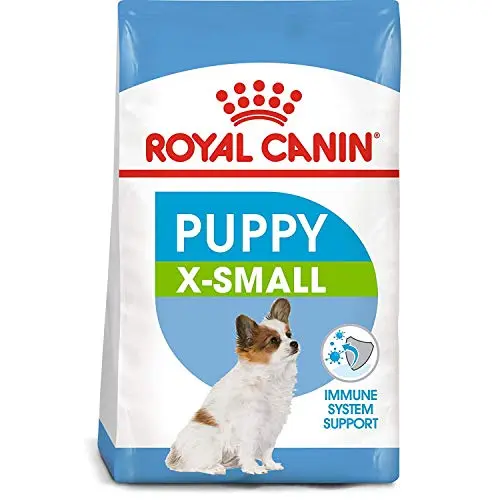
X-Small Puppy Food – Tailored for Toy Breed Puppies
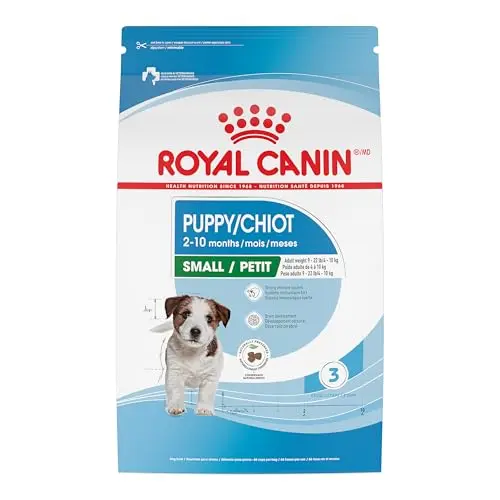
Small Puppy Food – Ideal for Small Breed Growth
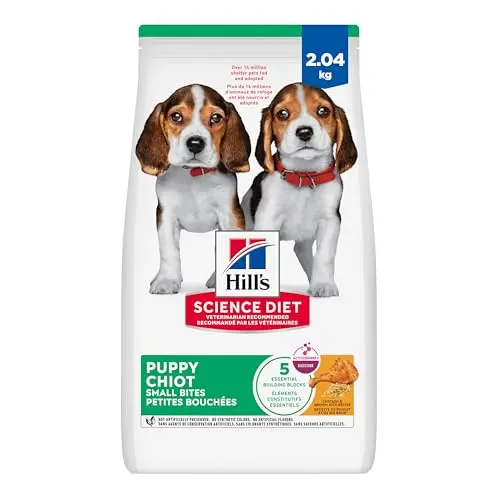
Small Bites Chicken & Brown Rice – Easy Chewing for Tiny Mouths
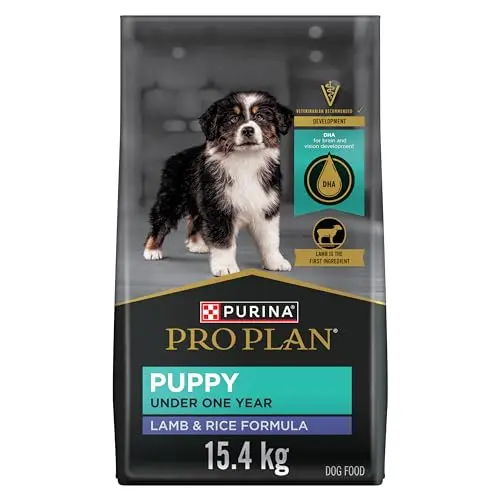
Lamb & Rice Formula – High-Protein Growth Support
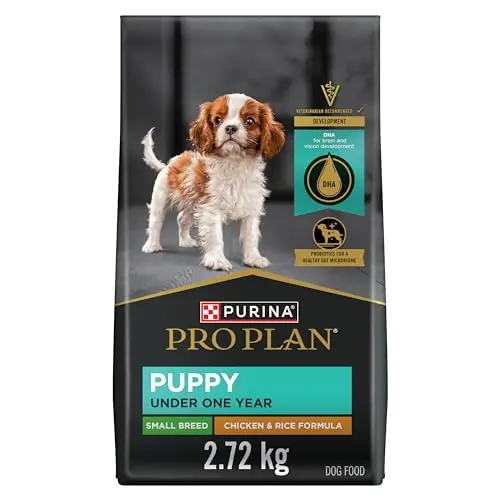
Small Breed Chicken & Rice – Energy for Active Pups
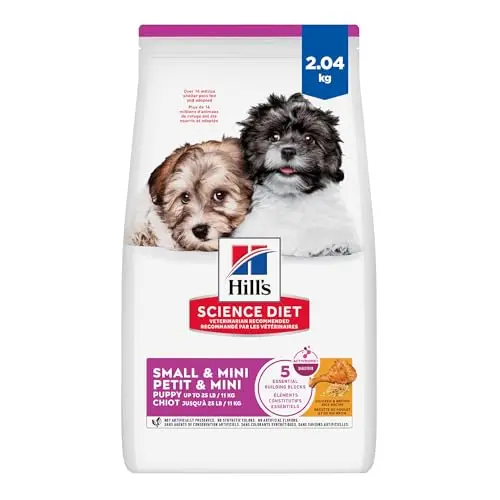
Small & Mini Chicken & Brown Rice – Balanced Nutrition for Mini Breeds
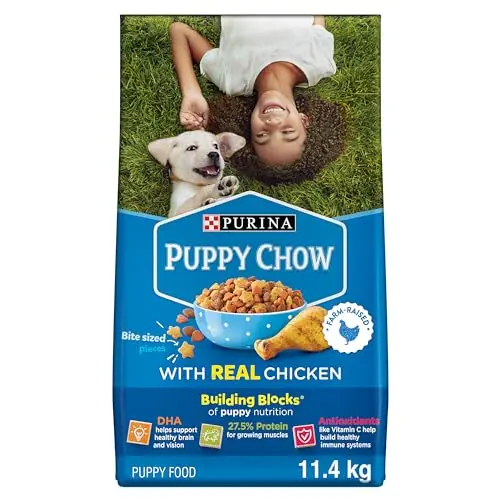
Puppy Chow Chicken – Affordable Everyday Nutrition
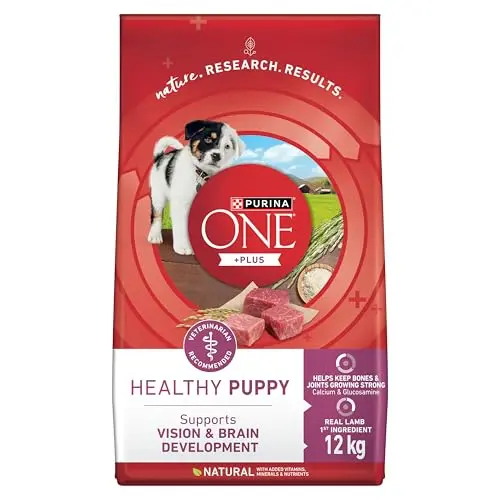
Healthy Puppy Lamb – Wholesome Meal with Real Lamb
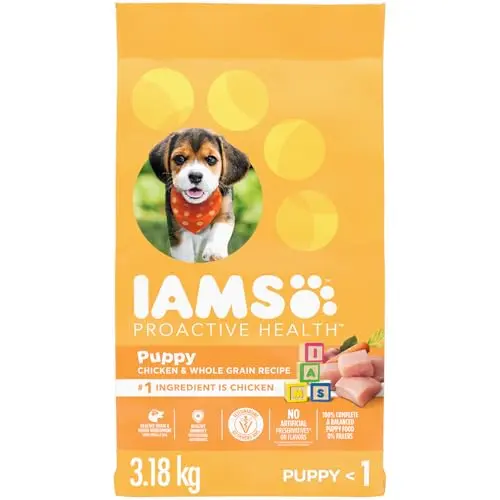
Proactive Health Puppy – DHA-Rich Brain Support
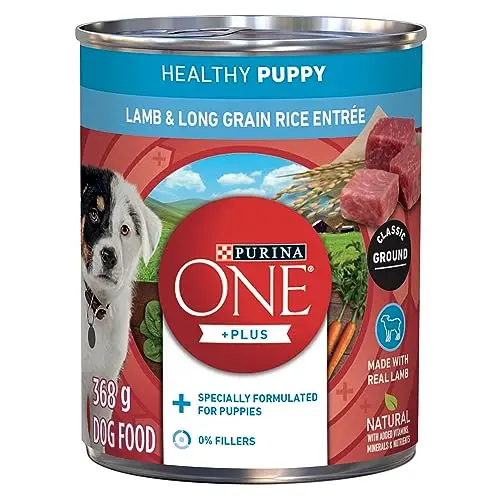
Classic Ground Lamb & Rice – Savoury Wet Meal
How We Evaluated These Dog Foods for Yorkie Poo Puppies
We didn’t run laboratory digestibility trials or multi-month feeding studies. What we did: cross-referenced 10 puppy food models from 5 distinct brands across 6 decision axes – kibble size suitability for miniature jaws, breed-specific formulation, DHA and protein quality, digestive support ingredients, ingredient transparency, and owner-reported palatability. We triangulated published nutritional specifications, aggregated owner feedback where available, and use-case fit against the unique needs of a toy breed puppy like the Yorkie Poo.
The scoring framework weighted real-world fit for tiny breeds (60%) – does the kibble size actually work, and does the recipe support delicate digestion? – against feature differentiation (40%) – prebiotic blends, live probiotics, tailored breed formulas, and ingredient quality. We have no commercial relationship with any of the brands featured; recommendations track fit and differentiation, not brand preference. If your Yorkie Poo is predicted to stay under 8 lbs, the Royal Canin X-Small is your match; if you’re feeding on a budget, Puppy Chow gets you core nutrition without the premium price tag.
How to Choose the Right Dog Food for Your Yorkie Poo Puppy
Why Kibble Size Matters More for Yorkie Poos
Yorkie Poo puppies inherit their Yorkie parent’s teeny mouth, so kibble size is often the make-or-break factor at mealtime. Pellets that are too large simply bounce out of the bowl, and even a hungry pup may give up after a few failed attempts. Look for foods specifically labelled ‘small bites,’ ‘mini,’ or ‘x-small breed’ – these typically have pieces under 8mm. If you’re unsure, you can test by pressing a kibble between your fingers; it should crumble with light pressure and not resemble a rock. Wet food or moistened kibble can also bridge the gap for very young puppies still learning to chew.
Breed-Specific Formulas vs. All-Breed Foods
Many brands now offer toy or small breed puppy recipes that adjust not just the kibble size but the nutrient density. Because Yorkie Poos burn calories faster per pound than larger breeds, they often need higher fat and protein levels per serving. A breed-specific formula takes the guesswork out of portioning and usually includes added DHA for cognitive development and prebiotics for sensitive digestive tracts. An all-breed puppy food can still work, but you’ll need to pay closer attention to feeding guidelines and may need to crush or soak larger kibble for the first few weeks.
Digestive Support: Prebiotics, Probiotics, and Gentle Proteins
Small breed puppies are notorious for loose stools and tummy upsets, especially during transitions. Foods that include fructooligosaccharides (FOS), beet pulp, or guaranteed live probiotics can help stabilise the gut microbiome. Chicken and rice recipes are generally well-tolerated, but if your Yorkie Poo shows signs of food sensitivity (itchy skin, ear infections, chronic loose stool), a novel protein like lamb may be worth trying. Always transition over 7-10 days by mixing increasing portions of new food with old.
DHA and Brain Development: Why It's Non-Negotiable
Just like human babies, puppies need DHA (docosahexaenoic acid) for brain and eye development. It’s naturally present in mother’s milk, and top-quality puppy foods fortify with fish oil or marine microalgae oil. For a breed mix like the Yorkie Poo-already predisposed to be bright and alert-adequate DHA supports trainability and visual acuity. Most premium small-breed formulas list DHA prominently; if it’s not on the label, the food likely relies on base ingredients that may not provide reliable levels.
Wet, Dry, or Both?
Dry kibble has the advantage of dental abrasion, which can help keep tartar at bay in a tiny mouth prone to dental issues. But Yorkie Poos can be picky, and mixing in a spoonful of wet food often entices them to finish their bowl. A full wet diet is feasible but more expensive and requires careful attention to caloric density-it’s easy to over- or under-feed. Many toy breed owners find a hybrid approach works best: a high-quality dry kibble base with a wet topper for appetite and hydration.
Royal Canin X-Small vs. Purina Pro Plan Small Breed: Which Suits Your Pup?
These two are frequently cross-shopped, and the decision often comes down to size precision. Royal Canin’s X-Small is meticulously formulated for dogs under 8 lbs, with an ultra-fine kibble that’s almost dust-like-perfect for a Yorkie Poo who will stay under 5 lbs. Purina Pro Plan Small Breed covers a wider weight span (up to 22 lbs) and uses live probiotics for digestive resilience, making it a strong choice if your pup is at the larger end or you value that added gut support. Both deliver DHA and high protein; one fits like a tailored suit, the other like a well-cut off-the-rack.
Frequently Asked Questions
What's the difference between Royal Canin X-Small Puppy and Hill's Science Diet Small Bites?
Both are excellent, but they take slightly different approaches. Royal Canin X-Small is ultra-targeted at toy breeds under 8 lbs, with a kibble that’s almost powder-fine and a formula built around extremely high digestibility for the tiniest guts. Hill’s Small Bites uses a prebiotic fibre blend to promote stool quality and includes a broader antioxidant package. The kibble is still small, but notably larger than Royal Canin’s. If your Yorkie Poo is truly teacup-sized (under 5 lbs), Royal Canin’s kibble is easier. If you value a slightly more natural ingredient panel and robust immune support, Hill’s is a fantastic alternative.
Can I feed my Yorkie Poo an all-breed puppy food?
Yes, but you’ll need to manage the kibble size – you may have to crush it or soak it in warm water for the first few months. All-breed foods are formulated to meet the nutritional needs of most puppies, but they don’t account for the higher metabolic rate of small breeds. You might find that your Yorkie Poo needs slightly more food per pound than the bag suggests to maintain weight. For convenience and precision, a breed-specific formula is worth the slight premium.
My Yorkie Poo puppy has loose stools, what ingredient should I look for?
Persistent loose stools can stem from food sensitivity, too-rich a recipe, or a disrupted microbiome. Look for foods with prebiotic fibres like fructooligosaccharides (FOS) or live probiotics, which help balance gut bacteria. Easily digestible carbohydrates such as rice and oatmeal are gentler than corn or wheat. If the issue persists, a novel protein like lamb might help; many puppies do well on lamb and rice formulas because they’re less likely to trigger an immune response. Always rule out parasites and overfeeding with your vet first.
How often should I feed a Yorkie Poo puppy?
Tiny breed puppies are prone to hypoglycemia (low blood sugar) if they go too long without eating. Under 12 weeks, aim for 3 to 4 small meals a day. From 3 to 6 months, you can drop to 3 meals, and by adulthood, most do fine on 2 meals. Always have fresh water available. Free-feeding (leaving food out all day) can work for very active pups but may lead to pickiness or weight gain in a breed that tends to be food-motivated.
Is grain-free puppy food better for Yorkie Poos?
Not necessarily, and the FDA’s investigation into a potential link between grain-free diets and dilated cardiomyopathy (DCM) gives many veterinarians pause. Unless your puppy has a confirmed grain allergy (which is rare), a whole grain-inclusive puppy food is typically safe and provides valuable energy. The key is to avoid excessive fillers like corn gluten meal as primary ingredients, not grains themselves. Many of the top-rated small-breed formulas include wholesome grains like brown rice or oatmeal.
Final Verdict
For the vast majority of Yorkie Poo puppies, the Royal Canin X-Small Puppy Food is the clear answer-its tiny kibble, targeted nutrition, and rock-solid digestibility cover all the bases for a toy breed under 8 lbs. If your pup is on the larger side or you’d prefer a formula with live probiotics, the Royal Canin Small Puppy is a flawless step up in size range. Budget-conscious owners will find Puppy Chow ticks the essential nutrition boxes without breaking the bank, and for puppies who turn up their noses at dry food, the Purina ONE wet lamb recipe is a savoury saviour. Whichever you choose, you’re setting your Yorkie Poo up for a healthy, happy start.