
Yorkie terriers may be tiny, but their nutritional needs are anything but simple. These little dogs have fast metabolisms, finicky appetites, and jaw structure that demands a specific kibble size. Pair that with a breed predisposition to dental issues and digestive sensitivities, and it’s clear that a one-size-fits-all bag of kibble won’t cut it.
We compared the most relevant dry and wet options on the market – zeroing in on kibble shape, ingredient quality, and targeted formulas that actually address what Yorkie owners worry about: picky eating, coat health, and long-term vitality. This guide isn’t about pushing one brand; it’s about matching the right food to your Yorkie’s specific stage and sensitivities.
Whether you’re switching from puppy food to adult formula, managing a sensitive stomach, or just trying to coax a reluctant eater to finish a bowl, you’ll find a clear recommendation below.
Best Dog Food for Yorkie Terriers – 2026 Reviews
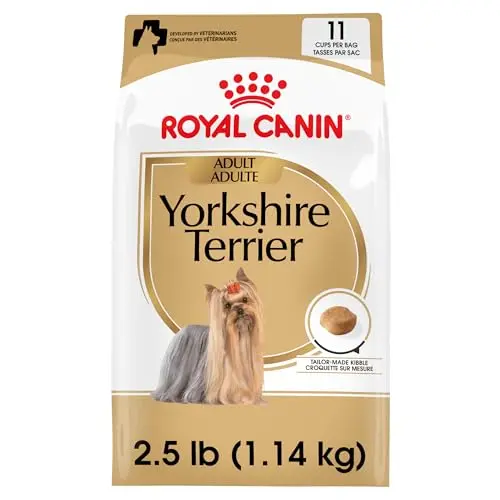
Yorkshire Terrier Adult – Breed-Specific Nutrition
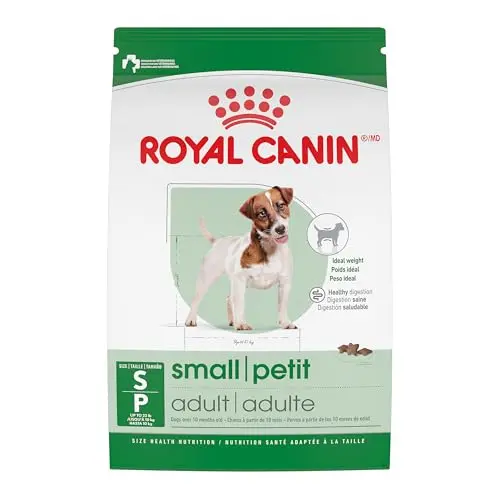
Small Breed Adult – Weight Management Support
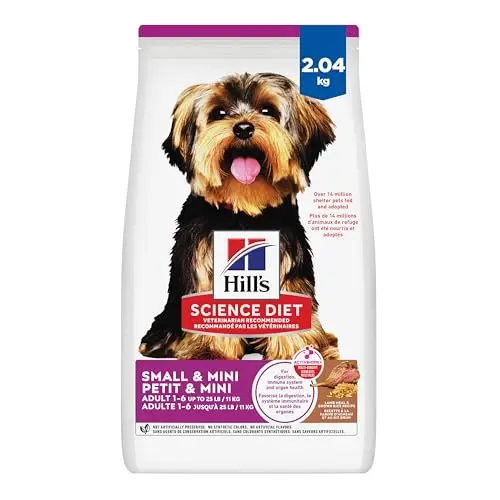
Small & Mini Lamb Meal & Brown Rice – Digestive Health
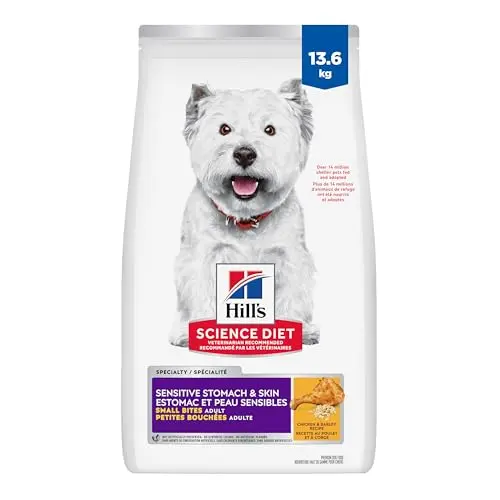
Sensitive Stomach & Skin Small Bites – Gentle Digestion
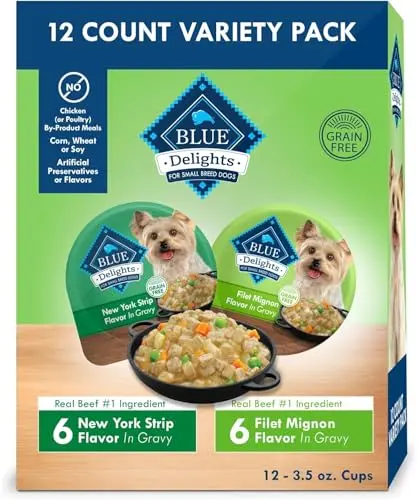
Delights Filet Mignon/NY Strip – Single-Serve Wet Food
How We Evaluated These Dog Foods for Yorkie Terriers
We didn’t run controlled feeding trials or lab analysis. What we did: cross‑referenced 5 dog food models from 3 distinct brands against 5 Yorkie‑critical decision axes – ingredient quality, kibble size and shape, breed‑specific targeting, coat and skin support, and digestive sensitivity handling. We triangulated published specifications, aggregated owner feedback where available, and use‑case fit for representative Yorkie profiles (from picky eaters to dogs with sensitive stomachs).
The scoring framework weighted real‑world performance (60%) – how well each food delivers on its stated nutritional goals and resolves common Yorkie complaints – against feature differentiation (40%) – unique formulation details, ingredient quality beyond the baseline, and targeted health benefits. We have no commercial relationship with any of the brands featured; recommendations track fit and differentiation, not brand preference. If your Yorkie needs the most precise, breed‑tailored kibble, the Royal Canin Yorkshire Terrier Adult is the standout; if value and a larger bag size matter more, the Royal Canin Small Breed Adult delivers nearly all the same benefits at a better per‑pound cost.
How to Choose the Right Dog Food for Yorkie Terriers
Why Yorkie Terriers Need Specialized Nutrition
Yorkies sit at the intersection of toy‑breed metabolism and terrier stubbornness. They burn calories fast but are prone to hypoglycaemia if they skip a meal, and their small jaw structure can make standard kibble a choking hazard. On top of that, the breed is predisposed to dental disease, skin allergies, and digestive sensitivities – often to common proteins like chicken. A food that works for a Labrador won’t necessarily work for a Yorkie; the best formulas address these quirks head‑on with extra‑small kibble, coat‑supporting fatty acids, and limited, digestible ingredient lists.
The Importance of Kibble Size and Shape
Toy breeds can’t simply ‘chew harder” – if a kibble is too large or disk‑shaped, a Yorkie may gulp air or even choke. Brands like Royal Canin engineer breed‑specific kibble shapes that are easier to pick up and crunch, which also helps scrape tartar off those notoriously crowded teeth. Hill’s Science Diet’s ‘small bites” line and Royal Canin’s small‑breed kibble both fall within the optimal 6-9 mm range that most toy breeds handle comfortably. If your dog still struggles, wet food mixed in can ensure they get enough calories without the mechanical challenge.
Key Ingredients to Look For (and Avoid)
Prioritize named animal proteins (lamb, beef, salmon) as the first ingredient, and look for omega‑3 and omega‑6 fatty acids – these directly influence the Yorkie’s long, silky coat. Prebiotic fibres like beet pulp or pumpkin can firm up stool and reduce gas. Avoid foods heavy in corn, wheat, and soy if your dog shows signs of intolerance – ear itching, paw licking, or loose stool are red flags. Poultry by‑product meals are less desirable than whole‑protein sources, and while grain‑free diets are popular, they aren’t necessary for every Yorkie; focus instead on digestibility and stool quality.
Dry vs. Wet Food: What Works Best for Yorkies?
Dry kibble has the advantage of dental abrasion – the mechanical action of crunching helps keep teeth cleaner. But many Yorkies become picky eaters and benefit from a wet topper that adds moisture and aroma. Single‑serve pâtés like Blue Buffalo Delights eliminate leftover storage and let you rotate flavours without waste. A combination of quality dry food as the base with a wet food accent often satisfies both nutritional and texture preferences.
Royal Canin vs. Hill's Science Diet for Yorkies
These two brands dominate vet recommendations, but they take different approaches. Royal Canin offers the only breed‑specific Yorkie formula with a unique kibble shape and early‑aging nutrients. Hill’s Science Diet instead focuses on digestive and skin health with prebiotic‑enhanced recipes and multiple protein options. If your Yorkie has coat issues and you want the most tailored experience, Royal Canin wins. If digestion is the pain point, Hill’s Sensitive Stomach formula is purpose‑built for that.
Frequently Asked Questions
What's the difference between Royal Canin Yorkshire Terrier and Royal Canin Small Breed?
The Yorkshire Terrier formula has a breed‑exclusive kibble shape designed specifically for the Yorkie’s small jaw and bite pattern, plus added biotin, borage oil, and early‑aging support (vitamin C, EPA, DHA) that target the breed’s predisposition to coat and vitality issues. The Small Breed formula uses a similarly small kibble but without the breed‑specific shape and with L‑carnitine for weight management taking its functional spotlight. Both are excellent; the breed version is more tailored, the small breed version is better value in larger bags.
Is Hill's Science Diet good for Yorkies with sensitive stomachs?
Yes, the Hill’s Science Diet Sensitive Stomach & Skin Small Bites is formulated with prebiotic fibre (beet pulp) and a highly digestible chicken recipe that avoids corn, wheat, and soy – common triggers for diarrhoea, gas, and skin flare‑ups in Yorkies. Its extra‑small kibble and added omega‑6s further support coat and gut comfort. Many owners report firmer stool and less itching within days of switching.
Can I feed my Yorkie wet food every day?
Absolutely. A high‑quality wet food like Blue Buffalo Delights provides hydration and palatability, which is especially helpful for picky Yorkies or seniors with dental issues. Just be mindful of calorie density – most 3.5 oz cups contain around 100-120 calories, enough for a meal or a heavy topper. Pairing wet food with dry kibble yields the best of both worlds: dental abrasion from the crunch, plus moisture and aroma from the pâté.
How much should I feed my Yorkie terrier?
Adult Yorkies typically need ¼ to ½ cup of dry food per day, split into two meals, though the exact amount depends on the food’s caloric density and your dog’s activity level and body condition. Check the bag’s feeding chart using your dog’s ideal weight (usually 4-7 lbs), not current weight if they’re overweight. With wet food or mix‑feeding, adjust the dry portion down to avoid overfeeding – a tablespoon of wet food replaces about 2-3 tablespoons of dry. Always keep fresh water available.
Final Verdict
For the vast majority of Yorkie households, the Royal Canin Yorkshire Terrier Adult is the answer – its breed‑specific kibble, coat‑supporting nutrients, and early‑aging protection are unmatched in this segment. If you’re feeding more than one small dog or simply want a larger bag, the Royal Canin Small Breed Adult delivers nearly identical quality with a better per‑pound price. And for the Yorkie whose stomach routinely rebels, the Hill’s Science Diet Sensitive Stomach & Skin Small Bites is the gentlest option we found – it earns the nod for dogs that need digestive first aid on a daily basis.