
Bringing home a new puppy is a whirlwind of excitement, but picking the right food can feel like walking a tightrope. Puppyhood is the most critical growth window, and the dizzying array of kibble bags-each promising optimal development-doesn’t make it any easier. I’ve been there, and after sorting through the options, it’s clear that not all puppy foods are created equal.
The difference between a good start and a shaky one often boils down to two axes: breed-appropriate sizing and targeted nutrition. Tiny breeds need tiny kibble and dense energy; large breeds require careful calcium‑phosphorus balance to protect growing joints. Layered on top of that are ingredient quality, digestive support, and those all-important brain-boosting DHA sources. This guide compares puppy foods across major brands-not to push one manufacturer, but to match the right formula to your pup’s unique needs.
Best Dog Food to Feed Puppies – 2026 Reviews
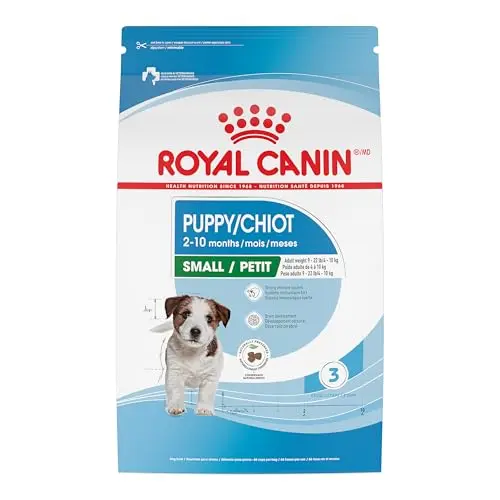
Small Puppy – Brain & Immune Support for Tiny Breeds
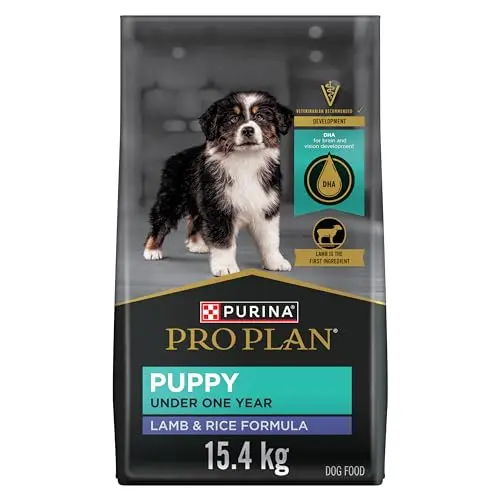
Development Lamb & Rice – Large Bag for Growing Puppies
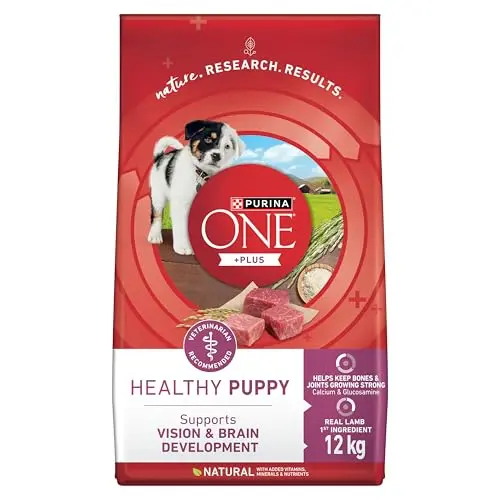
Healthy Puppy Lamb – Digestible Rice & Oatmeal Recipe
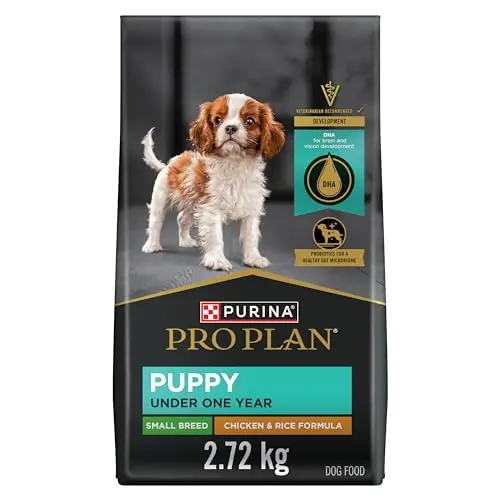
Small Breed Chicken & Rice – Probiotic Support for Little Dogs
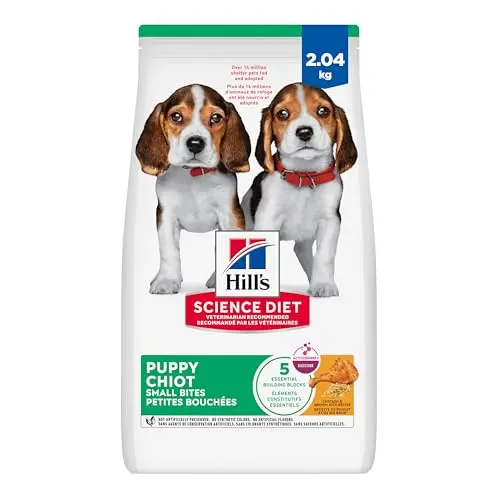
Small Bites Chicken & Brown Rice – Small Kibble for Tiny Jaws
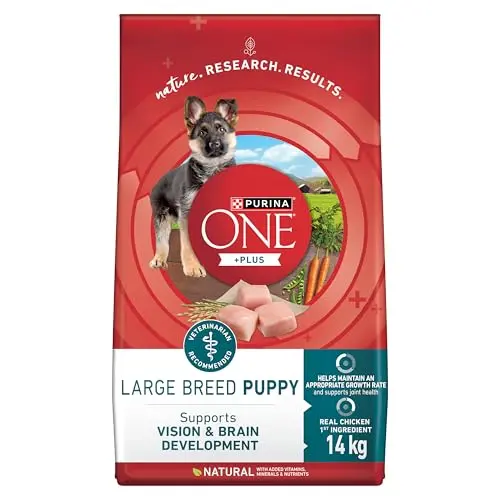
Large Breed Chicken – Glucosamine for Joint Health
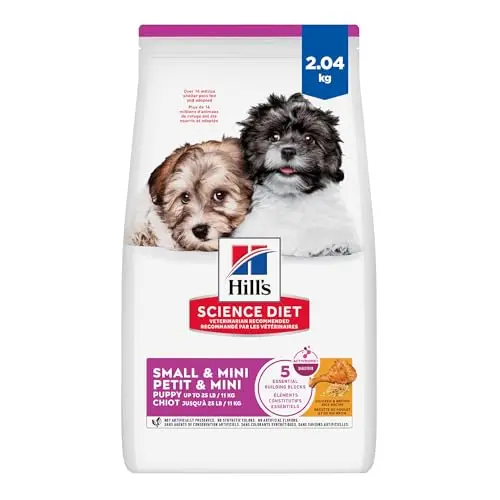
Small & Mini Chicken & Brown Rice – Balanced Nutrition for Petite Pups
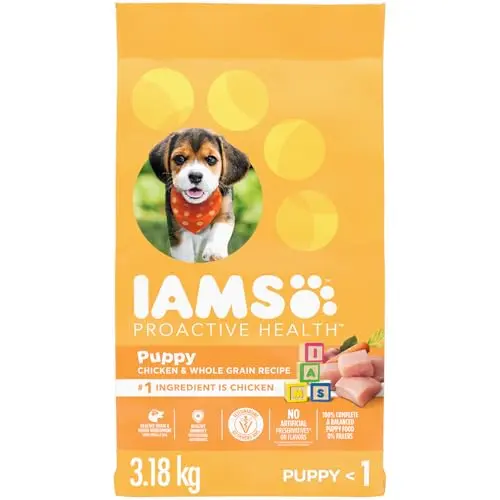
Chicken & Whole Grain – DHA & 22 Key Nutrients
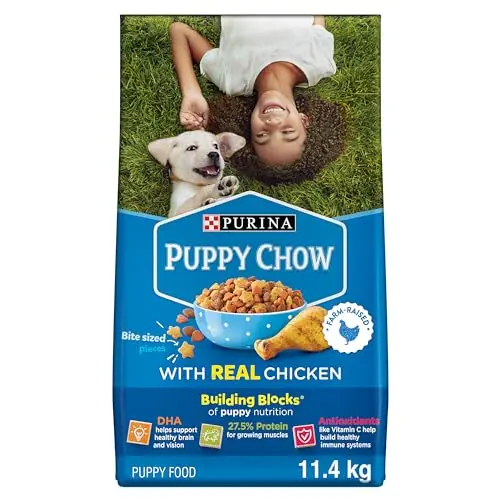
Complete Chicken – Antioxidant Support for Active Puppies
How We Evaluated These Dog Foods to Feed Puppies
We didn’t run long‑term controlled feeding trials in a lab. What we did: cross‑referenced 9 puppy food formulas from 7 distinct brands across 6 decision axes-kibble size and palatability, DHA and omega‑3 levels, protein source and quality, digestive health support (probiotics/prebiotics), breed‑specific tailoring, and ingredient transparency. We triangulated published nutritional profiles, aggregated owner feedback where available, and mapped each product against typical puppy‑parent profiles: first‑time owners, small‑breed homes, large‑breed guardians, and budget‑conscious shoppers.
The scoring framework weighted real‑world developmental fit (60%)-how well each food delivers on brain, gut, immune, and structural growth-against feature differentiation (40%)-unique advantages like live probiotics, glucosamine for joints, or micro‑algae DHA. We have no commercial relationship with any of the brands featured; recommendations track nutritional alignment and owner experience, not brand preference. If you’re raising a small‑breed puppy, the Royal Canin Small Puppy is the clear match; if you need a premium lamb formula in a bulk size, the Pro Plan Development Lamb & Rice steps up.
How to Choose the Right Dog Food to Feed Puppies
What to Look for in a Quality Puppy Food
Puppies aren’t just small dogs-they’re building bones, neurons, and immune memory at a staggering rate. Look for a food that names a specific animal protein (chicken, lamb, or fish) as the first ingredient, and includes DHA from fish oil or algae for brain and vision development. A prebiotic or probiotic component helps stabilize a young digestive system, and a clear AAFCO statement of nutritional adequacy for growth guarantees it meets minimum standards. Steer clear of generic meats, artificial colours, and vague by‑products when you can.
Breed Size Matters: Small vs. Large Breed Puppy Formulas
Small breed puppies burn energy like wildfire and need calorie‑dense, small‑kibble diets that fit their tiny jaws-think Royal Canin’s micro‑kibble. Large breed puppies, on the other hand, grow at a more controlled pace and require precise calcium‑phosphorus ratios to avoid joint malformations. Dedicated large‑breed foods like the Purina ONE Large Breed Chicken often include glucosamine for hip support. If your pup is expected to exceed 50 lbs adult weight, a large‑breed formula is non‑negotiable.
Key Nutrients: DHA, Protein, and Probiotics
DHA (docosahexaenoic acid) is the architectural scaffolding of the puppy brain-it comes from fish oil, algae, or mother’s milk and influences trainability and focus. Protein builds muscle, with real chicken or lamb offering superior amino acid profiles over plant proteins. And a healthy gut is everything: live probiotics (like those in Pro Plan) and prebiotic fibers (like in Hill’s) keep digestion on track and reduce the risk of diarrhea during stressful transitions.
Avoiding Fillers and Artificial Additives
Terms like ‘corn gluten meal’ or ‘animal digest’ aren’t inherently evil, but they signal a food built for cost rather than optimal development. No‑filler formulas like the IAMS Proactive Health promise zero artificial preservatives or flavours, and the ingredient list reflects it. Watch out for excessive carbohydrates from wheat or soy, which can trigger sensitivities in some breeds. The simple test: if the first three ingredients are a named protein, a whole grain, and a fat source, you’re in good shape.
How to Transition Your Puppy to a New Food
A puppy’s stomach is delicate; a rapid food swap often means upset. The golden rule is a 7‑day transition: days 1‑2 mix 25% new food with 75% old; days 3‑4 go 50/50; days 5‑6 shift to 75% new; day 7 serve 100% new. Adding a spoonful of canned pumpkin or warm water can ease the move. If you see loose stools, pause at the current ratio for an extra two days. The live probiotics in Pro Plan Small Breed are particularly helpful during this window.
Royal Canin vs. Purina Pro Plan: Which Offers Better Puppy Nutrition?
Both are heavy hitters, but they diverge in philosophy. Royal Canin leans into breed‑specific precision-the Small Puppy formula’s kibble shape, nutrient density, and antioxidant mix are laser‑focused on tiny breeds. Purina Pro Plan casts a wider net with live probiotics and multiple protein options, from small‑breed chicken to all‑breed lamb, plus large bags for heavy feeders. If you have a toy breed, Royal Canin’s specificity often wins. If you want probiotic power and bulk convenience across breed sizes, Pro Plan edges ahead.
Frequently Asked Questions
What's the difference between Royal Canin Small Puppy and Purina Pro Plan Small Breed?
The Royal Canin Small Puppy is engineered with an exclusive kibble shape and DHA from both fish oil and marine microalgae, focusing heavily on brain development for tiny breeds (expected adult weight 9-22 lbs). Purina Pro Plan Small Breed uses real chicken and guaranteed live probiotics, with a slightly larger kibble size that still suits most small breeds but isn’t as micro‑scaled. If immune and gut support through active cultures is your priority, Pro Plan takes the edge; if maximum cognitive support and breed‑specific precision matter more, Royal Canin is the way to go.
Hill's Science Diet vs. Purina ONE: Which is better for my puppy?
Hill’s leverages decades of veterinary‑backed research and includes a unique prebiotic fiber blend that really shines for digestive consistency, plus antioxidants and DHA. Purina ONE offers a no‑filler, high‑protein approach with smart ingredient blends (like lamb and oatmeal) at a more accessible price. For puppies with extra‑sensitive stomachs or a need for clinically proven prebiotics, the Hill’s Small Bites is the pick. For budget‑conscious owners who still want a clean label and solid nutrition, the Purina ONE Lamb formula delivers.
How do I know if my puppy needs a large breed formula?
Check the breed’s expected adult weight. If your pup is projected to exceed 50 lbs fully grown (think Labs, Goldens, Shepherds), a large‑breed formula like the Purina ONE Large Breed Chicken is important. These foods control calcium and phosphorus levels to slow growth rate just enough for proper joint development, and often include glucosamine. Feeding a standard puppy food to a large breed can accelerate growth too quickly, raising the risk of hip dysplasia later. Start large‑breed food as early as weaning and stick with it until at least 12-18 months, depending on the breed.
When should I switch from puppy food to adult dog food?
The switch depends on breed size. Small breeds (under 20 lbs) mature faster and can transition around 9-12 months. Medium breeds (20-50 lbs) typically move at 12-14 months. Large and giant breeds (over 50 lbs) should stay on puppy food until 12-18 months to ensure proper bone closure. The key sign is when height growth stops and your dog begins to fill out; your vet can confirm readiness. Always transition gradually over a week to avoid stomach upset.
Final Verdict
For most small‑breed puppy owners, the Royal Canin Small Puppy is the clear front‑runner-it nails brain, gut, and immune support in a kibble that fits the tiniest mouths. If you’re raising a puppy on a lamb‑based diet or need a premium large bag, the Pro Plan Development Lamb & Rice is worth every penny. Budget‑conscious homes will find the Purina ONE Lamb delivers surprising quality without the premium price, while our editor’s pick, the Hill’s Small Bites, remains a gold standard for digestive and coat health. Choose based on breed size and protein need, and you’ll give your pup the strongest start.