
Your pup just turned one, and suddenly the puppy food bag is empty. Transitioning to adult dog food is a milestone, but with aisles of options, choosing the right one can be overwhelming. A 1-year-old dog still has energy to burn and nutritional needs that differ from a senior-so the food you pick matters, for joint health, a glossy coat, and steady digestion.
We’ve cross-shopped the market, comparing ingredient quality, protein sources, and formulas tailored to different breeds and sensitivities. Whether you’re looking for a budget-friendly staple, a high-protein option for an active companion, or gentle nutrition for a sensitive stomach, this guide breaks down the top contenders. No brand loyalty here-just honest picks to help your one-year-old thrive.
Best Dog Foods for 1 Year Old – 2026 Reviews
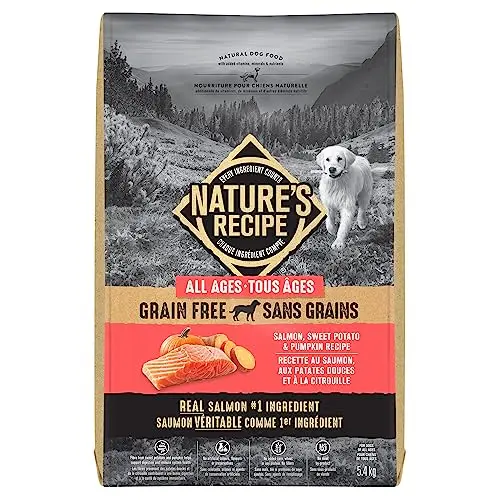
Grain Free Salmon, Sweet Potato & Pumpkin Recipe – Sensitive Stomach & Coat Support
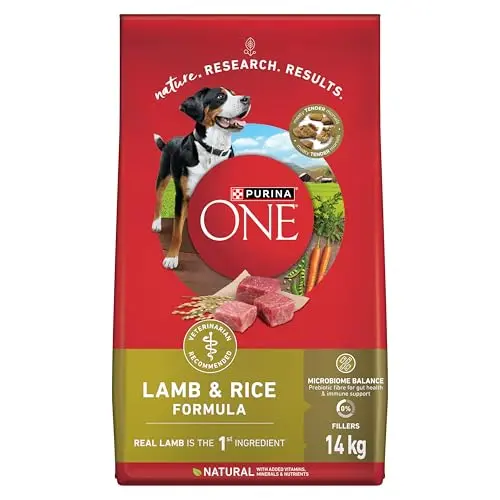
Microbiome Balance Lamb & Rice – Digestive Health Formula
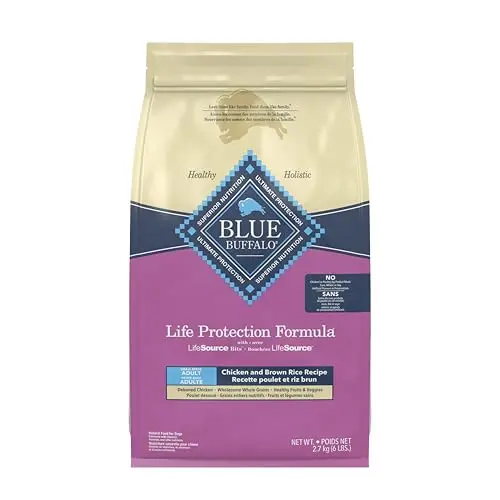
Life Protection Formula Small Breed Chicken – With LifeSource Bits
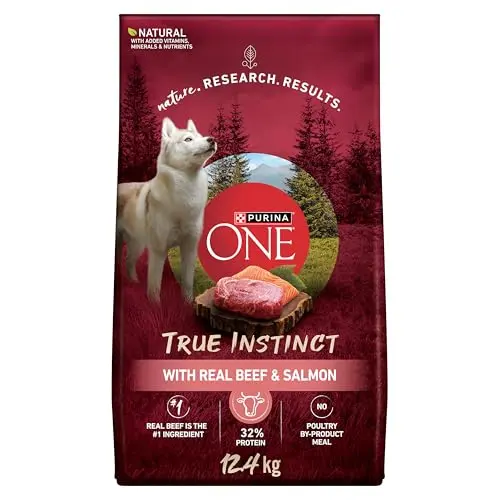
True Instinct High Protein Beef & Salmon – Active Dog Fuel
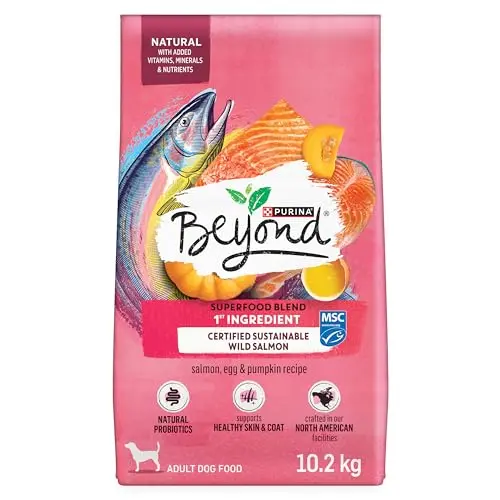
Superfood Blend Salmon & Pumpkin – Natural Nutrition
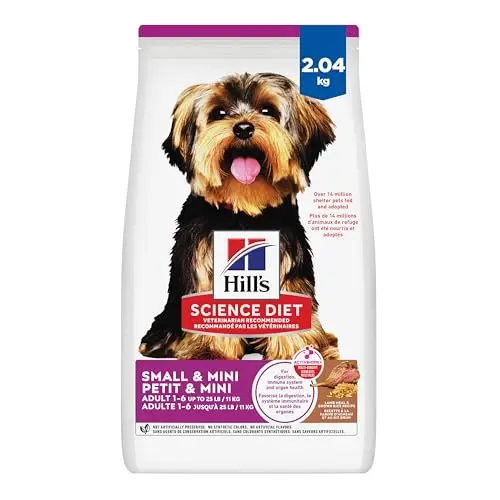
Small & Mini Lamb Meal & Brown Rice – Vet-Recommended Small Breed
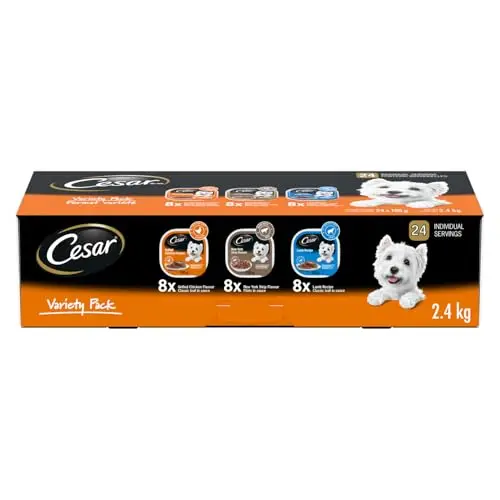
Classic Loaf Variety Pack – Gourmet Wet Food Topper
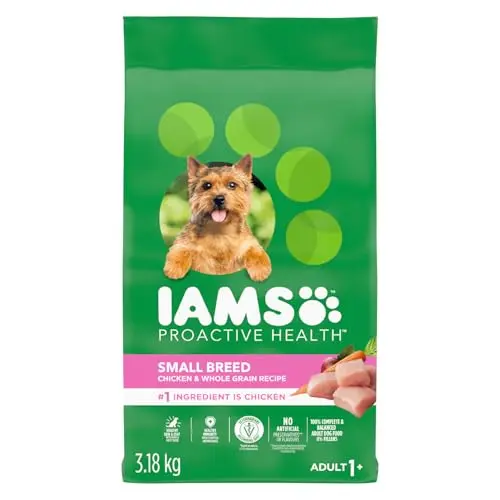
Small Breed Chicken & Whole Grain – Digestible Daily Nutrition
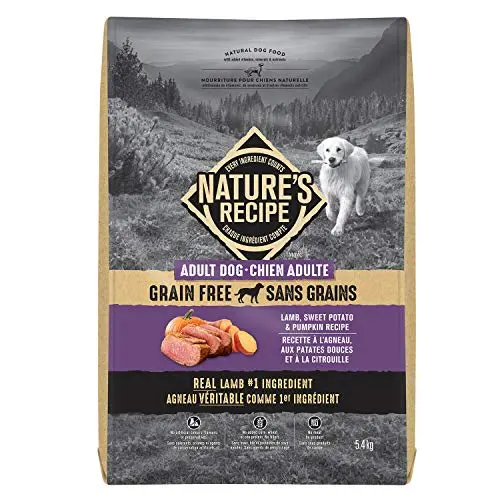
Grain Free Lamb Recipe – Joint & Bone Support
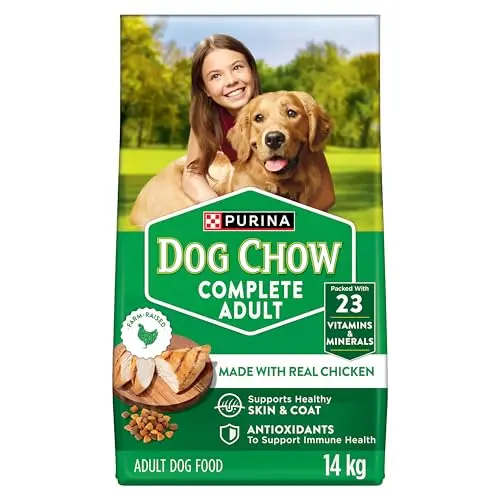
Complete Chicken Recipe – Budget-Friendly Everyday Food
How We Evaluated These Dog Foods for 1 Year Old
We didn’t send these foods to a lab for nutritional analysis or conduct long-term feeding trials. What we did: cross-referenced 10 dog food models from 8 distinct brands across 6 decision axes-protein source and quality, ingredient transparency, breed size suitability, digestive support, cost-effectiveness, and owner satisfaction signals. We triangulated published nutritional profiles, ingredient lists, and aggregated owner feedback where available, and mapped them against the nutritional needs of a typical 1-year-old dog.
The scoring framework weighed real-world nutritional fit (60%)-how well each formula meets the energy and health needs of a young adult-against feature differentiation (40%)-unique benefits like prebiotics, grain-free formulas, or breed-specific kibble. Every pick is based purely on fit and merit; we have no commercial ties to any brand. If you’re after a well-rounded daily food, the Nature’s Recipe Salmon tops the chart. If your dog has a sensitive stomach, the Purina ONE Microbiome Balance is a smarter choice.
How to Choose the Right Dog Food for 1 Year Old
Nutritional Needs of a 1-Year-Old Dog
A one-year-old dog has reached its adult size (give or take a few finishing pounds) but still has the boundless energy of youth. Look for foods labelled for ‘adult maintenance’ that provide balanced protein and fat levels. While puppy formulas are higher in calories and calcium for growth, adult foods settle into a maintenance phase. The best options supply high-quality animal protein as the first ingredient-whether chicken, lamb, salmon, or beef-and include fatty acids like omega-3s for brain and coat health.
Don’t overlook joint-supporting nutrients like glucosamine; even young dogs benefit from proactive care, especially larger breeds prone to hip issues. Similarly, digestive health matters: ingredients like pumpkin, sweet potato, and prebiotic fibres help maintain a healthy gut, which is directly linked to immune strength.
Decoding Ingredient Lists: What to Look For
Start by scanning the first three ingredients. A named meat (chicken, lamb, salmon) should dominate, followed by whole-food carbohydrates like brown rice, barley, or sweet potatoes. Avoid foods that list ‘meat meal’ without specifying the source or that lead with corn or wheat. The best foods are free from artificial colours, flavours, and preservatives, though naturally preserved options (like mixed tocopherols) are fine.
Consider your dog’s specific needs: if they have food allergies, a limited-ingredient diet with a novel protein like lamb or salmon can reduce reactions. For sensitive stomachs, look for added prebiotic fibre (such as from chicory root) or probiotics. And while ‘grain-free’ has been trendy, it’s not inherently better-unless your dog has a diagnosed grain intolerance.
Small Breed or Large Breed: Does Kibble Size Matter?
Absolutely. Small breed dogs-under 20 pounds-have tiny mouths and teeth, so they need small, easy-to-chew kibble. Many small-breed formulas also pack more calories per cup to match their faster metabolisms. For larger dogs, the focus shifts to joint support and controlled growth, with kibble sized to encourage chewing (which aids dental health). If you own a 1-year-old mixed breed in the middle ground, look for an all-breed formula that balances kibble texture.
Grain-Free vs. Grain-Inclusive: Making the Right Call
Grain-free diets gained popularity for mimicking ancestral eating patterns, but recent concerns link some grain-free foods to dilated cardiomyopathy (DCM) in dogs. The FDA hasn’t reached a definitive conclusion, but many vets now recommend sticking with grain-inclusive options unless your dog has a proven allergy or intolerance to specific grains like wheat or corn. If you do choose grain-free, prioritize recipes that include taurine (an amino acid critical for heart health) and veterinary oversight. For most 1-year-olds, a high-quality grain-inclusive food with recognizable grains like brown rice or oatmeal is perfectly healthy and often more affordable.
When to Consider High-Protein or Specialized Formulas
Not all 1-year-olds are the same. If you have a highly active dog-think daily runners, agility trainees, or working breeds-a high-protein formula (30% or more) can support muscle repair and sustained energy. The Purina ONE True Instinct line is a standout here. Conversely, if your dog is a lap-loving couch potato, a standard protein level (around 18-26%) avoids unnecessary calorie loading.
Specialized formulas also shine for specific health conditions. Dogs with recurring ear infections or itchy skin may do better on a limited-ingredient or novel-protein recipe. Likewise, a formula with added glucosamine and chondroitin is wise for breeds predisposed to joint issues when they hit their full adult frame.
Transitioning Your Dog to a New Food
Suddenly switching foods can cause diarrhoea, vomiting, or refusal to eat. Plan a 7-10 day transition: start with 75% old food / 25% new for two days, go to 50/50 for two days, then 25/75 for two days, before going entirely new. This gradual change lets your dog’s gut microbiome adapt. If you’re moving from a puppy formula to adult food, pay extra attention; the shift in fat and fibre content can be jarring. Always monitor stool quality, and keep fresh water available.
Frequently Asked Questions
What's the difference between Purina ONE Microbiome Balance and Blue Buffalo Life Protection?
Purina ONE Microbiome Balance puts a spotlight on digestive health through its prebiotic fibre blend, which feeds good gut bacteria and firms up stools. It uses lamb as the primary protein and includes grains like rice. Blue Buffalo Life Protection, on the other hand, emphasises ingredient quality and antioxidant-rich LifeSource Bits-a cold-pressed pellet that delivers immune support. Blue Buffalo is also tailored for small breeds with a tiny kibble size, while the Purina ONE works across breed sizes. If your 1-year-old has occasional loose stools, the Purina ONE is purpose‐built; if you want small-breed precision and premium ingredients, go Blue Buffalo.
Is the Nature's Recipe Salmon better than the Beyond Superfood Blend for skin and coat?
Both are strong contenders, but the Nature’s Recipe Salmon edges ahead for skin and coat thanks to its grain-free, limited-ingredient design with salmon as the sole animal protein. It delivers a concentrated dose of omega-3s without competing grains, which some dogs with allergies react to. The Beyond Superfood Blend also uses wild-caught salmon and adds egg for extra protein, but it is grain-inclusive and may not be as targeted for dogs with specific grain sensitivities. If your dog’s itching or coat dullness is significant, start with the Nature’s Recipe.
Is grain-free dog food safe for a 1-year-old dog?
Grain-free dog food can be safe, but it’s not automatically healthier. Recent FDA investigations into a potential link between grain-free diets and dilated cardiomyopathy (DCM) in dogs have raised caution. While the research is ongoing, many veterinarians now recommend sticking with grain-inclusive foods unless your dog has a confirmed grain allergy. If you do choose grain-free, like the Nature’s Recipe Salmon, ensure it contains taurine or taurine precursors (like organ meats) and consult your vet for regular heart health check-ups.
How do I switch my dog to a new food?
Take it slow over 7-10 days. Mix 75% old food with 25% new for two days, then split 50/50 for two days, shift to 75% new/25% old for two days, and finally go all new. This gradual transition prevents digestive upset like diarrhoea or vomiting. Watch stool quality; if it becomes loose, slow the transition. Also, keep in mind that a 1-year-old shifting from puppy to adult food might need an extra few days because of the drop in fat and protein density. Consistency is key.
Do I need a small breed formula for my 1-year-old Chihuahua?
Yes, a small breed formula is strongly recommended. Chihuahuas have tiny mouths and teeth that need appropriately sized kibble to avoid choking and encourage proper chewing. Small breed formulas like the Blue Buffalo Life Protection Small Breed also pack more calories per cup to fuel a fast metabolism while delivering joint support (Chihuahuas can be prone to luxating patellas). Don’t feed a large-breed kibble-it’s tough to eat and not nutritionally calibrated for a tiny frame.
Which is more cost-effective: wet or dry food for a 1-year-old?
Dry food wins hands down on cost per serving. A bag like the Dog Chow Complete Chicken spans months for a small dog. Wet food, while more palatable and moisture-rich, costs significantly more per meal. Many owners compromise by mixing a small amount of wet food into dry kibble to boost flavour and hydration without breaking the bank. For pure budget feeding, stick with dry; for appetite issues or added hydration, a case of Cesar trays can stretch as a topper rather than a full meal replacement.
Final Verdict
For most 1-year-old dogs, the Nature’s Recipe Grain Free Salmon is the standout winner-it nails protein quality, digestive ease, and coat-nourishing omega fatty acids without a premium price. If your pup struggles with a sensitive stomach, swap to the Purina ONE Microbiome Balance for its gut-soothing prebiotics. High-energy dogs will thrive on the Purina ONE True Instinct with 32% protein. And for those watching the bottom line, the Dog Chow Complete provides honest nutrition that’ll keep tails wagging. Happy feeding!