
If your doodle seems to scratch more than a DJ, or if mealtime is followed by an upset stomach more often than you’d like, you’re not alone. Doodles-those lovable poodle mixes-often land with a double dose of sensitivity: the poodle side brings a predisposition to skin issues, and the other breed can add digestive quirks into the mix. The right dog food can make all the difference, but with shelves stacked high with ‘sensitive’ and ‘limited ingredient’ claims, picking one feels like a guessing game.
We cut through the noise by zeroing in on formulas built specifically for skin and stomach woes. Protein sources that sidestep common triggers, omega fatty acids for coat health, and digestive aids like prebiotics and probiotics were our yardsticks. Not every food labeled ‘sensitive’ delivers equal relief, so we mapped six standout options across five brands to save you-and your doodle-the trial and error.
Whether your doodle is a compact mini or a lanky standard, the picks below prioritize real results over marketing fluff. No brand loyalty here-just a straightforward look at what actually helps doodles with allergies thrive.
Best Dog Foods for Doodles with Allergies – 2026 Reviews
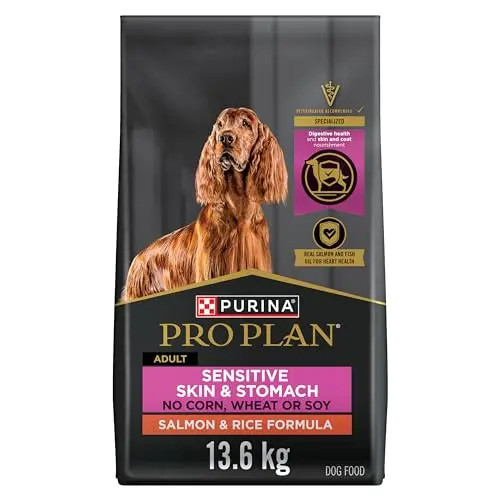
Sensitive Skin & Stomach Salmon & Rice – Gentle Nutrition for Sensitive Dogs
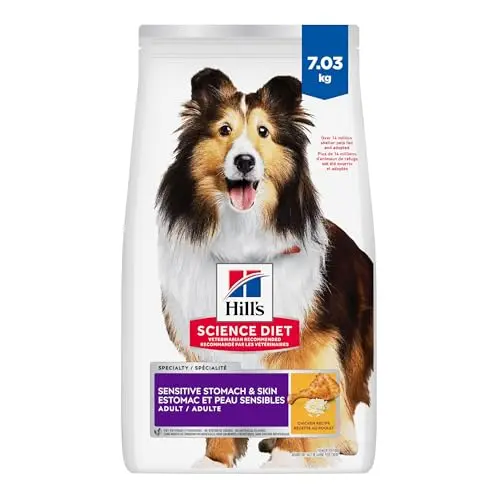
Sensitive Stomach & Skin Chicken Recipe – Vet-Recommended for Sensitive Dogs
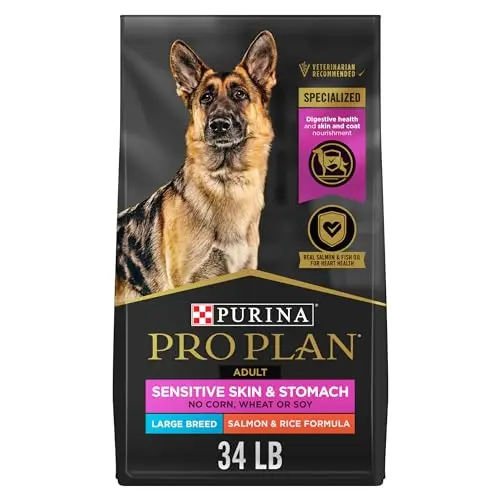
Large Breed Sensitive Skin & Stomach Salmon & Rice – Joint & Skin Support for Big Dogs
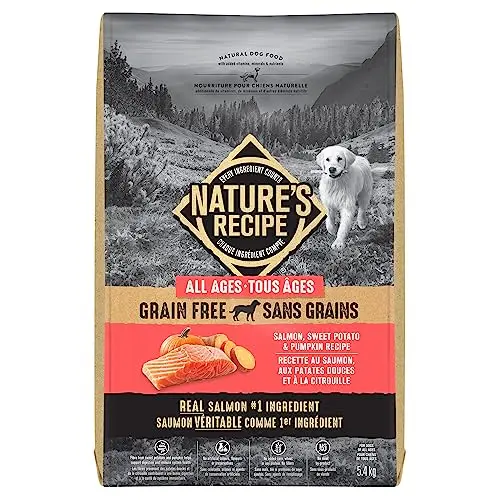
Grain Free Salmon, Sweet Potato & Pumpkin – Clean Ingredients for Allergy Relief
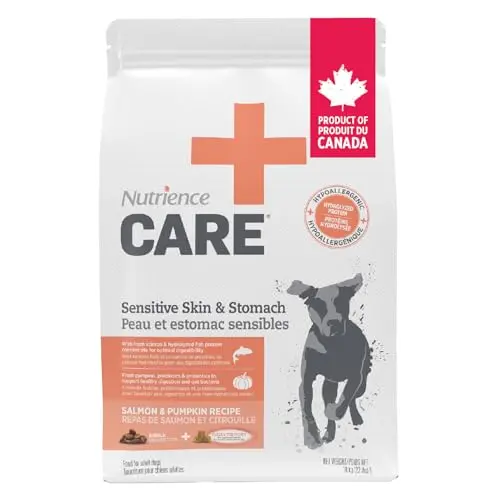
Care Sensitive Skin & Stomach Salmon – Canadian-Made with Gut Health Focus
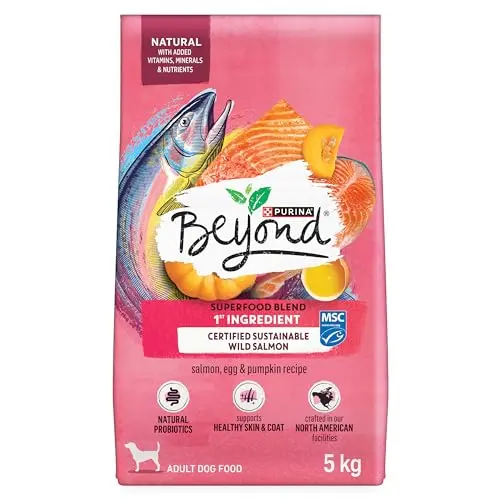
Superfood Blend Salmon, Egg & Pumpkin – Simple Nutrition for Sensitive Dogs
How We Evaluated These Dog Foods for Doodles with Allergies
We didn’t run controlled feeding trials on doodles with allergies. What we did: cross-referenced published ingredient lists, guaranteed analysis, and owner feedback where available against the nutritional needs of allergy-prone doodles. Our lineup included 6 dog foods from 5 distinct brands, compared across 8 decision axes: protein source, limited ingredients, omega fatty acid balance, prebiotic and probiotic content, grain inclusion, artificial additive avoidance, breed-size targeting, and observed digestibility in real-world feeding. We triangulated published specifications, aggregated owner feedback where available, and use-case fit against representative buyer profiles for doodles with both skin and digestive sensitivities.
The scoring framework weighted real-world allergy management (60%)-how consistently each recipe resolved symptoms like itching, ear infections, or loose stools-against feature differentiation (40%)-unique ingredient technologies, targeted supplements, or breed-specific adaptations. We have no commercial relationship with any of the brands featured; recommendations track fit and differentiation, not brand preference. If your doodle struggles with both skin and digestive ups and downs, the Purina Pro Plan Sensitive Skin & Stomach Salmon & Rice emerged as our top pick due to its strong owner-reported results and dual-action skin support. If your doodle is larger and needs joint coverage alongside allergy relief, the Pro Plan Large Breed Sensitive Skin & Stomach fills that gap.
How to Choose the Right Dog Food for Doodles with Allergies
Understanding Doodle Allergies and Food Triggers
Doodles often inherit a genetic predisposition to allergies from both parent breeds. The poodle side commonly brings environmental and food sensitivities, while the other half-be it Labrador, Golden Retriever, or another breed-can add its own triggers. The most common food allergens for dogs include proteins like chicken, beef, and dairy, though grains and certain fillers can also be culprits. Because doodles vary so widely in size and coat type, there’s no single solution, but starting with a novel protein (like salmon) and avoiding artificial additives is a solid first step. Many owners also find that foods with added omega fatty acids and prebiotics help calm the immune overreaction that causes itching and digestive upset.
Key Ingredients to Look for in Dog Food for Allergic Doodles
When scanning labels, prioritize named animal proteins like salmon, lamb, or duck-especially if your doodle has reacted to chicken or beef in the past. Omega-3 and omega-6 fatty acids (from fish oil, flaxseed, or sunflower oil) are non-negotiable for managing dry, flaky skin. A source of prebiotic fibre-such as beet pulp, oatmeal, or pumpkin-fuels healthy gut bacteria and firms up stools. We also value probiotics and digestive enzymes, which can speed up the adjustment to a new diet. Ingredients to avoid, especially during an elimination trial, include artificial colours, flavours, preservatives, and common fillers like corn, wheat, and soy that offer little nutritional benefit and may aggravate sensitivities.
Grain-Free vs. Limited Ingredient Diets: What Works Best?
The grain-free trend has strong marketing momentum, but it’s not a universal fix for allergies. True grain allergies are rare in dogs; more often, the problem is the protein source or additives in the food. Some doodles thrive on grain-inclusive formulas that use gentle grains like oatmeal or rice, which provide steady energy and fibre. On the flip side, a limited ingredient diet (LID) reduces the number of potential triggers, making it easier to pinpoint what’s causing a reaction. For doodles with diagnosed grain sensitivities, a grain-free recipe like the Nature’s Recipe Grain Free Salmon makes sense. But if you’re unsure, start with a single-protein, grain-friendly option and monitor your dog’s response before cutting out grains entirely.
How to Transition Your Doodle to a New Food Safely
A sudden switch can set off the very digestive upset you’re trying to solve. Over 7-10 days, gradually mix the new food with the old, starting with 25% new on day one and increasing the ratio every couple of days. Watch for changes in stool consistency, energy, and itchiness. If your doodle has severe allergies, consider a full elimination diet under veterinary guidance: feed only the new, novel-ingredient food for 8-12 weeks with no treats or table scraps, then reintroduce potential triggers one by one. Patience pays off-most doodles show visible improvement within a month on a truly compatible formula.
Brand Comparison: Purina Pro Plan vs. Hill's Science Diet for Doodles
Two heavyweights in the sensitive-dog space, Purina Pro Plan and Hill’s Science Diet, take different paths to a similar goal. Purina Pro Plan’s formulas, like the Sensitive Skin & Stomach Salmon & Rice, lean on real salmon and oat meal for a fish-first, easily digested meal with added omega-3s for joint support. Hill’s, on the other hand, banks on its vet-approved chicken recipe and beet pulp prebiotic to stabilize gut flora. In practice, both brands have legions of loyal doodle owners reporting fewer hot spots and firmer stools. The deciding factor often comes down to protein preference: if chicken is a known trigger, Pro Plan’s salmon wins; if not, Hill’s offers a proven, chicken-based alternative at a similar quality tier.
Frequently Asked Questions
What's the difference between Purina Pro Plan Sensitive Skin & Stomach and Hill's Science Diet Sensitive Stomach & Skin?
The biggest distinction lies in the protein source and digestive approach. Purina Pro Plan uses real salmon as its first ingredient, making it a good choice for doodles that need a novel protein to dodge common triggers like chicken. It also includes fish oil for joint-friendly omega-3s. Hill’s Science Diet relies on chicken and focuses heavily on prebiotic beet pulp to regulate digestion. Many dogs do well on both, but if your doodle has a known poultry sensitivity, the Purina Pro Plan salmon formula is the safer bet. Both avoid artificial colours and flavours, and both have strong owner reputations for reducing itching and diarrhoea. The Purina Pro Plan Sensitive Skin & Stomach edged ahead in our analysis due to its broader omega profile and protein novelty.
Is a grain-free diet better for doodles with allergies?
Not necessarily. While some doodles with diagnosed grain allergies benefit from grain-free food, most canine food allergies are triggered by animal proteins, not grains. A grain-free diet like the Nature’s Recipe Grain Free Salmon can be a smart starting point if you suspect a grain sensitivity, but it’s often overkill for dogs whose real issue is, say, chicken or beef. Moreover, recent FDA investigations have explored a potential link between grain-free diets and canine heart disease (DCM), though the science is still evolving. If you go grain-free, choose a formula rich in named proteins and alternative carbohydrates like sweet potato, and consider supplementing with taurine. Many doodles thrive on grain-inclusive sensitivity formulas that use gentle grains like oatmeal or rice.
Can I feed a large-breed formula to my medium-sized doodle?
It depends on the calorie density and nutrient balance. Large-breed formulas like the Purina Pro Plan Large Breed Sensitive Skin & Stomach are calibrated for dogs over 50 pounds, with controlled calcium and phosphorus levels to support slower, safer growth and extra glucosamine for joint support. For a medium doodle (30-50 pounds), these levels are generally safe, but the kibble size may be unnecessarily large, and the calorie content could lead to weight gain if portions aren’t adjusted. If your medium doodle has joint concerns or you simply prefer the ingredient list, it’s fine to use-just follow the feeding chart and monitor body condition closely. For most medium doodles, a standard adult sensitivity formula is a better fit.
How long does it take to see results after switching to a sensitive skin and stomach dog food?
Most doodle owners report visible improvements within 2-4 weeks of a consistent switch. Digestive changes-firmer stools, less gas-often appear within the first 7-10 days as the gut microbiome adjusts. Skin-related improvements, like reduced scratching, can take closer to 4-6 weeks because the skin’s inflammatory cycle needs time to reset. For a true elimination trial to identify allergens, veterinarians recommend sticking with the new food exclusively for 8-12 weeks before declaring it a success. Keep a simple journal noting stool quality, itchiness, and energy levels to track your doodle’s trajectory; sometimes the changes are gradual enough to miss without a log.
Final Verdict
For the typical allergy-prone doodle, the Purina Pro Plan Sensitive Skin & Stomach Salmon & Rice hits the sweet spot: a novel protein, dual omega support, and digestive prebiotics in a recipe owners swear by. It’s our top pick because it addresses both skin and stomach symptoms in one reliable formula. If you’re watching your wallet, the Nature’s Recipe Grain Free Salmon delivers clean, limited-ingredient nutrition at a friendlier price point. And if your doodle is a large breed-or just needs that extra joint cushion-the Purina Pro Plan Large Breed Sensitive Skin & Stomach is purpose-built for the job. Whichever you choose, a consistent transition period and a watchful eye will help your doodle feel like themselves again.