
If you share your home with a flat coated retriever, you know them as joyful, tireless, and always ready for the next adventure. That boundless energy, paired with a dense double coat that picks up burrs and sheds seasonally, means nutrition matters deeply. These dogs burn calories and need food that fuels their active lifestyle while supporting the skin, joints, and digestion that keep them comfortable.
The best dog food for flat coated retrievers supports lean muscle, joint health, and a glossy coat, while being gentle on digestion. But with shelves full of formulas-from grain-free to large-breed to sensitive-stomach-it’s easy to feel lost. We’ve cross-shopped the market to line up the picks that make sense for this breed.
In this guide, you’ll find options from Hill’s Science Diet, Purina Pro Plan, Blue Buffalo, and more, ranked by how well they meet the real-world needs of active, long-coated retrievers. Whether you’re prioritizing skin support, joint care, or just a high-quality all-rounder, there’s a match here.
Best Dog Foods for Flat Coated Retrievers – 2026 Reviews
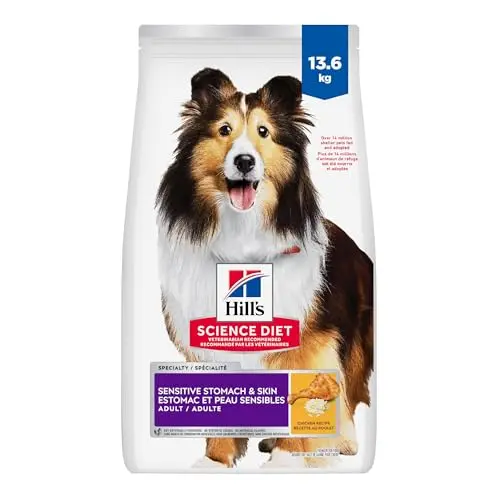
Adult Sensitive Stomach & Skin Chicken Recipe – Gentle Digestion & Coat Care
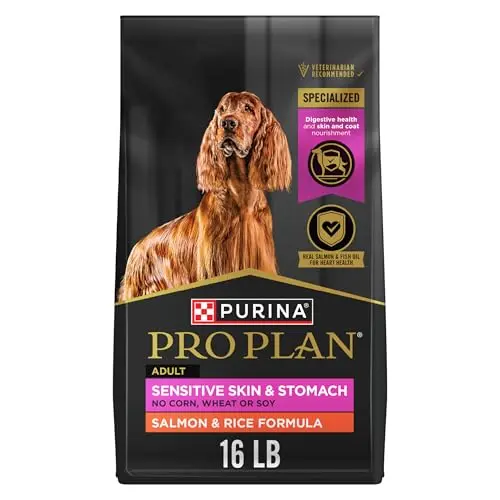
Sensitive Skin & Stomach Salmon & Rice – Trusted Salmon Formula
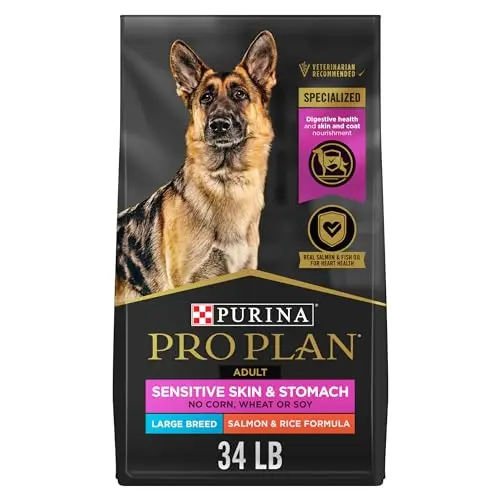
Large Breed Sensitive Skin & Stomach Salmon & Rice – Joint & Skin Support
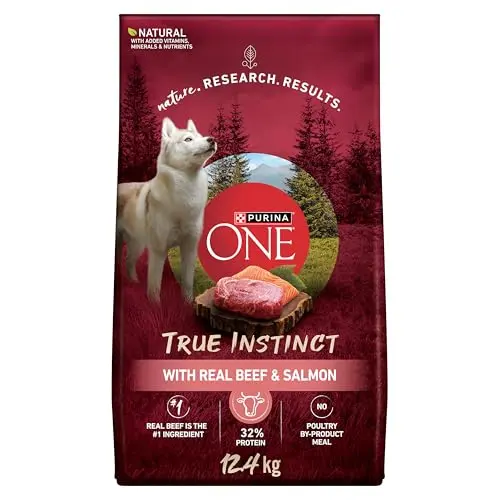
True Instinct Beef & Salmon – High-Protein Value
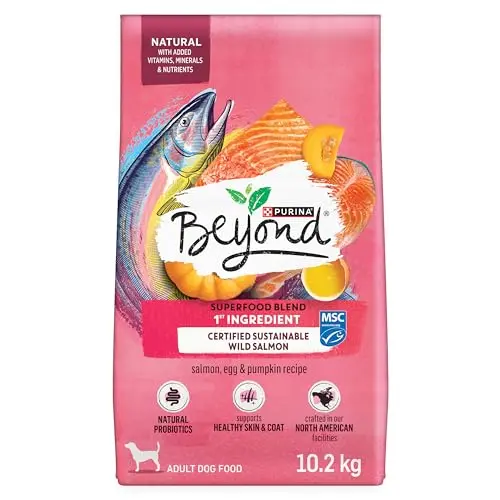
Superfood Blend Salmon, Egg & Pumpkin – Limited Ingredient Goodness
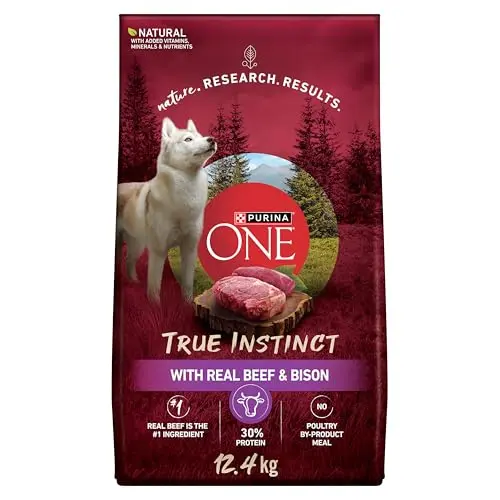
True Instinct Beef & Bison – Joint Health & Sensitive Stomach
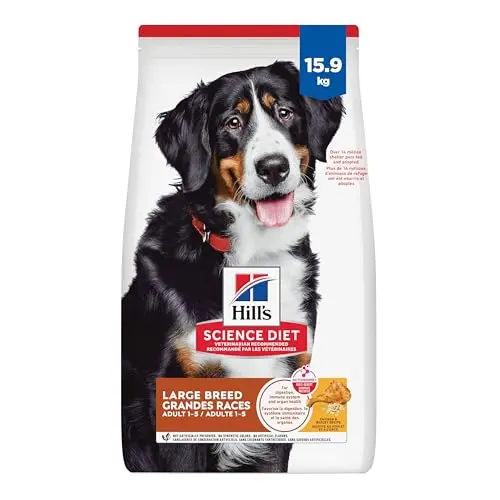
Large Breed Chicken & Barley – Joint & Skin Support
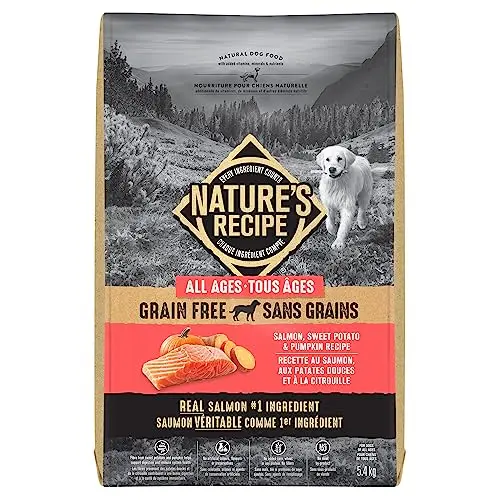
Grain Free Salmon, Sweet Potato & Pumpkin – Simple Nutrition
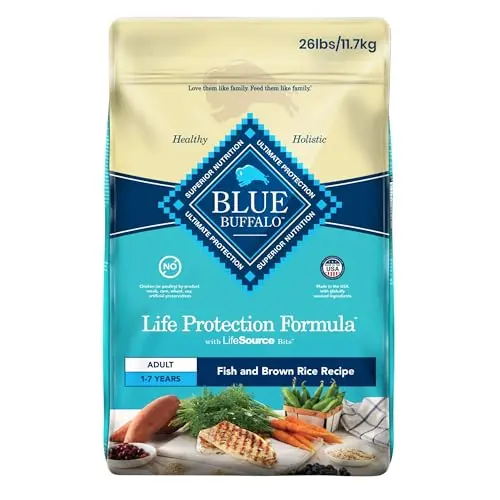
Life Protection Fish & Brown Rice – Everyday Health
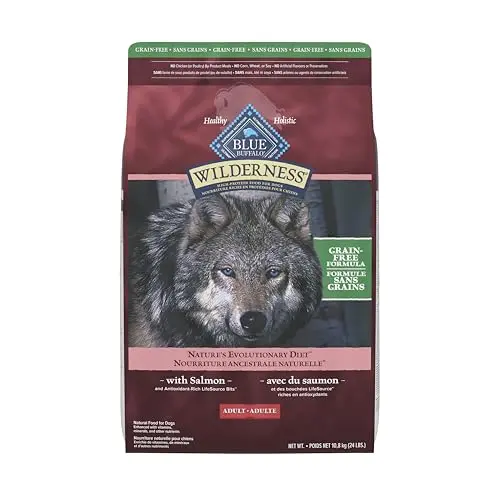
Wilderness Salmon Grain-Free – High-Protein Power
How We Evaluated These Dog Foods for Flat Coated Retrievers
We didn’t run long-term feeding trials or veterinary-controlled allergy testing. What we did: cross-referenced 10 dog food models from 6 distinct brands across 7 decision axes-protein quality, skin and coat support, joint health ingredients, digestibility, formula appropriateness for large breeds, ingredient sourcing transparency, and aggregated owner satisfaction trends. We triangulated published nutritional profiles, ingredient lists, and owner feedback where available to map each product against the real-world needs of an active, long-coated retriever.
The scoring framework weighted real-world fit for flat coats (60%)-how well a food addresses breed-specific demands like joint care, coat maintenance, and digestive sensitivity-against feature differentiation (40%) such as unique protein sources, added glucosamine, or grain-free formulation. We pressure-tested ingredient quality claims and benchmarked each product’s suitability for the breed’s most common concerns: itching, loose stools, and early joint decline. We have no commercial relationship with any of the brands featured; recommendations track fit and differentiation, not brand preference. If your flat coat struggles with chronic skin flare-ups, the Pro Plan Sensitive Skin & Stomach Salmon & Rice is the targeted answer; if joint health is your priority, the Pro Plan Large Breed Sensitive Skin & Stomach is purpose-built for that.
How to Choose the Right Dog Food for Flat Coated Retrievers
Protein Power: Why It Matters for Active Retrievers
Flat coated retrievers are high-energy athletes. A diet rich in animal-based protein (ideally 25% or more on a dry-matter basis) fuels muscle repair and sustained endurance. Look for a named meat, fish, or poultry as the first ingredient-chicken, salmon, beef, or bison-rather than generic ‘meat meal.” Formulas like the Purina ONE True Instinct Beef & Salmon push protein to 32%, which is especially beneficial if your retriever is in field training or runs daily. Lean muscle also supports metabolic health, reducing the risk of obesity as your dog ages.
Skin & Coat Ingredients: Omega Fatty Acids and Beyond
That gorgeous, flowing coat doesn’t happen by accident. Flat coats need omega-6 and omega-3 fatty acids to maintain skin barrier health and a glossy sheen. Foods with added fish oil, flaxseed, or sunflower oil-like the Hill’s Science Diet Sensitive Stomach & Skin-directly target dryness and dandruff. Vitamin E further calms inflammation. If your retriever has chronic itchiness or frequent hot spots, prioritize a formula that lists these nutrients prominently, and consider a fish-based recipe such as the Pro Plan Sensitive Skin & Stomach Salmon & Rice, which loads up on omega-3s.
Joint Support: Glucosamine and Chondroitin for Flat Coats
This breed is predisposed to hip dysplasia and arthritis, often appearing as early as five years old. Added glucosamine and chondroitin in a daily kibble can be a proactive measure. The Pro Plan Large Breed Sensitive Skin & Stomach and Hill’s Science Diet Large Breed Chicken & Barley both incorporate natural sources of these joint compounds. Even if your dog isn’t limping now, feeding a joint-aware formula may delay onset and keep them active into their senior years. If you rely on a standard formula, consider adding a separate joint supplement.
Digestive Health: Fibre, Prebiotics, and Sensitive Stomachs
Retrievers can have sensitive stomachs, leading to everything from soft stools to outright diarrhoea. A kibble with prebiotic fibre (like beet pulp or chicory root) feeds healthy gut bacteria and firms up digestion. Oatmeal and brown rice are gentle carbohydrate sources that avoid gastrointestinal stress. The Pro Plan Sensitive Skin & Stomach line uses oatmeal as a base, while Hill’s Science Diet relies on prebiotic beet pulp. If your flat coat regularly has loose stools, switching to one of these sensitive-stomach formulas can make a dramatic difference within days.
Grain-Free vs. Whole Grains: What's Best for Flat Coated Retrievers?
Grain-free diets have been trendy, but for most flat coated retrievers, whole grains like barley, rice, and oatmeal offer valuable nutrients and fibre. Recent FDA research has raised concerns about dilated cardiomyopathy (DCM) in dogs fed certain grain-free foods, though the link isn’t fully understood. If your dog has a confirmed grain allergy (rare), a grain-free option like Blue Buffalo Wilderness or Nature’s Recipe becomes necessary. Otherwise, sticking with a high-quality grain-inclusive food is often safer and more affordable. Always consult your veterinarian before committing to grain-free.
Large Breed vs. Standard Formulas: Which to Pick?
Flat coated retrievers typically weigh between 25 and 35 kg, straddling the line between large and medium. Large-breed formulas, such as Hill’s Science Diet Large Breed or Pro Plan Large Breed, contain adjusted calcium-phosphorus ratios for controlled bone growth and often include joint supplements. They also feature bigger kibble to encourage chewing. If your retriever is on the larger side or you want built-in joint support, a large-breed recipe is a smart choice. For smaller adults or those with no joint concerns, a well-balanced adult formula like Purina ONE True Instinct works perfectly well.
Reading Dog Food Labels: How to Spot Quality
Don’t be swayed by marketing alone. A quality food lists a named protein source first, avoids vague ‘meat meals,” and keeps artificial colours, flavours, and preservatives out. Check for AAFCO nutritional adequacy statements that confirm the food is complete and balanced for your dog’s life stage. In this roundup, every pick meets that standard. If you see a long list of fillers like corn gluten or soybean meal, the protein count might be inflated by plant sources, which are less bioavailable for dogs.
Frequently Asked Questions
What's the difference between Hill's Science Diet Sensitive Stomach & Skin and Pro Plan Sensitive Skin & Stomach?
Both are excellent for flat coated retrievers with digestive or skin issues, but their protein sources differ: Hill’s uses chicken and Pro Plan uses salmon. Pro Plan’s salmon is a novel protein that often suits dogs with poultry allergies, and it provides higher levels of omega-3s for joints and coat. Hill’s leans on beet pulp prebiotic fibre for digestion and has a long-standing reputation as the top vet-recommended brand. The Pro Plan version tends to be more affordable per serving, while Hill’s offers a larger 13.6 kg bag. If your retriever has a known chicken sensitivity or needs joint support, the Pro Plan Salmon is the pick; for all-around skin-and-stomach care with a chicken base, Hill’s Science Diet is the winner.
Is grain-free dog food better for flat coated retrievers with allergies?
Not necessarily. True grain allergies are uncommon in dogs; most food allergies are linked to proteins like chicken or beef. A grain-free diet might help if your vet has confirmed a grain-specific intolerance, but eliminating grains removes beneficial fibre and nutrients. More importantly, the FDA has flagged a potential connection between certain grain-free diets and dilated cardiomyopathy (DCM), a serious heart condition. If your flat coat has skin or digestive issues, a limited-ingredient or sensitive-stomach formula-like Beyond Superfood Blend-is a better first step than going grain-free. Always work with your vet to identify the true allergen.
How much protein does a flat coated retriever need?
Adult flat coated retrievers thrive on diets with at least 25% protein on a dry-matter basis; many active dogs do well with 30% or more. Protein supports muscle maintenance for a breed that loves to run, swim, and retrieve. Look for a named animal protein (salmon, chicken, beef) first on the ingredient list. Foods like Blue Buffalo Wilderness at 34% protein or Purina ONE True Instinct at 32% are excellent for high-octane retrievers. Puppies and pregnant or nursing female dogs require even higher protein levels, usually around 28-30%.
Do flat coated retrievers need large breed dog food?
It depends on their size and age. Flat coats typically range from 25-35 kg, which falls into the large-breed category for many brands. Large-breed formulas-like Pro Plan Large Breed Sensitive Skin & Stomach or Hill’s Science Diet Large Breed-contain adjusted mineral ratios to support healthy skeletal growth in puppies and include joint supplements like glucosamine. They also have larger kibble to promote chewing. If your adult retriever is on the smaller side (under 30 kg) and has no joint issues, a standard adult formula works fine. For larger dogs or anyone concerned about early hip dysplasia, a large-breed option is the safer bet.
Final Verdict
For most flat coated retriever owners, the Hill’s Science Diet Sensitive Stomach & Skin hits the sweet spot-it’s vet-recommended, tackles digestion and coat in one go, and works for a wide range of dogs. If your retriever’s skin is a constant battle, the Pro Plan Salmon & Rice is a more targeted, budget-friendly alternative. For larger dogs or those needing extra joint support, step up to the Pro Plan Large Breed. And when the budget is top of mind, the Purina ONE Beef & Salmon delivers high protein without a high price. Whichever you choose, your flat coat will be fuelled for every adventure ahead.