
Bringing home a fluffy husky puppy is exhilarating – those bright blue eyes and boundless energy are impossible to resist. But behind the cuteness lies a fast-growing working breed with very specific nutritional needs. Huskies may not end up as bulky as a Great Dane, but they still need a diet that supports their active muscles, developing joints, and famously picky stomachs. Get the food wrong early on, and you could set the stage for digestive upsets or avoidable orthopaedic issues.
The puppy food aisle is packed with options, but not all of them are built for a breed like the Siberian husky. Large-breed formulas with controlled calcium and joint-supporting nutrients are a smart starting point, while DHA-rich recipes help fuel a puppy’s rapid brain and vision development. And since huskies can turn their nose up at food that doesn’t appeal, palatability matters just as much as the ingredient panel. In this guide, we’ve surveyed the market to cut through the noise and help you pick the right fuel for your growing sled dog.
Best Dog Foods for Husky Puppies – 2026 Reviews
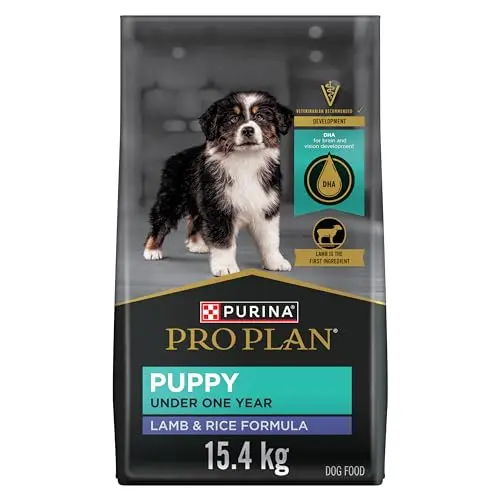
Development Lamb & Rice – Optimal Puppy Foundation
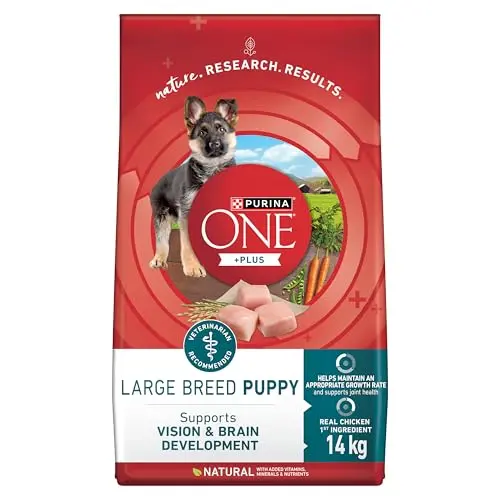
Large Breed Chicken – Smart Growth, Smart Price
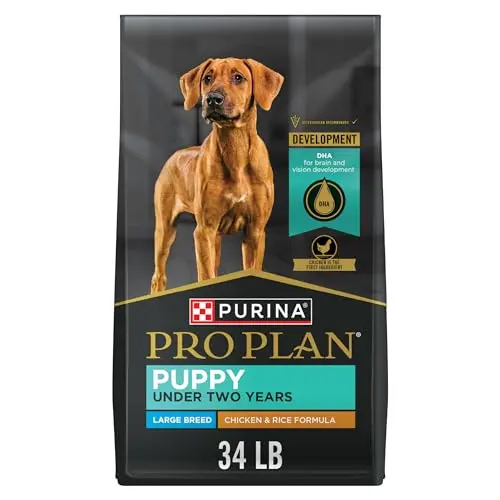
Development Chicken & Rice – Joint-First Large Breed Formula
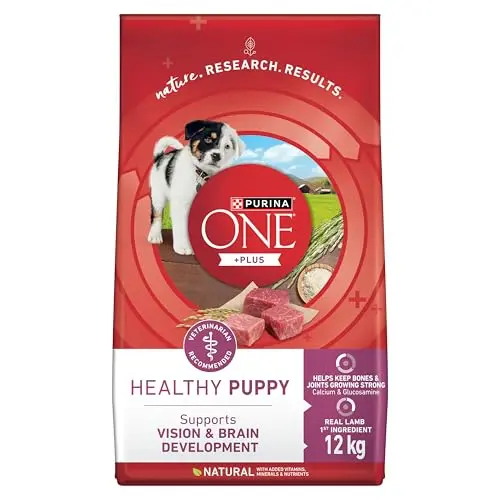
Healthy Puppy Lamb – Gentle Digestion, Simple Goodness
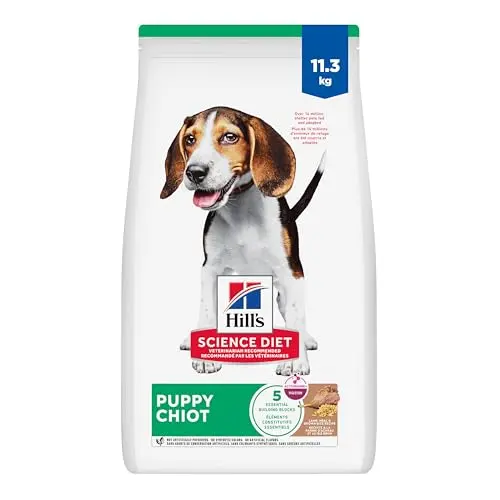
Lamb Meal & Brown Rice – Trusted Large Breed Support
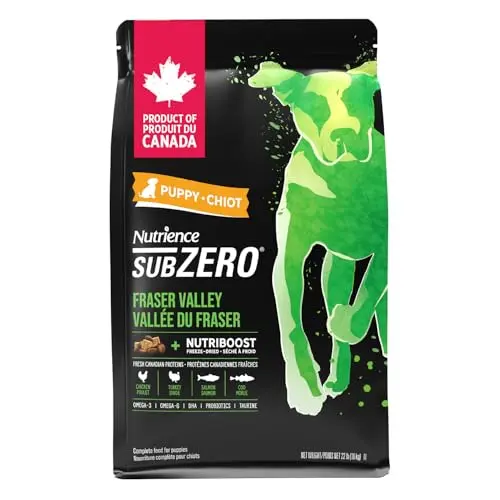
Subzero Fraser Valley – Grain-Free Canadian Sourcing
How We Evaluated These Dog Foods for Husky Puppies
We’ll be upfront: we haven’t fed these formulas to a pack of husky puppies over months. What we did: cross-referenced 6 puppy foods from 4 distinct brands across 5 decision axes – breed suitability, joint support, digestive health formulas, protein quality, and developmental nutrition (DHA, vitamins). We triangulated published specifications, aggregated owner feedback where available, and use-case fit against the typical Siberian husky puppy profile: rapid growth, high energy, sensitive digestion, and a working-dog predisposition to joint stress.
The scoring framework weighted real-world performance (60%) – how well each food delivers on its breed and size promises – against feature differentiation (40%) – unique technical advantages like added glucosamine, live probiotics, or alternative protein sources. We have no commercial relationship with any of the brands featured; recommendations track fit and differentiation, not brand preference. If your husky puppy has a typically sensitive stomach, the Pro Plan Lamb & Rice is the safe, all-around pick; if you’re set on a budget-conscious large-breed formula, the Purina ONE Large Breed Chicken gets you most of the way there.
How to Choose the Right Dog Food for Husky Puppies
What Makes a Dog Food Right for a Husky Puppy?
Husky puppies are a unique mix of athletic potential and digestive sensitivity. The right food should support steady, not rapid, growth – abrupt spurts can strain developing joints. Look for a named animal protein as the first ingredient (chicken, lamb, or fish), and ensure the formula includes DHA for brain and vision development. Because huskies are notorious for turning their nose up at boring bowls, palatability features like freeze-dried coatings or tender shreds can make mealtime drama-free.
Why Breed Size Matters for Husky Puppy Food
Siberian huskies typically fall into the large-breed category (adult weight over 23 kg), so a large-breed puppy formula is often the safest starting point. These recipes are calibrated with controlled calcium and phosphorus to prevent too-rapid bone development, which can cause lasting orthopaedic issues. Glucosamine and chondroitin are bonus ingredients that support joint cartilage during growth spurts, and many large-breed foods also balance calories to keep lean huskies from becoming overweight – an often-overlooked risk.
Not every husky needs a strict large-breed food, however. If your puppy is on the smaller end of the breed standard, an all-breed puppy food with a moderate calorie density can work, provided you monitor growth curves. Steer clear of standard puppy foods marketed for all sizes if your husky is projected to exceed 25 kg, as their calcium levels may be too high.
Ingredients That Support Joint Health in Growing Huskies
Active huskies put a lot of stress on their hips and elbows early on. The best puppy foods for this breed typically include natural sources of glucosamine (often from chicken meal or shellfish) and sometimes chondroitin. These compounds help maintain cartilage integrity during periods of rapid growth. While no puppy food can prevent genetic conditions like hip dysplasia, a joint-conscious diet can give your husky the best possible structural foundation. Check the ingredient panel for direct mentions of glucosamine, or look for products that explicitly state joint support.
Digestive Health: Prebiotics, Probiotics, and Easily Digestible Proteins
Husky puppies have a reputation for sensitive stomachs – loose stools, picky eating, and occasional intolerance to rich proteins. Formulas that include guaranteed live probiotics or prebiotic fibres can help stabilize the gut microbiome. Easily digestible carbohydrate sources like rice, oatmeal, or barley are gentler on the digestive tract than corn or soy. Lamb-based recipes often suit huskies that don’t tolerate chicken well, and single-protein formulas can be useful for identifying food sensitivities.
When switching foods, do it gradually over 7-10 days. A sudden change can trigger the very digestive upset you’re trying to avoid.
Purina Pro Plan vs. Purina ONE: Which Brand for Your Husky Puppy?
Both Pro Plan and Purina ONE offer strong options for husky puppies, but they appeal to slightly different priorities. Pro Plan’s Development formulas (Lamb & Rice or Large Breed Chicken & Rice) tend to include more specialized ingredients like live probiotics and glucosamine, while also commanding a higher price. Purina ONE’s +Plus line delivers comparable DHA and antioxidant blends at a more budget-friendly level, often with a simpler ingredient panel. If your husky has a documented sensitive stomach, Pro Plan Lamb & Rice is the more targeted pick; if you’re feeding multiple dogs or want straightforward large-breed nutrition, the Purina ONE Large Breed Chicken is a savvy move.
Grain-Free Puppy Foods for Husky Puppies: Yay or Nay?
Grain-free diets have been trendy, but they’re not inherently better for husky puppies. Unless your veterinarian has diagnosed a specific grain allergy or intolerance, whole grains like brown rice and oatmeal provide valuable energy and fibre. Recent cardiology research has linked some grain-free formulations to dilated cardiomyopathy (DCM), though the connection remains under study. If you do choose grain-free, opt for a formula that includes taurine and names multiple high-quality protein sources, like the Nutrience Subzero Fraser Valley. And make sure to discuss the grain-free choice with your vet.
Frequently Asked Questions
Do Siberian husky puppies need large-breed puppy food?
Most husky puppies benefit from a large-breed puppy formula, because adult Siberians typically weigh 16-27 kg (35-60 lbs), which puts them firmly in the large-breed category once fully grown. Large-breed foods have adjusted calcium-to-phosphorus ratios that encourage slow, steady skeletal growth and reduce the risk of developmental orthopaedic problems. That said, if your husky is expected to stay under 22 kg and grows at a moderate rate, an all-breed puppy food with an appropriate mineral balance can also work. Keep an eye on growth charts and chat with your vet if you’re unsure.
What's the difference between Purina Pro Plan Large Breed Chicken & Rice and Purina ONE Large Breed Chicken?
Both are large-breed puppy foods with real chicken as the first ingredient and added DHA, but Pro Plan steps up with guaranteed live probiotics for digestive and immune support, plus tender meaty shreds for palatability. Purina ONE uses a SmartBlend of crunchy kibble and tender morsels, includes natural glucosamine sources, and relies on a dual antioxidant blend rather than live probiotics. Pro Plan generally costs more, but the probiotic benefit can be worth it for huskies with chronic loose stools. If your puppy’s digestion is stable, the Purina ONE version delivers excellent value without missing the large-breed essentials.
How do I switch my husky puppy to a new food?
Transition over 7 to 10 days to avoid upsetting your puppy’s sensitive system. Start with 25% new food mixed with 75% old for two days, then 50/50 for two days, then 75/25 for two days, and finally 100% new. Watch for any increase in loose stools, gas, or refusal to eat – these are signs to slow the switch. A probiotic supplement can ease the transition, and if your puppy has a known chicken sensitivity, consider a lamb-based formula like the Pro Plan Lamb & Rice as a gentle introduction.
Are grain-free puppy foods better for husky puppies?
Not necessarily. Whole grains like rice, oatmeal, and barley are excellent sources of digestible energy for active husky puppies, and they don’t typically trigger allergies unless a specific sensitivity is diagnosed. Grain-free foods can be useful for confirmed grain allergies, but they’ve also been linked in some studies to heart issues in dogs. If you’re leaning grain-free, look for a formula that includes taurine and multiple meat sources, like the Nutrience Subzero, and run the choice by your veterinarian – especially if your puppy’s breed is not commonly associated with grain allergies.
Final Verdict
For the vast majority of husky puppies, the Pro Plan Development Lamb & Rice is the one we’d feed our own dogs. Its lamb-first protein, built-in probiotics, and DHA package make it the safest bet for sensitive stomachs and steady growth. If your budget is tighter or you prefer a true large-breed recipe, the Purina ONE Large Breed Chicken delivers joint support and brain nutrition at a price that’s hard to beat. And for owners who want a grain-free path with Canadian-sourced proteins, the Nutrience Subzero Fraser Valley fills that niche – just have the grain-free conversation with your vet.