
Mastiffs are gentle giants with equally large nutritional demands. Their sheer size puts strain on joints, their digestive systems can be sensitive, and keeping them at a healthy weight is a constant balancing act. That’s why picking the right dog food isn’t just about filling a bowl – it’s about supporting long-term mobility, muscle maintenance, and overall vitality.
We cut through the noise to compare eight standout formulas across six brands, focusing on what matters most for mastiff owners: protein quality, joint-supporting ingredients, kibble size, and real-world palatability. Whether you’re managing a picky eater, dodging grain sensitivities, or looking for a diet that actively protects those big hips and elbows, this guide will help you match your mastiff to the right food.
Best Dog Foods for Mastiffs – 2026 Reviews
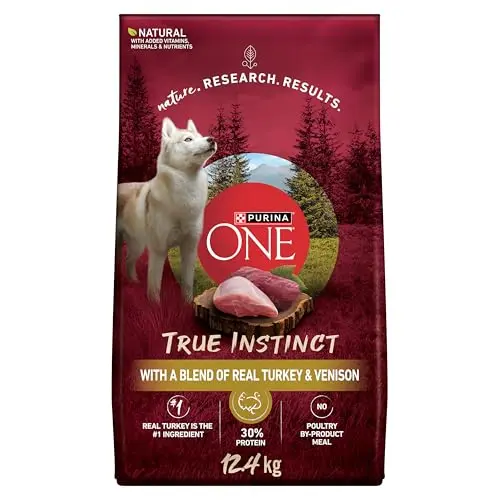
True Instinct Turkey & Venison – High-Protein All-Breed Fuel
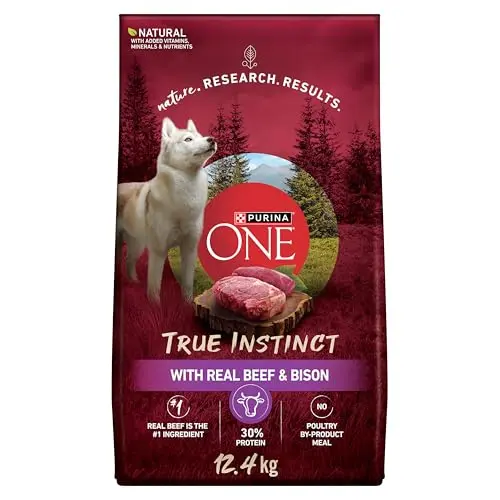
True Instinct Beef & Bison – Joint Health with Meaty Morsels
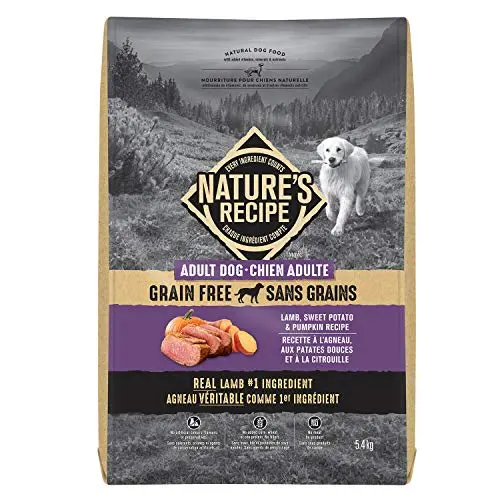
Lamb, Sweet Potato & Pumpkin – Gentle Digestion Grain-Free
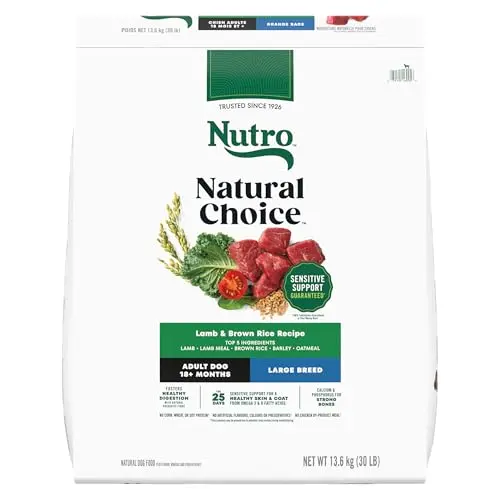
Large Breed Lamb & Rice – Joint & Digestive Support
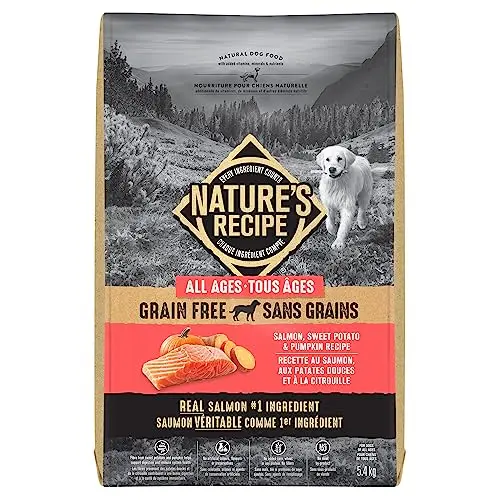
Salmon, Sweet Potato & Pumpkin – Grain-Free Omega Boost
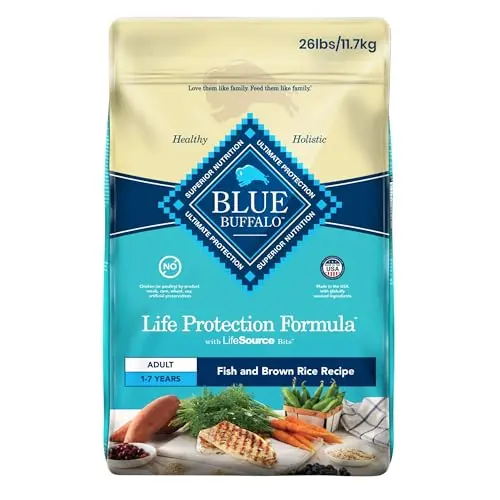
Fish & Brown Rice – LifeSource Bits for Immunity
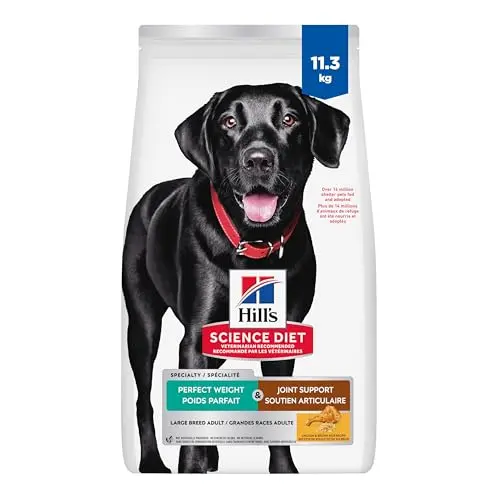
Perfect Weight & Joint Support Large Breed – Clinically Proven Weight Management
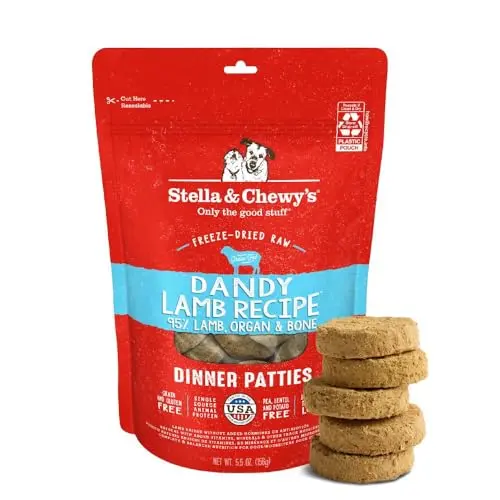
Freeze-Dried Raw Lamb Patties – Raw Nutrition on the Go
How We Evaluated These Dog Foods for Mastiffs
We didn’t conduct long‑term feeding trials or veterinary nutritional panel analysis. What we did: cross‑referenced 8 dog foods from 6 distinct brands across the decision axes that matter most for giant breeds – protein quality, joint‑support ingredients, breed‑size appropriateness, ingredient transparency, digestive sensitivity, and owner satisfaction. We triangulated published specifications, ingredient lists, and aggregated owner feedback where available to pressure‑test each formula’s real‑world fit for mastiffs.
The scoring framework weighted real‑world performance (60%) – how well each food delivers on nutritional needs and palatability for a giant dog – against feature differentiation (40%) – unique advantages like added glucosamine, weight‑management support, or raw formulation. We have no commercial relationship with any of the brands featured; recommendations track fit and differentiation, not brand preference. If you’re after a dependable all‑rounder, the Purina ONE True Instinct Turkey & Venison is the pick for most mastiffs; if joint support is your top priority, the Nutro Large Breed Lamb & Rice was purpose‑built for the job.
How to Choose the Right Dog Food for Your Mastiff
How Much Protein Does a Mastiff Really Need?
Mastiffs are massive dogs with substantial muscle mass, so protein is non‑negotiable. Look for a minimum of 22-25% protein on a dry matter basis, but foods with 30% or more can better support lean muscle maintenance and activity levels. Real, named meat (like turkey, beef, or lamb) as the first ingredient is the gold standard. Avoid vague terms like ‘meat meal’ or excessive plant‑based proteins that are harder for a dog to utilise. The Purina ONE True Instinct Turkey & Venison hits that 30% mark with real turkey, making it a muscle‑friendly choice for an active adult mastiff.
Joint Support Ingredients: Why Glucosamine and Chondroitin Matter
Large and giant breeds are prone to hip and elbow dysplasia, arthritis, and general joint wear. Foods that include natural sources of glucosamine and chondroitin (often from chicken meal or cartilage) can provide passive daily support that compounds over time. While no food replaces a dedicated joint supplement for a diagnosed condition, incorporating these ingredients early may help slow degeneration. The Nutro Large Breed Lamb & Rice and Purina ONE Beef & Bison both offer naturally occurring glucosamine, making them smart default picks for mastiffs.
Grain‑Free vs. Grain‑Inclusive for Mastiffs with Sensitive Stomachs
Mastiffs are notorious for digestive sensitivities, so the grain‑free debate matters here. Grain‑free recipes often use sweet potatoes, peas, or lentils as carbohydrate sources, which can be easier on the stomach for some dogs. However, whole grains like brown rice and oatmeal are gentle for others and provide beneficial fibre. If your mastiff shows signs of itching, loose stools, or chronic ear infections, a grain‑free option like Nature’s Recipe Lamb, Sweet Potato & Pumpkin may calm things down. There’s no universal answer – trial and observation are your best guides.
Kibble Size and Shape: Does It Make a Difference for Giant Breeds?
You might not think about it, but kibble size matters for a deep‑chested breed like a mastiff. Small, round kibbles can be inhaled, increasing the risk of bloat and GDV (gastric dilatation‑volvulus). Large breed formulas often feature larger, sometimes donut‑shaped kibbles that encourage chewing and slow down eating. If you’re feeding an all‑breed diet, consider a slow‑feed bowl or puzzle feeder. The Hill’s Science Diet Perfect Weight & Joint Support Large Breed uses a generously sized kibble specifically designed to promote slower consumption.
Reading the Ingredient List: Red Flags for Mastiff Owners
Beyond protein, scan for ingredients that commonly trigger issues. Avoid artificial colours, flavours, and preservatives (like BHA, BHT, ethoxyquin) – all unnecessary for a dog’s health. Meat by‑products and unnamed meat meals are nutritionally ambiguous. High‑glycemic fillers like corn, wheat, and soy can contribute to weight gain and inflammation in sensitive dogs. Look for specific fat sources (chicken fat, salmon oil) rather than nameless ‘animal fat.’ A short, transparent ingredient panel with recognisable whole foods is always a good sign.
Feeding an Adult Mastiff vs. a Growing Puppy
All the foods reviewed here are adult maintenance formulas. Mastiff puppies have very different requirements – they need controlled calcium and phosphorus levels to support slow, steady growth without stressing developing joints. Feeding an adult food to a mastiff puppy can cause rapid growth that leads to skeletal abnormalities. If you have a mastiff under 18-24 months, look for a large breed puppy formula specifically. For adult mastiffs, the options above provide the right protein‑to‑calorie balance to maintain muscle without unwanted weight gain.
Frequently Asked Questions
What's the difference between Purina ONE True Instinct and Nutro Natural Choice Large Breed for my mastiff?
Both are excellent, but they solve slightly different needs. Purina ONE True Instinct (Turkey or Beef) delivers high protein (30%) with a focus on palatability and all‑breed nutrition; the beef version adds natural glucosamine. Nutro Natural Choice Large Breed is formulated specifically for large and giant breeds, with guaranteed levels of glucosamine and chondroitin, balanced fibre, and kibble tailored to larger jaws. If your mastiff is a picky eater, go with Purina ONE. If joint health is your prime concern and you want a breed‑specific formula, Nutro is the more targeted choice.
Is grain‑free dog food better for mastiffs?
Not necessarily. Some mastiffs thrive on grain‑inclusive diets, while others with allergies or sensitive digestion do better without grains. If your dog has signs of food intolerance – itchy skin, ear infections, loose stool – a grain‑free limited‑ingredient option like Nature’s Recipe Lamb, Sweet Potato & Pumpkin or the salmon recipe can help identify triggers. However, recent studies suggest a possible link between grain‑free diets and dilated cardiomyopathy (DCM) in some breeds, so consult your vet if you’re unsure. Many mastiff owners rotate between grain‑free and grain‑inclusive to balance benefits and risks.
How do I know if my mastiff needs a joint supplement on top of their food?
If you’re feeding a food that already includes natural glucosamine and chondroitin, you may not need an additional supplement for a young, asymptomatic dog. However, once a mastiff reaches middle age (around 5-6), or if they show stiffness, difficulty rising, or reluctance to jump, adding a concentrated joint supplement with higher levels of glucosamine, chondroitin, and possibly green‑lipped mussel or MSM can make a meaningful difference. The Nutro Large Breed provides a solid baseline, but it’s not a substitute for therapeutic doses if arthritis is already present.
Can I feed my mastiff puppy the same food as my adult mastiff?
No, you should not. Mastiff puppies have very specific nutritional needs, particularly for calcium and phosphorus levels, to support controlled, steady bone growth. Adult dog foods don’t have the right mineral balance and can cause rapid growth that leads to developmental orthopaedic diseases like panosteitis or hip dysplasia. Look for a ‘large breed puppy’ formula until your mastiff is at least 18-24 months old. All the foods reviewed here are intended for adult maintenance.
What's the best way to transition my mastiff to a new dog food?
A slow transition over 7-10 days is critical for a mastiff’s sensitive digestive system. Start with 25% new food plus 75% old food for two days, then 50/50 for two days, then 75% new for two days, before fully switching. Watch for loose stools, gas, or decreased appetite – if any appear, slow the transition further. Adding a spoonful of plain pumpkin can ease the switch. Mastiffs can be stubborn, so if your dog refuses a new food, try mixing in a tiny amount of warm water or low‑sodium broth to enhance aroma, and never force a change overnight.
Final Verdict
For most mastiffs, the Purina ONE True Instinct Turkey & Venison delivers the protein and palatability giants need without unnecessary add‑ons. If your mastiff is a picky eater, the Beef & Bison recipe is a flavour‑packed winner. For giant breed joint support from a purpose‑built formula, the Nutro Large Breed Lamb & Rice earns its stripes. And for those wanting a raw nutrition boost, Stella & Chewy’s Freeze‑Dried Lamb Patties are a top‑tier topper. Whatever you choose, your mastiff’s joints, digestion, and coat will thank you.