
Pitbull puppies are bundles of energy and muscle – and they need a diet that can keep up. From the moment they start gobbling down kibble, every meal is a building block for strong joints, a shiny coat, and the lean, powerful frame that defines the breed. But with so many puppy foods on the shelf, picking the right one can feel like a guessing game.
We dug into the ingredient lists, nutritional profiles, and real-world owner feedback to separate the top contenders from the also-rans. The key decision points for a pitbull puppy? High-quality animal protein that fuels growth without fillers, joint-friendly extras like glucosamine, and DHA for that sharp puppy brain. Whether you’re feeding a sensitive stomach or a picky eater, this guide maps out the picks that actually deliver.
We’ve selected five standout formulas from brands like Purina Pro Plan, Purina ONE, and IAMS – not based on brand loyalty, but on how well each one supports the specific needs of a growing pitbull. Let’s meet the lineup.
Best Dog Foods for Pitbull Puppies – 2026 Reviews
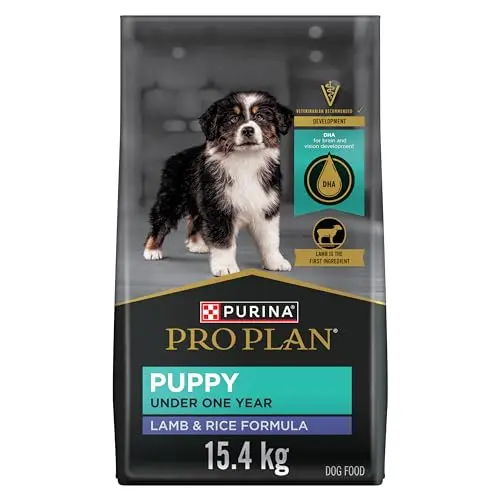
Development Lamb & Rice – Lean Muscle & Digestive Health
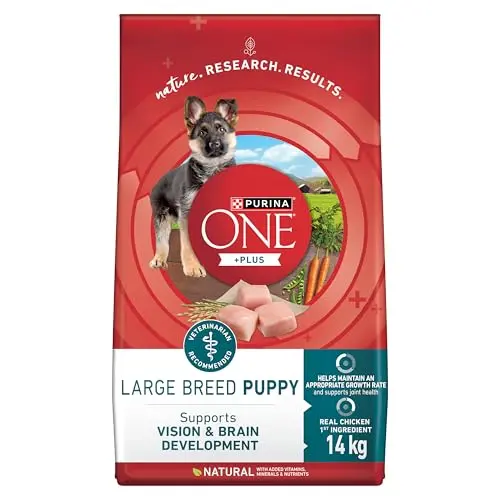
+Plus Large Breed Chicken – Joint & Growth Support
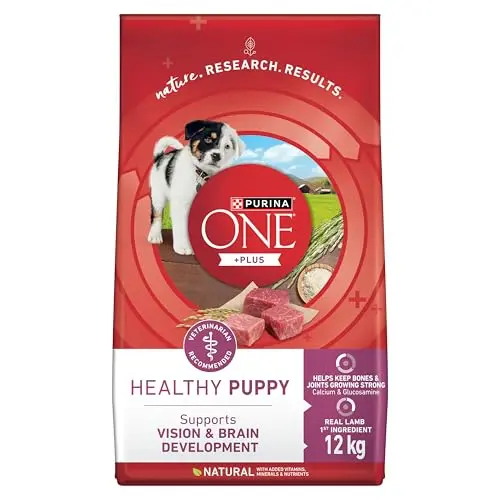
+Plus Healthy Puppy Lamb – Gentle Digestion
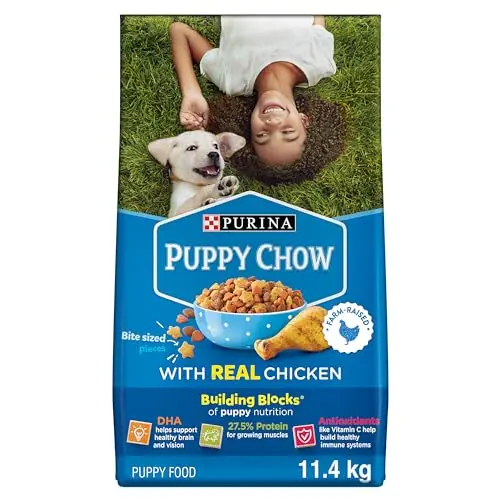
Complete with Chicken – Budget-Friendly Growth
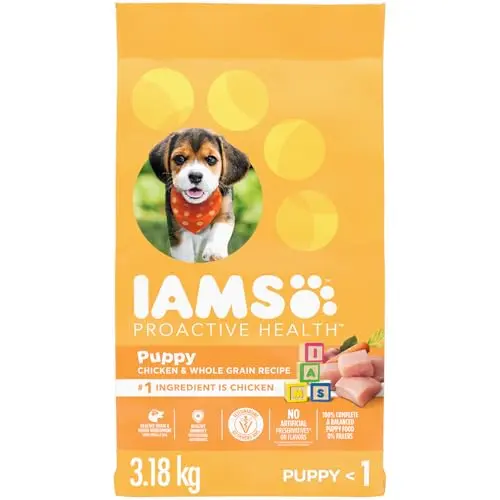
Proactive Health Puppy – Brain & Whole Body Nutrition
How We Evaluated These Dog Foods for Pitbull Puppies
We didn’t run these through laboratory nutrient analyses or long-term feeding trials. What we did: cross-referenced five puppy foods from four distinct brands across five decision axes – protein source and quality, joint support (glucosamine/chondroitin), brain-development DHA content, digestive-health features, and owner satisfaction signals. We triangulated published guaranteed analyses, ingredient decks, and aggregated owner feedback where available against the specific growth demands of pitbull puppies: rapid muscle development, joint resilience, and often-sensitive stomachs.
The scoring framework weighted nutritional fit for pitbull growth (60%) – how well each formula delivers high-quality protein and targeted support – against feature differentiation (40%) – unique extras like probiotics or breed-specific sizing. We have no commercial relationship with any of the brands featured; recommendations track real-world performance and ingredient quality, not brand preference. If you’re feeding a pitbull puppy, the Purina Pro Plan Development Lamb & Rice is our top pick. If joint health keeps you up at night, Purina ONE Large Breed Chicken is the clear alternative.
How to Choose the Right Dog Food for Pitbull Puppies
Protein Power: Why Muscle Building Matters for Pitbull Puppies
Pitbulls aren’t couch potatoes – they’re built for strength, and their puppy food needs to match. Look for a named animal protein (like chicken, lamb, or fish) as the first ingredient, with a crude protein percentage in the mid-to-high 20s. That protein fuels the rapid muscle development these dogs go through in their first year. Avoid formulas where meat meal leads but it’s an unnamed source (‘poultry meal’ is a red flag); you want to know exactly what your puppy is eating. The Purina Pro Plan Lamb and Purina ONE Large Breed both nail this with real lamb and chicken respectively.
Joint Support: Looking for Glucosamine and Chondroitin
Pitbulls can be prone to hip and elbow issues as they age, and the foundation is laid during puppyhood. While not every food includes joint supplements, some – like our Best for Joint Health pick, Purina ONE Large Breed – add natural sources of glucosamine. These compounds help cushion growing joints and may pay off in mobility down the line. If your chosen food doesn’t contain them, it’s easy to add a supplement, but getting it built-in simplifies your routine. Also pay attention to calcium and phosphorus ratios; large-breed formulas (even for medium-large dogs like pitbulls) often hit the sweet spot for controlled bone growth.
Digestibility and Sensitive Stomachs: What to Look For
Bully breeds frequently have delicate digestive systems, so ingredients that promote gut health matter. Probiotics – like those in the Pro Plan formula – are live microorganisms that support balanced gut bacteria, and owners report fewer episodes of loose stool. Easily digestible carbs like rice or oatmeal beat cheap fillers like corn and wheat that can trigger allergies or gas. Our Purina ONE Lamb pick is a standout here, with a gentle grain blend that won’t upset tummies. When switching foods, always transition over 7-10 days to avoid digestive chaos.
Large Breed vs. All Breed: Does Formula Matter?
You’ll see ‘large breed puppy’ on some labels; these typically have controlled mineral levels to prevent overly rapid bone growth. A full-grown pitbull can range from 30-70 lbs, straddling the line between medium and large. So is large-breed food appropriate? Generally, yes – especially if your pup’s parents are on the heavier side. It won’t harm a medium-sized pitbull, and the joint-friendly adjustments can be a net positive. If you prefer an ‘all breed’ formula, just ensure it isn’t skewed toward tiny teeth; our Pro Plan and Puppy Chow options are safe for any mouth size.
What to Avoid in Pitbull Puppy Food
Steer clear of artificial colours, flavours, and preservatives – they add nothing but chemical load. Skip ‘grain-free’ unless a vet diagnoses a specific allergy, because some grain-free diets are linked to heart issues in dogs. Watch out for excessive fillers like corn gluten meal that inflate protein numbers but offer poor digestibility. And be wary of foods that list a vague ‘meat meal’ without identifying the animal. The picks in this guide all use clear, named proteins and avoid questionable additives.
Frequently Asked Questions
What's the difference between Purina Pro Plan and Purina ONE for pitbull puppies?
Both are made by Nestlé Purina but sit at different tiers. Purina Pro Plan is the brand’s premium line, often featuring higher protein levels, added probiotics, and specialized recipes like sensitive skin or sport formulas. Our Pro Plan pick uses lamb as the first ingredient and includes guaranteed live probiotics – a step up for digestive health. Purina ONE is a step below in price but still delivers real meat first and targeted formulas (like large breed). It often includes glucosamine for joints, which Pro Plan lacks. So Pro Plan wins on overall quality, but Purina ONE earns its place with joint-conscious options. For most pitbull puppies, either is excellent; choose based on your priority – digestion or joints.
Is large breed puppy food appropriate for a pitbull?
How much protein should a pitbull puppy's food have?
When should I switch my pitbull from puppy to adult food?
Most pitbulls can transition to adult food between 12 and 18 months. The exact timing depends on their growth curve – if they’ve plateaued in height and are filling out with muscle, it’s time. Large-breed formulas might be used up to 18 months because they support slower, sustained growth. Watch your dog’s body condition: if they start carrying extra weight on a puppy formula, switching early to a lower-calorie adult food can prevent obesity. Always transition gradually over a week.
Final Verdict
For the vast majority of pitbull puppies, the Purina Pro Plan Development Lamb & Rice is the clear winner. It delivers high-quality lamb protein, brain-boosting DHA, and the digestive insurance of live probiotics – everything a growing bully breed needs. If you’re specifically concerned about joint health, the Purina ONE Large Breed Chicken adds glucosamine into the mix, making it our top joint-conscious pick. And if budget is the driving factor, the IAMS Proactive Health Puppy covers the basics at a price that won’t break the bank. Each of these foods respects the unique growth demands of pitbull puppies – now it’s just a matter of which fits your pup’s appetite and your priorities.