
If you’ve ever shared your home with a pitbull, you know they’re more than just muscle. They’re big-hearted, often goofy, and deeply attached to their people. But that robust build can come with a sensitive side – especially when it comes to digestion. Many pitbulls struggle with soft stools, gassiness, or periodic upset stomachs that leave you scrambling to figure out what’s actually in the bowl. We get it; you don’t want to feed a food that triggers yet another bout of tummy trouble.
The right diet can make all the difference. And we’re not talking about any single brand solving everything. It’s about matching your dog’s specific sensitivities with a formula designed to be gentle on the gut while still supporting that solid pitbull frame. In this guide, we’ve zeroed in on the dog foods that explicitly address digestive health – from prebiotic fiber blends to novel proteins – and paired them with what we know about the breed’s needs. No one-size-fits-all recommendations; just practical options for turning mealtime from a worry into a win.
Best Dog Foods for Pitbulls With Sensitive Stomachs – 2026 Reviews
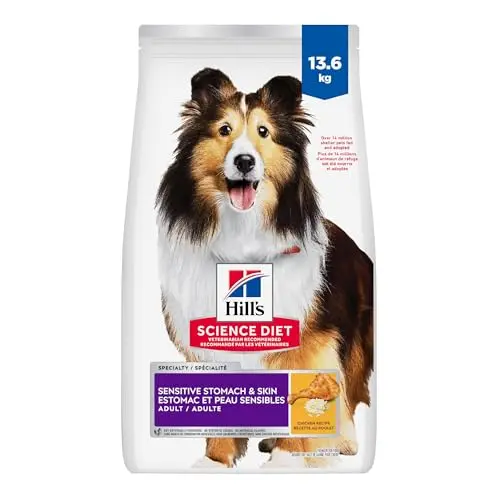
Sensitive Stomach & Skin Chicken Recipe – Gentle Digestion & Skin Health
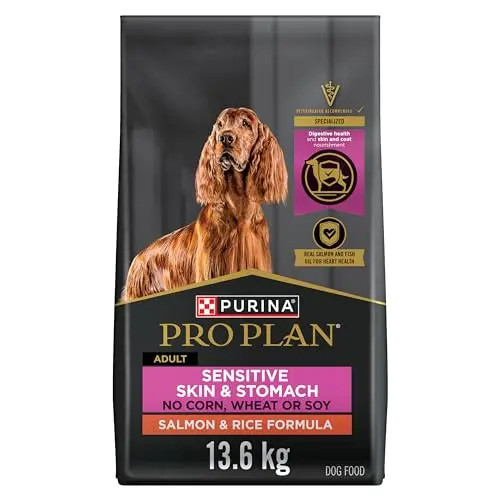
Sensitive Skin & Stomach Salmon & Rice – Omega-Rich Digestive Support
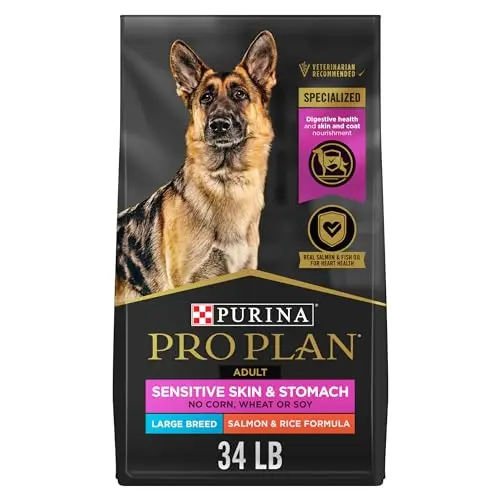
Large Breed Sensitive Skin & Stomach Salmon & Rice – Joint & Digestive Care
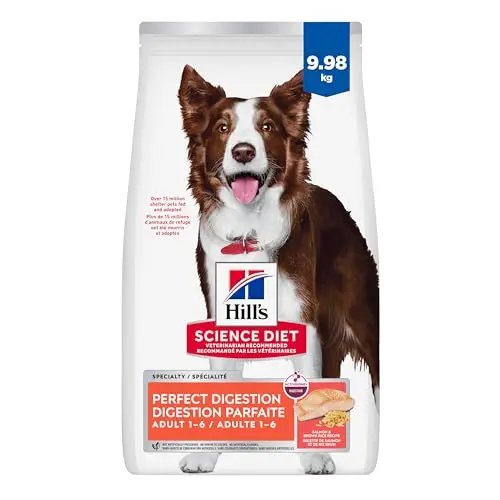
Perfect Digestion Salmon, Oats & Brown Rice – 7-Day Digestive Health
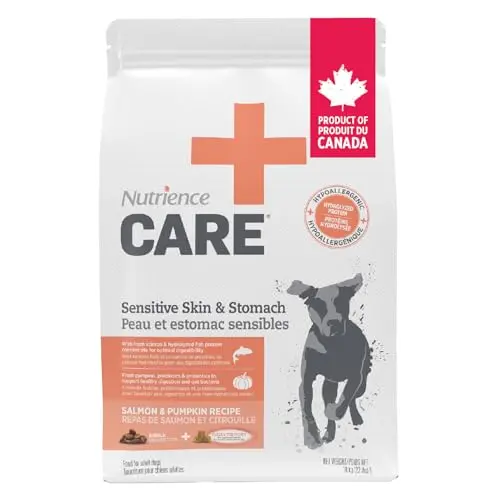
Sensitive Skin & Stomach Salmon – Grain-Free Digestive Support
How We Evaluated These Dog Foods for Pitbulls With Sensitive Stomachs
We did not perform controlled feeding trials or lab-based digestibility tests. What we did: cross-referenced 5 dog food formulas from 3 distinct brands across 6 key decision axes – ingredient quality, protein source and digestibility, prebiotic and probiotic support, breed-size appropriateness, owner-reported digestive outcomes, and skin/coat impact. We triangulated published nutritional profiles, veterinary-formulated claims, and aggregated owner feedback where available to build a practical, cross-brand picture.
The scoring framework weighted real-world digestive performance and breed fit (60%) – how well each food delivered on its stated stomach-sensitivity and pitbull-specific promises – against feature differentiation (40%) – unique technical advantages like added joint compounds, grain-free formulation, or rapid-action prebiotic blends. Our recommendations track which formula best matches different pitbull profiles and sensitivity levels, not brand allegiance. If your dog deals with daily tummy unease and skin flare-ups, the Hill’s Science Diet Sensitive Stomach & Skin is our most balanced starting point; if budget is a bigger factor and you’re open to a salmon base, the Purina Pro Plan Sensitive Skin & Stomach offers strong value without cutting corners.
How to Choose the Right Dog Food for Pitbulls With Sensitive Stomachs
Understanding Pitbull Digestive Sensitivities
Pitbulls aren’t inherently doomed to digestive drama, but their body type and genetic background can make them more prone to food sensitivities than some other breeds. Their deep chests put them at risk for bloat, and many have a tendency to eat quickly – both of which benefit from a highly digestible, moderate-fat formula that doesn’t sit heavily in the stomach. The breed is also overrepresented in allergy discussions, with common triggers including chicken, beef, wheat, and soy. A sensitive-stomach food typically addresses these vulnerabilities by excluding common triggers and including ingredients that soothe the gut lining, like prebiotic fibres and easily digestible carbohydrates (oat meal, barley, rice). When we talk about ‘sensitive stomach’ in this context, we’re really talking about a formula that minimizes fermentation in the gut and maximizes nutrient absorption.
Key Ingredients to Look For in Sensitive Stomach Dog Foods
Look for prebiotics like beet pulp, chicory root, or oat fibre – these feed healthy gut bacteria and help firm up stools. Probiotics (live beneficial bacteria) are a bonus, but prebiotics are the foundation. Novel proteins like salmon or lamb can be easier on a reactive system than common poultry. Omega-3 fatty acids, often from fish oil or flaxseed, reduce inflammation in the gut and skin. And digestible whole grains like brown rice or oatmeal provide gentle fibre without the irritation that corn or wheat might cause in sensitive dogs. Avoid foods with long ingredient lists full of by-products, unnamed animal fats, or artificial preservatives – the simpler, the better for a tricky tummy.
Grain-Free vs Grain-Inclusive: What's Best for Pitbulls?
This is one of the most common questions we hear. For most pitbulls with sensitive stomachs, grain-inclusive diets that use gentle, high-quality grains like oatmeal or brown rice are perfectly appropriate and even beneficial. The fibre from these grains supports stool quality. Grain-free diets aren’t inherently ‘better’ unless your dog has a confirmed grain allergy – true grain allergies are relatively rare. However, if you’ve done an elimination diet and grains are a trigger, a grain-free option like the Nutrience Care becomes valuable. More important than the grain-free label is the overall digestibility and protein source. Some dogs do better on rice; others do better on sweet potato. The key is to let your dog’s response guide you, not marketing.
Protein Sources That Are Gentle on the Stomach
Chicken is often the first protein we reach for, but it’s also the most common canine allergen. If your pitbull shows signs of skin irritation or loose stools on a chicken-based diet, a switch to salmon, fish, or lamb can be a game-changer. The Purina Pro Plan and Nutrience Care formulas both put salmon first, and owner feedback noted significant improvement in skin and digestive issues after making the switch. Novel proteins work because the dog’s immune system hasn’t been primed to react. Even within a brand, pay attention to the protein source. Hill’s Science Diet offers both chicken and salmon options; if one doesn’t click, you can pivot without abandoning a well-researched line.
Why Breed-Specific Formulas (Like Large Breed) Can Help
Pitbulls fall into a grey area – not always giant, but often muscular enough to benefit from large-breed considerations. Formulas labeled large breed often have adjusted calcium-phosphorus ratios for steady bone growth and added joint support like glucosamine and chondroitin. The Purina Pro Plan Large Breed Sensitive Skin & Stomach is a prime example: it answers the digestive question while addressing the long-term orthopedic health that a heavy, active dog needs. If your pitbull is over 50 lbs, these breed-tailored options can be a smarter long-term investment than an all-breed formula that might not support joint integrity as the dog ages.
Hill's Science Diet vs Purina Pro Plan: Which Sensitive Stomach Formula Wins?
Both brands offer compelling options, and honestly, the ‘winner’ depends on your dog’s specific profile. Hill’s Science Diet Sensitive Stomach & Skin uses a chicken-based recipe with a strong vet-recommended pedigree and tends to excel in everyday sensitivity where skin and digestion both need support. Purina Pro Plan’s salmon-based formula swaps the protein to a fish-forward recipe that adds omega-3s for joints – making it a better fit for dogs with suspected chicken sensitivities or those who need joint support. The large breed Pro Plan goes further with dedicated joint supplementation. If your pitbull tolerates chicken well and you want a clinic-proven staple, Hill’s is hard to beat. If you’re unsure about chicken or want a more comprehensive nutrient profile (joints + digestion + skin), the Pro Plan salmon line gets the nod.
How to Transition Your Pitbull to a New Food
A sudden switch is the fastest way to sabotage even the best sensitive-stomach formula. Plan a 7-10 day transition: start with 75% old food / 25% new for a couple of days, then 50/50, then 25/75, before going all-in. For extra-sensitive dogs, stretch this to two weeks. Adding a probiotic supplement or a spoonful of plain canned pumpkin during the change can smooth the process. Watch for signs like increased gas, loose stools, or itching – these aren’t necessarily a sign the new food is wrong, but may signal you need to slow down. And always keep fresh water available, especially when changing dry food brands.
Frequently Asked Questions
What's the difference between the Hill's Science Diet Sensitive Stomach & Skin and the Purina Pro Plan Sensitive Skin & Stomach?
The core difference lies in the protein source and added benefits. Hill’s uses chicken as its primary protein and leans on a prebiotic fiber blend (beet pulp) to support digestion, with vitamin E and omega-6 for skin. It’s widely recommended by veterinarians and suits dogs where chicken is well-tolerated. Purina Pro Plan uses salmon as the first ingredient, which can be a better fit for dogs with a chicken sensitivity. It also includes fish oil rich in omega-3 for joint health, plus easily digestible oat meal as a prebiotic. If your pitbull has both stomach and joint concerns, the Purina formula provides more comprehensive support. If skin irritation is the bigger issue and chicken works, Hill’s is often the first-line pick. Both are excellent; the right call depends on whether your dog does better with poultry or fish.
How does the Nutrience Care compare to the Purina Pro Plan for sensitive stomachs?
Nutrience Care is a grain-free, limited ingredient formula that emphasizes a novel protein (salmon) and a digestive health blend called Digestiboost with pumpkin, chicory root, turmeric, and probiotics. It’s ideal if you’ve identified a grain sensitivity or prefer a grain-free approach. Purina Pro Plan’s sensitive formula includes wholesome grains like oat meal as a digestible, prebiotic-rich carbohydrate. The Purina option generally has a stronger track record for firming stools, while Nutrience owners often report improvements in allergy-related skin and ear symptoms. The choice comes down to whether your pitbull needs the additional joint support and grain-inclusive fibre of Pro Plan, or the grain-free, Canadian-sourced freshness of Nutrience.
Are all sensitive stomach dog foods suitable for pitbulls?
Not necessarily. While a sensitive-stomach label indicates a formula is designed to be easily digestible, pitbulls have specific breed considerations that go beyond basic digestion. Their muscular build benefits from moderate-to-high protein, and their propensity for joint issues means foods with added glucosamine and chondroitin can be advantageous in the long run. A generic ‘sensitive stomach’ food might lack these joint supplements or be too low in calories for an active pitbull. Look for formulas that either explicitly mention large breed support or that provide a high-quality animal protein at a level that supports muscle mass. The Purina Pro Plan Large Breed variant is a perfect example of a sensitive-stomach kibble that also respects the physicality of a pitbull.
How quickly can I expect improvements in my pitbull's digestion after switching foods?
Many owners report seeing firmer stools within 3-7 days once their dog is fully transitioned to a sensitive-stomach formula, particularly if the new food includes prebiotics and a novel protein. Hill’s even markets its Perfect Digestion line with a ‘7-day’ promise. However, full resolution of skin issues or chronic digestive problems can take 4-8 weeks as the gut microbiome adjusts. A gradual transition is crucial, and adding a probiotic supplement can accelerate the process. If you don’t see improvement after three weeks, it may be worth trying a different protein source or consulting your vet about an elimination diet.
Final Verdict
For the majority of pitbull owners navigating a sensitive stomach, the Hill’s Science Diet Sensitive Stomach & Skin Chicken Recipe hits the sweet spot. It’s a vet-recommended, prebiotic-rich formula that consistently soothes both digestion and skin – a daily staple you can trust. If you’re budget-conscious and suspect a chicken sensitivity, the Purina Pro Plan Sensitive Salmon & Rice delivers comparable digestive relief with the added bonus of omega-3s for joints, all at a friendlier price. For the larger pitbull where joint health can’t be an afterthought, the Purina Pro Plan Large Breed version is purpose-built to cover stomach, skin, and mobility. And if a grain-free route fits your convictions or your dog’s specific needs, the Nutrience Care Salmon offers a thoughtfully crafted, Canadian-made alternative. Start with a gentle transition, watch the stool and the coat, and you’ll land on the right bowl.