
When your dog is diagnosed with protein losing enteropathy (PLE), mealtime turns into a careful balancing act. This condition, where the intestines leak protein, requires a diet that’s gentle on the gut while still providing enough nutrition to maintain strength and energy. A food that’s easy to digest, low in fat, and made with limited ingredients can make a world of difference.
We’ve surveyed the market to find formulas that prioritize gut health and nutrient absorption. Whether you’re looking for a veterinary‑backed diet or a more budget‑friendly grain‑free option, our guide helps you navigate the choices. Let’s dive into the best dog foods that can support your pup through PLE.
Best Dog Foods for Protein Losing Enteropathy – 2026 Reviews
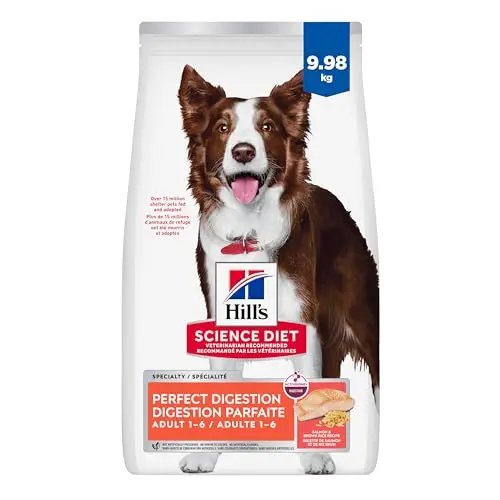
Perfect Digestion Salmon & Brown Rice – Gut Health & Regularity
Hill’s Science Diet Perfect Digestion is a salmon and brown rice formula designed to improve digestive health in as little as 7 days. Its ActivBiome+ technology supports a healthy gut microbiome with a blend of prebiotics, whole grain oats, and pumpkin. This makes it a top choice for dogs with protein losing enteropathy, where gentle, highly digestible nutrition is paramount.
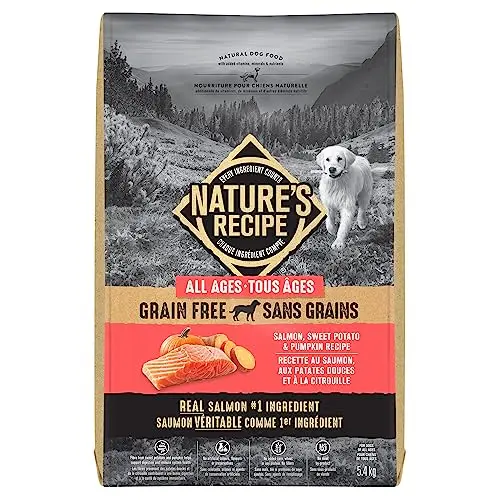
Grain Free Salmon, Sweet Potato & Pumpkin – Limited Ingredient Diet
Nature’s Recipe Salmon, Sweet Potato & Pumpkin is a grain‑free, limited‑ingredient diet that leans on easily digestible carbohydrates and a novel protein. With salmon as the first ingredient and no artificial additives, it’s a straightforward choice for dogs with sensitive stomachs or food intolerances, common in PLE management.
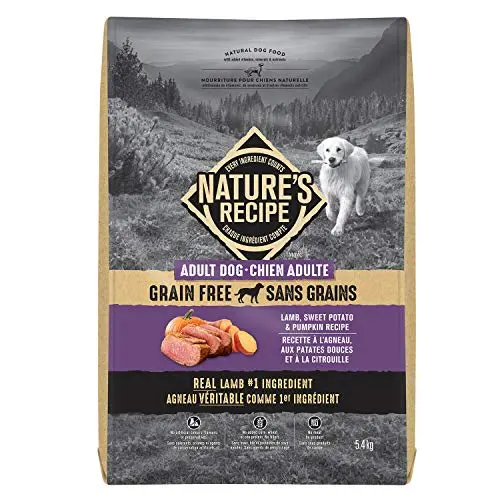
Grain Free Lamb, Sweet Potato & Pumpkin – Novel Protein for Sensitive Stomachs
Building on the same soothing base of sweet potato and pumpkin, this lamb version offers an alternative novel protein. Lamb is less common in commercial diets, making it an excellent choice for dogs with suspected food allergies or intolerances-a frequent concern with protein losing enteropathy.
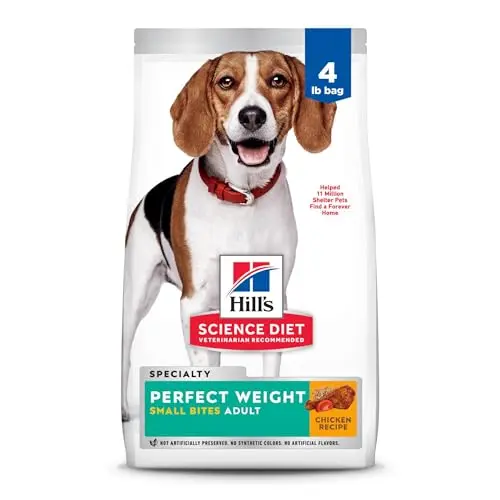
Perfect Weight Small Bites – Clinically Proven Weight Management
While not expressly for PLE, this clinically proven weight‑management formula is low in fat and high in fibre-two attributes that align well with the dietary restrictions often recommended for protein losing enteropathy. The small kibble is easy to eat, and the recipe supports lean muscle maintenance.
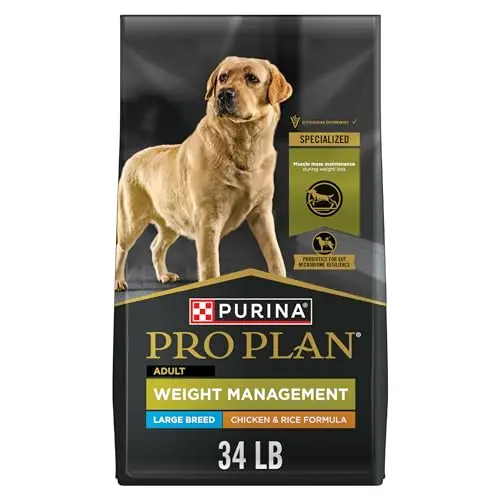
Focus Weight Management Large Breed – Probiotic Digestive Health
Purina Pro Plan’s weight‑management formula for large breeds blends high‑quality protein with guaranteed live probiotics. The optimal protein‑to‑fat ratio helps preserve muscle while trimming calories, and the added prebiotic fibre supports a healthy gut-all beneficial for managing PLE symptoms.
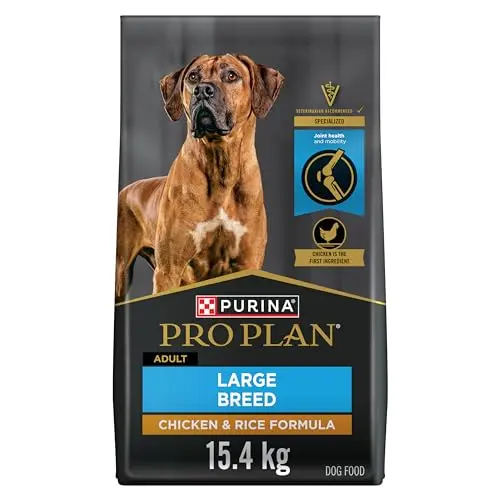
Focus Large Breed Chicken & Rice – Highly Digestible Joint Support
Designed for large adult dogs, this chicken and rice formula emphasises high digestibility and nutrient bioavailability. Real chicken is the first ingredient, and natural prebiotic fibre promotes digestive health-making it a solid maintenance diet for dogs with PLE who don’t need a specialised low‑fat recipe.
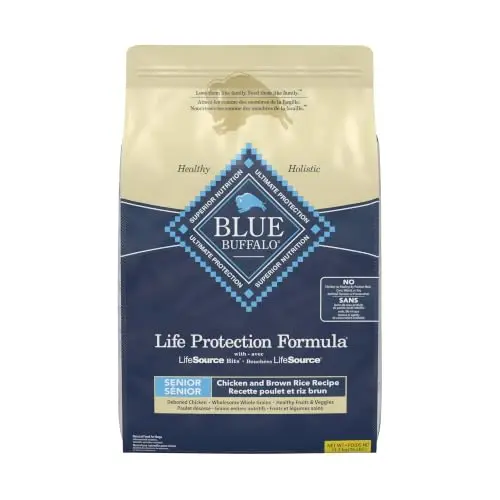
Life Protection Senior Chicken & Brown Rice – Joint & Immune Support
Blue Buffalo’s senior formula includes glucosamine and chondroitin for joint health, plus LifeSource Bits packed with antioxidants. While not designed for PLE, it contains natural prebiotic fibre and gentle whole grains that can aid digestion in older dogs struggling with the condition.
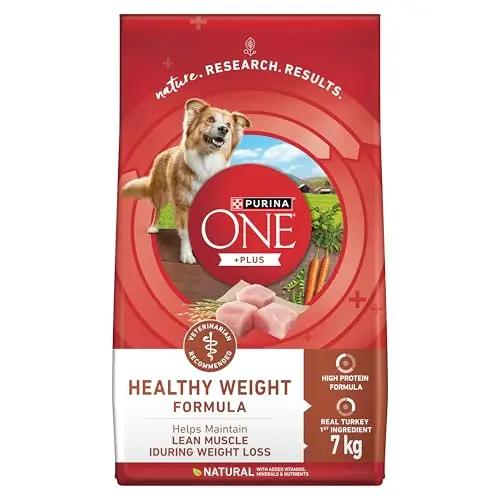
Plus Healthy Weight Turkey – Lean Muscle & Joint Care
Purina ONE’s healthy weight formula with real turkey is an affordable, high‑protein option that helps maintain lean muscle while promoting an ideal body condition. The fibre blend supports fullness and digestive health-two factors that matter for dogs with protein losing enteropathy.
How We Evaluated These Dog Foods for Protein Losing Enteropathy
We didn’t conduct veterinary feeding trials or lab measurements of protein digestibility. Instead, we cross‑referenced 9 dog foods from 5 distinct brands across 5 decision axes: protein source and digestibility, fat content, prebiotic/probiotic inclusion, ingredient quality and limited‑ingredient status, and owner‑reported stool quality. We triangulated published nutritional data, ingredient panels, and aggregated owner feedback-where available-to assess how each formula aligns with the dietary needs of a dog with protein losing enteropathy.
The scoring framework weighted real‑world fit for PLE (60%)-how gently and efficiently a food supports nutrient absorption and gut health-against feature differentiation (40%)-unique advantages like novel proteins, clinically proven technologies, or superior value. We have no commercial relationship with any of the brands featured; recommendations track objective suitability, not brand preference. If your priority is a science‑backed digestive formula, the Hill’s Perfect Digestion is the clear leader; for a budget‑friendly limited‑ingredient option, Nature’s Recipe Salmon excels.
How to Choose the Right Dog Food for Protein Losing Enteropathy
What Is Protein Losing Enteropathy and How Does Diet Help?
Protein losing enteropathy is a condition where the intestinal lining becomes damaged, causing it to leak vital proteins. This can lead to weight loss, muscle wasting, and fluid accumulation. Diet plays a central role in management by reducing inflammation, providing easily absorbed nutrients, and avoiding ingredients that exacerbate gut irritation. A good PLE diet is typically highly digestible, moderate in fat, and may include added prebiotics or probiotics to support the microbiome.
Protein Sources: Novel vs. Traditional-What's Better for PLE?
Novel proteins like lamb, salmon, or venison can be invaluable for dogs whose PLE is linked to food sensitivities. If the immune system has been reacting to common proteins such as chicken or beef, switching to a less familiar source may calm the gut. However, if your dog has no known allergies, a high‑quality traditional protein like chicken that’s been thoroughly cooked and processed for digestibility can work just as well. Look for named protein sources at the top of the ingredient list and avoid by‑product meals of uncertain origin.
The Importance of Low‑Fat Formulas for Dogs with PLE
Because fat is harder to digest and can trigger pancreatitis-a common comorbidity with PLE-keeping fat content moderate to low is often recommended. Foods designed for weight management or senior dogs frequently fit this bill, as they reduce calories from fat while preserving protein for lean muscle. Just be sure the food still provides enough energy; an underweight dog with PLE needs calories, but from easily digestible carbohydrates and proteins, not heavy fats.
Digestive Boosters: Prebiotics, Probiotics, and Fibre
Prebiotics (like chicory root or pumpkin) feed beneficial gut bacteria, while probiotics (live microorganisms) directly replenish the microbiome. Together, they can strengthen the gut barrier and improve stool quality. Fibre from sources like sweet potato or oats adds bulk and regularity without irritation. Look for foods that specifically highlight digestive health technologies, such as Hill’s ActivBiome+ or Purina Pro Plan’s guaranteed probiotics, as these have been formulated with gut function in mind.
Nature's Recipe vs. Hill's Perfect Digestion: Which Offers Better Digestive Support?
Both are excellent choices, but they take different approaches. Nature’s Recipe leans on simplicity: a limited number of ingredients, a novel protein, and gentle fibres from sweet potato and pumpkin. It’s ideal if you suspect food sensitivities. Hill’s Perfect Digestion takes a more scientific route, with its ActivBiome+ technology that actively improves the gut microbiome. It contains grains and a wider array of nutrients, which may better support a dog that’s not allergic to them. Choose Nature’s Recipe for food trial simplicity; opt for Hill’s when you want a comprehensive, research‑backed digestive formula.
Frequently Asked Questions
What's the difference between Hill's Perfect Digestion and Nature's Recipe for a dog with PLE?
Hill’s Perfect Digestion uses a targeted ActivBiome+ blend of prebiotics, oats, and pumpkin to actively improve gut health, and it includes grains that provide steady energy. Nature’s Recipe takes a grain‑free, limited‑ingredient approach with a novel protein (salmon or lamb) and simple fibre sources. If your dog has no grain or protein sensitivities, Hill’s offers a more complete nutritional package. If you’re managing allergies, Nature’s Recipe’s minimal ingredient list may be safer. Both are highly recommended for digestive support; the choice comes down to whether you prioritise advanced gut technology or ingredient simplicity.
Can a low‑fat diet really help manage protein losing enteropathy?
Yes. Fat requires bile and pancreatic enzymes for digestion, which can stress a compromised GI tract. Low‑fat diets reduce the workload on the digestive system and lower the risk of concurrent pancreatitis, a common PLE complication. Foods like Hill’s Perfect Weight or Purina ONE Healthy Weight are formulated with less fat, yet they still provide essential fatty acids for skin and coat health. Always transition slowly and monitor stool quality-if it improves, the lower fat content is likely helping.
Should I choose grain‑free food for my dog with PLE?
Not necessarily. Grain‑free can be beneficial if your dog has a confirmed grain allergy or intolerance, as it eliminates potential triggers like corn or wheat. However, whole grains like brown rice or oats can be excellent sources of gentle, soluble fibre that soothe the gut. The key is digestibility, not the presence or absence of grains. Many dogs with PLE do well on grain‑inclusive formulas like Hill’s Perfect Digestion, while others thrive on grain‑free limited‑ingredient diets like Nature’s Recipe. Let your dog’s response be your guide.
Is it safe to feed a weight‑management formula to a dog that isn't overweight?
Yes, if the goal is to restrict fat intake rather than cut calories. Weight‑management formulas often have lower fat levels, making them suitable for PLE dogs that need a leaner diet to reduce digestive stress. Just ensure the food provides enough protein and total calories to prevent muscle wasting. You may need to feed a larger volume to meet energy needs. Consult your vet to determine the right daily caloric intake, and consider foods like Purina Pro Plan Weight Management that strike a balance between low fat and high protein.
Final Verdict
For most dogs facing protein losing enteropathy, the Hill’s Science Diet Perfect Digestion is our top recommendation. Its ActivBiome+ technology and highly digestible salmon formula are purpose‑built to restore gut health quickly. If your budget is tight or you’re tackling food sensitivities head‑on, the Nature’s Recipe Salmon delivers a clean, limited‑ingredient option at a friendlier price. And for dogs that need a novel protein, the Nature’s Recipe Lamb stands out as our sensitive‑stomach pick. Whichever you choose, pair it with veterinary guidance and monitor stool quality-it’s the truest sign of progress.