
Feeding a schnoodle isn’t just about filling a bowl. These smart, sometimes picky crossbreeds come with their own quirks-small mouths, a tendency toward food sensitivities, and an energy level that can make weight management tricky. Get it right, and you’ve got a happy dog with a shiny coat and good digestion. Get it wrong, and you’re cleaning up after a pup with itchy skin, loose stools, or a few extra pounds.
We dug into the options across brands to find dog foods that match a schnoodle’s needs. Kibble size, protein quality, and whether a formula caters to allergies or weight control can make all the difference. This guide walks you through our top picks-from a clinically proven weight-management star to a limited-ingredient option for tummy troubles-so you can choose confidently.
Best Dog Foods for Schnoodles – 2026 Reviews
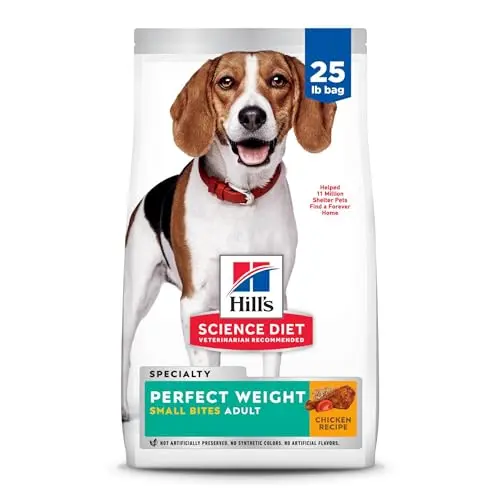
Science Diet Adult Perfect Weight Small Bites – Weight Management Champion
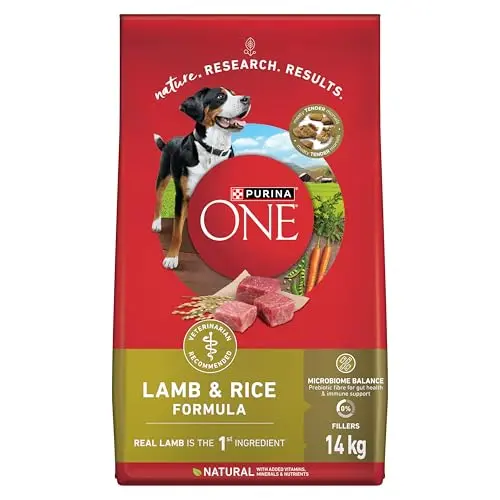
ONE Microbiome Balance Lamb & Rice – Digestive & Joint Support
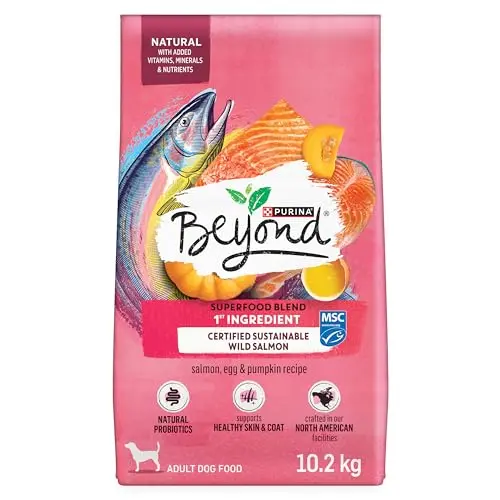
Superfood Blend Salmon, Egg & Pumpkin – Allergy-Friendly Formula
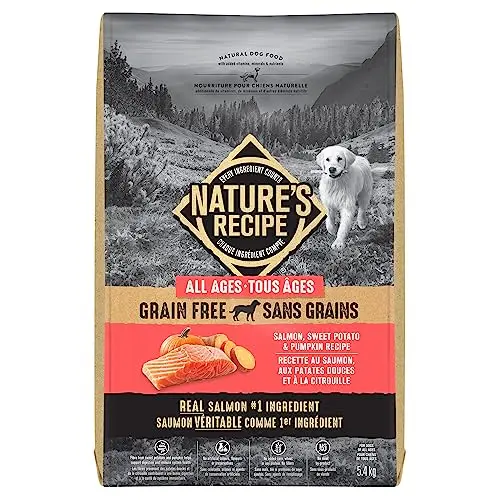
Grain Free Salmon, Sweet Potato & Pumpkin – Limited Ingredient Diet
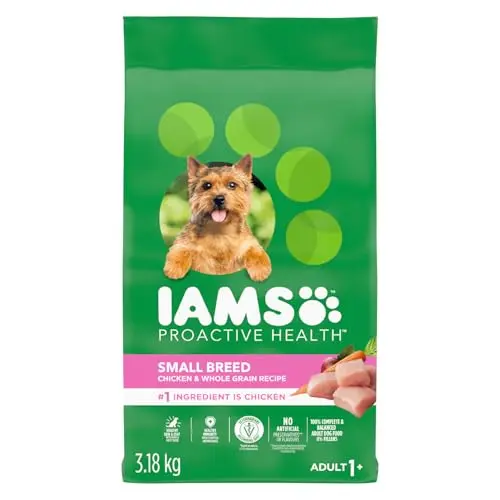
Proactive Health Small Breed Chicken & Whole Grain – Small Dog Specialist
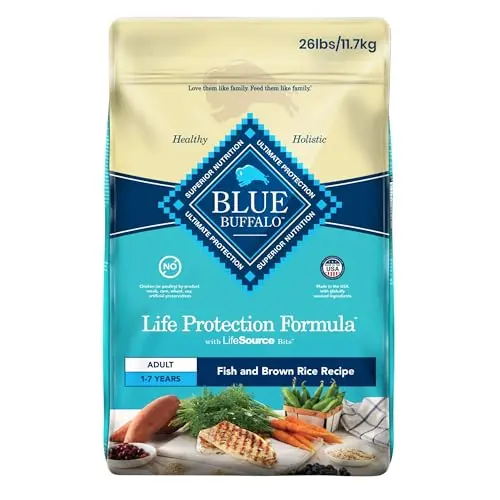
Life Protection Formula Fish & Brown Rice – Skin & Coat Care
How We Evaluated These Dog Foods for Schnoodles
We didn’t run feeding trials or allergy panels on schnoodles. What we did: cross-referenced 6 dog foods from 6 brands across 5 key dimensions-protein quality, kibble size, digestive support, special dietary needs (weight management, allergies), and ingredient transparency. We triangulated published nutritional analyses, ingredient lists, and aggregated owner feedback where available to gauge palatability and tolerance.
The scoring framework weighted real-world fit for schnoodles (60%)-how well each formula addresses the breed’s common concerns like small mouths, food sensitivities, and weight gain-against feature differentiation (40%)-unique benefits such as clinically proven weight loss or microbiome-focused digestion. We have no commercial relationship with any brand; these picks are based on fit, not favouritism. If a schnoodle needs help shedding pounds, the Hill’s Science Diet Perfect Weight Small Bites is the clear frontrunner. For a more budget-friendly digestive support option, the Purina ONE Microbiome Balance is a strong runner-up.
How to Choose the Right Dog Food for Your Schnoodle
What Schnoodles Need in Their Diet
Schnoodles inherit traits from both schnauzers and poodles: they’re intelligent, active, and sometimes prone to food allergies or sensitivities. A high-quality protein source should be the first ingredient you see on the bag-chicken, lamb, or fish are common. Look for added omega fatty acids for skin and coat health, and avoid artificial colours, flavours, or preservatives. A complete and balanced formula labelled for adult maintenance covers the basics, but schnoodles may benefit from extra joint support or digestive aids as they age.
The Importance of Kibble Size for Small Schnoodles
Many schnoodles are on the smaller side, and kibble size matters more than you’d think. Large biscuits can be hard to chew and may even pose a choking risk. Formulas marketed for small breeds, like the IAMS Proactive Health Small Breed with its petite kibble, are often a better fit. Even among all-breed foods, check the size: some, like Hill’s Science Diet Perfect Weight Small Bites, are intentionally sized for tiny mouths. If your schnoodle gulps food or seems reluctant to eat, trying a smaller kibble can make a big difference.
Managing Food Allergies and Sensitivities
Schnoodles can inherit a predisposition to allergies from both parent breeds. Itchy skin, ear infections, and digestive upset are common red flags. A limited-ingredient diet, such as the Beyond Superfood Blend Salmon or the grain-free Nature’s Recipe Salmon, can help you isolate triggers. Eliminating common allergens like corn, wheat, soy, and poultry by-products is often the first step. Novel proteins-fish, lamb, or venison-are less likely to cause reactions. If symptoms persist, a vet-guided elimination trial is the gold standard.
Weight Management for Healthy Schnoodles
With their moderate energy and love of treats, schnoodles can easily gain weight. Obesity strains joints, worsens breathing, and shortens lifespan. Choose a formula with balanced calories and high-quality protein to support lean muscle while cutting fat. The Hill’s Science Diet Perfect Weight is clinically proven to help dogs lose weight in 10 weeks, thanks to its fibre blend and L-carnitine. Avoid free-feeding your schnoodle, and measure portions carefully based on the feeding guide on the bag.
Grain-Free vs. Grain-Inclusive: What's Best?
The grain-free debate can be confusing. While some schnoodles genuinely need grain-free diets due to allergies, most do fine with quality grains like brown rice or oatmeal. Whole grains provide fibre and energy, and they’re often gentler on the stomach than pulses used in some grain-free recipes. If your dog isn’t showing signs of a grain allergy, a grain-inclusive option like Purina ONE Microbiome Balance can be a more balanced and cost-effective choice. Always consult your vet before switching to a grain-free diet, as recent studies have raised concerns about potential links to heart issues in some dogs.
Frequently Asked Questions
What's the best dog food for a schnoodle with allergies?
If your schnoodle is constantly scratching, licking paws, or getting ear infections, start with a limited-ingredient diet that features a novel protein like salmon. Beyond Superfood Blend Salmon, Egg & Pumpkin eliminates corn, wheat, soy, and poultry by-product meal-common allergens. For a grain-free option, Nature’s Recipe Grain Free Salmon uses sweet potato and pumpkin as carb sources. Both are rich in omega fatty acids to soothe inflamed skin. Introduce any new food slowly over 7-10 days, and keep a symptom diary to track improvement. If symptoms persist, see your vet for a proper allergy workup.
How does the Hill's Science Diet Perfect Weight compare to Purina ONE Microbiome Balance for a schnoodle?
These two serve different purposes. Hill’s Science Diet Perfect Weight Small Bites is purpose-built for weight loss, with clinical studies showing most dogs shed excess pounds in 10 weeks. Its small kibble suits petite schnoodles. Purina ONE Microbiome Balance focuses on digestive and joint health through prebiotic fibre and glucosamine. While it can help with weight indirectly by improving gut health, it isn’t a dedicated weight-loss formula. Choose Hill’s if your schnoodle needs to slim down; go with Purina ONE if digestion or stiffness is the main concern and weight is already ideal.
Is grain-free dog food necessary for schnoodles?
Not unless your schnoodle has a confirmed grain allergy or intolerance. Most schnoodles digest grains like brown rice or oatmeal without issue, and these whole grains provide valuable nutrients. The recent FDA investigation into grain-free diets and dilated cardiomyopathy (DCM) in dogs suggests caution-especially with formulas heavy in peas, lentils, or potatoes. If you choose grain-free, rotate brands or consult your vet regularly. For the average schnoodle, a high-quality grain-inclusive food like Blue Buffalo Life Protection Fish & Brown Rice is often a safer, well-rounded choice.
Do schnoodles need small-breed specific dog food?
Many schnoodles fall into the small-breed category (under 20 lbs), so a small-breed formula can be beneficial. Small-breed foods typically have smaller kibble that’s easier to chew and digest, plus higher calorie density to match a faster metabolism. The IAMS Proactive Health Small Breed is a strong example, designed for dogs under 20 lbs with a digestive health pledge. Even if your schnoodle is slightly larger, small-breed mixes like the Hill’s Science Diet Perfect Weight Small Bites still work well because of their kibble size and nutrient profile.
What's the difference between Beyond Superfood Blend and Nature's Recipe Grain Free for food sensitivities?
Both are salmon-based, limited-ingredient options, but they have key differences. Beyond Superfood Blend is grain-inclusive, using oatmeal and pumpkin for fibre, and it lacks poultry by-product meal. It’s ideal for schnoodles with common protein allergies but no grain issues. Nature’s Recipe Grain Free omits all grains, relying on sweet potatoes and pumpkin for carbs, making it suitable for dogs with grain-specific sensitivities. The Beyond formula includes egg, which could be an additional allergen for some dogs. Pick Nature’s Recipe if you suspect grains are the culprit; otherwise, Beyond offers a slightly more affordable, broader approach.
Final Verdict
For most schnoodles, the Hill’s Science Diet Perfect Weight Small Bites is the standout pick. Its clinically proven weight management and tiny kibble address two of the breed’s biggest challenges directly. If allergies or itching dominate, swap to the Beyond Superfood Blend Salmon for a limited-ingredient reset. And for a budget-friendly small-breed specialist, the IAMS Proactive Health Small Breed delivers reliable digestion support. Whichever you choose, pair it with measured portions and regular vet check-ins-your schnoodle’s health will thank you.