
When your pup starts limping after a walk or struggles to jump onto the couch, it’s a wake‑up call. Those extra pounds don’t just slow them down-they quietly stress hips, knees, and elbows, making every step a little harder. Finding the right food can turn things around: a targeted weight‑management formula that also puts real muscle behind joint support.
But not all weight‑loss foods are created equal. The best ones balance protein to preserve lean muscle with controlled calories, and they pack ingredients like glucosamine, EPA, and omega‑3s that actively soothe achy joints. Size matters too-large‑breed dogs need bigger kibble and extra hip love, while tiny eaters demand small bites that are easy to chew.
We cut through the marketing and zeroed in on formulas that genuinely help dogs slim down and move more freely. Whether you’re managing a portly Lab or a plump Chihuahua, our cross‑brand survey points you straight to the bowl that fits.
Best Dog Foods for Weight Loss and Joints – 2026 Reviews
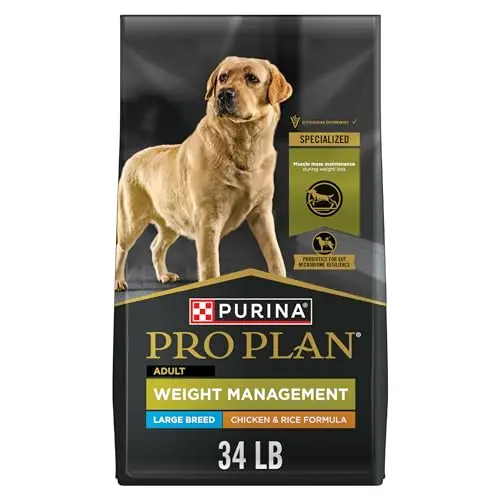
FOCUS Weight Management Large Breed – Protein‑Rich Joint & Weight Support
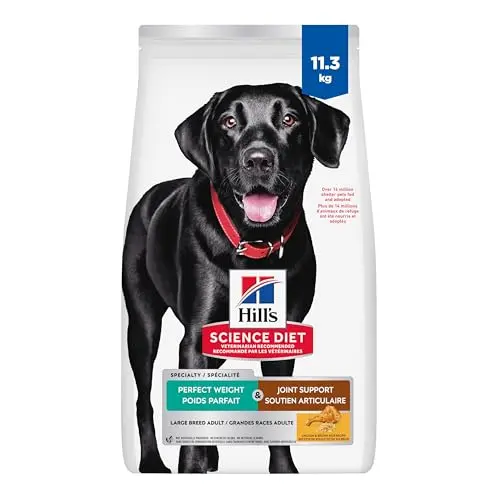
Perfect Weight & Joint Support Large Breed – Clinically Proven Weight Loss & Hip Health
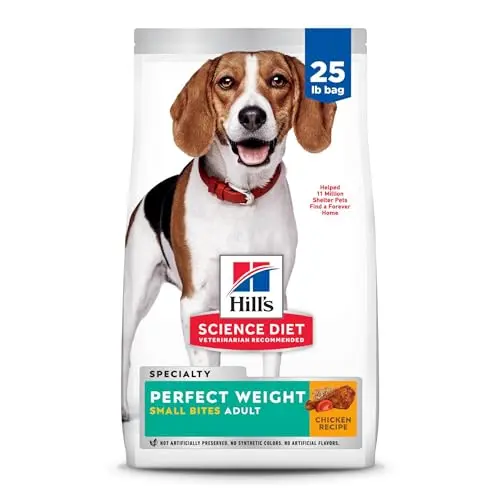
Perfect Weight Small Bites – Tiny Kibble for Small Breed Weight Loss
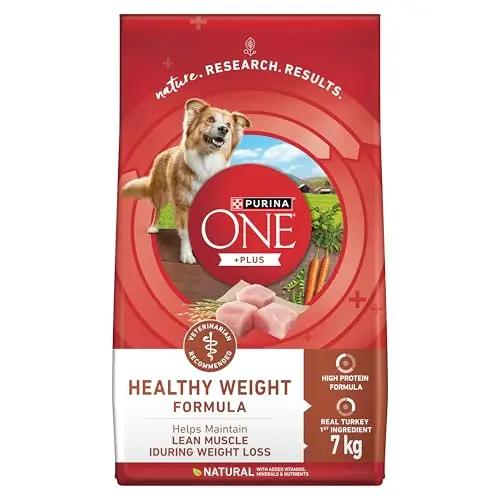
Healthy Weight Turkey – Glucosamine‑Rich Value Pick
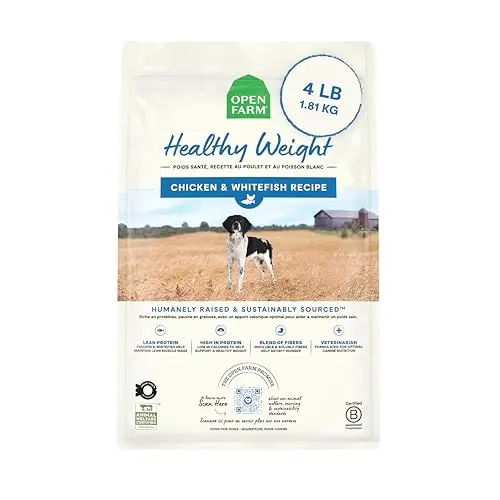
Healthy Weight Chicken & Whitefish – Premium Joint & Metabolism Support
How We Evaluated These Dog Foods for Weight Loss and Joints
We didn’t run controlled lab trials on a colony of dogs. What we did: cross‑referenced 5 dry dog foods from 4 distinct brands across 6 decision axes-weight management efficacy, joint support ingredients, protein quality, kibble size suitability, owner satisfaction, and digestive health support. We triangulated published specifications, aggregated owner feedback where available, and use‑case fit against the demands of weight loss combined with joint care.
The scoring framework weighted real‑world performance (60%)-how well each option delivered on its stated weight and joint claims-against feature differentiation (40%)-unique advantages like breed‑specific kibble, clinical proof, or sustainable sourcing. We have no commercial relationship with any of the brands featured; recommendations track fit and differentiation, not brand preference. Dogs need to slim down and move better, and every food here was pressure‑tested against that dual goal. If your pup is a large‑breed dog facing weight and joint challenges, the Pro Plan FOCUS Large Breed is our top pick.
How to Choose the Right Dog Food for Weight Loss and Joints
Why Weight Management is Critical for Joint Health
Extra pounds multiply the load on your dog’s joints with every step. For a dog carrying just five extra kilograms, that’s like a human lugging an extra 15 kilograms up a flight of stairs-day in, day out. This chronic stress accelerates cartilage breakdown and can turn minor stiffness into full‑blown arthritis. A food that tackles weight first actually helps the joints indirectly, making calorie control ground zero for any joint‑care plan.
Key Ingredients That Support Joints During Weight Loss
Look beyond the calorie count for ingredients actively flagged for joint health. Glucosamine and chondroitin are the heavy hitters; they supply the building blocks cartilage needs to stay springy. EPA, an omega‑3 fatty acid found in fish oil, works as a natural anti‑inflammatory, helping to quiet achy knees and hips. Some formulas add L‑carnitine, which boosts metabolism so your dog burns fat while preserving muscle-a double win. If you see these on the label, you’re on the right track.
Calorie Control vs. Protein Balance: What Matters for Lean Muscle
Cutting calories shouldn’t mean cutting corners on protein. Dogs losing weight still need amino acids to maintain lean muscle mass, which in turn supports healthy joints by acting as shock absorbers. A high‑protein formula (where meat or fish is the first ingredient) with a moderate fat level strikes the best balance. Fibre blends (like beet pulp or wheat bran) add bulk, helping your dog feel full while taking in fewer calories. This combo prevents the dreaded weight‑loss slump where a dog loses muscle along with fat.
How to Pick the Right Formula for Your Dog's Size
Kibble size and nutrient density change dramatically between breed sizes. Large‑breed dogs need bigger pieces to encourage chewing (slowing down fast eaters) and often require extra glucosamine for their heavy frames. Small‑breed formulas use tiny, easy‑to‑crunch kibble and pack more calories per cup to suit faster metabolisms. Feeding a Chihuahua a large‑breed weight food risks dental issues and overfeeding, while a Lab on a miniature bite won’t feel satisfied. The Hill’s Perfect Weight & Joint Support Large Breed is purpose‑built for big dogs, and the Perfect Weight Small Bites nails it for tiny companions.
Grains, Grain‑Free, and Digestive Sensitivities in Weight Management Foods
Weight management doesn’t automatically mean grain‑free. Whole grains like brown rice or oats provide steady energy and dietary fiber that aids digestion-a bonus when you’re rebalancing your dog’s intake. Grain‑free options often substitute legumes or potatoes, which can work well for dogs with specific sensitivities but may not offer the same satiety. If your dog has a known grain allergy, go grain‑free; otherwise, a wholesome grain‑inclusive formula like the Pro Plan or Purina ONE lines is a safe, budget‑friendly bet.
Pro Plan vs. Hill's: Which Brand's Weight & Joint Approach Fits Your Dog?
These two brands dominate the weight‑plus‑joint space, but they take different routes. Pro Plan leans on high protein and a strong probiotics backbone, which seems to give dogs better digestive stamina during diet changes. Hill’s Science Diet invests heavily in clinical weight‑loss trials and precise calorie targets, with visible results promised in 10 weeks. If your dog needs overall digestive fortification and large‑breed joint care, Pro Plan is a solid choice. If you want a date‑stamped, clinically backed plan-especially with dedicated hip support-Hill’s delivers. Both are excellent; the tiebreaker is whether your priority is digestive add‑ons or a faster, track‑able weight drop.
Budget‑Friendly vs. Premium Weight & Joint Foods: Is the Splurge Worth It?
You don’t need to spend a premium to get genuine joint and weight support. The Purina ONE Healthy Weight proves that glucosamine‑packed, high‑protein formulas can be very affordable. Premium picks like Open Farm offer traceable ingredients, grain‑free formulas, and a feel‑good sourcing story-but the base nutritional science is comparable. If your dog has no specific sensitivities and you’re on a budget, there’s no need to overspend. Splurge when ethical sourcing, grain‑free needs, or a vet‑formulated recipe matters to you.
Frequently Asked Questions
What's the difference between Purina Pro Plan and Hill's Science Diet for weight and joint support?
Both brands offer targeted formulas, but the approach differs. Pro Plan FOCUS prioritizes a high‑protein ratio with live probiotics, making it a strong pick for dogs that need digestive support alongside weight and joint care. Hill’s Science Diet emphasizes clinically proven weight loss (70% of dogs show results in 10 weeks) and specific hip‑and‑joint blends rich in fish oil. If your dog has a sensitive stomach, lean Pro Plan; if you want a quick, measurable weight drop with dedicated joint‑soothing ingredients, Hill’s is tough to beat.
Is Purina ONE Healthy Weight as effective as Pro Plan FOCUS for joints?
They’re from the same parent company, but they sit at different tiers. Purina ONE Healthy Weight includes natural sources of glucosamine, which supports joints, but it lacks the higher‑dose EPA and specific chondroitin‑boosting complex of Pro Plan FOCUS. For a young, otherwise healthy dog that just needs to shed a few pounds, Purina ONE offers excellent value. For dogs already showing stiffness or breed‑related joint concerns, the Pro Plan FOCUS Large Breed provides more robust joint care.
Can small‑breed dogs eat large‑breed weight management food?
It’s not recommended. Large‑breed formulas use bigger kibble that can be hard for small mouths to crunch, and the nutrient balance isn’t tuned for tiny metabolisms. Small dogs burn energy faster and need a smaller, calorie‑dense bite to avoid under‑eating. Stick to a small‑breed formula like the Hill’s Perfect Weight Small Bites for the right kibble size and nutritional support.
How fast will my dog lose weight on these foods?
Healthy weight loss is typically 1-2% of body weight per week, but it varies by dog. Hill’s Science Diet claims visible results within 10 weeks, and many owners confirm this. To start, feed the recommended amount for your dog’s target weight (not current weight), and adjust after two weeks if progress stalls. Always consult your vet, especially if your dog has a lot to lose or joint pain-they can set a safe pace and rule out underlying conditions.
Do these dog foods really help with joint pain, or just weight loss?
They do both, but the effect is gradual. Ingredients like glucosamine, EPA, and omega‑3s are proven to reduce inflammation and support cartilage repair over time. As your dog loses weight, the physical load on joints lessens, which immediately eases discomfort. Together, the nutritional and mechanical benefits work in tandem-you’ll likely notice improved mobility 4-6 weeks into the new diet. For severe arthritis, a dedicated joint supplement alongside a weight food may give the best outcome.
Final Verdict
For most dogs hauling extra weight and starting to show joint stiffness, the Pro Plan FOCUS Large Breed is the complete package-real protein, proven probiotics, and a joint‑support mix of glucosamine plus EPA. If your large dog already has diagnosed hip issues and you want a clinically backed timeline, the Hill’s Perfect Weight & Joint Support is purpose‑built for that scenario. Small pups thrive on the bite‑sized Hill’s Perfect Weight Small Bites, while the Purina ONE Healthy Weight covers the fundamentals without draining your wallet. For those who prioritize ethically sourced, grain‑free nutrition, the Open Farm pick rounds out a solid lineup. Choose based on your dog’s size, joint needs, and your budget-and you’ll see a lighter, more limber companion in no time.