
If your corgi has ever turned up their nose at breakfast or scratched relentlessly after dinner, you know that finding the right dry food isn’t just about filling the bowl. Corgis are charming, compact herding dogs, but they come with a unique set of dietary tendencies: sensitive stomachs, a knack for putting on weight, and skin that flares up at the slightest imbalance. The right kibble can make all the difference between a happy, energetic companion and one that’s constantly uncomfortable.
We sifted through the top dry dog foods on the market to find the ones that best align with a corgi’s needs. Our picks focus on digestibility, skin and coat support, and ingredient quality – all filtered through the lens of what real corgi owners and veterinary research tell us. Whether you’re managing a sensitive tummy, a dull coat, or just want to keep your corgi in top shape, this guide will help you choose a food that works as hard as your dog plays.
Below, you’ll find our 10 top choices, broken down by what they do best. From overall winners to budget-friendly staples, there’s a bowl waiting for every corgi.
Best Dry Dog Food for Corgis – 2026 Reviews
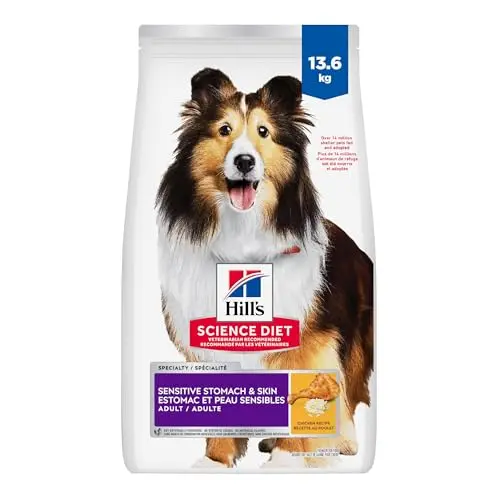
Sensitive Stomach & Skin Chicken Recipe – Gentle on Digestion and Coat
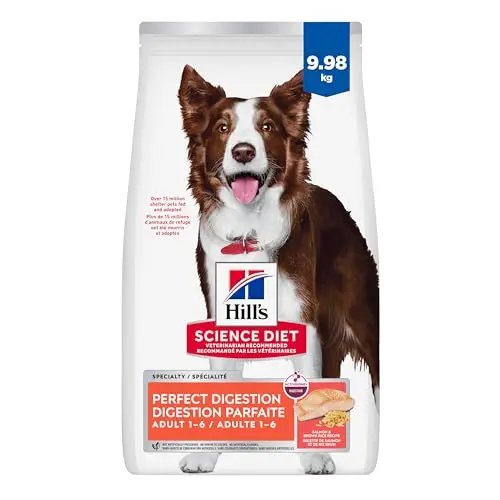
Perfect Digestion Salmon Recipe – Promotes Healthy Stools in 7 Days
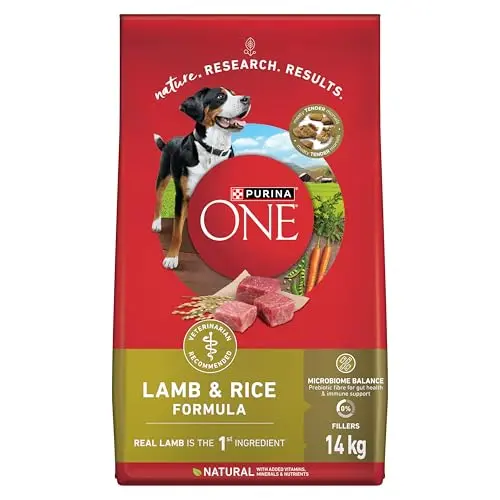
Microbiome Balance Lamb & Rice – Digestive Support & Immune Health
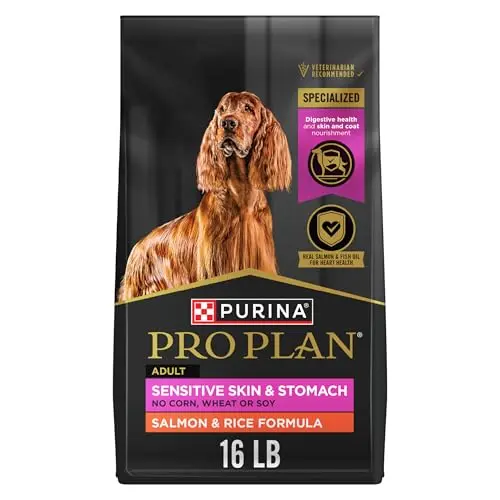
Sensitive Skin & Stomach Salmon & Rice – Omega-Rich Formula
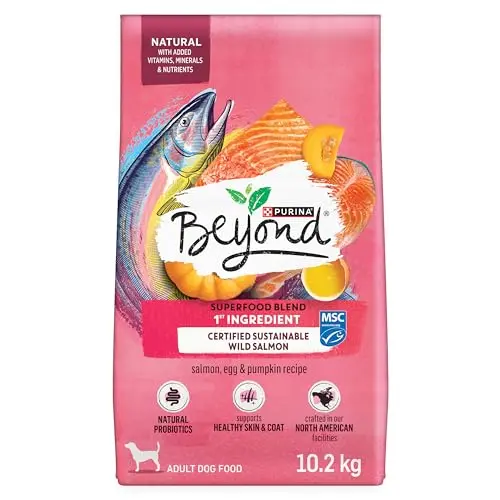
Superfood Blend Salmon, Egg & Pumpkin – Limited Ingredient Diet

True Instinct High Protein Beef & Salmon – Muscle Support
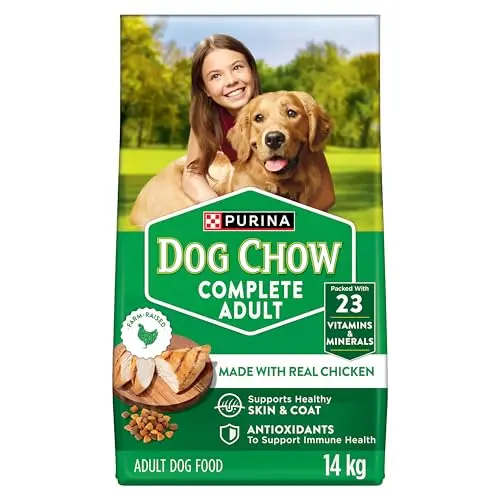
Complete Chicken Recipe – Affordable Everyday Nutrition
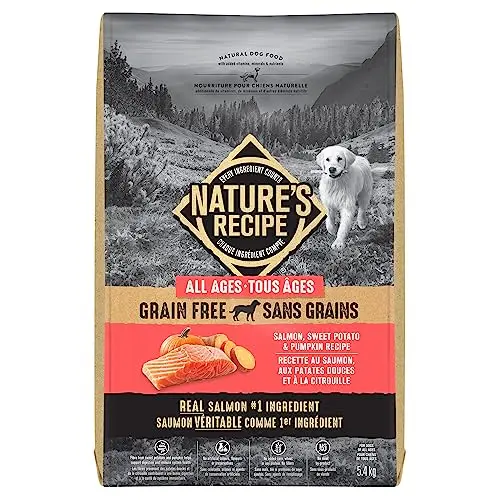
Grain Free Salmon, Sweet Potato & Pumpkin – Sensitive Formula
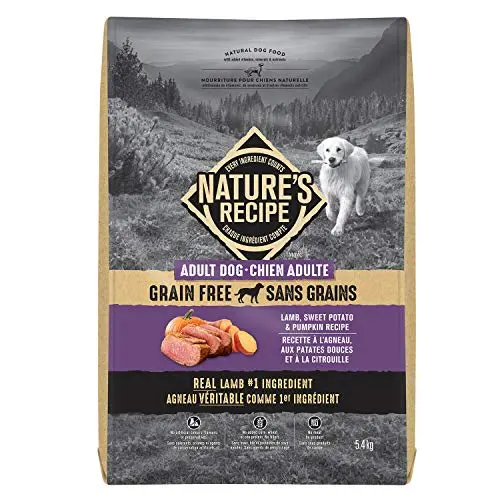
Grain Free Lamb, Sweet Potato & Pumpkin – Joint & Immune Support
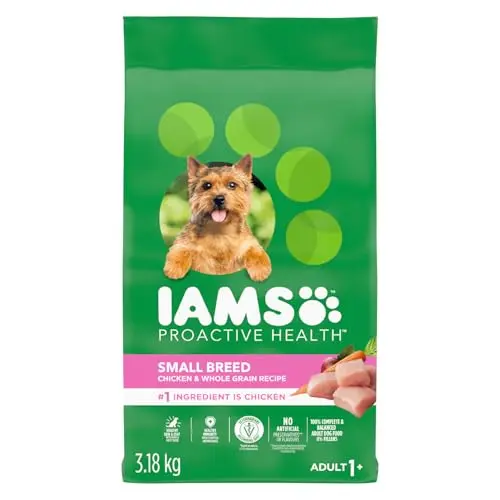
Small Breed Chicken & Whole Grain – Small Kibble for Tiny Mouths
How We Evaluated These Dry Dog Foods for Corgis
We didn’t feed these kibbles to our own corgis over months. What we did: cross-referenced 10 dry dog food models from 7 distinct brands across 6 key decision axes – ingredient quality, targeted health benefits, digestibility, skin and coat support, kibble size, and owner satisfaction signals. We triangulated published specifications, ingredient lists, and aggregated owner feedback where available against the specific needs of corgis: a breed prone to digestive quirks, skin issues, and weight gain.
The scoring framework weighted real-world fit for corgis (60%) – how well each formula addresses the breed’s common problems – against feature differentiation (40%) – unique attributes like prebiotic blends or targeted skin formulas. We have no commercial relationship with any brand featured; our picks track fit and differentiation, not loyalty. If your corgi struggles with loose stools, the Hill’s Science Diet Perfect Digestion is built for that; for skin-focused care, the Pro Plan Sensitive Skin & Stomach leads the pack.
How to Choose the Right Dry Dog Food for Your Corgi
What to Look for in Dry Dog Food for Corgis
Corgis are medium-sized dogs with big personalities and specific dietary needs. When shopping for dry food, prioritize a named animal protein like chicken, salmon, or lamb as the first ingredient. Look for formulas that include prebiotic fibre or digestive enzymes to support their often-sensitive stomachs. Since corgis can pack on weight quickly, aim for moderate fat levels and controlled portion sizes. Kibble size also matters – small to medium pieces are easier for their short muzzles to pick up and chew.
Beyond the basics, pay attention to added vitamins and minerals. Antioxidants for immune health, omega fatty acids for skin and coat, and glucosamine for joint support are all meaningful additions for a breed that stays low to the ground and stays active well into adulthood.
Managing Corgi-Specific Health Issues Through Diet
Corgis are predisposed to a handful of health concerns that diet can directly influence. Skin allergies and hot spots are common; foods rich in omega-3s from salmon or flaxseed can soothe inflammation. Joint problems and back issues benefit from natural sources of glucosamine and chondroitin, often found in chicken meal or added supplements. Digestive sensitivity is almost a breed trademark – look for recipes with limited ingredients, prebiotic fibres, or grain-free options if grains are a trigger. Weight management is critical; excess weight worsens joint strain, so a food that’s nutrient-dense without being calorie-heavy is ideal.
Grain-Free vs. Whole Grains: Which Is Better for Your Corgi?
The grain-free debate continues, but for most corgis, whole grains like brown rice, oatmeal, or barley are perfectly fine and provide useful fibre. Grain-free diets, such as the Nature’s Recipe Salmon, become relevant only if your corgi has a diagnosed grain allergy or sensitivity. Many corgis do well on quality grain-inclusive formulas, and recent FDA investigations have raised questions about grain-free diets and heart health in some breeds. When in doubt, talk to your vet before going grain-free.
Hill's Science Diet vs. Purina Pro Plan: Which Sensitive Stomach Formula Wins?
Both brands offer strong options for sensitive corgis. Hill’s Science Diet Sensitive Stomach & Skin relies on prebiotic fibre and a simple chicken recipe that owners say quickly resolves skin and stool issues. Purina Pro Plan Sensitive Skin & Stomach uses salmon and oatmeal, delivering omega-3s for coat health along with digestive prebiotics. If your corgi’s main issue is skin, the Pro Plan’s salmon base gives it an edge; if it’s primarily digestion, Hill’s Perfect Digestion line is even more targeted. For an all-around sensitive-system kibble, the Hill’s Sensitive Stomach remains our top pick.
How to Transition Your Corgi to a New Dry Food
Switching foods too fast can upset any corgi’s stomach. Start by mixing 25% new food with 75% old for two to three days, then go to 50/50 for another couple of days, then 75% new. By day 7-10, you should be fully transitioned. Watch for loose stools, excessive gas, or skin flare-ups during the switch – if you see any, slow down or reconsider the new formula. A slow transition gives your corgi’s digestive system time to adjust and reduces the risk of food aversions.
Frequently Asked Questions
What's the difference between Hill's Science Diet Sensitive Stomach and Perfect Digestion formulas?
Both target digestive health but take different approaches. The Sensitive Stomach & Skin formula (our Best Overall) uses chicken and prebiotic beet pulp to soothe general digestive upset while also nourishing skin with omega-6s. It’s a broad-spectrum sensitive-system food. The Perfect Digestion formula (our Best for Digestive Health) contains ActivBiome+, a proprietary prebiotic blend specifically designed to promote regular, firm stools in as little as 7 days. If your corgi’s only complaint is inconsistent poop, Perfect Digestion is the more focused pick; if you’re also dealing with itchiness, the Sensitive Stomach version pulls double duty.
Is grain-free dry food safer for corgis with allergies?
Only if your corgi has a confirmed grain allergy, which is fairly rare. Most canine food allergies are to proteins like beef, chicken, or dairy, not grains. While grain-free options like Nature’s Recipe can help some dogs, recent FDA reports have linked certain grain-free diets to dilated cardiomyopathy (DCM) in dogs. We recommend only going grain-free under veterinary guidance. For corgis with general skin or digestive issues, a sensitive-stomach formula with high-quality grains like oatmeal or brown rice is often a safer and more effective starting point.
How much dry food should I feed my adult corgi each day?
This depends on the food’s calorie density, your corgi’s weight, activity level, and age. Most adult corgis weigh between 25-30 lbs and need roughly 600-900 calories per day, spread over two meals. Check the feeding guide on the bag and adjust based on body condition – you should be able to feel but not see their ribs. Corgis are prone to obesity, so measure portions with a kitchen scale rather than eyeballing. When switching foods, the new food’s calorie content may differ, so recheck the guide.
Can I mix different dry foods for my corgi?
You can, but it requires careful consideration. Mixing can provide variety and balance out nutritional profiles, but it also makes it harder to pinpoint the cause of any digestive upset. If you do mix, choose foods with similar ingredient philosophies (e.g., both sensitive-stomach formulas) and introduce them one at a time. Start with a small amount of the new food and increase slowly over a week. This approach can work well if your corgi enjoys the texture contrast, but for most dogs, a single high-quality food is simpler and less risky.
What are the most common food allergens for corgis?
Corgis can react to any ingredient, but the most common canine food allergens are beef, dairy, chicken, wheat, and soy. If your corgi shows signs of allergies – itchy paws, ear infections, hot spots, or chronic diarrhoea – talk to your vet about an elimination diet. Many owners find success with limited-ingredient diets like the Beyond Superfood Blend, which avoids corn, wheat, and soy and uses salmon as a novel protein.
Final Verdict
For most corgis, the Hill’s Science Diet Sensitive Stomach & Skin is the clear winner – it addresses the two most common corgi complaints (tummy troubles and itchy skin) with a vet-backed formula that owners swear by. If your corgi’s main issue is irregular digestion, the Hill’s Science Diet Perfect Digestion is purpose-built for stool consistency. On a budget, Dog Chow Complete covers the basics without skimping on quality, while the Pro Plan Sensitive Skin & Stomach is the go-to when skin and coat need extra love. Whichever you choose, pair it with regular exercise and portion control to keep your corgi happy and healthy.