
Bringing home a German Shepherd puppy is equal parts excitement and responsibility. You know those first few months set the stage for a lifetime of health, and what you pour into the bowl every day is one of the biggest decisions you’ll make. Dry dog food is the convenient go-to for most owners, but not all kibble is created equal-especially when it comes to a large breed with specific growth needs.
German Shepherd puppies need a careful balance of nutrients to support steady bone development, sharp cognitive growth, and a robust immune system without packing on weight too fast. The wrong food can lead to joint issues later on, so it’s worth zeroing in on formulas that include DHA for brain development, controlled calcium for bones, and glucosamine for growing joints. We’ve combed through the market to find the dry puppy foods that actually deliver on these fronts, across a range of budgets and ingredient philosophies.
Best Dry Dog Food for German Shepherd Puppy – 2026 Reviews
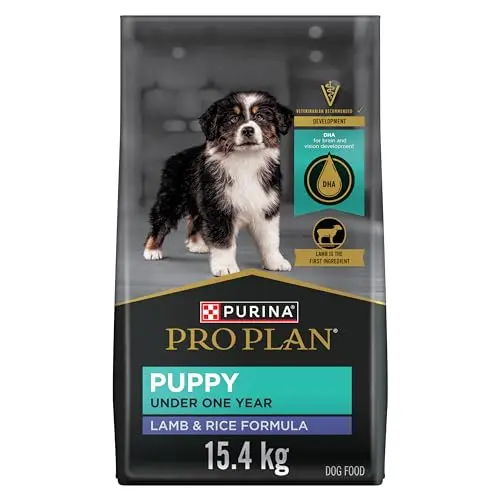
Development Lamb & Rice – DHA-Rich Brain & Vision Support
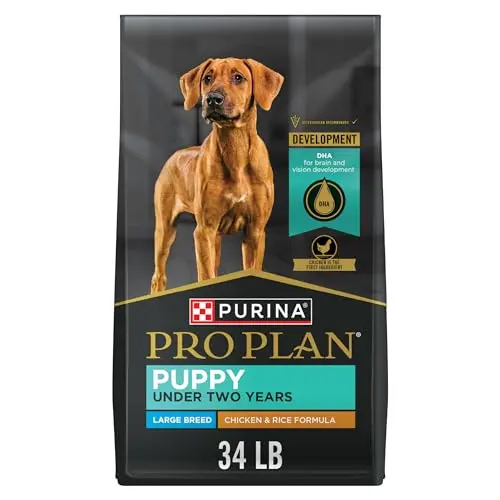
Development Chicken & Rice – Large Breed Joint & Brain Support
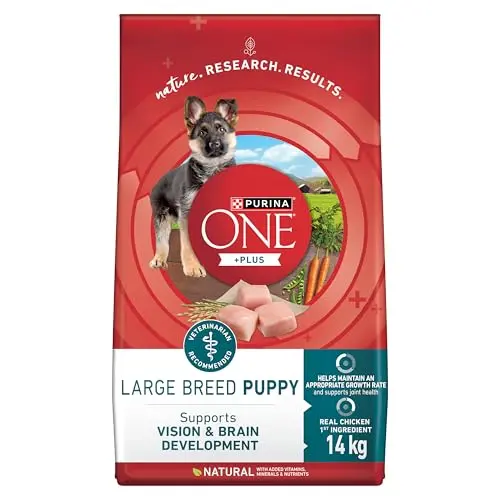
Large Breed Chicken – Joint Health & Digestive Support
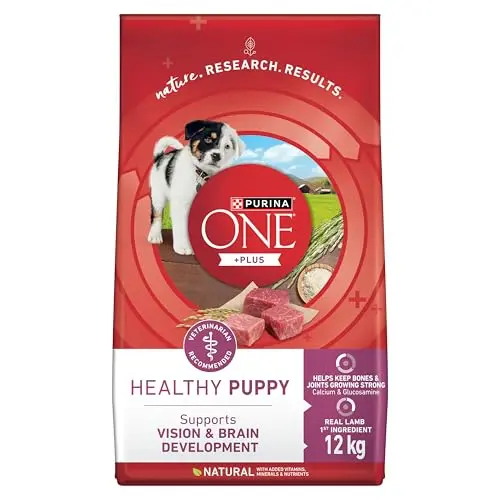
Healthy Puppy Lamb – Digestible & Brain-Boosting
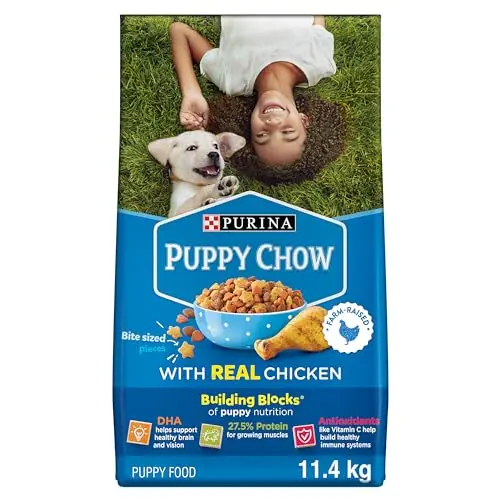
Complete with Real Chicken – Brain & Immune Support
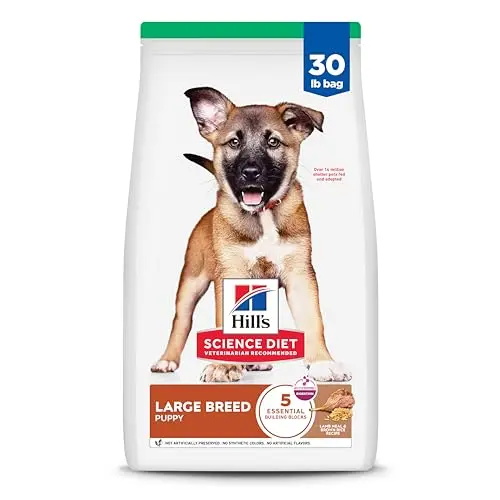
Large Breed Lamb Meal & Brown Rice – Balanced Bone & Brain Development
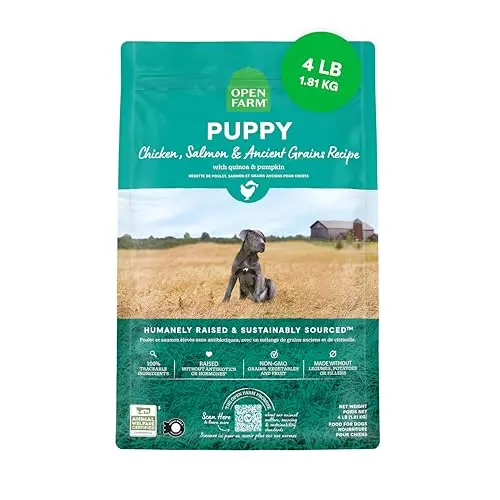
Ancient Grains Chicken & Salmon – Sensitive Stomach & Transparency
How We Evaluated These Dry Dog Foods for German Shepherd Puppies
We didn’t run controlled feeding trials or lab analysis. What we did: cross-referenced 7 dry puppy foods from 5 distinct brands across 7 decision axes-protein quality, omega fatty acids for brain and vision, joint-support ingredients like glucosamine, kibble size and texture, probiotic/prebiotic inclusion, mineral balance for large breeds, and brand transparency. We triangulated published specifications, ingredient lists, and aggregated owner feedback where available to map each product against the real-world needs of a growing German Shepherd.
The scoring framework weighted real-world performance (60%)-how well a food supports large breed growth without risking developmental issues-against feature differentiation (40%)-unique advantages like novel proteins, live probiotics, or ethical sourcing. We have no commercial relationship with any of the brands featured; recommendations track fit and differentiation, not brand preference. If your priority is overall balance, the Pro Plan Development Lamb & Rice is the pick. If joint support tops your list, the Pro Plan Large Breed Chicken & Rice is purpose-built for it.
How to Choose the Right Dry Dog Food for Your German Shepherd Puppy
Why Large Breed Puppy Food Matters for German Shepherds
German Shepherd puppies grow at a staggering rate, and their skeletal system needs careful fuelling to develop correctly. Large breed formulas are specifically designed with controlled calcium and phosphorus levels to prevent the bones from outgrowing the joints-a recipe for hip and elbow dysplasia later in life. These foods also tend to include added glucosamine and chondroitin to support cartilage development during the peak growth window. Even if an all-breed puppy food is nutritionally complete, it may not provide that safety margin. When in doubt, a dedicated large breed option like the Pro Plan Large Breed or the budget-friendly Purina ONE Large Breed is the safest bet.
Key Nutrients: DHA, Glucosamine, and Controlled Calcium
Three nutrients sit at the top of the priority list. DHA (docosahexaenoic acid), an omega-3 fatty acid, is crucial for brain and eye development and is often sourced from fish oil-look for it in foods like the Hill’s Science Diet Large Breed. Glucosamine occurs naturally in some recipes (such as the Purina ONE +Plus Large Breed) and helps maintain cartilage. Finally, the calcium-to-phosphorus ratio must stay within 1:1 to 1.5:1 to avoid rapid bone growth; large breed formulas publish these values or use phrases like ‘optimal calcium for controlled growth.” If a food doesn’t highlight joint or mineral balance, it’s probably better suited for smaller breeds.
Protein Sources: Chicken, Lamb, or Something Else?
Most puppy foods lean on chicken or lamb as the primary protein. Chicken is lean, widely available, and highly palatable-the Pro Plan and Purina ONE chicken formulas are top performers here. Lamb can be a great alternative if your German Shepherd shows signs of food sensitivities (itchy skin, loose stools). The Pro Plan Development Lamb & Rice and Purina ONE Lamb formula both make lamb the first ingredient. Novel proteins like salmon (featured in the Open Farm recipe) go a step further for the most sensitive stomachs but often come with a higher price tag. Whichever you choose, ensure it’s named as the first ingredient, not a vague ‘meat meal”.
Kibble Size and Shape: What Works for Growing Mouths
German Shepherd puppies begin with tiny teeth but quickly develop a powerful bite. Larger kibble pieces encourage chewing and can slow down fast eaters-the Hill’s Science Diet Large Breed kibble is a good example. Smaller kibble, like that in the Pro Plan all-breed formulas, may be easier for very young puppies to manage but can get gulped. Some foods, like the Pro Plan Large Breed, combine crunchy bits and tender shreds for texture variety that keeps pups engaged. Watch your puppy’s eating style: if they’re vacuuming the bowl, a larger, denser kibble can help.
Probiotics, Prebiotics, and Digestive Health
A puppy’s gut is still maturing, and German Shepherds are known for sensitive stomachs. Guaranteed live probiotics, found in both Pro Plan formulas, help populate the gut with beneficial bacteria and can reduce loose stools. Prebiotic fibers (like the beet pulp in Hill’s Science Diet) feed those good bacteria. If your puppy struggles with digestive upset, prioritizing a food with these ingredients-such as the Pro Plan Lamb & Rice-can make a visible difference. Open Farm’s grain-inclusive ancient grain recipe also supports digestion through gentle, whole-food ingredients.
Budget vs. Premium: What You're Really Paying For
The price ladder in puppy food climbs from around the sub-$30 bag (Purina Puppy Chow) up to premium offerings well above that. A higher price often buys you more specific health claims-glucosamine, probiotics, novel proteins, or ethically sourced ingredients. However, a smart budget pick like the Purina ONE Large Breed still covers the large breed essentials at a friendlier cost. Mid-tier options (Pro Plan, Hill’s) strike a balance with added functional ingredients. Unless your puppy has a diagnosed sensitivity, you don’t need to max out the budget; just avoid going so cheap that you skip large breed safeguards entirely.
Frequently Asked Questions
What's the difference between Purina Pro Plan Large Breed and Purina ONE Large Breed puppy foods?
Both are excellent large breed recipes, but they come from different tiers of Purina’s lineup. Pro Plan Large Breed includes guaranteed live probiotics for digestive and immune support, and it uses real chicken as the first ingredient with natural sources of glucosamine. Purina ONE +Plus Large Breed also has glucosamine and chicken as the first ingredient, but it leans on a dual defense antioxidant blend (vitamins E and A plus zinc) instead of probiotics. The Pro Plan formula tends to cost more per pound but adds that extra digestive insurance; the Purina ONE is the stronger value pick. Both provide DHA for brain development and controlled nutrition for large breeds, so you can’t go wrong either way.
Does my German Shepherd puppy really need a large breed formula?
Yes, or at least an all-breed food that closely mimics one. German Shepherds are prone to hip and elbow dysplasia, and rapid growth fueled by too much calcium or energy can make those conditions worse. Large breed formulas keep the calcium-to-phosphorus ratio tighter and often include joint-supporting nutrients like glucosamine. If you must feed an all-breed food, check that the calcium is not excessive and that the protein isn’t so high that it accelerates growth. The safest route is to pick a food explicitly labelled for large breeds, such as the Pro Plan Large Breed or Hill’s Science Diet Large Breed.
At what age should I switch my German Shepherd puppy from puppy food to adult food?
Most German Shepherds reach their full height around 12-15 months but continue to fill out until 18-24 months. Switching too early can deprive them of the energy and nutrients they need for that final muscle development. Vet consensus is to stay on a large breed puppy food until at least 12-14 months, then transition to a large breed adult formula over a week or two. If your pup is still very lean and active, you can keep them on puppy food until 18 months. Always consult your vet, but a gradual switch between these ages is a safe baseline.
Can I feed a chicken-based food if my puppy has a sensitive stomach?
Chicken sensitivity isn’t as common in young dogs as it is in adults, but if your German Shepherd puppy shows signs like chronic loose stools, gas, or itchy skin, a switch to a novel protein may help. The Purina ONE Lamb formula or the Pro Plan Lamb & Rice are lamb-based alternatives that are still complete and balanced. For extreme sensitivities, Open Farm’s salmon and chicken blend offers a multi-protein approach with highly digestible ancient grains.
How does Hill's Science Diet Large Breed compare to the Pro Plan Large Breed?
Both are top-tier large breed puppy foods, but their strengths differ. Hill’s Science Diet Large Breed focuses heavily on precise mineral balance-its calcium and phosphorus levels are tightly controlled for bone health, and it’s a veterinarian favourite. It does not include glucosamine or live probiotics. Pro Plan Large Breed adds natural glucosamine sources and live probiotics for joint and digestive support, while still managing mineral levels for large breed growth. If your priority is absolute bone safety with a vet-backed name, go with Hill’s. If you want that plus joint and gut extras, Pro Plan is the more feature-rich choice.
Final Verdict
For most German Shepherd puppies, the Pro Plan Development Lamb & Rice is the best all-around choice; it nails brain support, digestive health, and protein quality in a formula that puppies love. If you want large breed joint insurance from day one, the Pro Plan Large Breed Chicken steps up with glucosamine and probiotics. Budget-conscious owners can still get solid large breed nutrition with the Purina ONE Large Breed. And for puppies with sensitive stomachs or owners who value ingredient ethics, the Open Farm Ancient Grains is a transparent, high-quality alternative. Whichever you pick, you’re giving your pup a strong nutritional foundation to grow into a healthy, happy adult.