
Few things are less fun than bag after bag of dog waste. If you’re dealing with larger-than-life piles, the culprit might be what’s going into your dog at mealtime. A food that’s poorly digested doesn’t just skip nutrients-it ends up as extra volume in the yard. The good news? The right dry dog food can meaningfully shrink that mess by improving how your dog absorbs what it eats.
We’ve surveyed the market to find dry dog foods that prioritize digestibility, gut health, and ingredient quality-all with the goal of producing less poop. Whether you’ve got a tiny tyke or a large adult, there’s a formula here that can lead to firmer, smaller stools and a happier clean‑up routine.
Best Dry Dog Food for Less Poop – 2026 Reviews
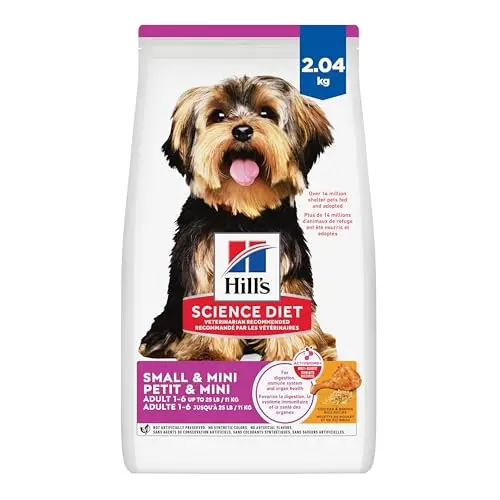
Adult Small & Mini – Digestive & Immune Health
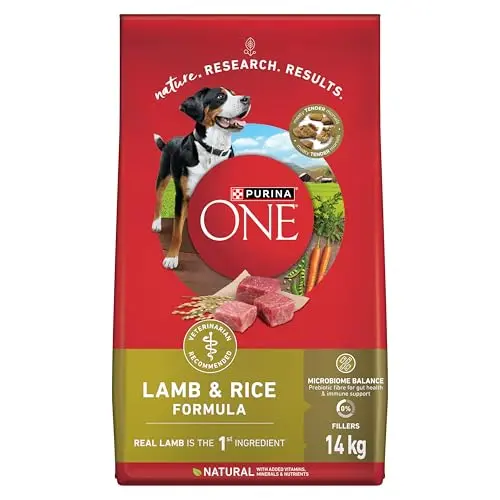
Microbiome Balance Lamb & Rice – Prebiotic Gut Health
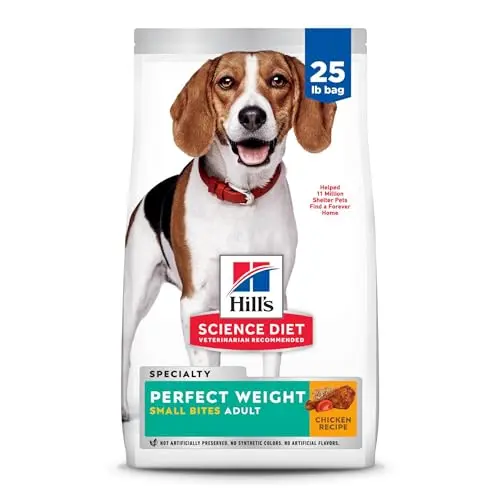
Perfect Weight Small Bites – Weight Management Formula
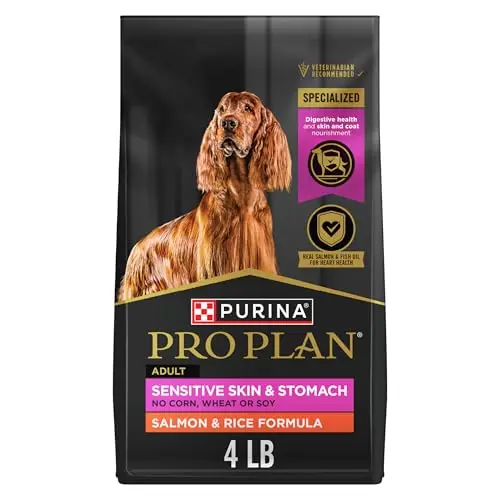
Sensitive Skin & Stomach – Digestive Ease
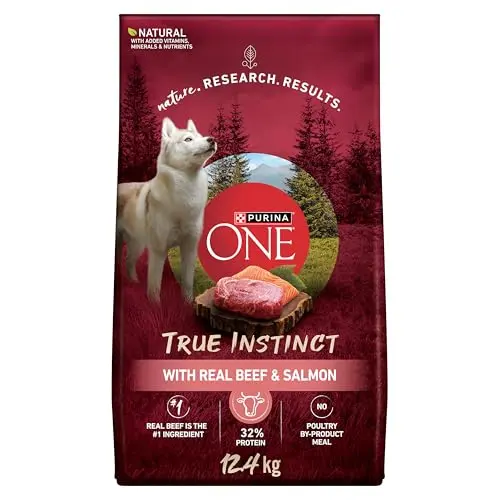
True Instinct High Protein – Muscle & Energy Support
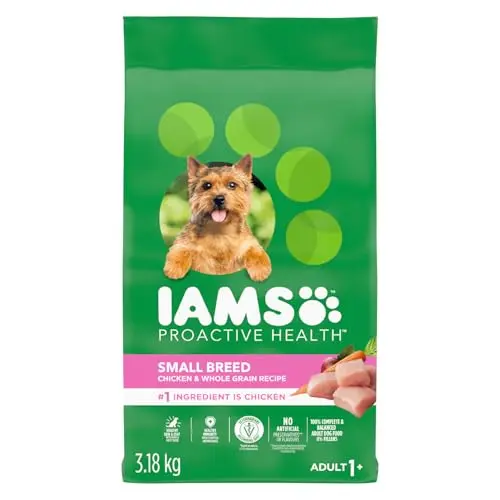
Proactive Health Small Breed – Firm Stools in 10 Days
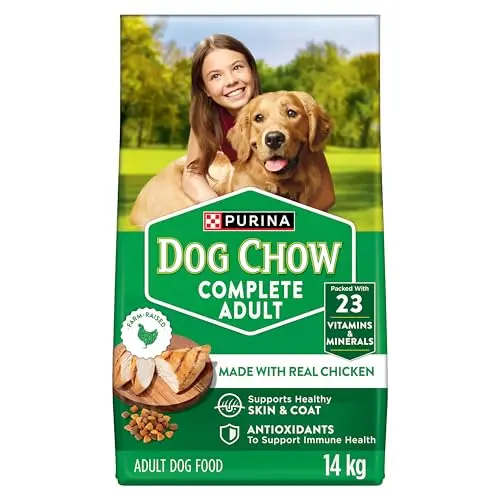
Complete Chicken – Balanced Everyday Nutrition
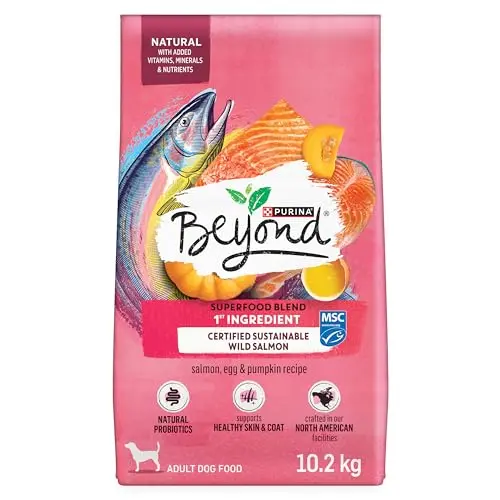
Superfood Blend Salmon & Pumpkin – Grain-Free Natural
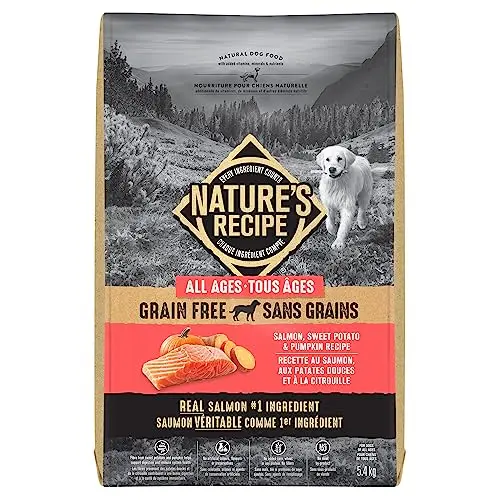
Salmon, Sweet Potato & Pumpkin – Grain-Free All Life Stages
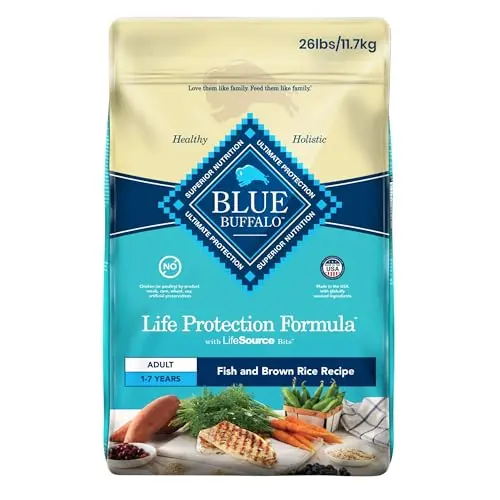
Life Protection Fish & Brown Rice – Immune & Skin Health
How We Evaluated These Dry Dog Foods for Less Poop
We didn’t run these foods through controlled feeding trials or measure stool output in our own pack. What we did: cross-referenced 10 dry dog food models from 8 distinct brands across 5 decision axes-digestibility, ingredient quality, gut health support, breed size suitability, and aggregated owner feedback. We triangulated published specifications, ingredient lists, and real-world owner experiences where available to gauge how each food performs when it comes to reducing waste.
The scoring framework weighted real-world digestive performance (60%)-how well each food supports firmer, less frequent stools-against feature differentiation (40%)-unique technical advantages like prebiotic blends, clinical claims, and breed-specific formulation. We have no commercial relationship with any of the brands featured; our recommendations track fit and differentiation, not brand preference. If you’re looking for a proven all-rounder, the Science Diet Small & Mini is our top pick; if gut health is your focus, Purina ONE Microbiome Balance takes the lead.
How to Choose the Right Dry Dog Food for Less Poop
What Makes a Dry Dog Food More Digestible?
The digestibility of a dry dog food is the single biggest factor in how much your dog poops. Highly digestible foods break down more completely during digestion, leaving less residue to be excreted. Look for named animal proteins like chicken meal or lamb meal as the first ingredient-these are concentrated sources of amino acids with less undigestible material than whole meats. Avoid foods heavy in plant-based fillers like corn gluten meal or wheat middlings, which can pass through largely intact. Ingredients like pumpkin, prebiotic fibres (e.g., chicory root), and oatmeal actively support a healthy digestive tract, helping to produce firmer, smaller stools.
Key Ingredients That Lead to Less Poop
Not all ingredients are created equal when it comes to waste reduction. Prebiotics like inulin and beet pulp feed beneficial gut bacteria, which in turn improve nutrient absorption. Probiotics (live cultures) are rarer in dry foods but can be a bonus if listed. Fibre sources such as pumpkin and sweet potato regulate stool consistency without adding bulk. On the flip side, unnamed meat meals or by-products can be harder to break down, increasing waste. The Purina ONE Microbiome Balance is a great example of a formula built around gut-health ingredients.
Why Gut Health Is the Foundation of Smaller Stools
A dog’s gut microbiome is a complex ecosystem that directly influences stool quality. When beneficial bacteria thrive, digestion becomes more efficient and less waste is produced. Foods that include prebiotic fibres fuel these bacteria, while easily digestible proteins reduce the workload on the intestines. This is why formulas like the Pro Plan Sensitive Skin & Stomach can yield noticeably different results-they’re designed from the ground up to respect your dog’s digestive system.
Breed Size and Its Impact on Digestion
Chihuahuas and Great Danes have different digestive rhythms, and their food should reflect that. Small breed foods like Hill’s Science Diet Small & Mini often feature smaller kibble and more nutrient-dense formulas, which can mean less food is needed and less waste produced. Large breed dogs may benefit from larger kibble that encourages chewing, aiding digestion. Always match the food to your dog’s size for optimal results-a mismatch can lead to overfeeding or under-digestion, both of which increase stool volume.
Grain-Free vs. Grain-Inclusive: Which Is Better for Poop Volume?
The grain-free trend doesn’t automatically equate to less poop. While some dogs with grain sensitivities may see improvement on a grain-free diet, for many dogs, wholesome grains like brown rice or oatmeal are gentle on the stomach and provide valuable fibre. The real issue is the quality of the grains-whole grains are far more digestible than refined flours or glutens. If your dog tolerates grain well, a high-quality grain-inclusive food can be just as effective at reducing waste as a grain-free alternative.
How to Transition Your Dog to a New Food Without Digestive Upset
Switching foods too quickly can cause loose stools and temporarily increase poop volume-the opposite of what you want. A gradual transition over 7-10 days is safest: mix a small amount of the new food with the old, slowly increasing the ratio each day. This gives your dog’s gut flora time to adapt. If you see persistent diarrhoea or constipation after two weeks, the new food may not be a good match, and it’s worth consulting your vet.
Hill's Science Diet vs. Purina ONE: Which Brand for Less Poop?
Both brands appear near the top of our list, but they approach the few‑poop goal differently. Hill’s Science Diet relies on its ActivBiome+ technology, a multi-benefit blend that supports digestion, immunity, and organ health, and it often tailors formulas to specific breed sizes. Purina ONE counters with its Microbiome Balance line, which focuses squarely on prebiotic fibre for gut health. For small breeds, the Hill’s edge is clear; for an all-rounder, the Purina ONE Microbiome is hard to beat. The right choice depends on whether you value breed-specific precision or a universal gut-health platform.
Frequently Asked Questions
What's the difference between Hill's Science Diet and Purina ONE for reducing poop?
Hill’s Science Diet uses ActivBiome+ technology to support digestive, immune, and organ health, and it often offers breed-specific formulas like Small & Mini or Perfect Weight. Purina ONE’s Microbiome Balance line leans on prebiotic fibre to nourish gut bacteria directly. In practice, both produce firmer stools with less volume, but Hill’s may be a better fit if you have a small breed or weight-management needs, while Purina ONE’s microbiome approach is a solid one-size-fits-most choice.
Can switching to a better dry dog food really reduce how much my dog poops?
Absolutely. When a food is highly digestible, more nutrients are absorbed and less passes through as waste. High-quality proteins, limited fillers, and gut-supporting fibres all contribute to smaller, firmer stools. It’s one of the first signs you’ll notice when you upgrade from a budget brand to a digestive-health-focused formula.
How quickly will I see less poop after switching foods?
Most owners notice a difference within 7-14 days once a dog is fully transitioned to the new food. The IAMS Proactive Health Small Breed even guarantees an improvement in stool quality within 10 days. Keep in mind that a sudden switch can temporarily cause loose stools, so patience with the transition is key.
IAMS vs. Purina Pro Plan: which small breed food gives firmer stools?
IAMS makes the boldest claim-firmer, well‑formed stools in 10 days, backed by feeding trials. It’s an excellent budget-friendly option for small breeds. Pro Plan’s Sensitive Skin & Stomach takes a gentler route with salmon, oatmeal, and prebiotic fibre, making it ideal for dogs with known sensitivities. If your dog doesn’t have a sensitive stomach, IAMS can deliver quick results; if they do, Pro Plan’s soothing recipe is the safer bet.
Final Verdict
For most small-breed owners chasing a real reduction in poop, the Hill’s Science Diet Adult Small & Mini is our top choice-it combines ActivBiome+ technology with breed-specific kibble for an all-around digestive win. If you have a medium or large dog, or just want to throw the kitchen sink at gut health, the Purina ONE Microbiome Balance covers more bases. For dogs with sensitive stomachs, the Pro Plan Sensitive Skin & Stomach is a gentle, effective alternative. And if you’re on a budget and want a food that dares to promise better poop, the IAMS Proactive Health Small Breed is the low-risk way to find out.