
If you have a medium-sized dog-say, a Border Collie, an Australian Shepherd, or a mixed breed in the 23-55 lb range-you know they’re the Goldilocks of the canine world: not too big, not too small, but their nutritional needs hit a sweet spot that generic dog foods don’t always nail. They need a diet that supports their energy, maintains a healthy weight, and addresses common medium-breed concerns like joint health and digestion, all without the calorie density that can tip a smaller dog into couch-potato territory.
The dry dog food aisle is overwhelming, but for medium dogs, the best options go beyond just ‘complete and balanced.’ The right kibble considers precise protein levels, kibble size for comfortable chewing, and targeted ingredients like omega fatty acids for skin and coat, prebiotics for gut health, and glucosamine for joints. Some formulas are explicitly tailored to medium breeds, while others are versatile enough to work well across sizes; we’ve surfaced the ones that stand out.
We’ve compared the top dry dog foods for medium dogs across brands, focusing on real-world digestibility, protein quality, and how well they support the active, healthy life your medium-sized companion deserves. Whether you’re tackling sensitive stomachs, boosting coat shine, or just looking for a reliable everyday kibble, this guide will help you pick the perfect match.
Best Dry Dog Food for Medium Dogs – 2026 Reviews
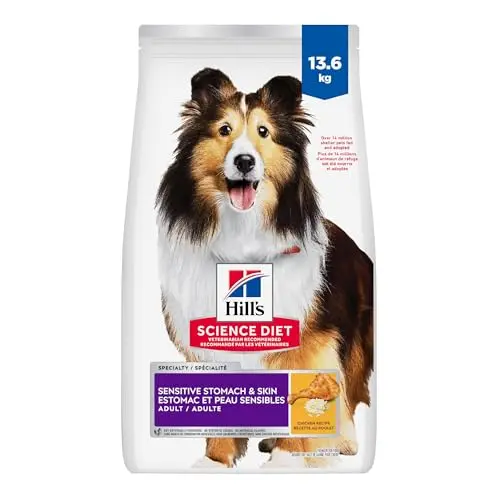
Sensitive Stomach & Skin Chicken Recipe – Gentle Digestion & Skin Nourishment
A veterinarian-recommended formula that’s a top pick for medium dogs with sensitive stomachs or skin. The chicken-based recipe uses prebiotic fibre for gentle digestion and omega-6 fatty acids for a healthy coat.
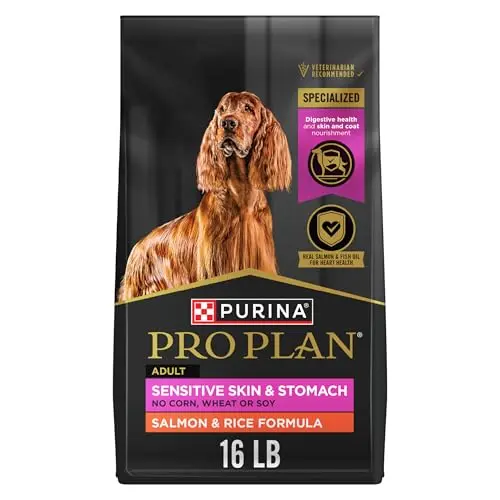
Sensitive Skin & Stomach Salmon & Rice – Omega-Rich for Sensitive Dogs
With salmon as the first ingredient, this dry food is a favourite for medium dogs prone to skin allergies or stomach issues. The oatmeal-based formula is gentle on digestion, while omega-3s support joint mobility.
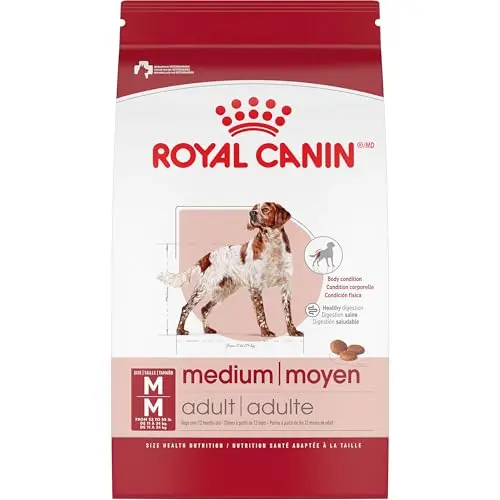
Medium Breed Adult – Tailored Nutrition for Medium Dogs
Precision nutrition explicitly designed for medium dogs (23-55 lb). This food provides immune support, promotes healthy skin, and features a specialized kibble shape that encourages chewing for better dental health.
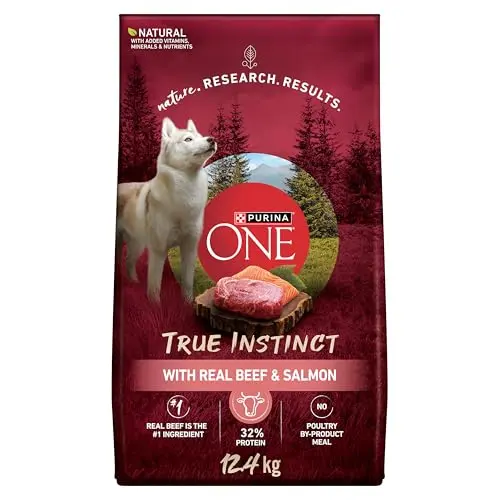
True Instinct High Protein Beef & Salmon – High-Protein Active Dog Fuel
A protein-packed dry food with real beef as the #1 ingredient, designed for active medium dogs. It delivers 32% protein to support strong muscles and a healthy heart, plus antioxidants for immune health.
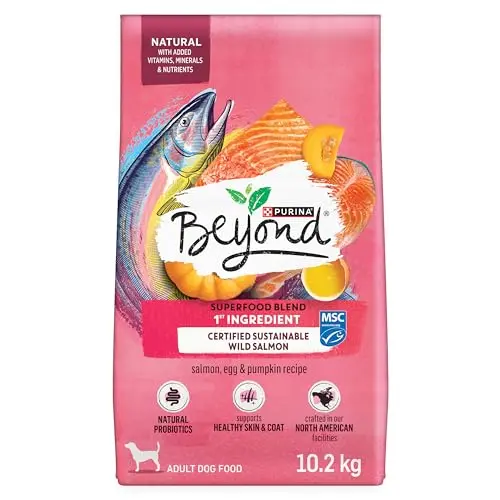
Superfood Blend Salmon, Egg & Pumpkin – Natural Ingredients for Everyday Health
A natural dry food featuring wild-caught salmon, egg, and pumpkin. It’s free from corn, wheat, soy, and poultry by-product meal, making it a clean option for medium dogs with sensitive systems.
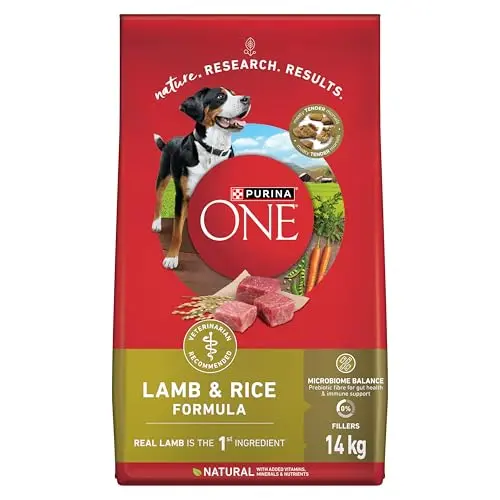
Microbiome Balance Lamb & Rice – Gut Health & Immune Support
A lamb-based dry food that prioritizes digestive health with its Microbiome Balance formula. It includes prebiotic fibre for gut support and is crafted with natural ingredients for everyday vitality.
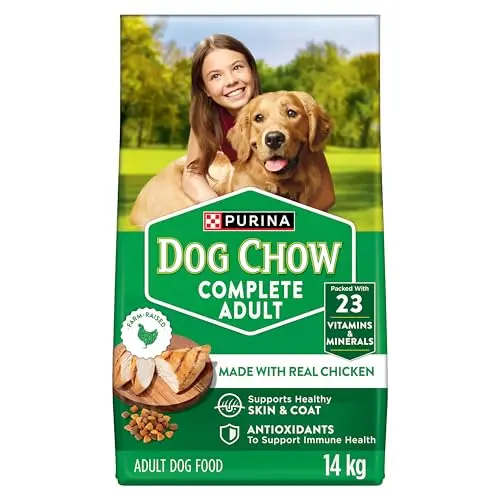
Complete Chicken – Complete & Balanced Everyday Nutrition
A straightforward, affordable dry food made with real chicken. It’s 100% complete and balanced for adult dogs, with no fillers or artificial flavours, and includes antioxidants for immune support.
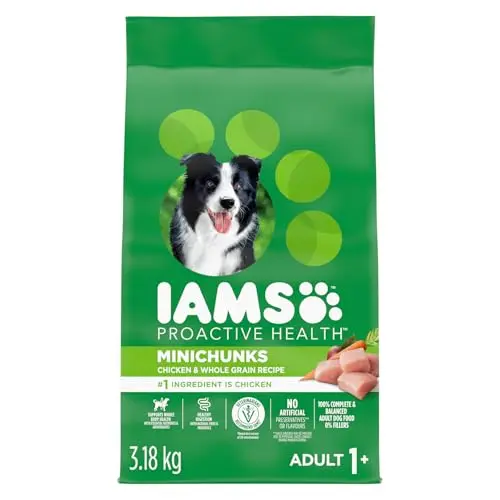
Minichunks Chicken & Whole Grain – Small Kibble for Easy Chewing
These minichunks are designed for easy chewing and promote dental health with their crunchy texture. The chicken and whole grain recipe offers complete nutrition, with a focus on optimal stool quality.
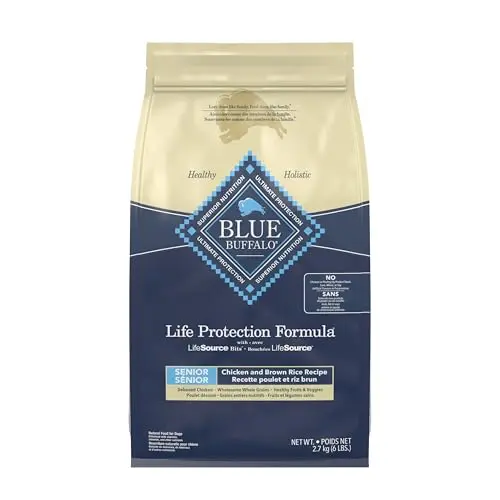
Senior Chicken & Brown Rice – Joint Support for Mature Dogs
This senior-specific formula supports joint health with glucosamine and chondroitin, while LifeSource Bits provide a precise blend of antioxidants. It’s ideal for medium dogs aged 7+ that need extra mobility support.
How We Evaluated These Dry Dog Foods for Medium Dogs
We didn’t run controlled feeding trials with veterinary oversight. What we did: cross-referenced 9 dry dog food formulas from 8 distinct brands across 6 decision axes-protein quality and source, digestive health support, skin and coat nourishment, breed-specific tailoring, ingredient transparency, and owner-reported experience. We triangulated published ingredient lists, guaranteed analysis, and aggregated owner feedback where available, weighing how well each formula delivers for the medium dog profile.
The scoring framework weighted real-world performance (60%)-digestibility, skin benefits, and everyday palatability-against feature differentiation (40%)-unique nutritional advantages like breed-specific formulas or joint support. We have no commercial relationship with any of the brands featured; recommendations track fit, not brand preference. What informed these picks: ingredient quality, nutritional adequacy, and owner-reported digestive and skin outcomes. We also assessed kibble design for medium mouths and overall value for long-term feeding. If your medium dog struggles with skin or stomach issues, the Science Diet Sensitive Stomach & Skin is our top recommandation; if allergies are the main concern, the Pro Plan Sensitive Skin & Stomach offers a salmon-rich alternative.
How to Choose the Right Dry Dog Food for Medium Dogs
Key Nutritional Needs for Medium Breed Dogs
Medium dogs aren’t just small large dogs-they have a unique metabolic profile that demands a balance of protein, fats, and carbs. They benefit from a protein level around 22-26% for maintenance, with active breeds needing more. Joint health is a priority because medium breeds are prone to hip dysplasia and arthritis over time; ingredients like glucosamine and chondroitin can help. Additionally, a moderate fat content prevents obesity, a common issue in sedentary medium dogs. Look for foods that mention ‘breed size’ or ‘formulated for medium dogs’ if you want precise portion control.
What to Look for in a Dry Dog Food
Not all kibble is equal. For medium dogs, the kibble size and texture matter-it should be large enough to encourage chewing but not so big that it’s ignored. Dry food inherently supports dental health by scraping plaque as your dog crunches, so a crunchy texture is a plus. The first ingredient should be a named meat (chicken, salmon, lamb), not a vague ‘meat meal’ or grain. Avoid artificial colours and preservatives. Also, ensure the food meets AAFCO nutrient profiles for adult maintenance. If your dog has specific issues like a sensitive stomach, prioritize prebiotic fibres and easily digestible proteins.
Protein Sources and Their Impact on Your Dog's Health
Protein quality drives muscle health and satiety. Chicken is a lean, widely tolerated protein; salmon offers anti-inflammatory omega-3s that benefit skin and joints; lamb can be an alternative for dogs with chicken sensitivities. Some formulas combine proteins for a broader amino acid profile. For medium dogs, the protein digestibility matters more than the percentage on the label-look for named meat meals and whole grains like oatmeal that aid absorption. If your dog is highly active, a high-protein option (30%+) can sustain energy, but for couch potatoes, a moderate protein content prevents excess calories.
Digestive Health: Prebiotics, Fibre, and Stool Quality
Firm, regular stools are a reliable sign of good gut health. Many dry foods now include prebiotic fibres like beet pulp or chicory root to feed beneficial gut bacteria, leading to better digestion and less gas. Pumpkin is another natural gut soother. If your medium dog has experienced soft stools or irregularity, a formula with a specific digestive focus-like the Hill’s Science Diet Sensitive Stomach-can make a noticeable difference. Avoid ingredients like corn or soy if they’ve been trigger points previously; instead, opt for whole grains like oatmeal or brown rice.
Royal Canin vs Hill's Science Diet: Choosing for Your Medium Dog
These two are often pitted against each other. The Royal Canin Medium Breed Adult is laser-focused on the 23-55 lb weight range with tailored kibble and a nutrient profile that specifically supports medium-breed immunity and skin. It’s the pick if you want a breed-specific approach. The Hill’s Science Diet Sensitive Stomach & Skin takes a broader focus but excels in digestive and skin support, making it the better choice if your medium dog has ongoing sensitivities. Both are excellent; choose Royal Canin for breed-specific tailoring, or Hill’s for symptom-specific relief.
How to Read the Ingredient Label Without Getting Overwhelmed
Start with the first five ingredients-they make up the bulk of the food. Look for a named protein source first, followed by a whole grain or vegetable, and then a fat source. Be wary of vague terms like ‘poultry by-product meal’ if you’re aiming for cleaner labels, though some by-products can be nutritious. Added vitamins and minerals are standard and ensure the food is complete. Pay attention to the calorie content (kcal/cup) for portioning. If your dog has a medical condition, consult your vet before zeroing in on any dietary trigger.
Frequently Asked Questions
Is dry dog food better than wet food for medium dogs?
Both have their merits, but dry food offers dental benefits from the crunchy texture, which helps reduce plaque-a plus for medium dogs prone to tartar. It’s also more cost-effective and shelf-stable. Dry food allows for free-choice feeding, though many medium dogs need portion control to avoid weight gain. Wet food provides hydration and can be more palatable, but it’s less practical for large daily quantities. Many owners mix the two. For healthy medium dogs without dental issues, a high-quality dry food is perfectly sufficient and often the more practical long-term choice.
What's the difference between Royal Canin Medium Breed Adult and Hill's Science Diet Sensitive Stomach & Skin?
Royal Canin is specifically calibrated for medium breeds (23-55 lb), with a kibble shape designed to encourage chewing and nutrients that match the breed size’s metabolism. It includes antioxidants and EPA/DHA for skin and immune health. Hill’s, on the other hand, is formulated for digestive and skin sensitivities across breeds, using prebiotic fibre and easily digestible ingredients. Choose Royal Canin if you want tailored nutrition for a typical medium dog with no major issues; choose Hill’s if your dog has a history of tummy upset or itchy skin. Both are top-tier, but their priorities differ.
Can I feed my medium dog a large-breed dog food?
It’s not ideal. Large-breed formulas often have a lower calorie density and a different calcium-phosphorus ratio to slow growth and support giant joints. A medium dog might get too few calories, leading to weight loss, or unbalanced mineral intake. Unless your medium dog is at the very top of the range (50-55 lb) and has a sedentary lifestyle, it’s better to choose a food that’s either all-life-stages or specifically for medium breeds. Always match the food to your dog’s actual weight, activity, and health needs.
Which dry dog food is best for a medium dog with allergies?
For skin or food allergies, a limited-ingredient or single-protein source dry food is a smart start. Salmon-based recipes tend to be less allergenic than chicken or beef for some dogs. The Pro Plan Sensitive Skin & Stomach Salmon & Rice uses salmon as the primary protein and includes omega-3s to soothe inflamed skin. Another option is a novel protein like lamb or a grain-free choice, but always consult your vet to identify the allergen first. Transition slowly and monitor for improvements in itching and stool quality.
How much dry food should I feed my medium dog per day?
It depends on the food’s caloric density (kcal/cup), your dog’s weight, and activity level. Most medium adult dogs need between 900 and 1,400 calories per day. Start with the feeding chart on the bag and adjust based on body condition: you should feel the ribs but not see them. Measure with a proper scoop rather than eyeballing, and split meals into two per day to aid digestion. If your dog is gaining weight, reduce portions slightly; if losing, increase. Treats should make up no more than 10% of daily calories.
Are grain-free dry dog foods necessary for medium dogs?
Grain-free diets surged in popularity, but they’re only necessary if your dog has a diagnosed grain allergy, which is rare. Whole grains like brown rice, oatmeal, and barley provide digestible energy and fibre that support gut health. The FDA has investigated a potential link between grain-free diets and dilated cardiomyopathy (DCM) in dogs, so unless your vet recommends it, stick to grain-inclusive recipes that are rich in quality carbohydrates. All the foods in this guide use wholesome grains unless otherwise noted; they’re safe and suitable for most medium dogs.
Final Verdict
For most medium dogs, the Hill’s Science Diet Sensitive Stomach & Skin is our top pick-it consistently delivers on digestion and coat health, two areas that make a daily difference. If you want a food that’s explicitly designed for your dog’s size, the Royal Canin Medium Breed Adult offers breed-specific precision. Budget-minded owners will appreciate the straightforward value of Dog Chow Complete Chicken, while dogs with allergy-prone skin may thrive on the salmon-rich Pro Plan Sensitive Skin & Stomach. Whichever you choose, you’re investing in your medium companion’s long-term health.