
Watching your senior dog scratch constantly or turn up their nose at dinner is worrying. As dogs age, their nutritional needs shift-and if allergies join the mix, finding the right dry food can feel like a puzzle. The good news? Several recipes now target both senior vitality and sensitive systems, helping your old friend feel comfortable again.
The best options prioritize easily digestible proteins, skip common triggers like corn or soy, and pack in joint-supporting glucosamine. But not every ‘senior” label is an allergy hero, and not every sensitive-skin formula meets the extra energy or mobility demands of older dogs. That’s where this guide comes in-we’ve sorted through the top contenders so you can pick with confidence.
Best Dry Dog Food for Senior Dogs with Allergies – 2026 Reviews
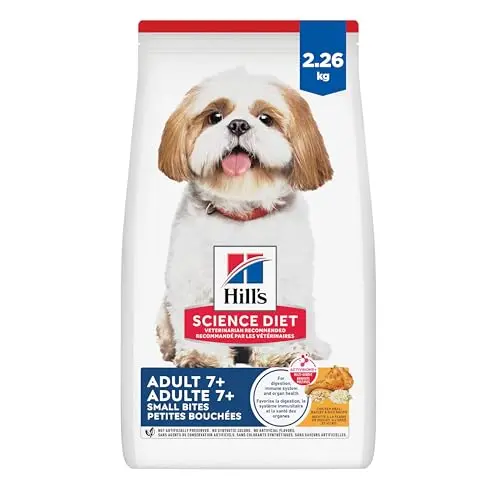
Senior 7+ Small Bites – Gentle Digestion for Tiny Paws
A veterinarian‑trusted pick that balances senior nutrition with digestibility, this chicken & barley recipe uses natural ingredients and small kibble for older small‑breed dogs. It covers heart, kidney, and bladder health while keeping meals easy on the stomach.
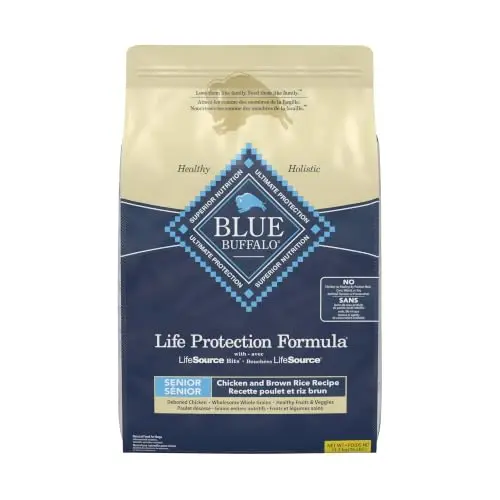
Life Protection Formula Senior – Joint & Immune Support
Real chicken leads this senior recipe, backed by antioxidant‑rich LifeSource Bits and a joint‑friendly blend of glucosamine and chondroitin. It skips common allergens like corn, wheat, and soy, making it a solid all‑rounder for allergy‑aware owners on a budget.
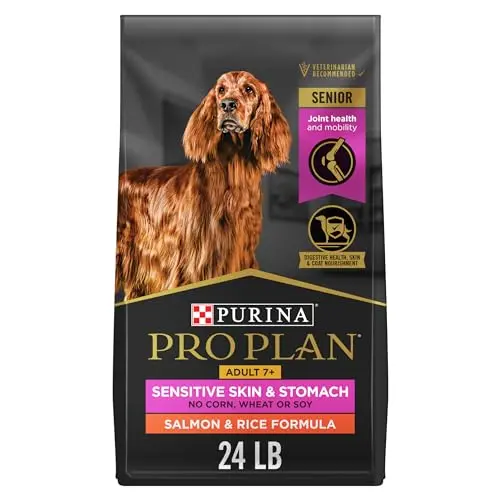
Senior Sensitive Skin & Stomach – Allergy‑Specific Nutrition
Purpose‑built for older dogs with food sensitivities, this salmon‑first recipe combines omega‑rich sunflower oil, prebiotic fibre, and glucosamine. It’s one of the few formulas that directly targets senior allergies without sidelining joint care.
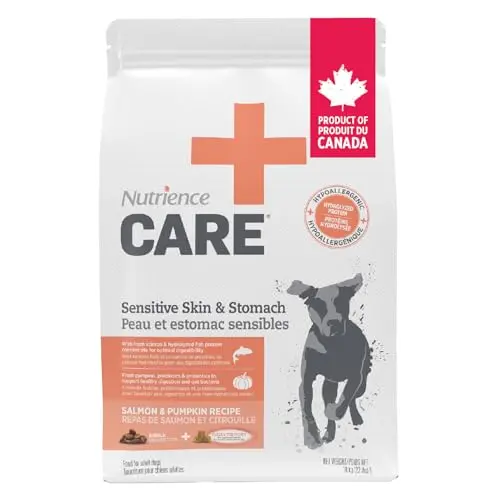
Care Sensitive Skin & Stomach Grain‑Free – Soothing Novel Proteins
Canadian‑made and grain‑free, this salmon and pumpkin recipe is loaded with prebiotics, probiotics, and omega‑3s. It’s a limited‑ingredient option for seniors whose allergies demand a strict elimination diet.
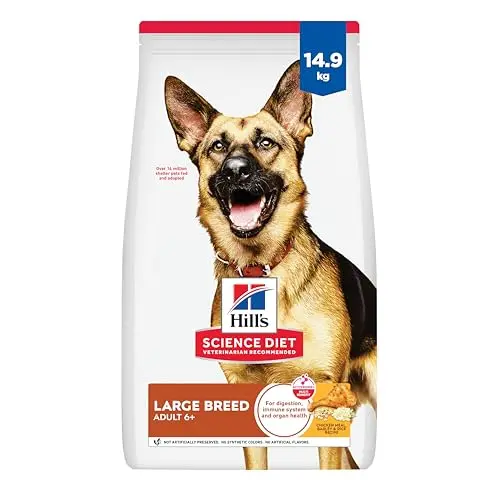
Senior 6+ Large Breed – Big Dog Joint Care
Scaled for larger aging frames, this chicken & barley recipe includes natural sources of glucosamine and chondroitin. It’s a predictable, vet‑favourite choice for big dogs who need joint support alongside everyday nutrition.
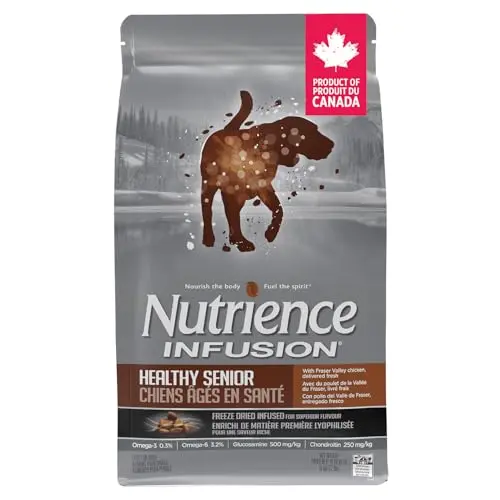
Infusion Healthy Senior – Digestive & Mobility Boost
Made in Canada with fresh deboned chicken and freeze‑dried liver, this recipe emphasizes digestive health and joint support. Coconut oil and botanicals add a holistic touch for owners who like functional ingredients.
How We Evaluated These Dry Dog Foods for Senior Dogs with Allergies
We didn’t conduct multi‑month feeding trials or vet‑supervised allergy testing. What we did: cross‑referenced 6 dry dog food recipes from 4 distinct brands across 8 decision axes-ingredient transparency, protein source digestibility, inclusion of joint‑supporting compounds, prebiotic and probiotic content, avoidance of common allergens (corn, wheat, soy, dairy), omega‑3 and omega‑6 fatty acid balance, kibble size suitability for senior mouths, and real‑world owner feedback on allergy relief. We triangulated published nutritional profiles, ingredient lists, and aggregated owner experiences where available to stress‑test each recipe’s promise.
The scoring framework weighted real‑world performance (60%)-how consistently each food delivered on digestive comfort, skin improvement, and mobility support-against feature differentiation (40%)-unique advantages like novel proteins, grain‑free formulations, or vet‑specific probiotic blends. We have no commercial relationship with any of the brands featured; recommendations track fit and differentiation, not brand preference. If your senior struggles with both allergies and joint pain, the Purina Pro Plan Senior Sensitive Skin & Stomach is purpose‑built for it; if you need an affordable, corn‑free option that doesn’t compromise on fundamentals, the Blue Buffalo Senior delivers remarkable value.
How to Choose the Right Dry Dog Food for Senior Dogs with Allergies
What Makes a Dry Food Senior‑Specific?
Senior dogs aren’t just older adults-their metabolism slows, joints stiffen, and organs need different support. Look for lower calorie density to prevent weight gain, higher quality protein to preserve muscle, and added glucosamine and chondroitin for joints. Many senior formulas also include reduced phosphorus for kidney health and antioxidants like vitamin E to bolster the immune system. If your dog is still active, a maintenance‑style senior food might be fine; for couch‑loving seniors, weight management becomes crucial.
How to Spot Allergy‑Friendly Ingredients
Allergies in dogs typically manifest as itchy skin, ear infections, or digestive upset. The most common triggers are beef, dairy, chicken, wheat, corn, and soy. A true allergy‑conscious food either uses novel proteins (like salmon, venison, or duck) or limited‑ingredient lists to minimise reactions. Scan the label: the first few items should be recognisable whole foods, and you should see a statement like ‘no corn, wheat, or soy.” Prebiotic fiber (like chicory root) and omega‑3 fatty acids from fish oil also help calm inflammation and repair the skin barrier over time. If you’re unsure, a vet‑supervised elimination diet can pinpoint the culprits.
Grain‑Free vs. Whole Grains: Which for Your Senior?
Grain‑free diets have exploded, but they aren’t automatically better for every allergy case. True grain allergies are rare; most dogs react to the protein source, not the grain. However, if your dog has been diagnosed with a grain intolerance or you’re avoiding fillers, a grain‑free recipe can simplify digestion. For seniors without grain issues, wholesome grains like brown rice or oatmeal provide steady energy and gentle fiber. The Nutrience Care Grain‑Free is a sleek option for confirmed grain triggers, while more traditional picks like Blue Buffalo or Hill’s work well for the rest.
Joint Support and Mobility in Senior Diets
Stiff joints are a hallmark of aging, and the right food can delay the decline. Look for glucosamine and chondroitin on the ingredient panel-these compounds help maintain cartilage. Some recipes also include MSM or green‑lipped mussel for additional anti‑inflammatory benefits. For large breeds, the dosages should be higher; the Hill’s Science Diet Large Breed Senior explicitly doses for big dogs. Even if you don’t see a joint supplement on the front label, check the guaranteed analysis-many quality senior foods include it.
Kibble Size and Dental Health
As dogs age, dental problems can make eating painful. Smaller, softer kibble is easier on tender gums and missing teeth, while larger kibble can act as a natural toothbrush for dogs who still chew well. Hill’s Small Bites and Nutrience Infusion offer appropriately petite pieces, while Blue Buffalo’s larger chunks might need soaking for some. Always monitor your senior’s eating speed and comfort; if they’re skipping meals, try mixing with a bit of warm water to soften.
The Role of Novel Proteins in Reducing Allergies
If your dog has been on chicken‑based food their whole life and suddenly shows allergy symptoms, a novel protein-one they’ve never eaten-can break the cycle. Salmon, lamb, and bison are popular choices. The Purina Pro Plan Salmon recipe is a standout here because it uses salmon as the sole protein source and backs it with digestive support. Switching proteins should be done gradually over 7‑10 days to avoid stomach upset, and it can take up to 12 weeks to see full allergy relief.
Cross‑Brand Comparison: Purina Pro Plan vs. Blue Buffalo
Both brands offer senior formulas with allergy awareness, but they take different paths. Purina Pro Plan Senior Sensitive Skin & Stomach is the specialist-it’s laser‑focused on fish‑based novel protein and includes prebiotic fibre for gut health, making it ideal for dogs with confirmed food sensitivities. Blue Buffalo Senior is the generalist-it replaces corn/wheat/soy with wholesome grains and adds LifeSource Bits for antioxidant support, giving you an everyday senior diet that’s easier on the wallet. For severe itching or ear infections, the Pro Plan gets the edge; for a balanced, affordable upgrade, Blue Buffalo is tough to beat.
Frequently Asked Questions
What's the difference between Purina Pro Plan Senior Sensitive Skin & Stomach and Blue Buffalo Senior?
Purina Pro Plan uses salmon as the single animal protein, plus sunflower oil for omega‑6 and prebiotic fibre to calm both skin and stomach. It’s built for dogs with active allergy symptoms. Blue Buffalo Senior relies on chicken and brown rice, avoids common allergens like corn and soy, and adds LifeSource Bits for antioxidants. It’s a broader senior formula that’s allergy‑conscious but not as targeted. If your dog has a confirmed chicken sensitivity, the Pro Plan is the better fit; if you want a budget‑friendly, grain‑inclusive senior food, Blue Buffalo is a solid daily driver.
Hill's Science Diet Senior Small Bites vs. Large Breed: which is right for my dog?
The main differences are kibble size and joint‑support dosage. The Small Bites formula features tiny, soft kibble for miniature and toy breeds and includes a standard level of glucosamine. The Large Breed variant has bigger, crunchier kibble and higher levels of glucosamine and chondroitin tailored to heavier frames. Both use the same chicken & barley base and ActivBiome+ blend for digestion. Choose based on your dog’s size and bite strength-if you have a 8‑pound senior, the Small Bites will save you from pre‑soaking every meal; for a 70‑pound Labrador, the Large Breed’s joint support is a smarter bet.
Can grain‑free diets help my senior dog's allergies?
They can, but they’re not a universal fix. True grain allergies are uncommon-most food‑allergic dogs react to proteins like beef or chicken, not carbohydrates. A grain‑free formula like Nutrience Care Sensitive Skin & Stomach often swaps grains for sweet potato or peas, which can be easier to digest for some dogs and removes a potential trigger. However, the FDA has noted a possible link between grain‑free diets and dilated cardiomyopathy (DCM) in dogs, so it’s wise to consult your vet, especially with a senior. If your dog’s allergies are clearly grain‑driven, grain‑free can work wonders; otherwise, a limited‑ingredient or novel‑protein recipe might be safer.
Is dry food as good as wet for senior dogs with allergies?
Dry food can be just as nutritious as wet, and it has practical advantages-it’s often more calorie‑dense per gram, easier to store, and helps scrape tartar off teeth. However, many dry senior recipes now include softer textures or small kibble specifically for older mouths, as seen with Hill’s Small Bites. Wet food can be higher in moisture, which supports kidney function, but it’s usually pricier per calorie. For allergies, the format matters less than the ingredient list; you can even mix the two or add water to dry kibble to create a senior‑friendly mash. The key is reading labels and avoiding triggers, whether dry or wet.
Final Verdict
For most senior dogs with allergies, the Purina Pro Plan Senior Sensitive Skin & Stomach emerges as the pick-it’s engineered to tackle both aging and environmental/ food triggers head‑on, and the salmon‑based recipe shows real‑world results for itchy skin and loose stools. If your budget is tight and your dog isn’t poultry‑sensitive, the Blue Buffalo Senior delivers exceptional value without sacrificing joint support. Grain‑free advocates should look at the Nutrience Care for its strict limited‑ingredient approach. Ultimately, matching the recipe to your senior’s specific triggers is what will bring back the tail wags.