
When your small dog has a sensitive stomach, mealtime can be a source of worry rather than joy. Gurgling tummies, loose stools, and picky eating are all too common in little breeds with delicate digestion. Finding a dry food that’s both gentle on their system and packed with the nutrition they need is a challenge many owners face.
The market is full of options claiming to soothe sensitive stomachs, but not all are created equal-especially for small dogs. Kibble size, ingredient quality, and the right balance of fibre and protein can make or break a meal. In this guide, we’ve surveyed the top dry dog foods formulated for small breeds with sensitive stomachs, cutting through the marketing to help you pick the one that’ll keep your pup happy and healthy.
From Royal Canin’s targeted Mini Special to Hill’s Science Diet’s gentle blends and Pro Plan’s salmon-rich formula, we’ve compared the top contenders. Whether your dog needs a limited ingredient diet or just a smaller kibble that’s easier to digest, we’ve evaluated the options to match every tiny tummy.
Best Dry Dog Food for Small Dogs with Sensitive Stomachs – 2026 Reviews
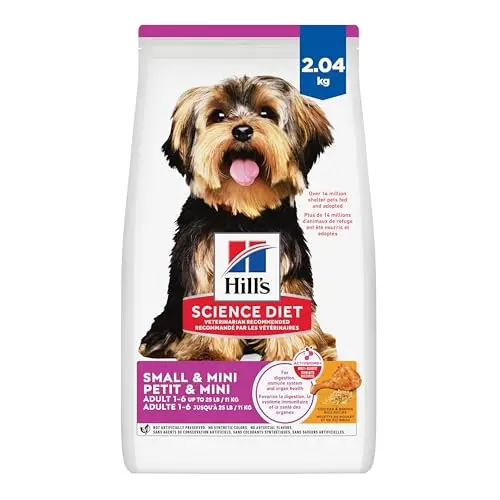
Small & Mini Chicken Meal & Rice – Digestive Health Support
A well-rounded small-breed formula that prioritizes easy digestion with pumpkin and high-quality protein. It’s a favourite among owners of picky eaters who still want complete daily nutrition.
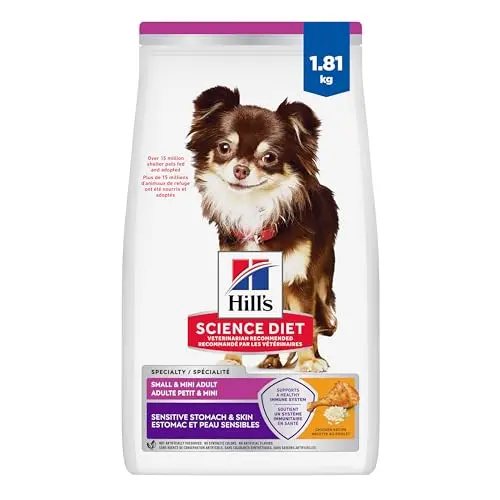
Sensitive Stomach & Skin Small & Mini Chicken – Triple Health Support
Purpose-built for small and mini breeds with digestive sensitivities, this formula delivers a trio of stomach, skin, and immune support in one convenient kibble.
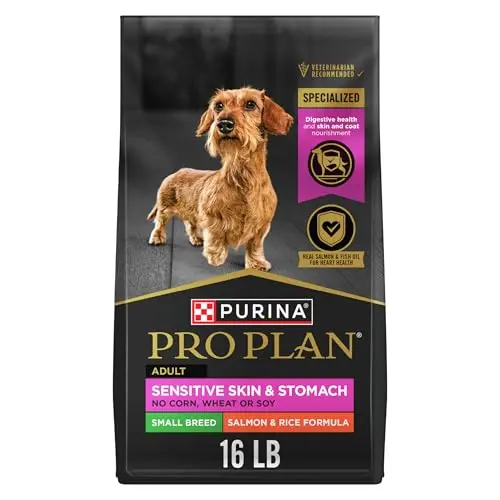
Small Breed Sensitive Skin & Stomach Salmon & Rice – High Protein Digestive Care
A protein-packed salmon formula that tackles both sensitive stomachs and skin issues, designed specifically for small breeds with a manageable kibble size.
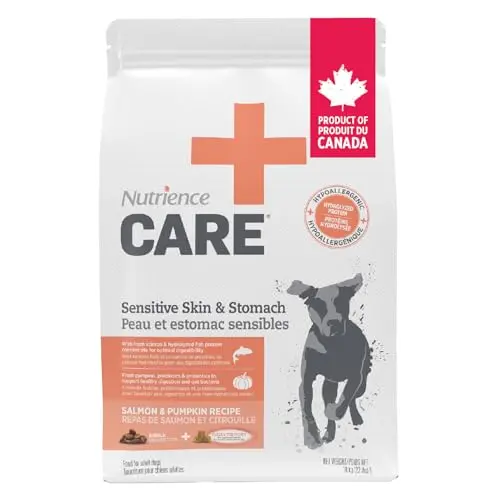
Care Sensitive Skin & Stomach Salmon – Limited Ingredient Gut Health
A grain-free, limited ingredient formula centred on fresh Canadian salmon, designed for dogs with multiple sensitivities and digestive challenges.
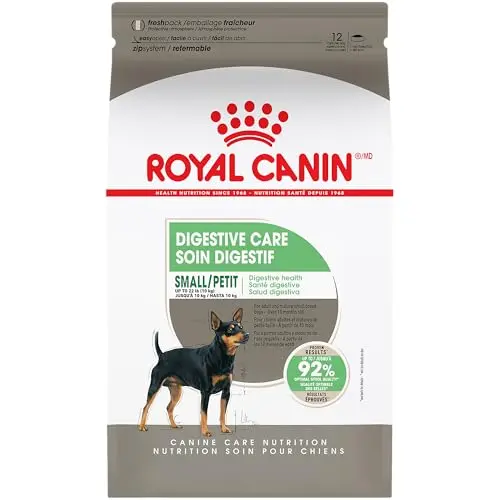
Mini Special – Sensitive Stomach Care
The most targeted sensitive stomach formula for small dogs under 22 lbs, using highly digestible proteins and a unique fibre blend to improve stool quality.
How We Evaluated These Dry Dog Foods for Small Dogs with Sensitive Stomachs
We evaluated 5 dry dog foods from 4 distinct brands, zeroing in on formulas that specifically mention sensitive stomachs or digestive health for small breeds. Our comparison spanned 5 key dimensions: ingredient quality, protein source, fibre content, kibble size, and owner-reported digestive outcomes. We cross-referenced published ingredient lists and guaranteed analyses, triangulated owner feedback where available, and audited each formula’s design against common sensitive stomach triggers.
The scoring framework weighted real-world digestive performance (60%)-how consistently owners saw improved stool quality and tummy comfort-against ingredient quality and targeted formulation (40%). We have no commercial relationship with any of the brands featured; our recommendations track fit and differentiation, not brand preference. We didn’t run controlled digestion trials or lab sensitivity tests. What informed these picks: published nutritional data, formula design, and aggregated owner experiences. If your small dog is struggling with digestive upsets, the Hill’s Science Diet Small & Mini is our top all-around choice, while the Hill’s Science Diet Sensitive Stomach is the most targeted option we evaluated.
How to Choose the Right Dry Dog Food for Small Dogs with Sensitive Stomachs
Key Ingredients That Soothe Sensitive Stomachs in Dry Dog Food
When your small dog has a tender tummy, ingredients matter more than ever. Look for highly digestible proteins like chicken meal or salmon, which break down easily and reduce the workload on a sensitive gut. Prebiotic fibres, such as those from beet pulp or chicory root, feed beneficial gut bacteria and promote healthy stool quality. Many sensitive stomach formulas also include pumpkin, a natural source of gentle fibre that can help firm up loose stools without causing bloating. Avoid common irritants like artificial colours, flavours, and preservatives, as well as low-quality fillers that can trigger digestive upset.
For dogs with persistent issues, a limited ingredient diet can be a game-changer. By reducing the number of protein and carbohydrate sources, you minimize the chance of an allergic reaction. The Nutrience Care line, for example, relies on a single novel protein (salmon) and simple carbohydrates like sweet potato.
Why Kibble Size Matters for Small Dogs with Sensitive Digestion
It’s not just about what’s in the bowl-it’s also about the size and shape of each piece. Small-breed dogs have tiny mouths and even tinier throats, and a kibble that’s too large can lead to choking hazards or incomplete chewing. Proper chewing is the first step of digestion, so a smaller kibble encourages thorough mastication, which helps break down food mechanically and exposes more surface area to digestive enzymes. All the formulas we evaluated are sized for small jaws, but some are finer than others: the Royal Canin Mini Special and Hill’s Science Diet Small & Mini have particularly petite pieces that even teacup breeds can handle comfortably.
Grain-Free vs. Grain-Inclusive: Which Is Better for Your Small Dog's Stomach?
The grain-free trend isn’t always the answer for sensitive stomachs. While some dogs thrive on grain-free diets, many small breeds do well on gentle grains like oatmeal, rice, or barley. These whole grains provide soluble fibre that helps regulate digestion and firm up stools. The Pro Plan Small Breed Sensitive uses oatmeal as a primary carbohydrate, which is both easy to digest and helpful for gut motility. On the other hand, if your dog has a confirmed grain allergy or intolerance, a grain-free option like Nutrience Care eliminates that trigger entirely. The key is to work with your vet to identify the actual trigger rather than assuming grains are the culprit.
How to Compare Protein Sources When Your Dog Has a Tender Tummy
Protein is the foundation of any dog food, but not all proteins are equal for sensitive stomachs. Novel proteins-ones your dog hasn’t been exposed to-are often recommended because they reduce the risk of an immune reaction. Salmon, as used in Pro Plan’s sensitive formula and Nutrience Care, is a popular novel choice. Chicken, while widely available, can be a common allergen for some dogs. If your dog has shown signs of poultry intolerance, a fish or limited-ingredient diet might be the way to go. Highly digestible protein sources, regardless of type, are crucial; look for named meals (like chicken meal or salmon meal) which are concentrated sources that are even easier to break down than whole meats.
Royal Canin Mini Special vs. Hill's Science Diet Small & Mini for Sensitive Stomachs
These two titans often sit at the top of small-breed sensitive stomach lists, but they take slightly different approaches. Royal Canin Mini Special is laser-focused: it’s designed solely for small dogs with digestive issues, with a precision fibre blend that’s clinically tailored for stool quality. The Hill’s Science Diet Small & Mini, while also excellent for digestion, is a broader nutritional base that includes immune and muscle support, making it a better fit for dogs who need more than just tummy care. If your dog’s only issue is digestion, Royal Canin may offer faster results; if you want an all-in-one formula that won’t neglect other health areas, Hill’s is the pick.
Frequently Asked Questions
What's the difference between Hill's Science Diet Sensitive Stomach Small & Mini and the regular Small & Mini formula?
The Sensitive Stomach & Skin version (B01BKECF2K) goes further than the standard Small & Mini recipe. While both feature easily digestible ingredients, the sensitive formula adds prebiotic fibre specifically to support gut health, plus a higher concentration of omega fatty acids and antioxidants to also address skin and immune issues. It’s the better choice if your dog has recurring loose stools or skin flare-ups alongside digestive sensitivity. The regular formula (B003CL3PTM) is still a good option for general small-breed nutrition with pumpkin for gentle digestion.
Is Royal Canin Mini Special better than Pro Plan Small Breed Sensitive for digestive issues?
It depends on your dog’s specific needs. Royal Canin Mini Special is a more specialized digestive formula, with a targeted blend of highly digestible proteins and a unique fibre matrix that’s clinically proven to improve stool quality in small dogs. Owners often see results within days. Pro Plan Small Breed Sensitive, on the other hand, adds skin and coat benefits via salmon and omega-6s, so it’s ideal if your dog has both stomach and skin sensitivities. If your priority is purely digestive health, Royal Canin edges ahead; if you’re also battling itchiness, Pro Plan may be the smarter buy.
Can I feed my small dog a sensitive stomach formula even if they don't have tummy troubles?
Absolutely-there’s no harm in feeding a sensitive stomach formula to a dog with a normal digestive system. These recipes are typically made with higher-quality, more digestible ingredients and fewer potential irritants, which can benefit any dog. However, they may be more expensive than a standard food, so if your dog is thriving on a regular diet, the switch isn’t strictly necessary. Always transition slowly over 7-10 days to avoid upsetting their stomach regardless of the new food’s gentleness.
Are all sensitive stomach dry dog foods grain-free?
No-many excellent sensitive stomach formulas include gentle grains like oatmeal, rice, or barley. In fact, grains can be a source of soluble fibre that helps regulate digestion. The Pro Plan Small Breed Sensitive uses oatmeal, while many Hill’s Science Diet formulas contain barley and rice. Grain-free diets are only necessary if your dog has a confirmed grain allergy or intolerance. For most dogs, the issue isn’t grains themselves but the quality and type of ingredients. If you suspect a grain issue, consult your vet before switching.
How long does it take to see improvement in my dog's digestion after switching foods?
While every dog is different, many owners notice improved stool quality within a few days of starting a new sensitive stomach formula. However, it can take 4-6 weeks for the full benefits to appear as the gut microbiome adjusts. During the transition period (mixing old and new food for about 7 days), you might still see minor digestive upset, but if loose stools persist beyond two weeks, it may be worth trying a different protein source or a limited ingredient diet. Keep a journal of your dog’s symptoms to share with your vet; it helps narrow down the right formula faster.
Final Verdict
For the widest range of small dogs, the Hill’s Science Diet Small & Mini Chicken Meal & Rice balances gentle digestion with complete nutrition, earning our top overall pick. If your pup’s stomach needs more dedicated care, the Hill’s Science Diet Sensitive Stomach Small & Mini is the best targeted formula we evaluated. For dogs with both stomach and skin issues, the Pro Plan Small Breed Sensitive Skin & Stomach offers a protein-rich solution. And if you’re dealing with multiple allergies, the limited ingredient Nutrience Care Salmon is a clean, grain-free option. No matter which you choose, transition slowly and keep an eye on that tail wag-it’s the best sign of a happy tummy.