
Staring at an aisle of colourful dog food bags, each promising shiny coats and happy tummies, can feel overwhelming. Dry kibble remains the most popular choice for adult dogs in Canada, but not every formula delivers on its claims. A great dry food balances high-quality protein, digestible carbohydrates, and targeted extras like probiotics or omega fatty acids-all while keeping your dog eager for mealtime.
Whether your dog is a tiny Terrier or a lumbering Lab, a generalist kibble or a breed‑specific recipe might be the better fit. We’ve sorted through top brands to highlight which dry foods genuinely support adult canine health, from everyday basics to solutions for sensitive stomachs and itchy skin. This guide helps you cut through the marketing and pick the right bag.
Best Dry Dog Foods for Adult Dogs – 2026 Reviews
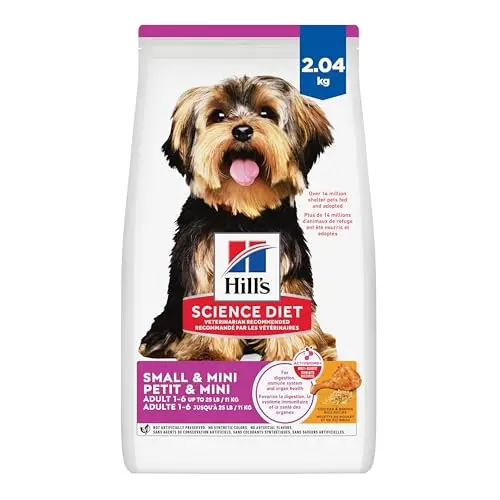
Adult Small & Mini Chicken Meal & Rice – Small Breed Nutrition
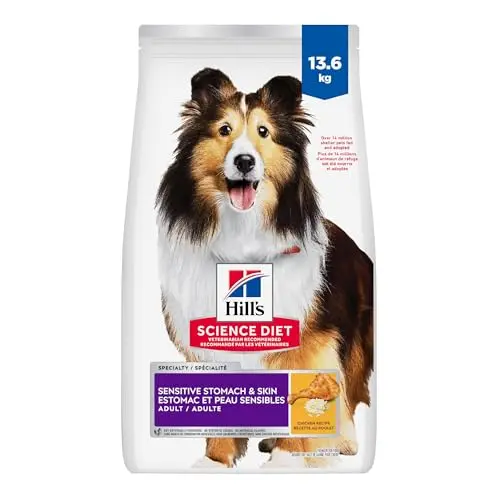
Adult Sensitive Stomach & Skin Chicken Recipe – Gentle Digestion Support
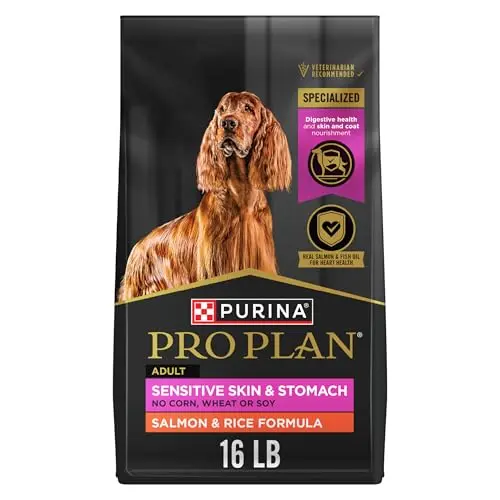
Sensitive Skin & Stomach Salmon & Rice – Omega-Rich Coat Care
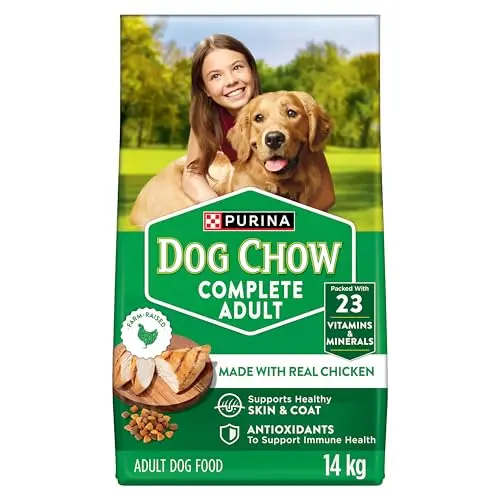
Complete Chicken Recipe – Affordable Everyday Nutrition
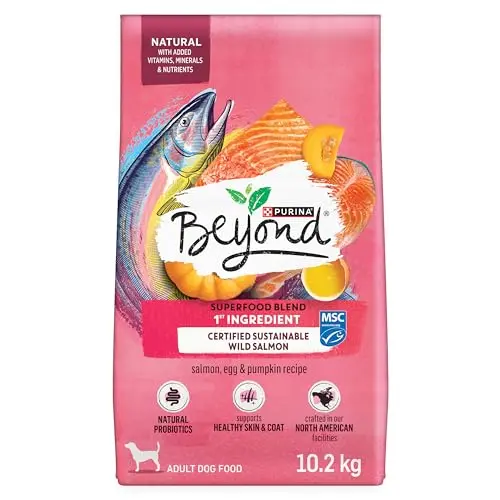
Superfood Blend Salmon, Egg & Pumpkin – Natural Grain-Free Recipe
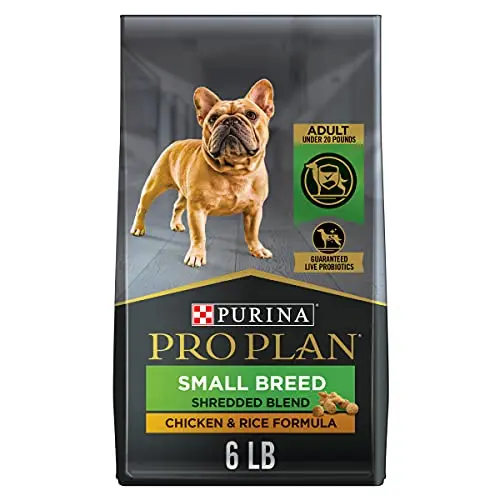
Savor Small Breed Shredded Blend Chicken & Rice – High-Protein Small-Bite
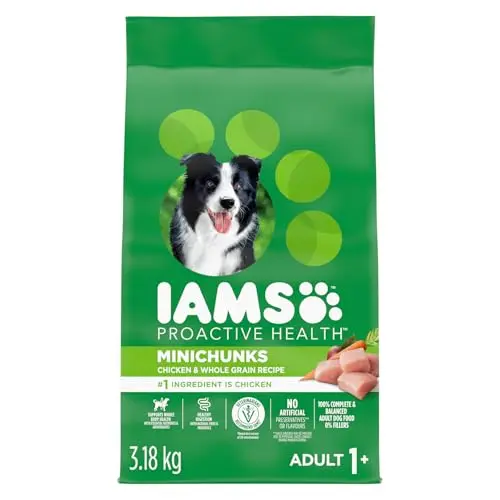
Proactive Health Minichunks Chicken & Whole Grain – Digestive Support in Every Bite
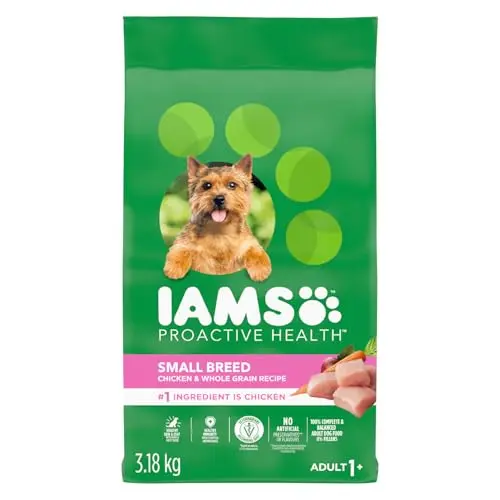
Small Breed Chicken & Whole Grain – Tailored Energy for Little Dogs
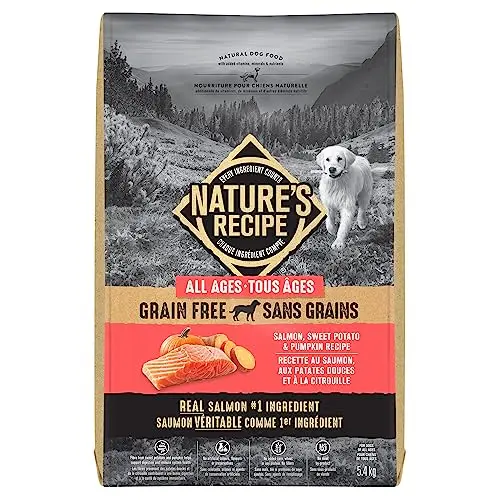
Grain Free Salmon, Sweet Potato & Pumpkin – Limited-Ingredient Nutrition
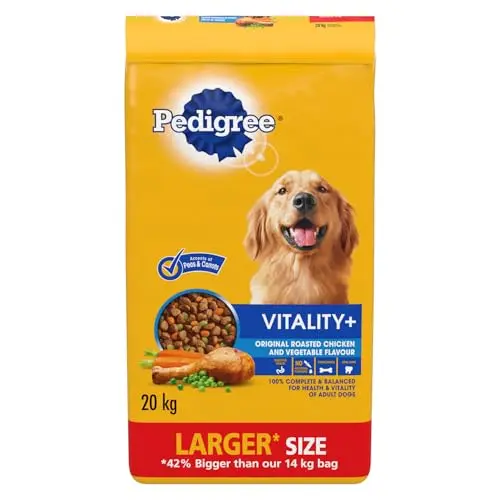
Vitality+ Roasted Chicken & Vegetable – Complete Nutrition, Canadian Made
How We Evaluated These Dry Dog Foods for Adult Dogs
We didn’t conduct veterinary-supervised feeding trials or multi-month health studies. Instead, we cross-referenced 10 dry dog foods from 7 distinct brands across five decision axes-protein quality, digestive support, ingredient transparency, kibble size, and value for everyday adult-dog feeding. We triangulated published specifications, aggregated owner feedback where available, and use-case fit against representative adult dog profiles.
The scoring framework weighted real-world performance (60%)-how well each food delivered on its digestive and overall health promises-against feature differentiation (40%)-unique technical advantages like breed-specific formulas or novel protein sources. Recommendations track fit and differentiation, not brand preference. If you’re shopping for a small adult dog, the Hill’s Science Diet Small & Mini stands out; for tighter budgets, the Dog Chow Complete is the value pick we’d recommend.
How to Choose the Right Dry Dog Food for Adult Dogs
Why Choose Dry Food for Your Adult Dog?
Dry kibble remains the most convenient, shelf-stable option for most dog owners. It’s cost-effective, easy to measure, and helps reduce tartar through crunchy chewing. For adult dogs past the growth stage, a complete and balanced dry formula can provide all necessary nutrients without the high caloric density some wet foods bring. That said, not all dry foods are equal-look for ones that prioritize animal-based protein sources and avoid unnecessary fillers.
Key Nutritional Needs for Adult Dogs
Adult dogs need a diet that maintains lean muscle mass, supports joint health, and fuels daily activity. Look for high-quality protein (chicken, salmon, or lamb) as the first ingredient. Healthy fats like omega fatty acids support skin and coat, while complex carbohydrates such as brown rice or oatmeal provide steady energy. Probiotics and prebiotic fibres are a bonus for digestive regularity, especially as dogs age.
Ingredient Quality: What to Look For
Scan the label for whole-food ingredients. Real meat, fish, or eggs should lead, followed by whole grains or vegetables. Avoid artificial colours, flavours, and preservatives. Products like Beyond Superfood Blend use wild-caught salmon and pumpkin, while Pro Plan Sensitive Skin & Stomach leans on salmon and oatmeal. High-quality ingredients often translate to better digestibility and fewer sensitivities.
Kibble Size and Breed Considerations
Small breeds need smaller, easier-to-chew kibble to prevent choking and to maintain dental health. The Pro Plan Savor Small Breed even combines tender shredded pieces with crunchy bits for texture variety. For larger dogs, standard or large-breed kibble encourages proper chewing and slows down fast eaters. Picking the right size can also make mealtime more enjoyable for your pup.
Digestibility and Sensitive Stomach Support
If your dog has a sensitive stomach, prioritize formulas with prebiotic fibre (like beet pulp or pumpkin) and easily digestible proteins. The Hill’s Science Diet Sensitive Stomach uses beet pulp to nurture gut bacteria, while IAMS claims to improve stool quality within 10 days. Gradual transitions are always key to avoiding digestive upset.
Balancing Quality and Budget
Price doesn’t always correlate with quality, but you often get what you pay for in terms of specialized proteins and added wellness boosters. Bulk bags like Pedigree Vitality+ 20 kg offer unmatched per-meal savings, while premium options like Hill’s Sensitive Stomach come in larger sizes to reduce long-term cost. Factor in your dog’s specific needs and your budget to find middle ground.
Grain-Free vs. Grain-Inclusive: What's Best?
Grain-free diets like Nature’s Recipe Grain Free can be helpful for dogs with specific grain allergies, but most adult dogs thrive on quality grain-inclusive foods. Whole grains like oatmeal and brown rice provide energy and fibre. Unless your vet advises otherwise, grain-inclusive is often the safer, more balanced choice for everyday feeding.
Frequently Asked Questions
What's the difference between Hill's Science Diet and Purina Pro Plan for adult dogs?
Hill’s Science Diet leans heavily on veterinarian-backed formulas with targeted solutions, like the Small & Mini recipe for pint-sized pups or the Sensitive Stomach option with prebiotic beet pulp. Purina Pro Plan offers similar specialization-like the Sensitive Skin & Stomach Salmon-but often with a stronger focus on high protein and diverse protein sources (chicken, salmon, lamb). Both brands have extensive research behind them, but Hill’s tends to use more standardized ingredient decks, while Pro Plan frequently introduces novel textures (shredded blends) and probiotics. Your choice comes down to whether your dog needs a specific digestive remedy or a high-protein, flavour-forward diet.
How does IAMS Minichunks compare to Dog Chow Complete?
IAMS Minichunks is built around digestive health, with a proprietary fibre and prebiotic blend that claims to improve stool within 10 days. It also has a smaller kibble size suitable for all breeds. Dog Chow Complete is a more basic, budget-focused formula with real chicken and antioxidants, but without specialized probiotics. If your dog has occasional GI issues, IAMS might be worth it; for a healthy dog that just needs balanced everyday nutrition, Dog Chow is a solid, affordable choice.
Is grain-free dry dog food necessary for adult dogs?
For most adult dogs, grain-free isn’t necessary and may even be less desirable unless a specific allergy is diagnosed. Whole grains like brown rice and oatmeal are excellent sources of digestible energy and fibre. Grain-free diets often replace grains with legumes or potatoes, which haven’t been linked to the same long-term health research. The FDA’s investigation into canine dilated cardiomyopathy has made many vets cautious. Always consult your veterinarian before switching to grain-free; options like Nature’s Recipe Grain Free are best reserved for dogs with confirmed grain intolerances.
Does dry dog food provide complete nutrition for adult dogs?
Yes, a high-quality dry dog food labeled ‘complete and balanced” meets all AAFCO nutritional standards for adult maintenance. These foods are formulated to provide the right ratios of protein, fat, vitamins, and minerals. However, every dog is an individual-activity level, breed, and health conditions can influence whether a particular dry food is truly optimal. For most dogs, a well-chosen dry kibble like Hill’s Science Diet Small & Mini covers all bases. Just be sure to check with your vet for breed‑specific or health‑related adjustments.
How do I transition my adult dog to a new dry food?
Transition slowly over 7-10 days to avoid digestive upset. Start with 25% new food mixed with 75% old food for the first two days, then gradually increase the new food proportion every couple of days. Watch for loose stools or refusal-these are signs to slow the switch. Adding a little warm water to the kibble can also ease the transition by softening the texture and releasing aromas. If your dog has a sensitive stomach, a probiotic supplement during the switch can help.
Final Verdict
For most adult dogs, the Hill’s Science Diet Adult Small & Mini is the standout overall-it combines top-tier digestibility with small-breed‑specific nutrition that even picky eaters love. If your budget is the priority, the Dog Chow Complete Chicken keeps costs down without sacrificing basic quality. For dogs with sensitive skin, the Pro Plan Sensitive Skin & Stomach Salmon is a coat‑nourishing hero. And when a premium, gut‑soothing formula is the goal, the Hill’s Science Diet Sensitive Stomach is worth every penny. Whichever you choose, a well‑formulated dry food is the simplest way to keep your adult dog happy and healthy.