
Feeding a dachshund comes with a unique set of challenges. Those long backs and short legs are just part of the story – when you’re staring at a wall of dog food bags, you’re really puzzling over kibble size, calorie density, and joint-friendly ingredients. Get it right, and you’re setting your doxie up for years of happy zoomies. Get it wrong, and you risk weight gain that puts extra strain on that signature spine.
We’ve been cross-shopping dry dog foods specifically with dachshunds in mind – looking beyond the marketing claims to the actual ingredient panels, customer feedback, and real-world performance. In this guide, you’ll find our picks sorted by what matters most: small-breed suitability, weight management, joint support, and digestive sensitivity. Because your sausage dog deserves a diet as well-proportioned as they are.
Best Dry Dog Foods for Dachshunds – 2026 Reviews
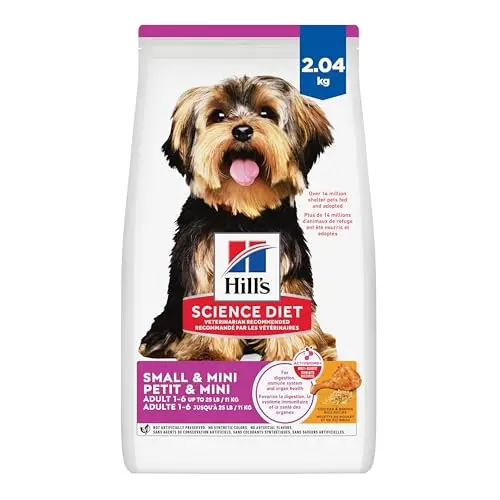
Small & Mini Chicken Meal & Rice – Small Kibble for Small Breeds
A standout choice that nails small-breed nutrition from the first scoop. Hill’s leverages its veterinary diet expertise to deliver a kibble that’s sized for tiny mouths and packed with easy-to-digest ingredients like pumpkin. It’s the kind of well-rounded formula that makes daily feeding feel off your checklist.
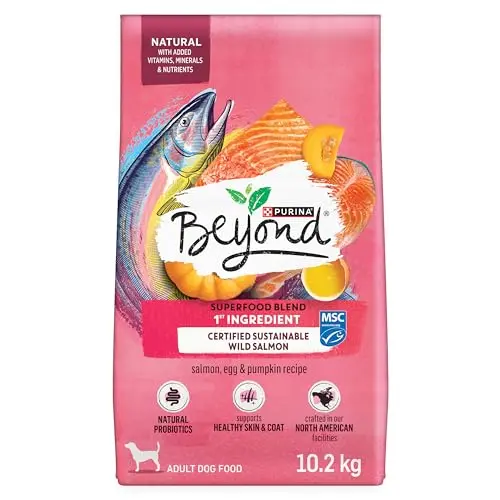
Superfood Blend Wild Salmon, Egg & Pumpkin – No Corn, Wheat, or Soy
If your dachshund has a delicate digestive system or food sensitivities, this limited-ingredient recipe is a breath of fresh air. It ditches common allergens like corn, wheat, and soy, while leaning on wild salmon and pumpkin for a nutrient-dense, easy-on-the-tummy meal.
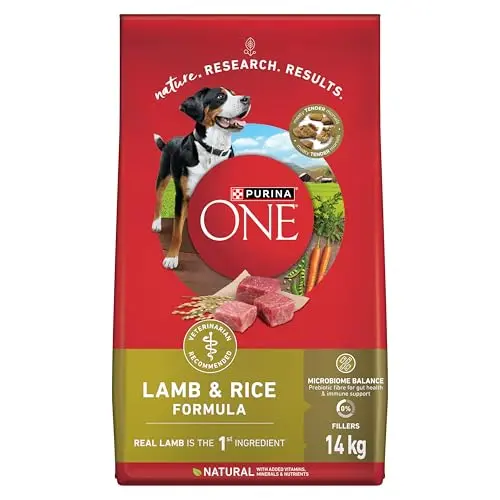
Microbiome Balance Lamb & Rice – Gut Health Formula
Focusing on digestive health through prebiotic fibre, this lamb-based recipe supports the gut microbiome – a growing focus in canine nutrition. With real lamb leading the ingredient panel, it’s a sensible pick for dachshunds who need steady, digestible energy.
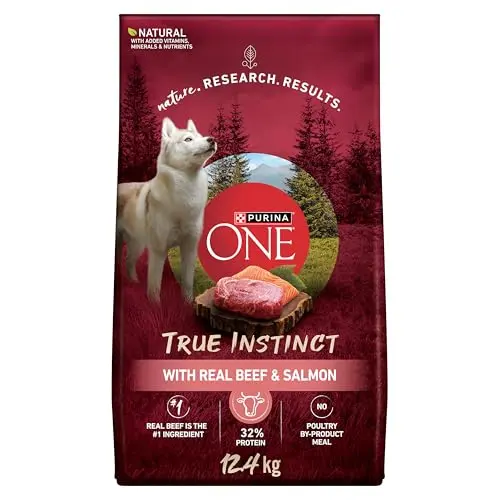
True Instinct Beef & Salmon – High Protein, No Poultry By-Products
With a protein bump to 32% and real beef as the star, this high-energy formula is built for dachshunds who are more bounce than lounge. The added salmon brings omega-3s, and the antioxidant blend supports a strong immune system.
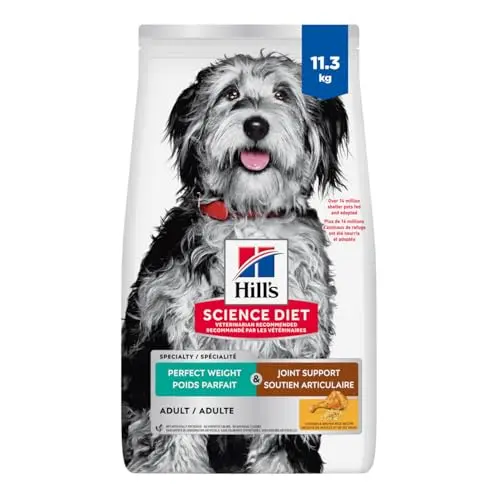
Perfect Weight & Joint Support Chicken – Weight Management in 10 Weeks
Engineered specifically for dogs who need to shed a few pounds while protecting their joints, this formula is a dachshund’s dream. It promises visible weight loss within 10 weeks, with added ingredients like fish oil and flaxseed to ease mobility.
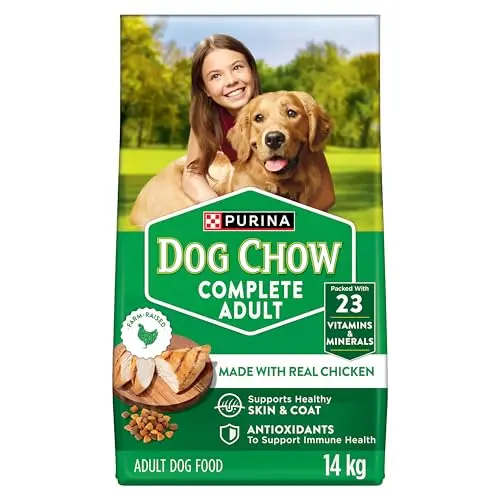
Complete Chicken – Budget-Friendly Staple
A no-frills, budget-conscious option that still ticks the boxes for complete nutrition. With real chicken as the first ingredient and no artificial flavours, it’s a straightforward choice for dachshund owners who prioritize value.
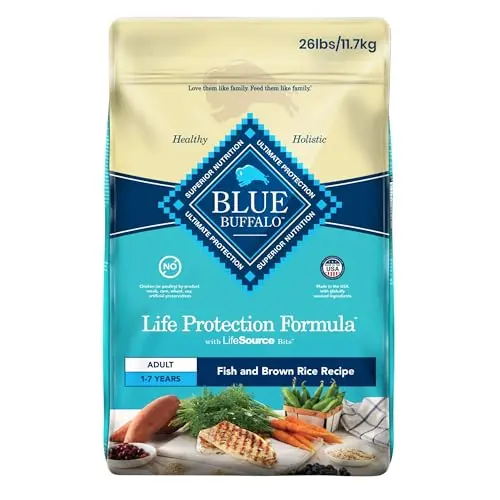
Life Protection Formula Fish & Brown Rice – Made with Real Whitefish
Starting with deboned whitefish and packing in those iconic LifeSource Bits, Blue Buffalo offers a protein-rich, grain-inclusive option for dachshunds. It avoids poultry by-products and common allergens like corn, wheat, and soy.
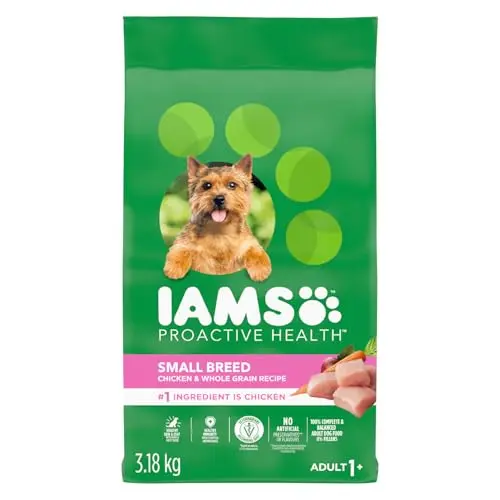
Proactive Health Small Breed Chicken – Optimal Digestion in 10 Days
Tailor-made for dogs under 20 pounds, this small-breed formula focuses on digestive health with a 10-day optimal poop guarantee. It’s an affordable, targeted choice that doesn’t skimp on the essentials.
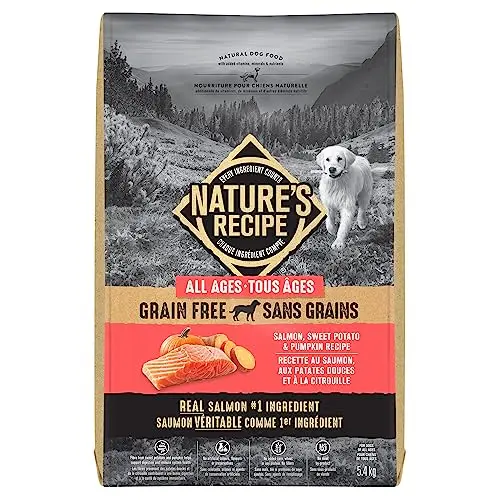
Grain Free Salmon, Sweet Potato & Pumpkin – All Life Stages
This grain-free, salmon-forward recipe is built around a short list of simple ingredients and is formulated for all life stages. It’s a clean option for dachshunds who do best on limited-ingredient diets.
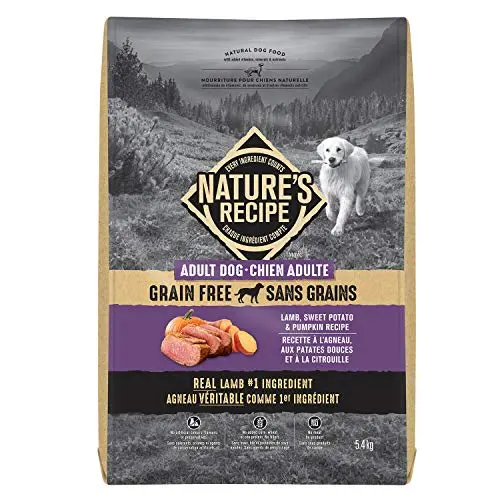
Grain Free Lamb, Sweet Potato & Pumpkin – Limited Ingredient
A lamb-based limited-ingredient diet that skips the grains and focuses on digestive and joint health. With sweet potato and pumpkin providing fibre, it’s another contender for dachshunds with food sensitivities.
How We Evaluated These Dry Dog Foods for Dachshunds
We didn’t run these through a veterinary nutrition lab. What we did: cross-referenced 10 dry dog food models from 7 distinct brands across key decision axes for dachshunds – ingredient quality, kibble size, calorie density, joint support, digestive health, and overall breed suitability. We triangulated published ingredient panels, nutrient profiles, and aggregated owner feedback where available, weighing each product against the specific nutritional demands of a long-bodied, small-breed dog.
The scoring framework weighted real-world performance for a dachshund (60%) – how well the food supports weight management, joint care, and small-mouth eating – against feature differentiation (40%) – unique nutritional blends, limited-ingredient formulations, or proven health claims. We have no commercial relationship with any of the brands featured; recommendations track fit and differentiation, not brand preference. If you’re looking for an all-around winner, the Hill’s Science Diet Small & Mini is our top pick; if weight and joint concerns keep you up at night, the Hill’s Perfect Weight & Joint is purpose-built for the task.
How to Choose the Right Dry Dog Food for Your Dachshund
Why Dachshunds Need Specialized Nutrition
Dachshunds are a chondrodystrophic breed, meaning their long spine and short legs put them at higher risk for intervertebral disc disease (IVDD). That makes weight management the single most impactful nutritional lever you can pull – every extra ounce adds strain to those discs. Look for foods that are calorie-conscious but still satisfying, often with higher fibre to promote fullness. Beyond weight, dachshunds are prone to patellar luxation and joint issues, so ingredients like glucosamine, chondroitin, and omega-3 fatty acids become valuable additions to the daily bowl.
Kibble Size and Shape Matter More Than You Think
If your dachshund is a gulper or tends to leave half the kibble in the bowl, the food’s physical design could be the culprit. Small, flat kibble is easier for small jaws to crush, reducing the risk of choking and improving digestion. Many small-breed formulas explicitly call out kibble dimensions, and owners consistently report that their dogs eat more eagerly when the pieces are appropriately sized. A general rule: if you can’t comfortably pinch the kibble between your thumb and forefinger, it’s likely too large for a dachshund.
Protein and Fat: The Energy Equation
Dachshunds are moderate-energy dogs, but a high-protein diet (think 25% or more) helps maintain lean muscle mass without encouraging weight gain. Aim for named animal proteins like chicken, lamb, or salmon as the first ingredient, and avoid vague terms like “poultry meal” that can mask lower-quality sources. Healthy fats like chicken fat or fish oil provide energy and support skin and coat health, but they also add calories, so balance is key. For overweight dachshunds, a lower-fat (8-12% dry matter) formula can help trim down.
Digestive Health and Common Allergens
Dachshunds can be prone to food sensitivities, with common triggers including chicken, beef, corn, wheat, and soy. If your dog shows signs like itchy paws, ear infections, or loose stool, consider a limited-ingredient diet (LID) that strips the ingredient list to a single protein and carbohydrate source. Prebiotic fibres and probiotics, now found in many premium formulas, can also stabilize gut health and improve nutrient absorption. When switching foods, always transition over 7-10 days to avoid digestive upset.
Wet vs. Dry: Why Kibble Often Wins for Dachshunds
While wet food has its place, dry kibble offers a dental benefit – the crunch helps scrape plaque off teeth, which is important for a breed often susceptible to dental disease. Kibble is also easier to measure for precise portion control and less messy for those floppy ears. That said, mixing in a small amount of water or wet food can be helpful for seniors or dogs with dental issues. For most adult dachshunds, a high-quality dry food hits the sweet spot of convenience and oral health.
Grain-Free: Fad or Function?
The grain-free trend has come under scrutiny, with FDA investigations into a possible link between grain-free diets and dilated cardiomyopathy (DCM) in some dogs. While the science is still evolving, the current advice is caution: unless your dachshund has a confirmed grain allergy, there’s no proven benefit to grain-free and potential risk. Whole grains like brown rice and oatmeal can be healthy sources of fibre and energy. If you do opt for grain-free, look for recipes that include taurine-rich ingredients and discuss the choice with your vet.
Hill's Science Diet vs. Purina ONE for Dachshunds: Which Brand Wins?
Both brands have strong small-breed offerings, but they cater to slightly different priorities. Hill’s Science Diet leans heavily into veterinary science with formulas like Perfect Weight & Joint Support that target dachshund-specific health issues. Their Small & Mini recipe is one of the few available that checks all boxes: small kibble, digestive care, and weight maintenance. Purina ONE, on the other hand, takes a broader approach with microbiome balance and high-protein lines that work well for many dogs but require more careful portion control for a small breed. If you want a tailored solution and don’t mind the price, Hill’s is often the safer bet. If you’re managing an easygoing, healthy adult and value a larger bag size, Purina ONE offers excellent everyday nutrition.
Frequently Asked Questions
What's the difference between the Hill's Science Diet Small & Mini and the Perfect Weight & Joint formulas?
Both are excellent, but they serve different dachshunds. The Small & Mini (rank 1) is a maintenance formula for healthy-weight adult dogs, with a focus on small kibble size, digestion, and overall vitality. The Perfect Weight & Joint (rank 5) is a therapeutic weight-loss formula that includes added joint support (glucosamine, chondroitin) and is clinically shown to deliver visible weight loss in 10 weeks. If your dachshund is already at a healthy weight, go with the Small & Mini. If they’re carrying extra pounds or showing stiffness, the Perfect Weight & Joint is the more targeted choice.
Is grain-free dog food better for dachshunds?
Not necessarily. While some dachshunds with specific grain allergies or sensitivities may benefit from a grain-free diet, the current veterinary consensus is cautious. Research has suggested a possible link between grain-free diets and heart disease in some breeds, so unless your vet recommends it, a grain-inclusive food with wholesome grains like brown rice or oatmeal is generally safer and still provides excellent nutrition. Always base the decision on your individual dog’s health, not marketing trends.
How do I choose between the Beyond Superfood Blend and the Nature's Recipe Grain Free for a sensitive dachshund?
Both are strong limited-ingredient options, but they differ in protein source and philosophy. The Beyond Superfood Blend (rank 2) uses wild salmon and eggs, with no corn, wheat, or soy, making it ideal if you suspect poultry sensitivity and your dog likes fish. The Nature’s Recipe Lamb (rank 10) offers a novel protein (lamb) but includes chicken meal for joint support, which could be a problem if your dog is chicken-allergic. For a true novel protein and fish-forward diet, Beyond has the edge; if lamb works and you want built-in glucosamine, Nature’s Recipe is worth considering – just verify poultry tolerance first.
What's the ideal kibble size for a miniature dachshund?
The kibble should be small enough to crush easily, generally under 1 cm in diameter and flat rather than spherical. Miniature dachshund puppies (under 11 pounds) often need even smaller pieces, so look for foods specifically labelled “small breed” or “mini.” The IAMS Small Breed and Hill’s Small & Mini are two examples with appropriately tiny kibble. If you’re unsure, test the crunch factor: if your dog, especially a puppy, struggles to break it in half, it’s too big.
Can I feed my dachshund the same food as my larger dogs?
It’s not ideal. Dachshunds have a much slower metabolism per pound than large breeds, so a food formulated for a Labrador may pack too many calories into a portion that looks tiny in the bowl. This often leads to overfeeding and weight gain. Additionally, the kibble size may be too large, and joint-supporting nutrients are often dosed for bigger frames. Stick with a small-breed or weight-management formula to keep your dachshund lean and avoid the health risks of excess weight on a long spine.
Final Verdict
For the vast majority of dachshunds, the Hill’s Science Diet Small & Mini checks every box: small kibble, digestive support, lean muscle maintenance, and the backing of veterinary science. It’s the one we’d recommend to a friend without hesitation. If your pup struggles with food sensitivities, the Beyond Superfood Blend offers a clean, salmon-based alternative that’s gentle on the stomach. And if weight and joints are your top concern, the Hill’s Perfect Weight & Joint Support is purpose-built to tackle both in a clinically validated way. For budget-minded households, the IAMS Small Breed delivers solid, breed-appropriate nutrition without the premium price. No matter which you choose, your dachshund’s long-term health starts in the bowl – here’s to many more years of wagging tails and short-legged sprints.