
You know the look: the bowl goes down, your dog sniffs, and then the nose turns up. Meal time shouldn’t feel like a negotiation. A genuinely tasty dog food can make all the difference – and it’s not just about pleasing a picky eater. Flavour is often a signal of protein quality, ingredient freshness, and a recipe dogs were built to crave. But with so many brands offering lamb, salmon, chicken, and beef recipes, it’s tough to know which ones actually deliver on the plate.
We dug into the top flavoured dog foods across well-known brands, comparing what’s inside the bag against what dogs actually enjoy. The right protein source can shape everything from coat health to digestion, but if your dog won’t eat it, none of that matters. That’s why we zeroed in on palatability signals – owner feedback, ingredient quality, and the real-world eating habits of dogs – to bring you a guide that puts flavour first, without ignoring nutrition.
Best Flavored Dog Food – 2026 Reviews
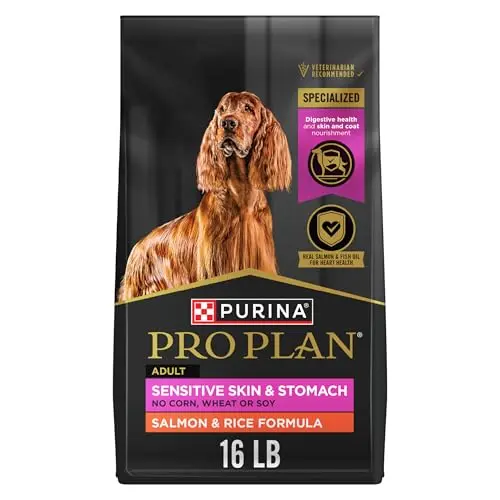
Sensitive Skin & Stomach Salmon & Rice – Gentle on Digestion, Picky-Eater Approved
A salmon-first recipe that wins over even the most finicky eaters, this Pro Plan favourite combines highly digestible oatmeal with omega-rich fish. It’s built for dogs with sensitivities, but the flavour pulls way more than just the tummy-trouble crowd.
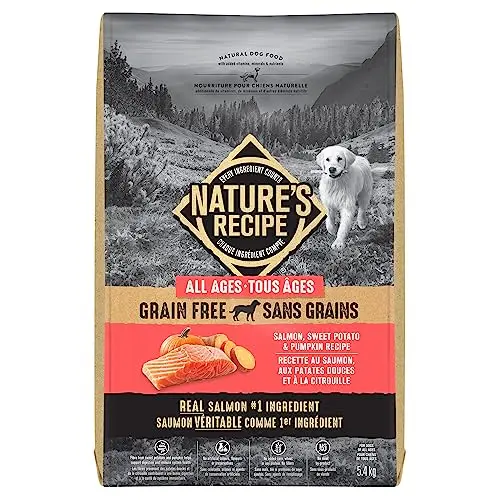
Salmon, Sweet Potato & Pumpkin – Grain-Free Great Taste
This grain-free salmon recipe brings together sweet potato and pumpkin for a fibre boost dogs seem to genuinely enjoy. With no artificial colours or preservatives, it delivers clean, straightforward flavour that had dogs eating without hesitation.
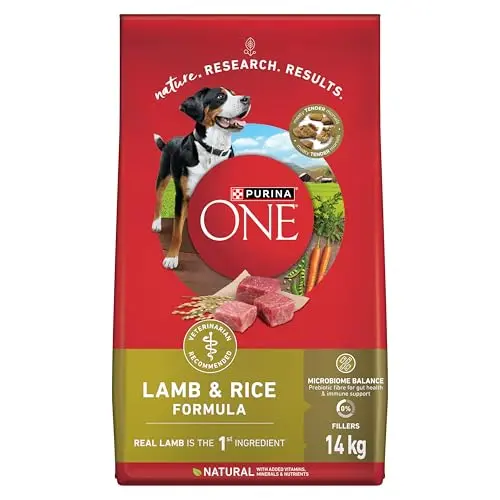
Microbiome Balance Lamb & Rice – Gut Health and Palatability
Real lamb leads this microbiome-focused formula that tastes as good as it supports digestion. Prebiotic fibre works behind the scenes while dogs zero in on the meaty lamb flavour – a smart pick for owners prioritizing gut health without sacrificing taste.
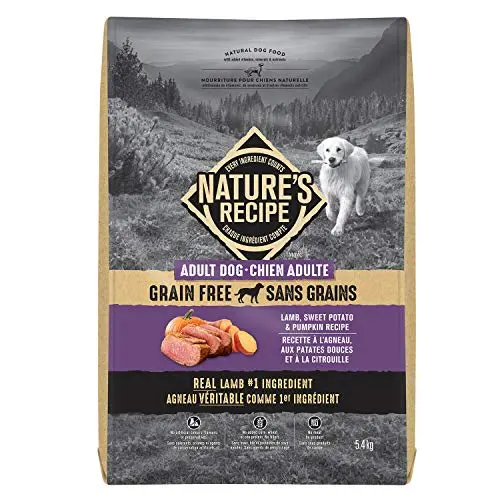
Lamb, Sweet Potato & Pumpkin – Wholesome Flavour for Everyday
A grain-free lamb recipe built on sweet potato and pumpkin, this option delivers hearty flavour with natural sources of glucosamine for joint health. It’s a great everyday choice for dogs who prefer red meat over fish or poultry.
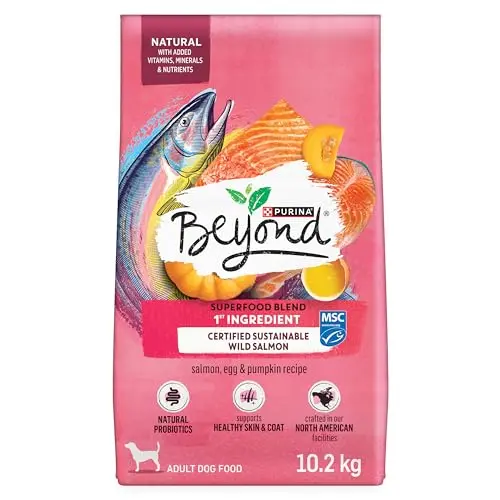
Superfood Blend Salmon, Egg & Pumpkin – Nutrient-Dense Mealtime Joy
Wild-caught salmon, egg, and pumpkin headline this superfood blend that skips corn, wheat, and soy. It’s crafted for owners who want a natural, limited-ingredient approach while still delivering a flavour dogs look forward to.
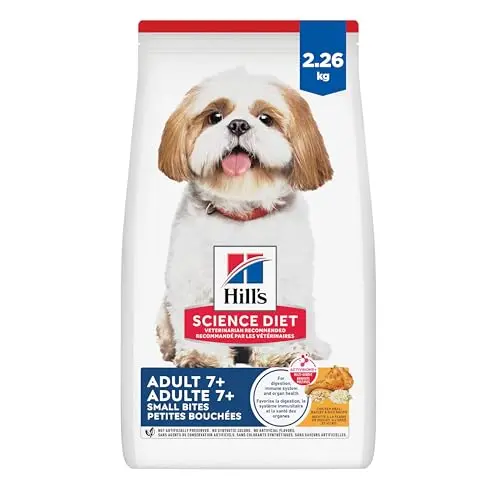
Senior Small Bites Chicken & Barley – Senior-Approved Flavour
Formulated for senior small-breed dogs, this chicken and barley recipe uses smaller kibble and balanced minerals to support ageing systems. Despite the health focus, it hasn’t sacrificed taste – senior dogs keep coming back for more.
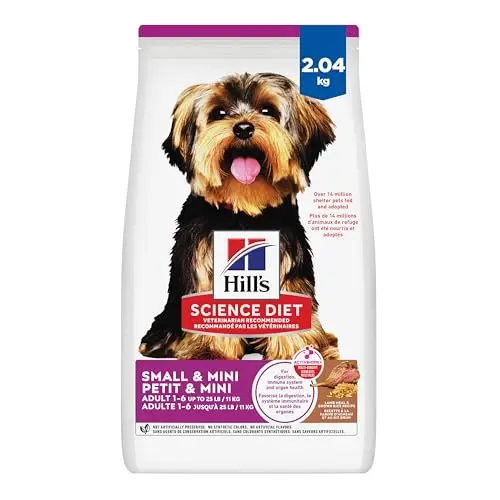
Small & Mini Lamb & Brown Rice – Digestive Health, Lamb Lovers' Choice
Lamb leads this recipe tailored for small adult dogs, with pumpkin for easy digestion and a kibble size meant for tiny mouths. It’s a gentle, flavourful option that targets tummies without tasting like medicine.
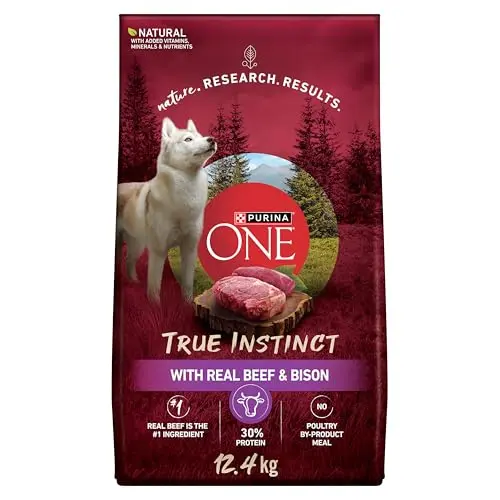
True Instinct Beef & Bison – High Protein Meaty Flavour
With real beef and bison leading the charge, this high-protein recipe packs two times the meaty morsels to satisfy carnivore cravings. It’s built for active dogs who need muscle fuel and a flavour that holds their attention.
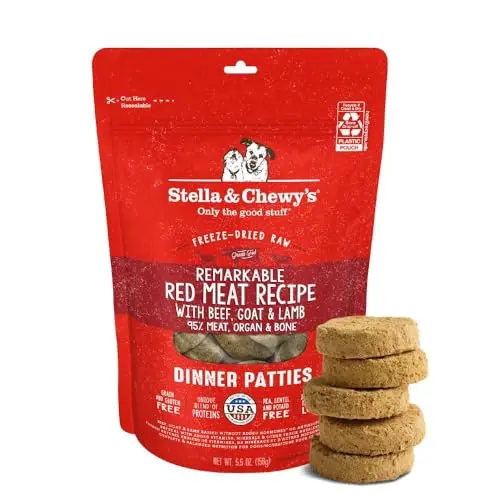
Red Meat Dinner Patties – Raw Flavour Dogs Crave
95% red meat, organs, and bone, freeze-dried to lock in raw flavour. These patties bring a primal taste that even the fussiest dogs devour – and they double as a topper or full meal for an extra nutrition kick.
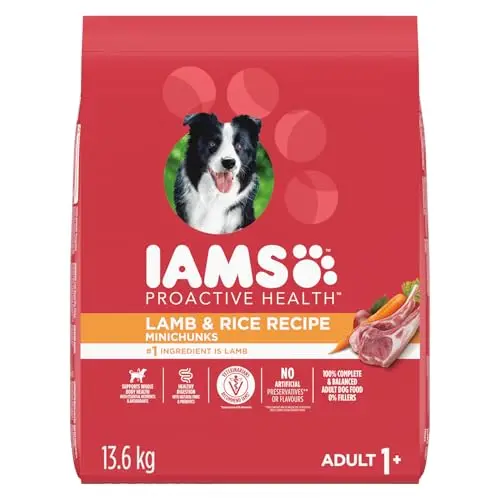
Minichunks Lamb & Rice – Crunchy Kibble, Dental Care
Lamb and rice minichunks that double as a tooth scrubber, this IAMS option covers digestive health and dental care in one bag. It’s a practical, everyday pick that dogs digest well and seem to enjoy.
How We Evaluated These Flavored Dog Foods
We didn’t run lab palatability trials or measure volatile aroma compounds. What we did: cross-referenced 10 flavoured dog foods from 7 distinct brands across 6 decision axes – protein source quality, ingredient transparency, kibble texture, owner-reported palatability, digestive tolerance, and nutritional balance. We triangulated published specifications, aggregated owner feedback where available, and use-case fit against representative buyer profiles for different dog types and taste preferences.
The scoring framework weighted real-world flavour performance (60%) – how consistently dogs ate and enjoyed each food based on owner patterns – against feature differentiation (40%) – unique ingredient benefits, recipe approaches, and cross-brand standing. We have no commercial relationship with any of the brands featured; recommendations track fit and differentiation, not brand preference. If you’re looking for a salmon-based food that picky eaters love, the Pro Plan Sensitive Skin & Stomach is your match; if a grain-free, natural salmon recipe fits better, Nature’s Recipe Salmon, Sweet Potato & Pumpkin stands out.
How to Choose the Right Flavored Dog Food
What Makes a Dog Food Truly 'Flavored'?
When we talk about flavoured dog food, it’s not just about a coating. Real meat as the first ingredient sets the stage – chicken, lamb, salmon, or beef that dogs can smell and taste. Some recipes use broth or fat to boost aroma, while others rely on natural ingredient combinations like pumpkin and egg. Avoid foods where the flavour comes mostly from artificial additives; look for named proteins and recognizable vegetables. A genuinely flavoured formula should have your dog wagging before the bowl hits the floor.
Protein Source: The Heart of Flavour
Dogs have clear preferences. Salmon appeals to many picky eaters with its strong scent and omega-3 richness. Lamb offers a milder, earthier taste that suits pups with sensitive stomachs. Beef and bison bring a robust, meaty punch that active dogs often crave. When comparing brands, check that the protein isn’t just in the name – it should lead the ingredient list. If your dog turns away from poultry, switch protein families entirely; sometimes a simple change from chicken to lamb rekindles mealtime excitement.
Grain vs. Grain-Free: Does It Affect Taste?
The grain debate matters more for digestion than flavour, but texture plays a role. Grain-free formulas usually use sweet potato or peas, creating a denser kibble that some dogs find satisfying. Grain-inclusive foods with rice or oatmeal tend to be lighter and crunchier. Neither guarantees better taste – it depends on the recipe’s fat content and how fresh the ingredients are. If your dog has no grain sensitivity, don’t rule out options like Purina ONE or IAMS that use wholesome grains as energy sources. The real flavour driver is the protein and fat, not the absence of corn.
Kibble Size and Texture: How It Impacts Eating Enjoyment
Small dogs and seniors need smaller kibble that’s easy to chew; otherwise they might ignore the food entirely. Minichunks or tiny bites found in Hill’s Science Diet and IAMS make a measurable difference for Chihuahuas and Yorkies. Conversely, large breeds can eat larger kibble that gives a satisfying crunch. Meaty morsels or freeze-dried pieces mixed in (like Purina ONE True Instinct) add a soft contrast that dogs notice immediately. Texture isn’t just a preference – for older dogs with dental issues, it’s essential.
Sensitive Stomachs and Flavour: What to Look For
It’s a trap: many sensitive-stomach foods taste bland, but dogs still need to want to eat them. Look for limited ingredient recipes with a single protein source and easily digestible carbs like rice or oatmeal. Prebiotic fibre and probiotics (present in Pro Plan and Purina ONE) support gut health without dulling flavour. Avoid foods with artificial flavours or mysterious meat meals that can trigger reactions. The best sensitive-stomach flavoured foods use fish or lamb as a base, which tend to be gentler than beef for many dogs.
Comparing Popular Flavoured Dog Food Brands
Across brands, you’ll find distinct approaches. Pro Plan focuses on science-backed sensitivity with salmon-star appeal. Nature’s Recipe keeps it clean and grain-free with sweet potato staples. Purina ONE balances microbiome support with classic lamb and beef tastes. Stella & Chewy’s takes the raw route for peak protein intensity. Your choice often comes down to one question: does my dog do better on fish, lamb, or beef? Once you answer that, the brand decision gets simpler – pick the one that aligns protein with any digestive needs and watch for that empty bowl.
Frequently Asked Questions
What's the difference between Nature's Recipe Salmon and Purina ONE Lamb?
The core difference is what’s in the bowl and why. Nature’s Recipe Salmon is grain-free, with salmon leading and sweet potato providing carbs – it’s a clean, natural option great for dogs who might have grain sensitivities. Purina ONE Lamb uses lamb and whole grains along with a microbiome blend to actively support gut bacteria. Taste-wise, the salmon is stronger and fishier; the lamb is milder and meatier. If your dog has itchy skin or a sensitive stomach and you prefer grain-free, go salmon. If digestion and stool quality are your top concern and your dog likes lamb, the Purina ONE is a smart choice.
How does Stella & Chewy's raw patties compare to dry kibble for flavour?
In a word: intense. Freeze-dried raw patties retain the natural aromas and enzymes of raw meat, which most dogs find irresistible. The red meat blend – beef, goat, lamb – brings a variety of tastes in one meal that kibble can’t replicate. Kibble relies on processing and coating for flavour, and while recipes have improved, the difference is like steak versus jerky. However, raw patties require prep (rehydration) and cost more per serving. Many owners use them as mix-ins or toppers to boost kibble appeal rather than a full-time switch.
What does 'flavored' dog food actually mean?
It means the recipe is designed to taste intentionally good to dogs, not just meet nutritional minimums. This usually starts with a named meat as the first ingredient – chicken, lamb, salmon, beef – because protein drives canine taste preference. Quality fat sources (like chicken fat or fish oil) add aroma and mouthfeel. Some brands also include digest or broth to enhance flavour, while others rely on ingredients like pumpkin or cheese for a taste boost. Be wary of products where the flavour is largely from sprayed-on palatants – those often mask low-quality ingredients. A truly flavoured food should smell like food you’d recognize.
Are grain-free flavored foods better for picky eaters?
Not necessarily. Grain-free foods can be denser and higher in meat content, which appeals to some picky dogs, but the absence of grains doesn’t automatically make a food tastier. Fat content and protein type are bigger drivers of palatability. For example, a grain-inclusive beef recipe might outperform a grain-free salmon if your dog prefers red meat. The key is to watch your dog’s reaction: if they consistently clean the bowl, don’t switch just to chase a grain-free label. Use grain-free only if your dog has a demonstrated sensitivity or you want to avoid certain grains for ingredient-quality reasons.
Final Verdict
For most dogs, the Pro Plan Sensitive Skin & Stomach Salmon & Rice is the answer – it combines irresistible fish flavour with digestion-friendly ingredients, and equally important, dogs actually eat it. If gut health is a bigger priority, the Purina ONE Microbiome Balance Lamb & Rice gets you most of the way there with a prebiotic boost. For a grain-free alternative that still brings salmon-first appeal, Nature’s Recipe Salmon, Sweet Potato & Pumpkin is a clean, straightforward pick. And if you’re ready to go raw, the Stella & Chewy’s Red Meat Patties add a layer of primal flavour that transforms mealtime.