
Bringing home a Chihuahua puppy is a whirlwind of excitement-those tiny paws, the big personality, and the instant attachment to your side. But that teacup frame also comes with outsized nutritional needs. In their first year, Chihuahua puppies pack on growth at an astonishing rate, and every meal needs to work hard: supporting brain development, building strong bones, and fuelling a metabolism that runs like a hummingbird.
Not every puppy food is up to the task. The right pick has to fit a tiny mouth, deliver concentrated nutrition, and be gentle on a sensitive digestive system. Over the past months, we’ve surveyed the market-cross‑referencing ingredient lists, brand specifications, and owner experiences-to shortlist the foods that genuinely work for Chihuahua puppies. Whether you’re after a premium tailored formula or a wallet‑friendly staple, this guide will help you zero in on the best match.
Best Food for Chihuahua Puppies – 2026 Reviews
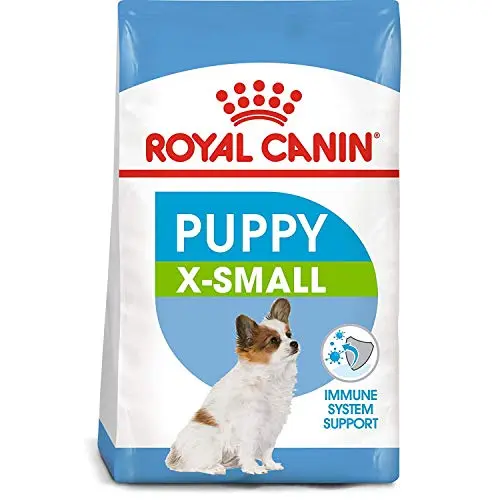
X-Small Breed Puppy Food – Brain & Digestive Health Support
Specifically engineered for toy breed puppies with an expected adult weight under 8 lbs, this crunchy kibble delivers targeted support for brain development, immune health, and digestive balance. A standout for Chihuahua puppies.
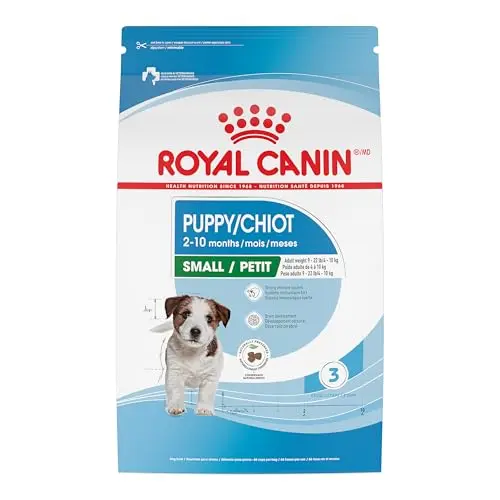
Small Breed Puppy Food – Growth & Immune Support for Small Dogs
For small breed dogs projected to weigh 9-22 lbs as adults, this formula pairs brain development support with digestive and immune health benefits. A great option for slightly larger Chihuahuas or those transitioning out of X‑Small.
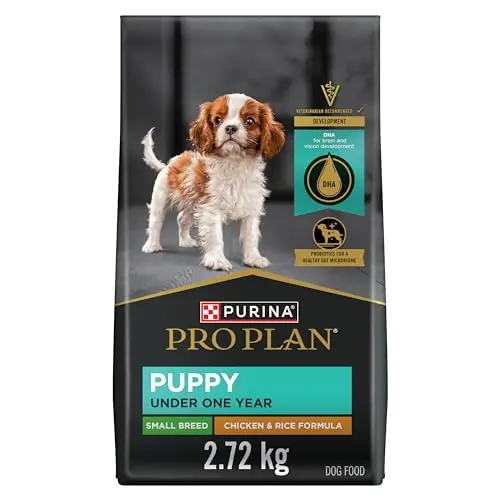
Development Small Breed Chicken & Rice – High Protein with Probiotics
A high‑protein, chicken‑first recipe that packs live probiotics for digestive resilience and DHA for brain development. The small kibble size is tailored for small breed mouths.
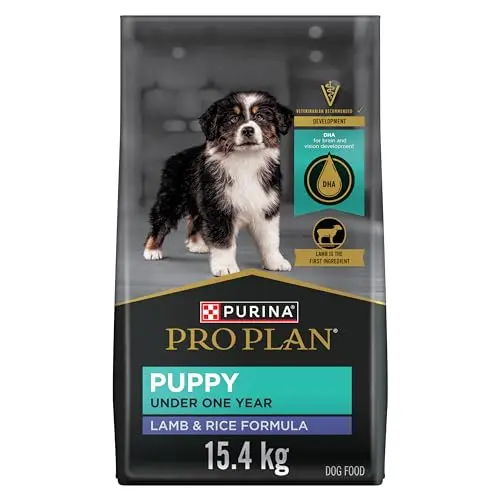
Development Lamb & Rice Formula – Large Bag for Multi-Dog Homes
A lamb‑based puppy food with DHA and live probiotics, suitable for all breed sizes. The 15.4 kg bag delivers exceptional value for breeders or multi‑dog families, though it’s best paired with a kibble size check for Chihuahuas.
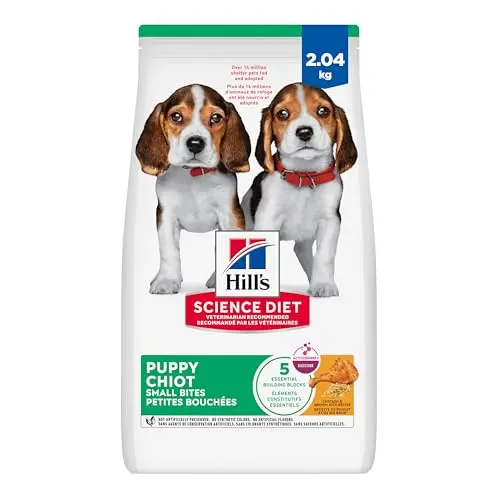
Puppy Small Bites Chicken & Brown Rice – Easy-to-Chew Kibble for Small Mouths
Featuring tiny, easy‑to‑chew kibble and a blend of DHA, balanced minerals, and prebiotic fibre, this formula is built for puppies who need a smaller mouthful. A comfortable choice for many Chihuahua pups.
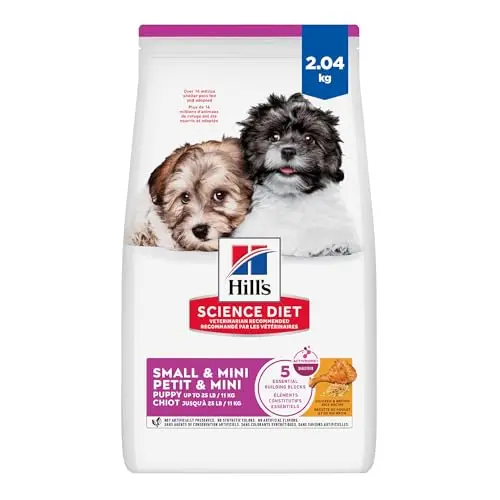
Puppy Small & Mini Chicken & Brown Rice – Tailored for Miniature Breeds
Designed for small and miniature breed puppies, this recipe combines DHA, antioxidants, and high‑quality proteins in a natural‑ingredient base. Specifically shaped kibble makes it easy for tiny jaws to handle.
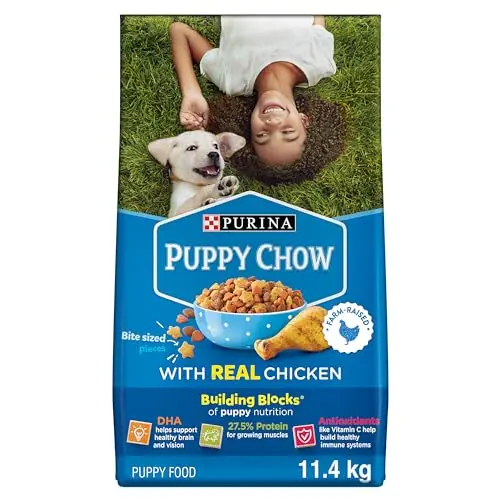
Complete Dry Puppy Food with Real Chicken – Budget-Friendly Large Bag
An affordable, all‑breed puppy food that leans on real chicken, DHA, and antioxidants. The large 11.4 kg bag stretches your dollar far, though kibble size may be a consideration for the smallest Chihuahuas.
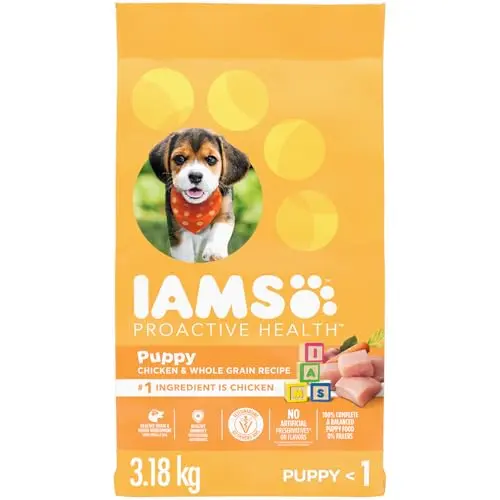
Proactive Health Puppy Chicken & Whole Grain – Digestible Nutrition for Small-Medium Pups
An affordable, easy‑to‑find option for small to medium breed puppies. With DHA, easily digestible whole grains, and no artificial preservatives, it covers the basics without stretching your budget.
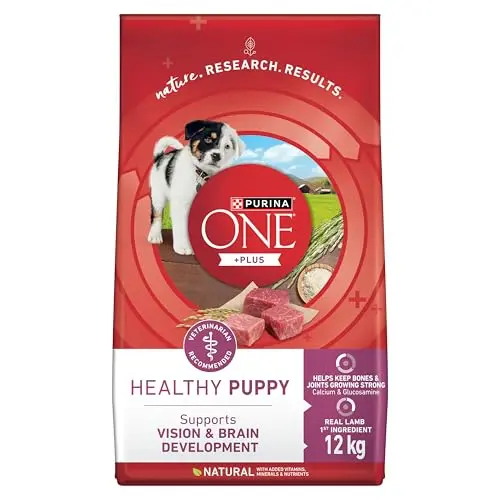
+Plus Healthy Puppy Formula Lamb – Large Bag for Medium Breeds
A lamb‑based dry food with rice and oatmeal for easy digestion, plus DHA and antioxidants. While formulated for medium breeds, it can work for small dogs if kibble size is acceptable.
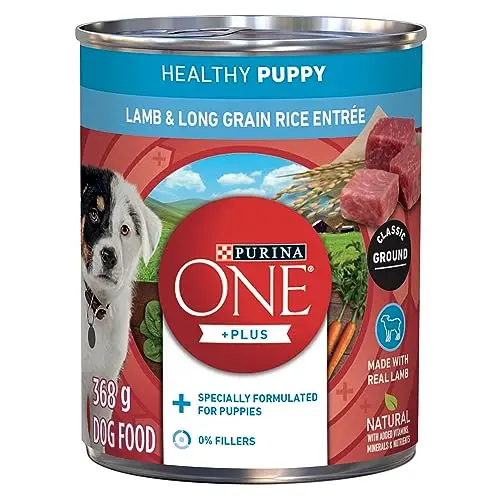
+Plus Classic Ground Wet Puppy Food Lamb & Rice – Moisture-Rich Meal Topper
A ground pâté wet food made with lamb and long grain rice, enriched with antioxidants and omega fatty acids. Excellent as a topper or mix‑in for extra hydration and palatability.
How We Evaluated This Food for Chihuahua Puppies
We didn’t run controlled feeding trials or send samples to a lab. What we did: cross‑referenced 10 puppy food models from 6 distinct brands across several decision axes-kibble size suitability for the smallest mouths, DHA and brain‑development support, digestive‑health ingredients, protein quality, and owner feedback where available. We triangulated published specifications, ingredient lists, and real‑world usage signals to build practical comparisons.
The scoring framework weighted real‑world fit for Chihuahua puppies (60%)-how well each food meets the needs of a tiny, fast‑growing breed-against feature differentiation (40%)-unique nutritional advantages and formula specifics. We have no commercial relationship with any brand; recommendations flow from what works for the dog, not the label. If your Chihuahua is on the smaller side, the Royal Canin X‑Small Breed is purpose‑built for them; for slightly larger pups, the Royal Canin Small Breed is a strong alternative.
How to Choose the Right Food for Your Chihuahua Puppy
What Makes a Good Food for Chihuahua Puppies?
Chihuahua puppies are not just scaled‑down versions of large‑breed pups-they have a distinct metabolic blueprint. A quality puppy food for this breed must be calorie‑dense, highly digestible, and rich in animal‑source protein. Look for a formula that packs DHA (docosahexaenoic acid) from fish oil or algae, which directly supports brain and vision development during the critical first year. The food should also include a balance of calcium and phosphorus for skeletal growth, but in ratios that suit a petite frame.
Additionally, antioxidants-such as vitamin E and C-help build a sturdy immune system, while prebiotic fibres (like beet pulp or fructooligosaccharides) nurture gut health. Since Chihuahuas can be prone to digestive sensitivity, easily digestible whole grains or grain‑free options (if supported by your vet) are worth weighing. The right food covers all these bases without leaning on fillers or artificial additives.
Kibble Size: A Make‑or‑Break Factor for Small Breed Puppies
Ask any Chihuahua owner: kibble size matters. A nugget that’s too large can frustrate or even choke a tiny puppy, while one that’s excessively small may not provide enough chewing action for dental health. The ideal small‑breed kibble balances bite‑size accessibility with a texture that encourages some crunch. Royal Canin’s X‑Small formula, for instance, has a tiny, ridged pellet specifically engineered for toy‑breed mouths.
When trialling a new food, watch your puppy eat. If they’re pawing at the dish, spitting out pieces, or swallowing whole, the kibble may be too large. You can dampen it with warm water to soften, but a better long‑term fix is to pick a food where every piece is sized for a toy breed. This is one area where a generic ‘all‑breed” label often falls short.
Key Ingredients: DHA, Probiotics, and Protein Sources
Three nutritional pillars stand out for Chihuahua puppies: DHA, probiotics, and high‑quality protein. DHA, an omega‑3 fatty acid, is a building block for the developing brain and eyes; it’s naturally present in mother’s milk, and quality puppy foods replicate this with fish oil or marine algae. Probiotics-especially the guaranteed live strains found in Pro Plan formulas-colonize the gut with beneficial bacteria, aiding digestion and bolstering the immune system right where it matters most.
Protein should come from named animal sources (chicken, lamb, or fish) as the first ingredient, not generic meat meals. This ensures a complete amino acid profile for lean muscle growth. Bonus points for recipes that include omega‑6 fatty acids for skin and coat health, as Chihuahuas can be prone to dry skin. Avoid foods that lean heavily on corn, wheat, or soy as primary ingredients-they offer calories but less biological value for a growing puppy.
Dry vs. Wet Food: Which Is Better for Your Chihuahua Puppy?
For the base diet, dry kibble generally wins in a Chihuahua household. It’s convenient, contributes to dental health through mechanical chewing, and offers a higher nutrient density per cup compared to wet food. The crunchy texture of a high‑quality dry food like Royal Canin or Hill’s Science Diet helps scrape plaque off tiny teeth during the bite.
That said, wet food has a role as a topper or mix‑in. Its high moisture content boosts hydration-especially useful if your puppy isn’t a big drinker-and the soft, pâté‑like texture can entice a picky eater. The Purina ONE wet food, for example, is a popular flavour booster. A mixed approach lets you capture the best of both worlds: kibble for daily feeding, a spoonful of wet for extra appeal, and the flexibility to adjust hydration as needed.
Finding Value: Budget‑Friendly Puppy Foods That Deliver
You don’t need to overspend to feed your Chihuahua well. Budget‑conscious options like IAMS Proactive Health and Purina Puppy Chow still include DHA, animal protein, and essential vitamins, just without the breed‑specific bells and whistles. The IAMS Proactive Health Puppy is a standout here-it’s widely available, easy on the wallet, and covers the core nutritional needs without artificial preservatives or fillers.
When choosing a value food, pay extra attention to kibble size (you may need to soak it), and monitor stool quality during the transition. Saving money is great, but not at the cost of your puppy’s digestive comfort. With careful selection, you can land a food that’s both affordable and dependable.
How to Switch Your Puppy's Food Safely
Abrupt food changes can upset a Chihuahua puppy’s sensitive stomach. Follow a 7‑to‑10‑day gradual transition: start by mixing about 25% new food with 75% current food, then slowly increase the ratio every couple of days. Watch for loose stools, gas, or refusal to eat-signs you’re moving too fast. Probiotic‑enriched foods like Pro Plan can help smooth the switch, as the live cultures reinforce gut balance.
Also, keep a consistent feeding schedule; Chihuahua puppies thrive on routine, and their tiny stomachs do better with three or four small meals a day rather than one large serving. Once fully transitioned, give your pup a few weeks on the new food before judging its effects on coat, energy, and digestion.
Frequently Asked Questions
What's the difference between Royal Canin X‑Small Breed and Small Breed puppy food for Chihuahuas?
The primary distinction is the expected adult weight range each formula targets. X‑Small Breed is crafted for pups projected to be under 8 lbs fully grown, while Small Breed is aimed at those in the 9-22 lb range. For most Chihuahuas-especially those from teacup or purebred lines-the X‑Small version is the better fit; its kibble size is meticulously tiny, and the nutrient density is calibrated for an extremely small frame. The Small Breed formula is still excellent, and we’d recommend it for a Chihuahua that’s naturally larger or one that’s being fed alongside a slightly bigger small‑breed sibling. When in doubt, the Royal Canin X‑Small Breed is the safer bet.
How does Hill's Science Diet Small & Mini compare to Purina Pro Plan Small Breed?
Both are veterinarian‑recommended lines, but they diverge in approach. Hill’s Science Diet Small & Mini puts emphasis on a natural ingredient list and a precise mineral balance for bone growth, and its kibble is designed specifically for miniature breeds. Purina Pro Plan Small Breed leads with high protein from real chicken and includes live probiotics that actively support gut health-a bonus for Chihuahuas with sensitive digestion. In practice, the Hill’s food often wins on palatability and ingredient minimalism, while the Pro Plan takes the edge on protein content and digestive resilience. Your choice may come down to whether your puppy needs more gut support or a simpler recipe.
When should I switch my Chihuahua puppy to adult dog food?
Small breeds like Chihuahuas generally reach physical maturity faster than large breeds, typically around 10 to 12 months of age. You’ll want to monitor your puppy’s growth curve: once they’ve levelled off in height and weight and have their adult teeth fully in, it’s time to transition. Keep an eye on body condition-if they’re maintaining a healthy shape on puppy food and still filling out, you can delay the switch by a few weeks. When you do move to an adult formula, pick a small‑breed adult food that continues to support their metabolism without the extra calorie load meant for rapid growth.
Can I mix wet and dry food for my Chihuahua puppy?
Absolutely, and many owners do so for the best of both worlds. The dry kibble forms the nutritional backbone and aids in dental health, while a spoonful of wet food adds moisture and boosts palatability. For Chihuahuas, a common ratio is about 75% dry, 25% wet, mixed at mealtime. This approach can help a picky eater clean their bowl while maintaining kidney hydration. Just keep an eye on total daily calories-Chihuahua puppies can gain weight quickly if portions creep up-and choose a wet food with quality ingredients, like the Purina ONE Lamb & Rice pâté.
Final Verdict
For the vast majority of Chihuahua puppies, the Royal Canin X‑Small Breed is the food we’d buy first. It nails the trifecta of tiny kibble size, targeted brain and digestive support, and enthusiastic palatability-everything a toy breed needs. If you’re raising a litter or have multiple small dogs, the Purina Pro Plan Lamb & Rice large bag offers incredible value, though it’s overkill for a singleton pup. And if you’re watching your budget, the IAMS Proactive Health Puppy keeps quality high without breaking the bank. Wherever you land, the right food sets the foundation for a healthy, vibrant start, and your Chihuahua’s wagging tail will be the proof.