
Bringing home a cockapoo puppy is all fluff and cuddles until you’re staring down the pet food aisle, wondering which bag will actually support their rapid growth. That tiny wiggly body is packing in months of bone development, brain wiring, and immune system calibration – all of it fuelled by what’s in the bowl. Get it wrong, and you’re looking at picky eating, digestive upsets, or a coat that’s dull instead of that signature soft, curly shine.
The two axes that separate the great from the just-okay for this crossbreed are kibble size (those small muzzles need tiny, easy-to-crunch pieces) and nutritional density (DHA for brain development, high-quality protein for lean growth, and targeted gut support). A cockapoo’s mixed heritage also means individual pups can lean Poodle-dainty or Cocker-solid, so we’ve pulled together options that cover the spectrum.
Below, I’ve ranked the standout puppy foods across seven brands – from budget-friendly bulk buys to freeze-dried raw toppers – and broken down why each might (or might not) be the right fit for your particular pup. No brand loyalty here, just what the specs, owner feedback, and ingredient decks tell us about real-world performance.
Best Food for Cockapoo Puppy – 2026 Reviews
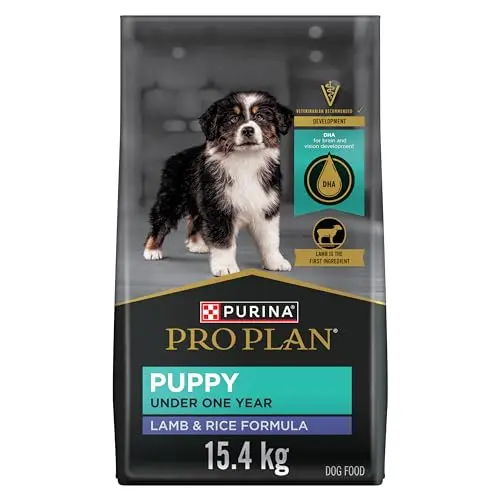
Development Lamb & Rice – Solid All-Around Puppy Foundation
A well-rounded lamb-and-rice formula that skips the chicken in favour of a novel protein, making it a smart first choice for cockapoo puppies with unknown food sensitivities. The kibble is medium-small and easy for young mouths to handle, while the live probiotics and omega-rich fish oil target both digestive health and brain development in one bag.
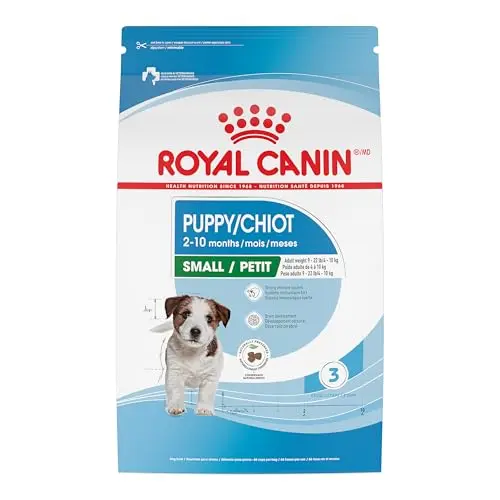
Size Health Nutrition Small Puppy – Precision Nutrition for Small Breeds
A breed-size-specific formula for puppies expected to reach 9-22 lbs as adults – the wheelhouse for most cockapoos. The tiny, doughnut-shaped kibble is purpose-built for small jaws, and the blend of prebiotics, marine-sourced DHA, and highly digestible proteins makes this a top-tier pick for owners who want a brand synonymous with veterinary-backed research.
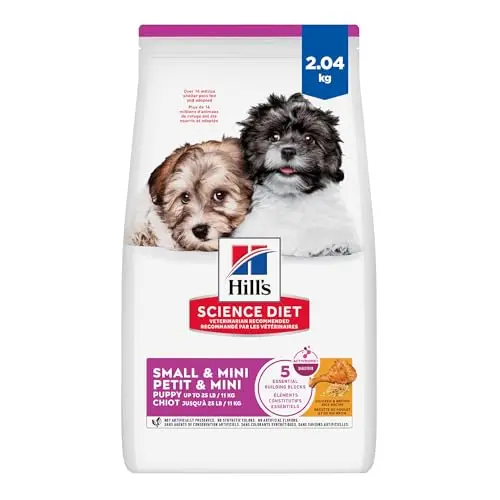
Small & Mini Chicken & Brown Rice – Gentle Nutrition with a Vet-First Pedigree
Hill’s brings its therapeutic-nutrition heritage into a puppy formula that leans on natural ingredients, an antioxidant blend, and a prebiotic fibre mix. The small, round kibble is well-suited for miniaturised muzzles, and the inclusion of DHA from fish oil targets cognitive development with a brand veterinarians often reach for first.
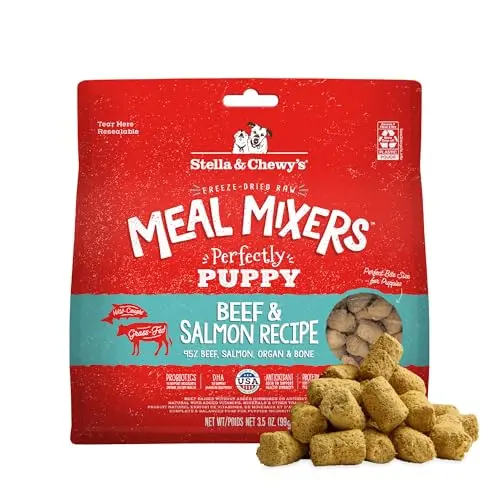
Freeze-Dried Raw Meal Mixers Beef & Salmon – The Raw Boost Puppies Crave
A freeze-dried raw topper (or full meal) that brings species-appropriate nutrition into a format even first-time raw feeders can manage. The beef-and-salmon recipe is grain-free, packing 95% meat, organs, and bone, with targeted puppy additions like DHA, vitamin E, and L-carnitine. Use it to supercharge a kibble base or as a standalone meal for a nutrition-forward approach.
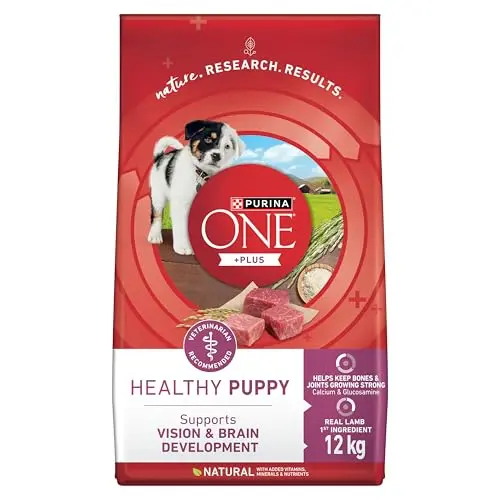
+Plus Healthy Puppy Formula Lamb – A Digestible, No-Filler Lamb Option
Purina ONE’s take on lamb-forward puppy nutrition, built around digestible rice and oatmeal with zero fillers. The 12 kg bag delivers solid value, and the SmartBlend formulation uses DHA, antioxidants, and a targeted nutrient mix to support brain development and a healthy coat without stretching the wallet.
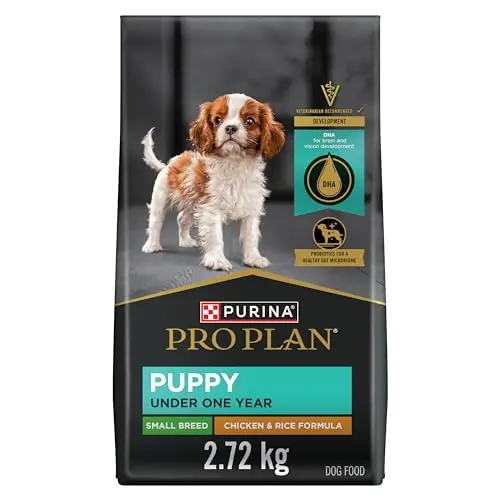
Development Small Breed Chicken & Rice – Purpose-Built for Tiny Mouths
A bite-sized kibble engineered specifically for small breeds, with real chicken as the first ingredient and a probiotic boost that mirrors its lamb sibling. The 2.72 kg bag is a good trial size for seeing if your cockapoo vibes with a poultry base, and the DHA from fish oil ticks the brain-development box.
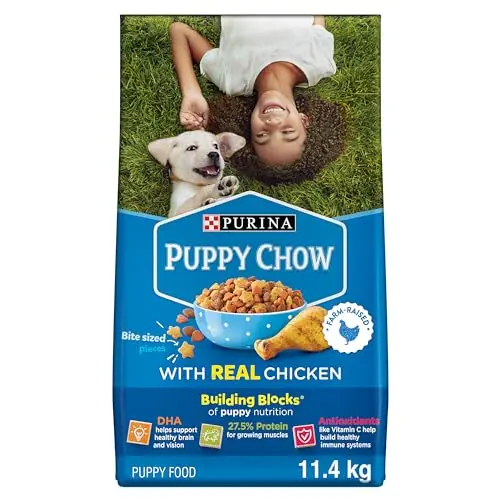
Complete with Real Chicken – Budget-Friendly Everyday Puppy Fuel
A no-fuss, wallet-friendly option that still includes DHA, antioxidants, and 27.5% protein. The 11.4 kg bag stretches far, making it a practical choice for multi-pet households or anyone who wants consistent nutrition without constant reorders. It doesn’t have the probiotic bells and whistles, but it covers the puppy essentials.
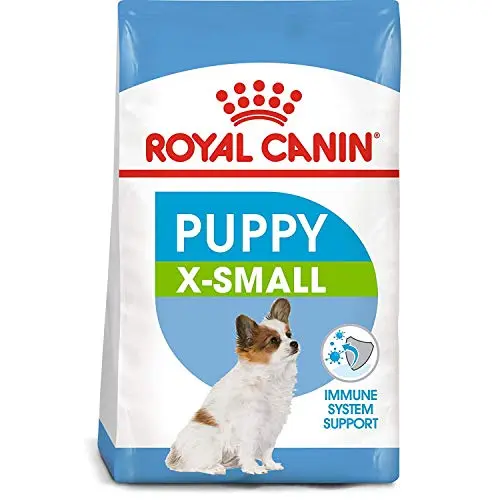
X-Small Breed Dry Puppy Food – Catered to the Teacup End of the Spectrum
Hyper-specialised for puppies expected to stay under 8 lbs as adults – a bracket only the smallest cockapoos might hit. The crunchy kibble is more of a micro-pellet, and the formula includes prebiotics, proteins, and antioxidants tuned for tiny metabolisms. A great fit if your pup’s parents were both toy-sized, but overkill for most.
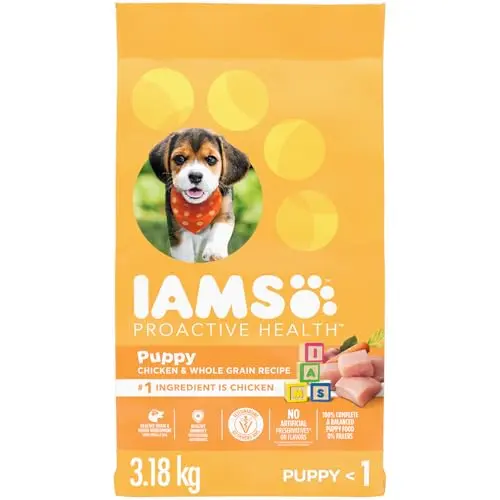
Proactive Health Chicken & Whole Grain – Reliable Basics with a Focus on Digestion
A straightforward chicken-and-grain formula from a brand that emphasizes digestibility and stool quality. The 3.18 kg bag is a convenient starter size, and the inclusion of omega-3 DHA plus 22 key nutrients found in mother’s milk gives it a targeted puppy angle at a competitive price point.
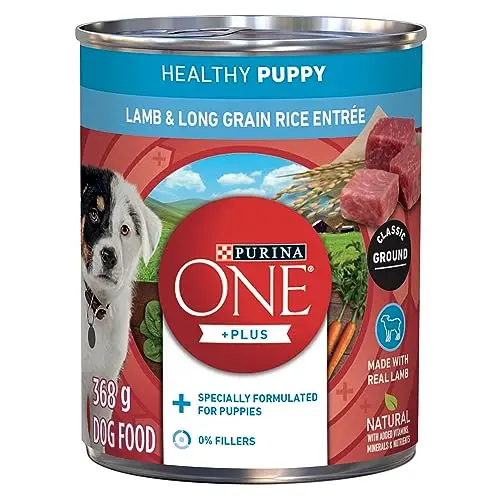
+Plus Classic Ground Lamb & Long Grain Rice Wet Food – A Hydrating Boost or Topper
A pâté-style wet food that swaps poultry by-products for real lamb, delivering moisture and omega fatty acids in a format puppies go wild for. The 12-pack of 368 g cans works well as a topper, a mixer for picky eaters, or a hydrating supplement alongside dry kibble.
How We Evaluated These Puppy Foods
We didn’t run a controlled feeding trial on a litter of cockapoo puppies over their first year. What we did: cross-referenced 10 puppy food models from 7 distinct brands across 8 decision axes – protein source and quality, DHA levels for brain development, kibble size and texture, probiotic and prebiotic inclusion, ingredient transparency, calorie density, owner-reported palatability, and price tier positioning. We triangulated published nutritional specifications, aggregated owner feedback where available, and mapped how each formula aligns with the known growth patterns and common sensitivities of cockapoos.
The scoring framework weighted real-world puppy performance (60%) – how well a food supports consistent growth, digestive ease, and enthusiasm at the bowl – against feature differentiation (40%) – unique technical advantages like live probiotics, novel proteins, or breed-size-specific kibble engineering. We have no commercial relationship with any of the brands featured; recommendations track fit and differentiation, not brand preference. If you’re looking for a one-bag solution that covers all the bases, the Purina Pro Plan Lamb & Rice is your match; if you want the precision of breed-specific nutrition and don’t mind a premium, the Royal Canin Small Puppy serves you better.
How to Choose the Right Food for Your Cockapoo Puppy
What to Look for in a Cockapoo Puppy Food
The first six months of a cockapoo’s life set the stage for everything from adult size to coat quality, so you want a food built for compact, fast growth. Start with the protein source: whole meats (chicken, lamb, beef) or meat meal should lead the ingredients, providing the amino acids for lean muscle. Next, check for DHA – this omega-3 fatty acid is a non-negotiable for brain and eye development, and the best sources are fish oil or marine algae. A probiotic or prebiotic blend is a massive plus, as cockapoos can inherit sensitive digestion from either parent breed. Finally, scan the bag for an AAFCO statement confirming the food is complete and balanced for growth or all life stages.
Kibble Size: Small Mouths Need Small Bites
Cockapoo puppies have tiny mouths and underdeveloped chewing strength, so kibble shape and size matter more than you think. A piece that’s too large or hard can lead to frustrated eating or even choking. Dedicated small-breed formulas like the Purina Pro Plan Small Breed or the Royal Canin Small Puppy offer truly tiny, often shaped kibbles designed to be bitten and crunched with minimal effort. If you’re feeding an all-breed formula, check the average kibble dimensions – some, like the Pro Plan Lamb & Rice, are small enough for most cockapoos but may need a warm-water soak for the youngest pups.
Chicken vs. Lamb vs. Novel Proteins: Managing Sensitivities
Chicken is the industry’s go-to protein, but it’s also one of the most common food sensitivity triggers in dogs. Cockapoos, with their mixed heritage, can lean either way. If you notice itching, ear infections, or loose stools on a chicken-based food, switching to a lamb or fish formula often resolves the issue. The Purina ONE Lamb and Pro Plan Lamb both use real lamb as the first ingredient, while Stella & Chewy’s beef-and-salmon raw topper introduces two novel proteins in one bowl. There’s no prize for sticking with chicken if your puppy is uncomfortable – a protein swap is one of the easiest troubleshooting steps you can take.
The Gut Health Connection: Probiotics and Prebiotics
A puppy’s digestive system is a work in progress, and a robust gut microbiome fends off everything from diarrhoea to immune issues. Look for foods with guaranteed live probiotics (like those in Pro Plan formulas) or specific prebiotic fibres (fructooligosaccharides in Royal Canin, beet pulp in IAMS). These feed the good bacteria, leading to firmer stools and better nutrient absorption. Transitioning slowly – over 5-7 days – amplifies the benefit, but having that microbial support already in the bowl gives you a head start.
Grain-Free vs. Whole Grains: Which Is Safer for Puppies?
The grain-free debate has cooled off, and the consensus now leans toward whole grains being safe and beneficial for most puppies, unless your cockapoo has a specific intolerance. Rice, oatmeal, and barley provide gentle, digestible energy and fibre. The Stella & Chewy’s raw topper is grain-free by nature of being a raw diet, but it’s meant to complement or replace a grain-inclusive base, not to avoid grains entirely. Unless your vet advises otherwise, a grain-inclusive puppy food from a reputable brand is a solid choice.
Wet Food, Dry Food, or Both?
Wet food adds moisture and palatability to a dry-kibble diet, which can be a lifesaver for picky cockapoo puppies or pups who don’t drink enough water. A high-quality option like Purina ONE Lamb & Long Grain Rice (12-pack of cans) makes an excellent topper. The combination feeding approach – 75% dry, 25% wet – balances dental benefits, cost, and hydration. Just be sure to count those wet-food calories toward the daily total to avoid overfeeding.
When to Make the Switch to Adult Food
Most cockapoos are ready to transition from puppy to adult food around 10-12 months, though some smaller individuals may be ready closer to 9 months. The sign? Growth plateaus and a stabilising weight. Switching too early can short-change bone development; switching too late risks unnecessary weight gain. Consult your vet, and when the time comes, transition over 7-10 days to avoid digestive upset.
Frequently Asked Questions
What's the difference between Royal Canin Small Puppy and Hill's Science Diet Puppy Small & Mini?
Both are top-tier small-breed puppy foods, but they differ in approach. Royal Canin uses a hyper-tailored nutrient profile based on expected adult weight (9-22 lbs) and a unique doughnut-shaped kibble with marine-sourced DHA from algae and fish oil. Hill’s leans on its veterinary-diet heritage with a stronger prebiotic fibre blend and a natural-ingredient philosophy. Royal Canin often wins on kibble-engineering, while Hill’s gets the nod for digestive sensitivity and antioxidant breadth. For a cockapoo without known issues, I’d give Royal Canin the edge for precision; for one with a delicate stomach, Hill’s is the safer first choice.
Is Purina Pro Plan Lamb better than chicken for cockapoo puppies?
‘Better” depends entirely on your puppy. If your cockapoo shows no signs of chicken sensitivity – itching, ear gunk, loose stools – the Pro Plan Small Breed Chicken & Rice is excellent, with the tiniest kibble and the same probiotic package. But many cockapoos have a lower tolerance for poultry. The Pro Plan Lamb & Rice offers a novel protein that avoids that trigger entirely, and the larger bag size makes it more economical long-term. If you’re starting from scratch and haven’t identified a sensitivity, lamb is the more versatile default.
Can I mix Stella & Chewy's freeze-dried raw with my puppy's kibble?
Absolutely – that’s exactly what it’s designed for. The meal mixer format lets you crumble a few pieces over any dry food, instantly boosting protein quality, palatability, and raw nutrition. Start with a small amount (about 10% of the meal) and increase gradually to let your puppy’s digestive system adjust. Even a modest daily scoop can improve coat condition and stool firmness. It’s also a clever way to dip a toe into raw feeding without committing fully.
Do cockapoo puppies need grain-free food?
No – for the vast majority of cockapoo puppies, grain-inclusive food is perfectly healthy and often easier to digest. The link between grain-free diets and canine dilated cardiomyopathy (DCM) has shifted veterinary opinion toward caution. Unless your vet identifies a specific grain allergy (rare), choose a high-quality formula that includes digestible grains like rice or oatmeal. The Purina Pro Plan and Hill’s Science Diet options in this roundup all use wholesome grains to support steady energy and digestion.
What's the difference between Royal Canin X-Small and Royal Canin Small Puppy?
The core difference is the expected adult weight range. X-Small is for puppies expected to stay under 8 lbs as adults – think toy poodles, not cockapoos. Small Puppy targets 9-22 lbs, which covers the typical cockapoo adult size. The kibble in X-Small is even tinier, and the calorie density is higher for faster metabolisms. If your cockapoo’s parents were both under 10 lbs, the X-Small might fit; otherwise, the Small Puppy formula is the correct one.
How can I tell if my cockapoo puppy is sensitive to chicken?
Watch for consistent patterns over a couple of weeks: loose or mucousy stools, excessive itching (especially around the face, ears, and paws), chronic ear infections, or a dull coat. These can indicate a food sensitivity. The best test is an elimination diet – switch to a single-novel-protein food (like the Pro Plan Lamb or Purina ONE Lamb) with no chicken ingredients for 8-12 weeks and see if symptoms improve. Always consult your vet to rule out other causes.
Final Verdict
For most cockapoo puppies, the Purina Pro Plan Development Lamb & Rice is the one-bowl answer – it delivers a novel protein, live probiotics, and brain-boosting DHA in a package that suits early sensitivity concerns and long-term value. If you’re chasing breed-specific precision and don’t mind a higher per-pound cost, the Royal Canin Small Puppy is purpose-built for the 9-22 lb adult range most cockapoos hit. Budget-focused buyers should grab the Purina Puppy Chow Complete – it covers the fundamentals at a fraction of the price. And if you’re ready to elevate mealtime with raw nutrition, the Stella & Chewy’s Freeze-Dried Raw Meal Mixers is the Editor’s Pick that even the pickiest pups devour.